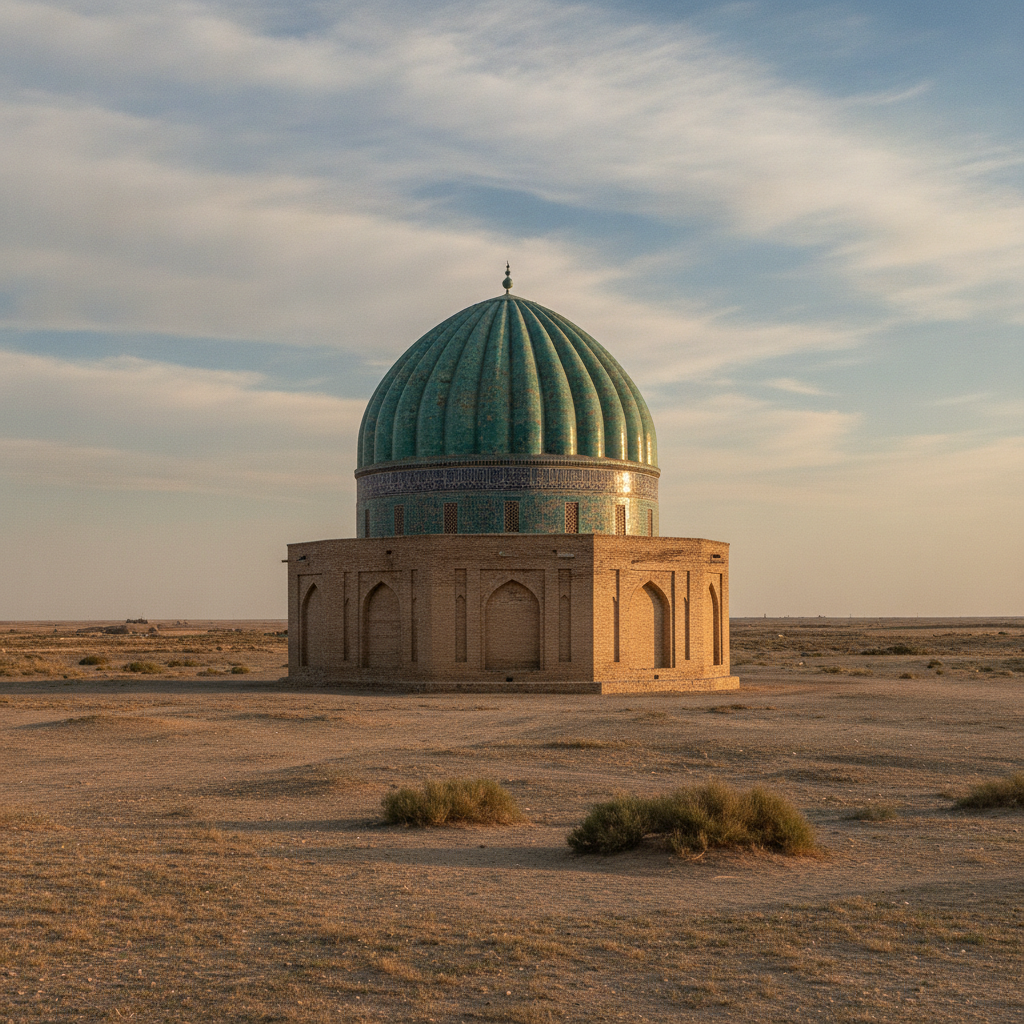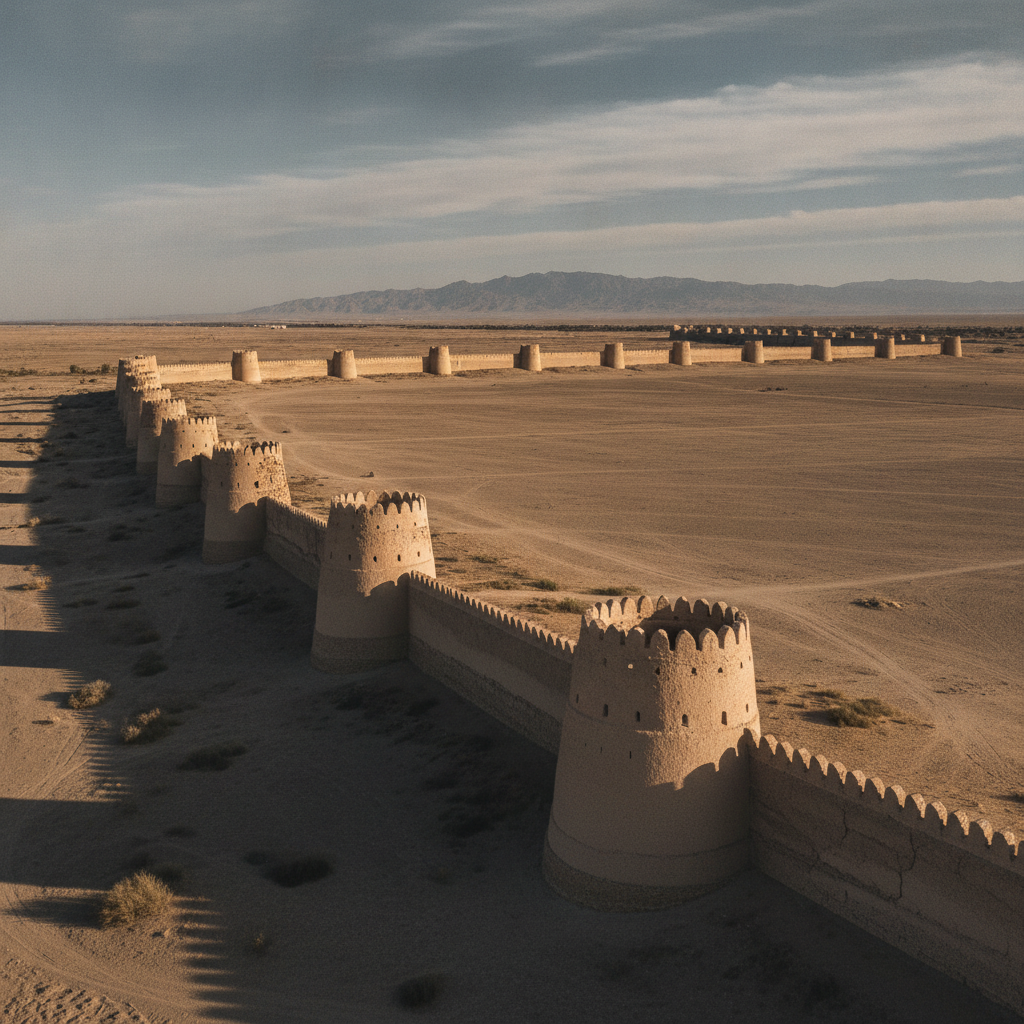
Merv Silk Road Caravanserai Trade Network
Explore the Silk Road caravanserai network around Merv — the stopping places for caravans carrying Chinese silk, Indian spices, and Central Asian horses along the ancient trade routes, Merv being the point where the northern and southern Silk Road branches met before crossing the Karakum Desert toward the Caspian.
- 1
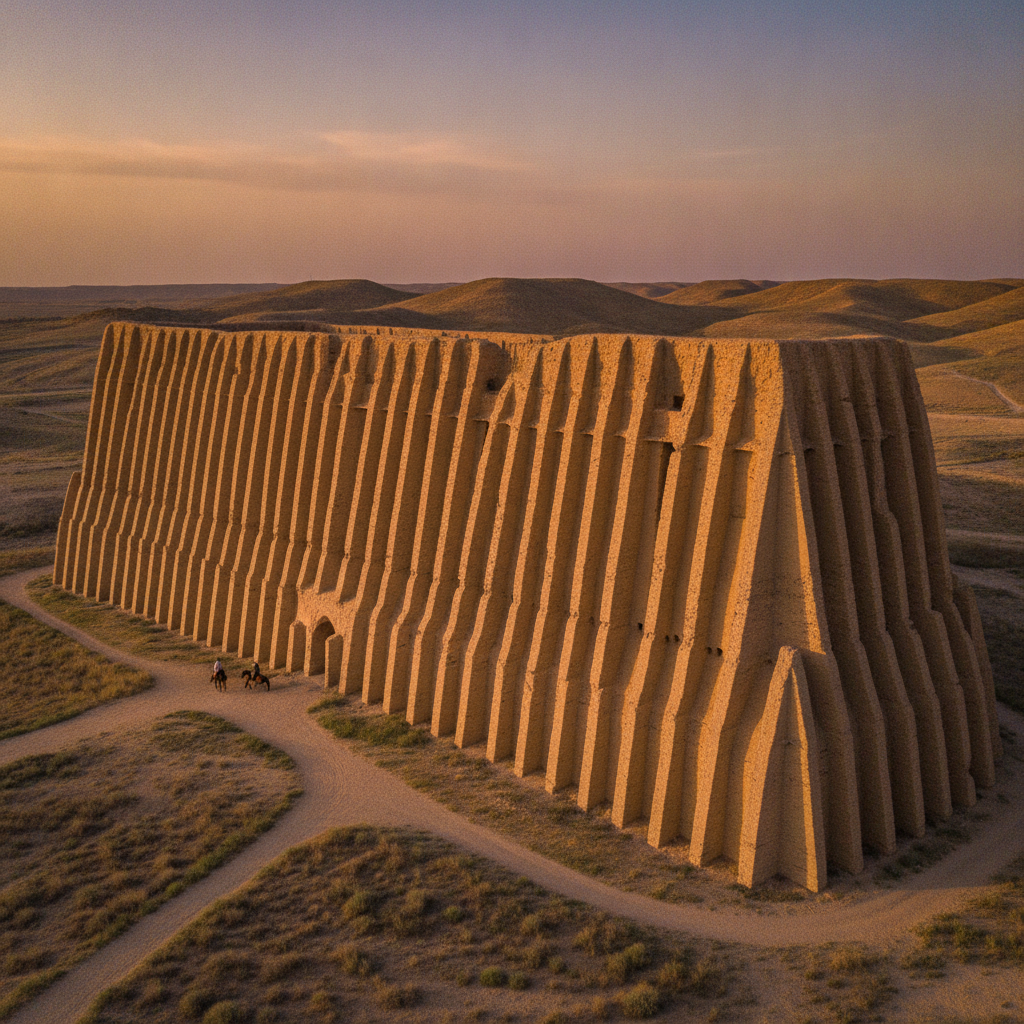
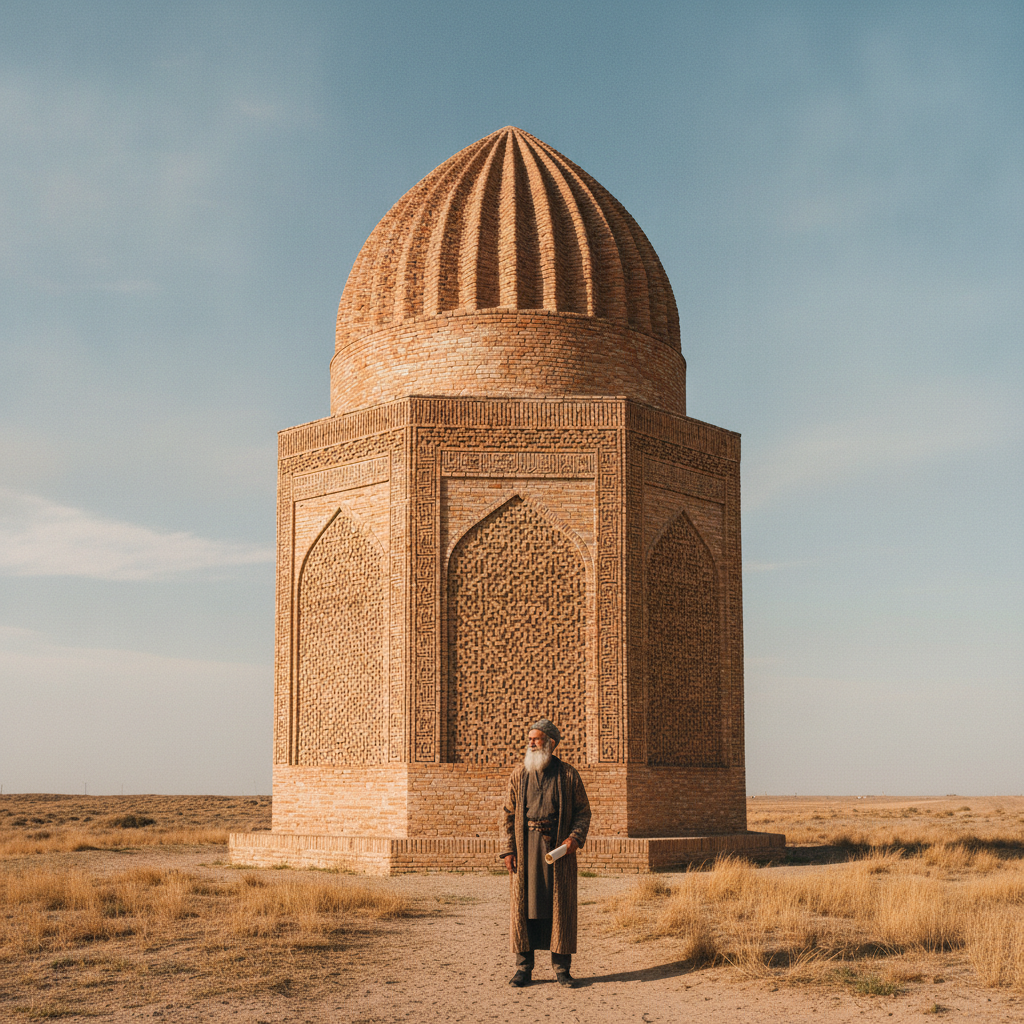
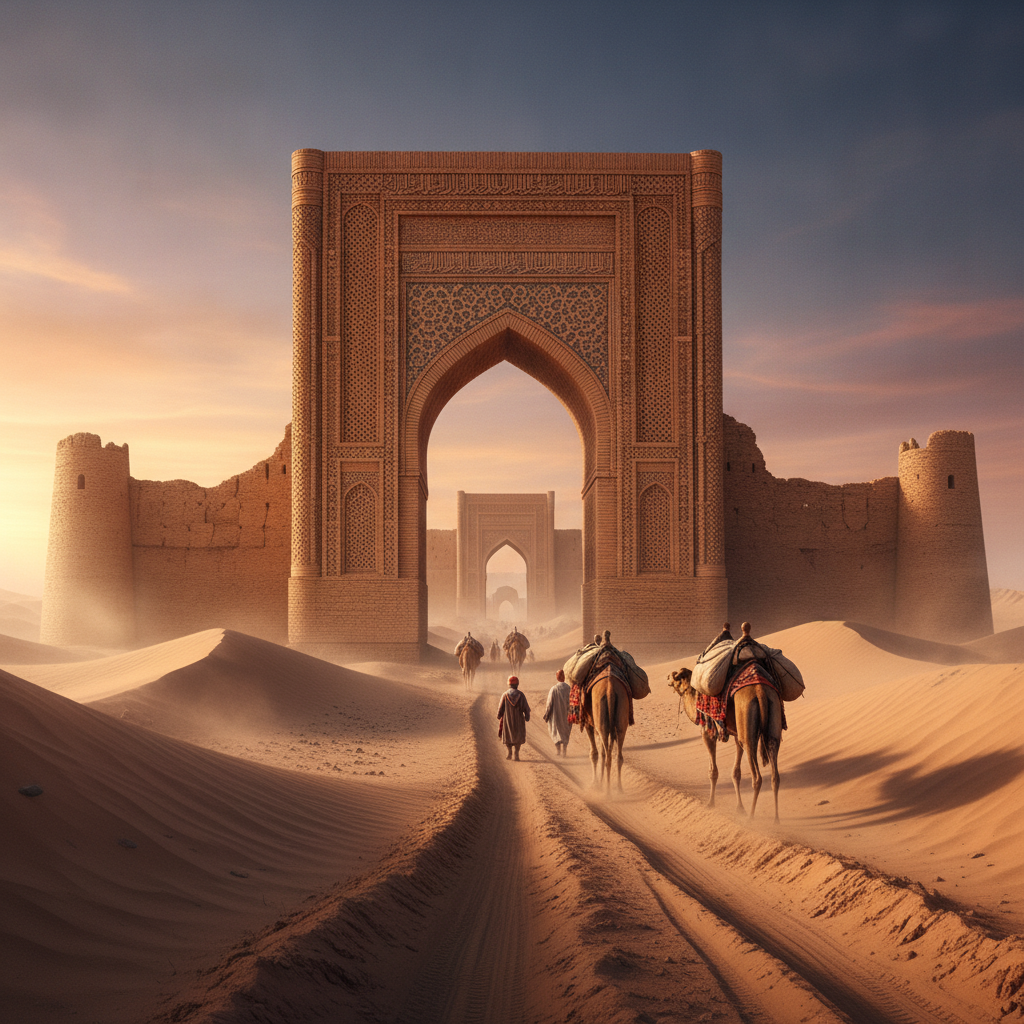
Rabat-i-Malik Caravanserai Approach
The approach to the Rabat-i-Malik caravanserai on the Silk Road between Merv and Bukhara — the 11th-century Seljuk caravanserai whose elaborate brick portal arch survives in the desert, the building one of the finest surviving examples of Seljuk roadside architecture marking the Silk Road between two of its greatest cities.
- 2
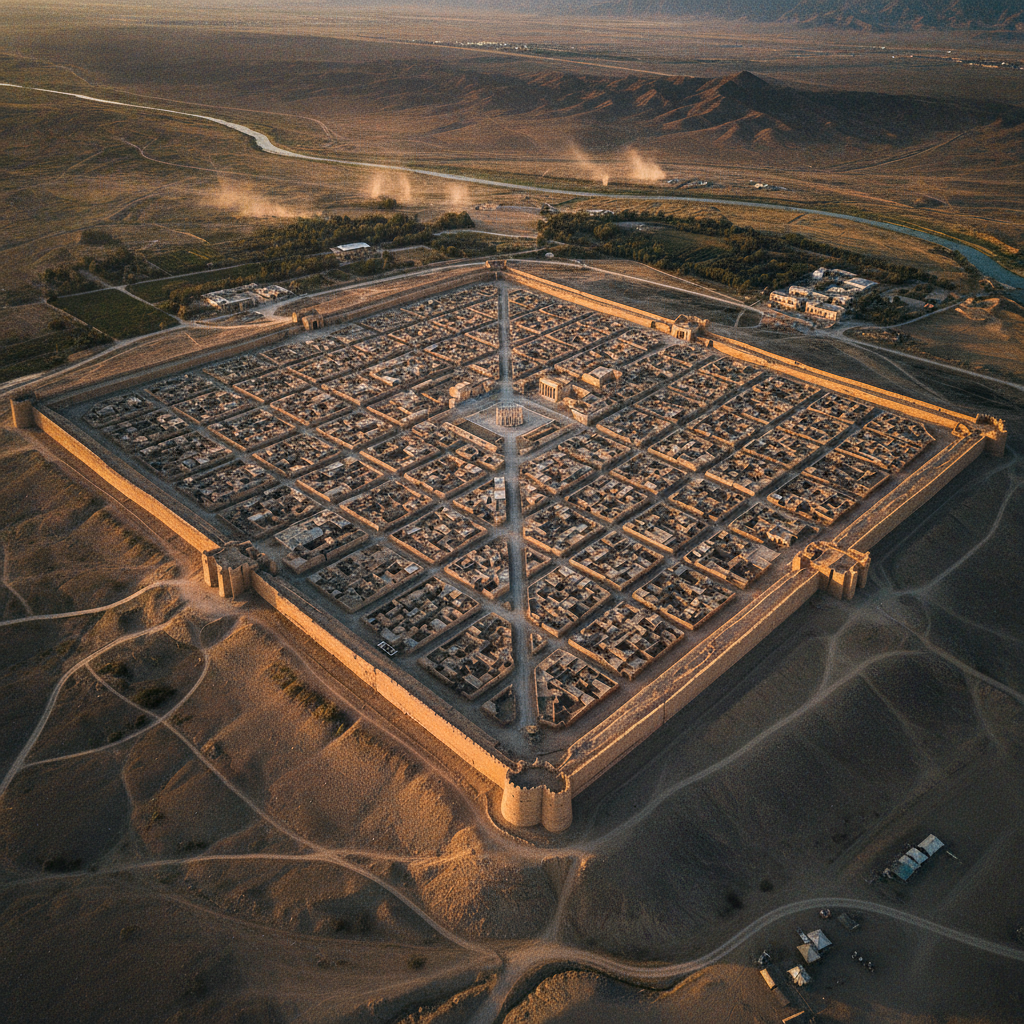
Caravanserai Internal Layout
The internal layout of a typical Merv region caravanserai — the central courtyard with its well, the vaulted chambers for merchants and animals arranged around the perimeter, the mosque for prayer, and the storage rooms for goods, the building design repeated at intervals of approximately 30 kilometers (one day's camel travel) along all major Silk Road routes.
- 3
Trade Goods Through Merv
The trade goods that passed through Merv — the Chinese silk and porcelain moving west, the Byzantine glass and silver moving east, the Central Asian horses traded south to India, the Afghan lapis lazuli and emeralds moving to the Mediterranean world, Merv serving as the entrepôt where these goods changed hands and caravans reorganized.
- 4
Merchant Community Evidence
The merchant community evidence at Merv — the commercial seals, weights, and merchant marks found in the archaeological record showing the organized commercial infrastructure of a major Silk Road hub, the merchant guilds and their caravanserai lodges forming the institutional backbone of the long-distance trade.
- 5
Desert Water Management
The desert water management for Silk Road travelers — the qanats and surface canals that brought water to the desert Silk Road, the cisterns at caravanserais storing rainfall for dry-season travel, the water infrastructure that made long-distance caravan travel across the Karakum Desert possible.
- 6
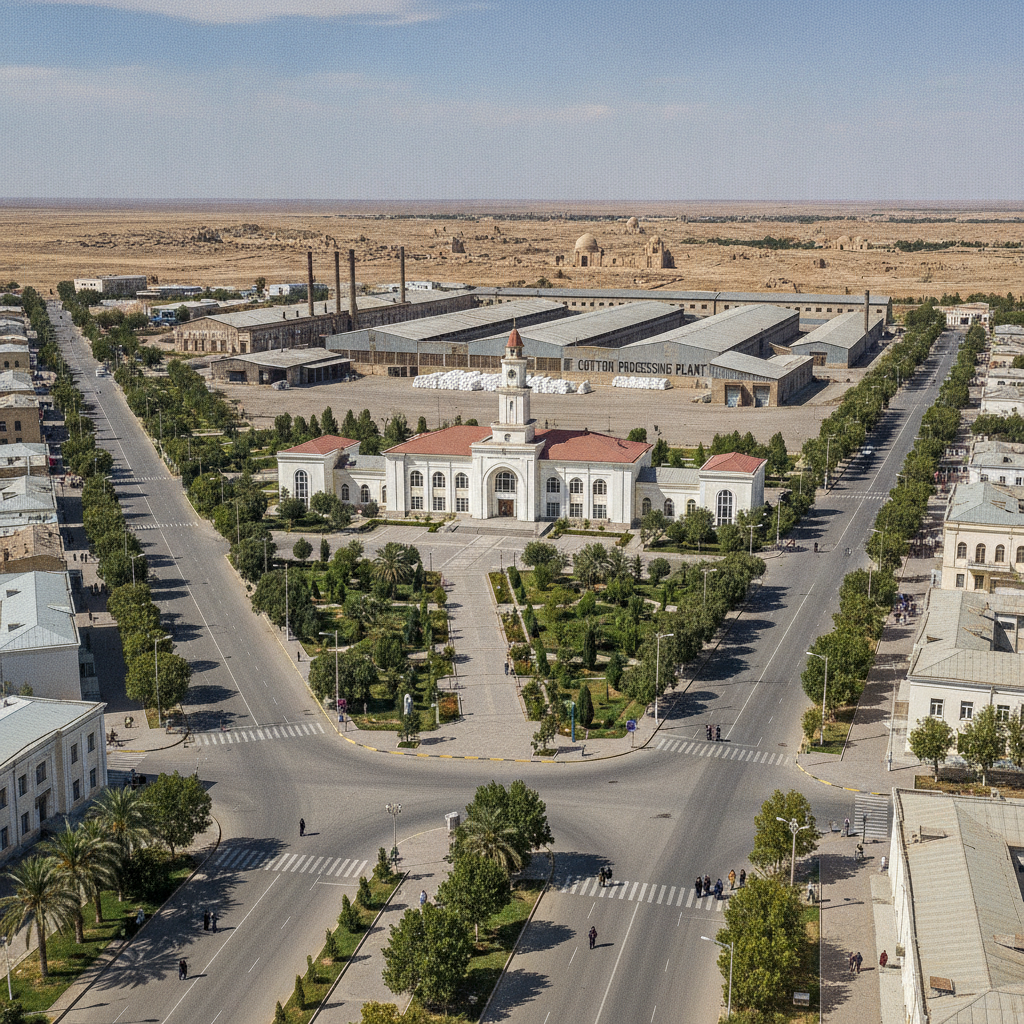
Modern Highway Parallel
The modern highway paralleling the ancient Silk Road near Merv — the asphalt road following the same geographic logic as the ancient caravan route, crossing the same desert terrain between the same oasis points, the continuity of trade geography from the Silk Road era to the modern transport network visible in the landscape.
Walk this route with audio
Stories play automatically as you reach each stop — no tapping needed.