Kota Kinabalu Mount Kinabalu & Kinabalu Park Walk
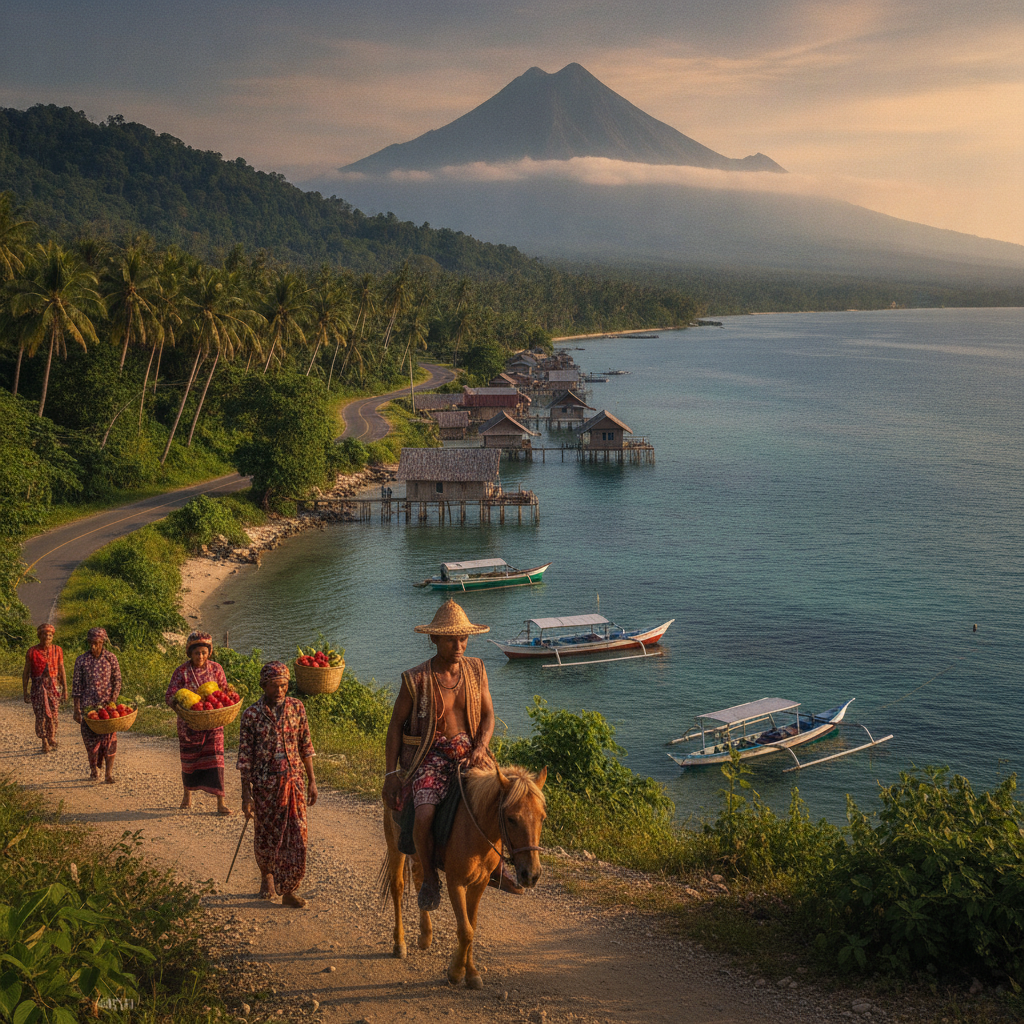
Journey to Mount Kinabalu — the highest peak in Southeast Asia at 4,095 metres looms 60km east of KK and is the central landmark of Sabah, drawing climbers, trekkers, and nature lovers to Kinabalu Park, a UNESCO World Heritage Site that protects one of the world's most biodiverse mountain ecosystems.
- 1
Kinabalu Park Headquarters
Kinabalu Park headquarters at 1,558m elevation is the main visitor centre for the UNESCO World Heritage Site — the park containing the highest mountain between the Himalayas and the mountains of New Guinea was designated a World Heritage Site in 2000 for its exceptional biodiversity, encompassing the complete altitudinal gradient from lowland rainforest through montane forest to the bare granite summit plateau. The park headquarters area has a botanical garden demonstrating the highland plant communities of Kinabalu, including the famous pitcher plants (Nepenthes species) and the Rafflesia plants that bloom nearby.
- 2
Mount Kinabalu Summit Trail
The two-day summit climb to Low's Peak (4,095m) begins at the Timpohon Gate at 1,866m and ascends through montane forest to the Laban Rata rest house at 3,272m where climbers spend the night before the pre-dawn final ascent to the summit — the climb covers 8.7km each way and gains over 2,200m of elevation. The summit plateau's bare granite with its ancient erosion patterns, the panoramic view extending from the South China Sea coast to the interior of Borneo on clear days, and the unique high-altitude vegetation of this isolated peak make it one of the most rewarding mountain climbs in Southeast Asia.
- 3
Kinabalu Pitch Plants Nepenthes
Kinabalu Park hosts the world's greatest diversity of pitcher plants (Nepenthes) — the carnivorous plants that trap and digest insects in liquid-filled pitchers range from the common lowland species to the extraordinary Nepenthes rajah (whose pitchers are large enough to trap small vertebrates) found only on Mount Kinabalu and nearby Tambuyukon. The 32 Nepenthes species found in Kinabalu Park represent over a quarter of all known pitcher plant species, and the mountain's role as a centre of Nepenthes evolution and diversity has made it the most important site for these plants anywhere in the world.
- 4
Rafflesia Reserve Poring
The Poring Hot Springs area east of Kinabalu Park is the most reliable location to see blooming Rafflesia in Sabah — the world's largest flower (Rafflesia keithii, found only in Sabah) blooms for just a few days and rangers track the blooms to alert visitors. The Rafflesia parasitising the Tetrastigma vine roots in the lowland forest around Poring can reach 80cm in diameter and emits the rotting flesh smell that attracts pollinating blowflies. Seeing a blooming Rafflesia is one of the most sought-after natural encounters in Malaysian Borneo.
- 5
Kinabalu Park Biodiversity
Kinabalu Park's biodiversity statistics are extraordinary — the park contains more plant species than all of Europe combined, with over 5,000 vascular plant species, 326 bird species (including the Kinabalu serpent eagle found nowhere else), over 100 mammal species, and exceptional insect diversity. The combination of the mountain's geological age, its position as a refugium during past climate changes, and its isolation have produced the levels of endemism that make Kinabalu Park one of the world's most important centres of plant and animal evolution.
- 6
Kundasang Village Highland
Kundasang village at 1,500m below Mount Kinabalu is famous for its cool climate and highland vegetable farming — the strawberry farms, the rose gardens, and the vegetable plantations visible from the road between KK and Kinabalu Park demonstrate the agricultural potential of the Sabah highlands and provide a popular agrotourism destination for visitors who combine the highland cool temperature (the weather is similar to a mild English summer) with the strawberry picking experience that is marketed specifically to tropical Malaysian visitors experiencing a cooler temperature for the first time.
Walk this route with audio
Stories play automatically as you reach each stop — no tapping needed.