Kota Kinabalu Tunku Abdul Rahman Marine Park Walk
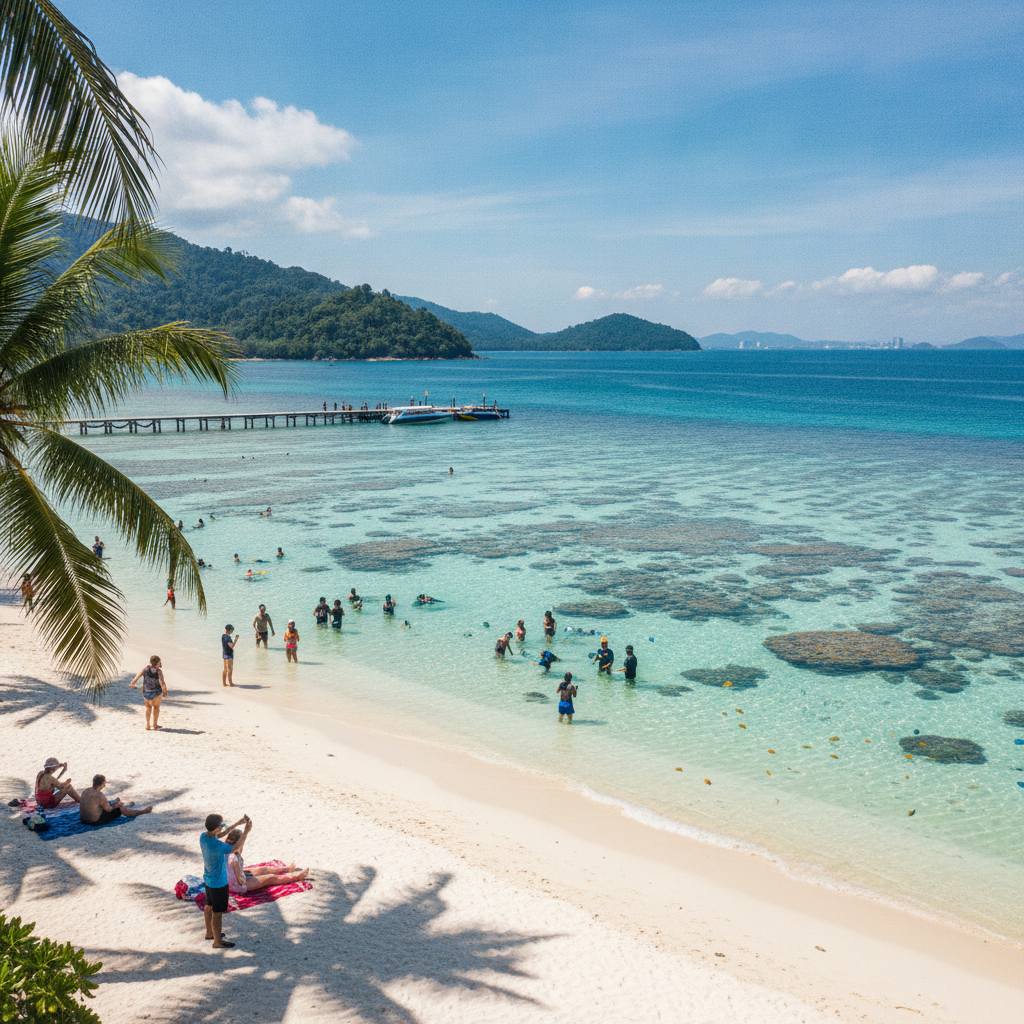
Island hop through the Tunku Abdul Rahman Marine Park — the five coral islands visible from KK's waterfront are accessible by 15-minute boat ride and offer snorkelling, beach relaxation, and the most convenient tropical island experience near a Malaysian city.
- 1
Jesselton Point Ferry Terminal
Jesselton Point is KK's main ferry terminal for both island day trips and inter-island transport — the terminal from which speedboats depart every 30 minutes to the five islands of the Tunku Abdul Rahman Marine Park operates from early morning and provides the most convenient access to tropical island environments within 15 minutes of a city centre anywhere in Malaysian Borneo. The terminal is also the departure point for the weekly ferry to Labuan and the connection services to the smaller islands and coastal communities of Sabah's west coast.
- 2
Pulau Manukan Marine Park
Pulau Manukan is the most developed island in the Tunku Abdul Rahman Marine Park — the island with beach chalets, a restaurant, a swimming pool, and extensive beach facilities is the most visited of the five park islands and offers the most consistent visitor experience. The fringing coral reef on Manukan's eastern shore has been impacted by years of tourist pressure and anchor damage but still supports diverse fish populations including the clownfish-anemone communities that are the most photogenic snorkelling encounter for visitors using the island's snorkelling equipment rental.
- 3
Pulau Sapi Snorkel Beach
Pulau Sapi (Cow Island) is the smallest island in the marine park but arguably has the best snorkelling — the short crossing from the main KK boat terminal to Sapi provides access to a compact island with good reef coral on its sheltered eastern side, where the fish diversity includes parrotfish, surgeonfish, and the triggerfish that are characteristic of the South China Sea reef community. The island's small size means visitor numbers create pressure during peak periods, but the early morning arrival (before the organised tour groups) allows snorkelling on the reef in relatively uncrowded conditions.
- 4
Pulau Gaya Largest Island
Pulau Gaya is the largest island in the Tunku Abdul Rahman Marine Park and is notable for both its intact forest interior and the large Filipino sea village built on stilts over the water on its sheltered eastern shore — the water village, housing several thousand residents, is the most visible expression of the Filipino immigrant community whose settlement history in Sabah predates Malaysian independence and whose presence in the marine park zone creates a complex relationship between conservation management and established community rights.
- 5
Marine Park Coral Restoration
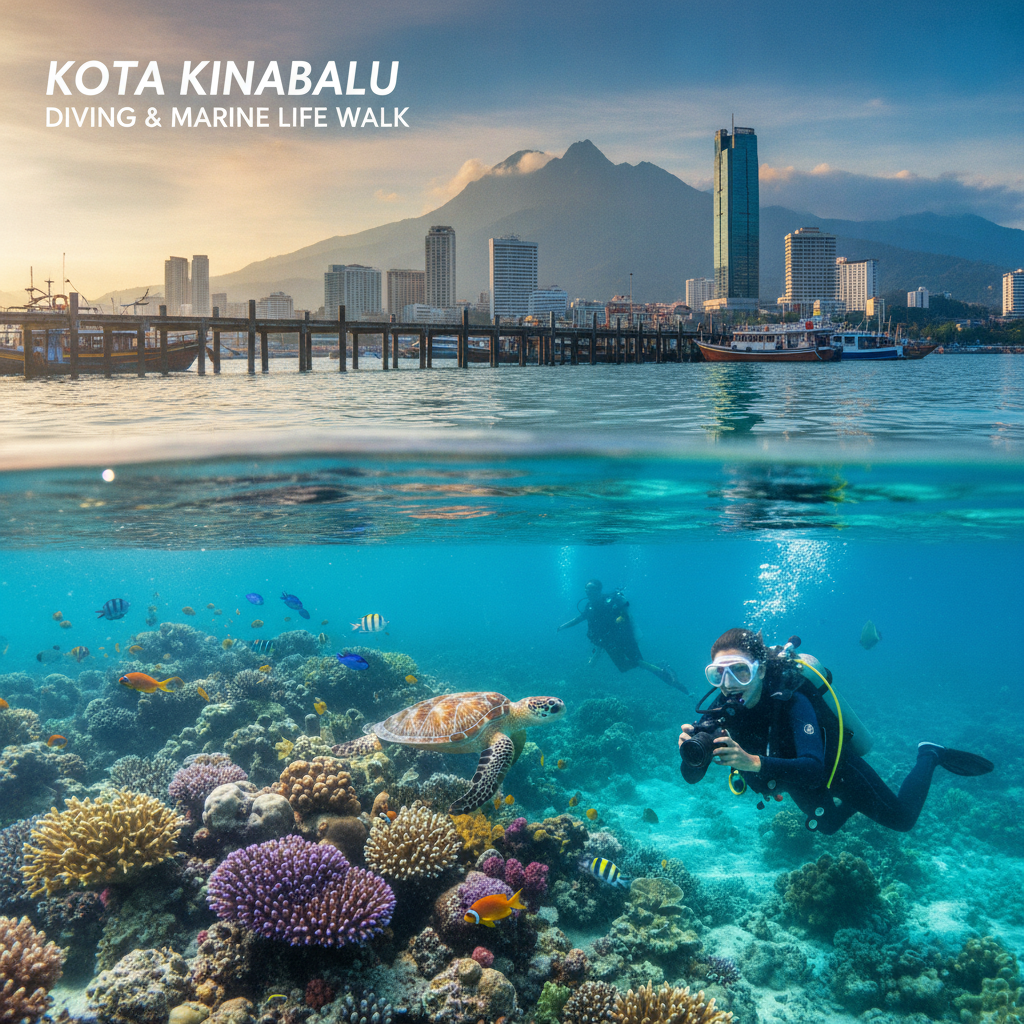
The Tunku Abdul Rahman Marine Park has active coral restoration programmes to address the reef damage caused by decades of tourist use, anchor damage, and coral bleaching events — the coral nursery projects growing coral fragments on underwater frames before transplanting them to degraded reef areas are conducted by NGOs and dive operators working in the park. The restoration work provides context for understanding the pressures on urban proximity marine parks throughout Southeast Asia, where the economic importance of tourism conflicts with the reef health that makes snorkelling and diving viable.
- 6
KK Sunset from Island
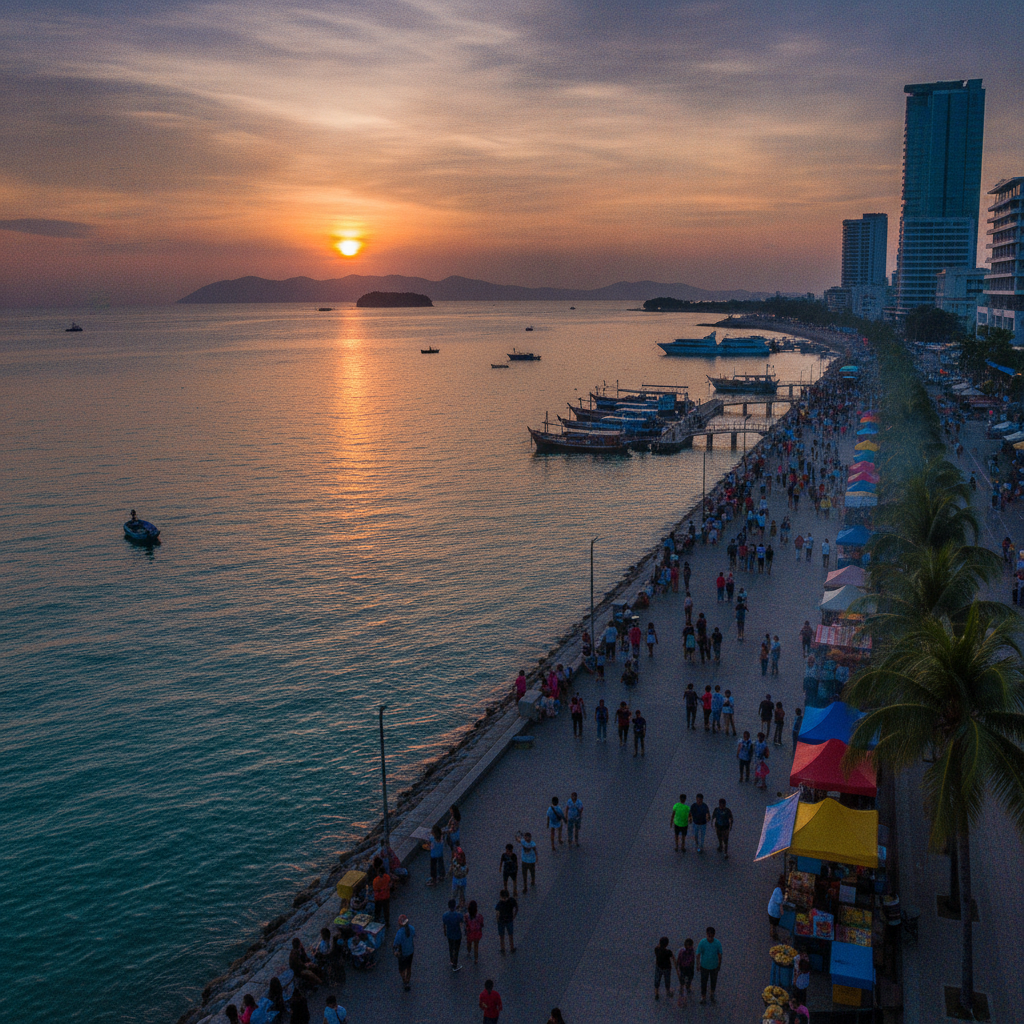
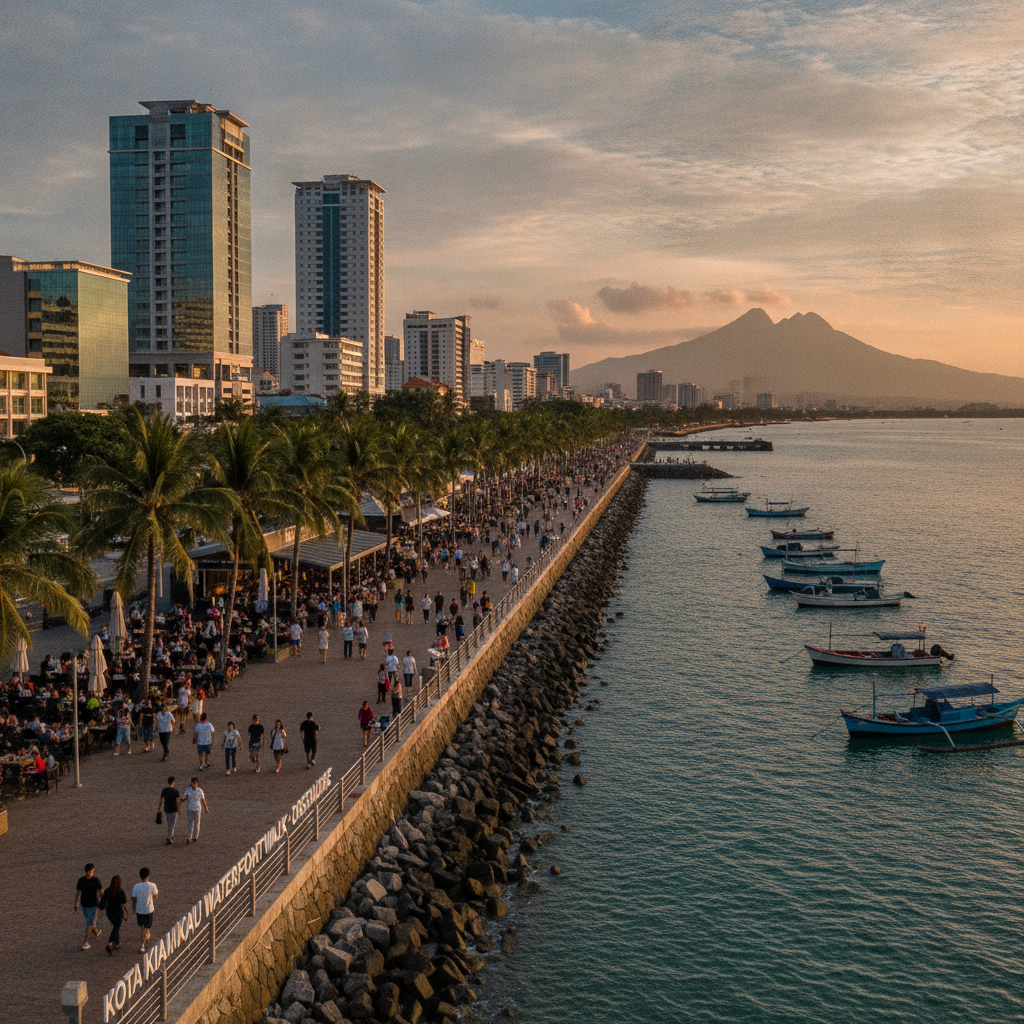
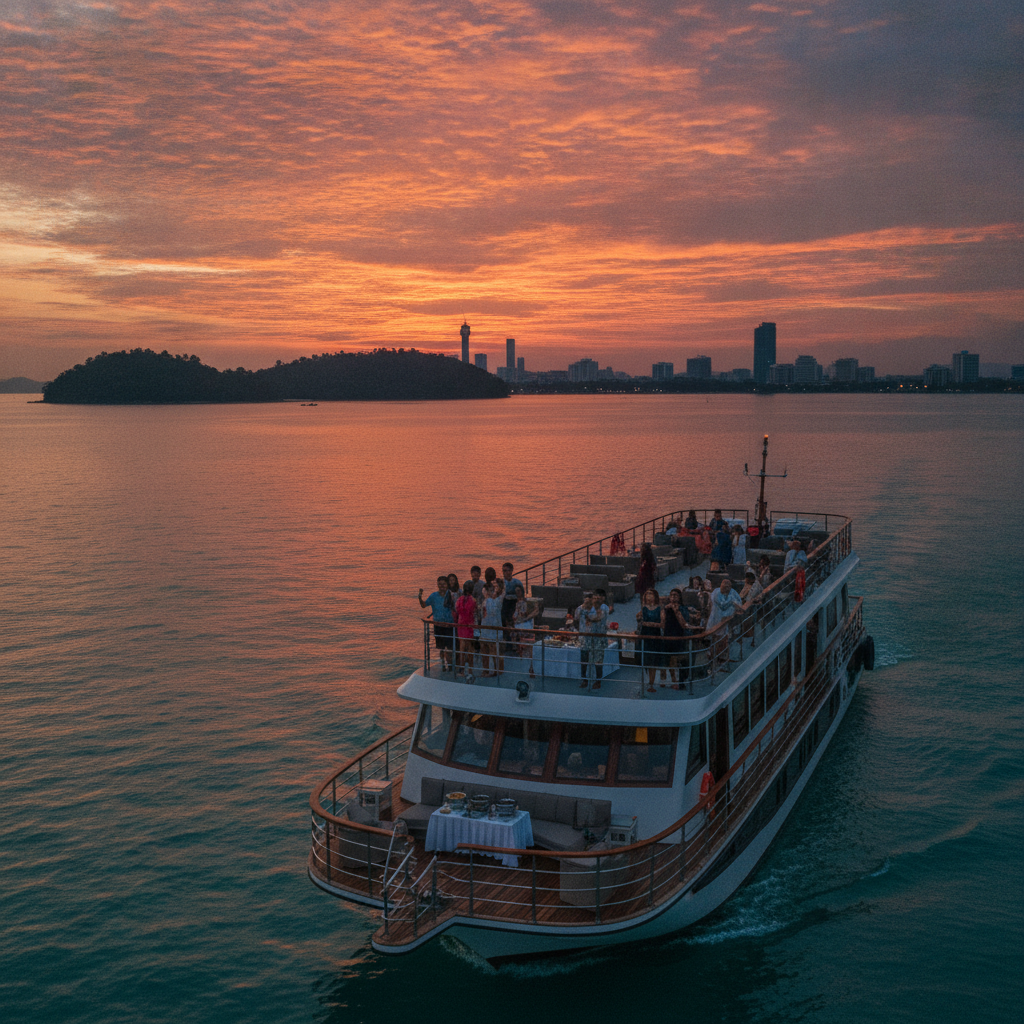
The view from any of the Tunku Abdul Rahman Marine Park islands back toward the Kota Kinabalu city waterfront at sunset provides an unusual perspective — the city skyline backed by the mountains of the interior (including the distant peak of Mount Kinabalu on clear days) seen across the South China Sea from an island position reverses the usual viewpoint and reveals the geographic context of KK's coastal position between the sea and the mountain. The last boats returning from the islands as the sun sets provide the social endpoint of the island day trip experience.
Walk this route with audio
Stories play automatically as you reach each stop — no tapping needed.