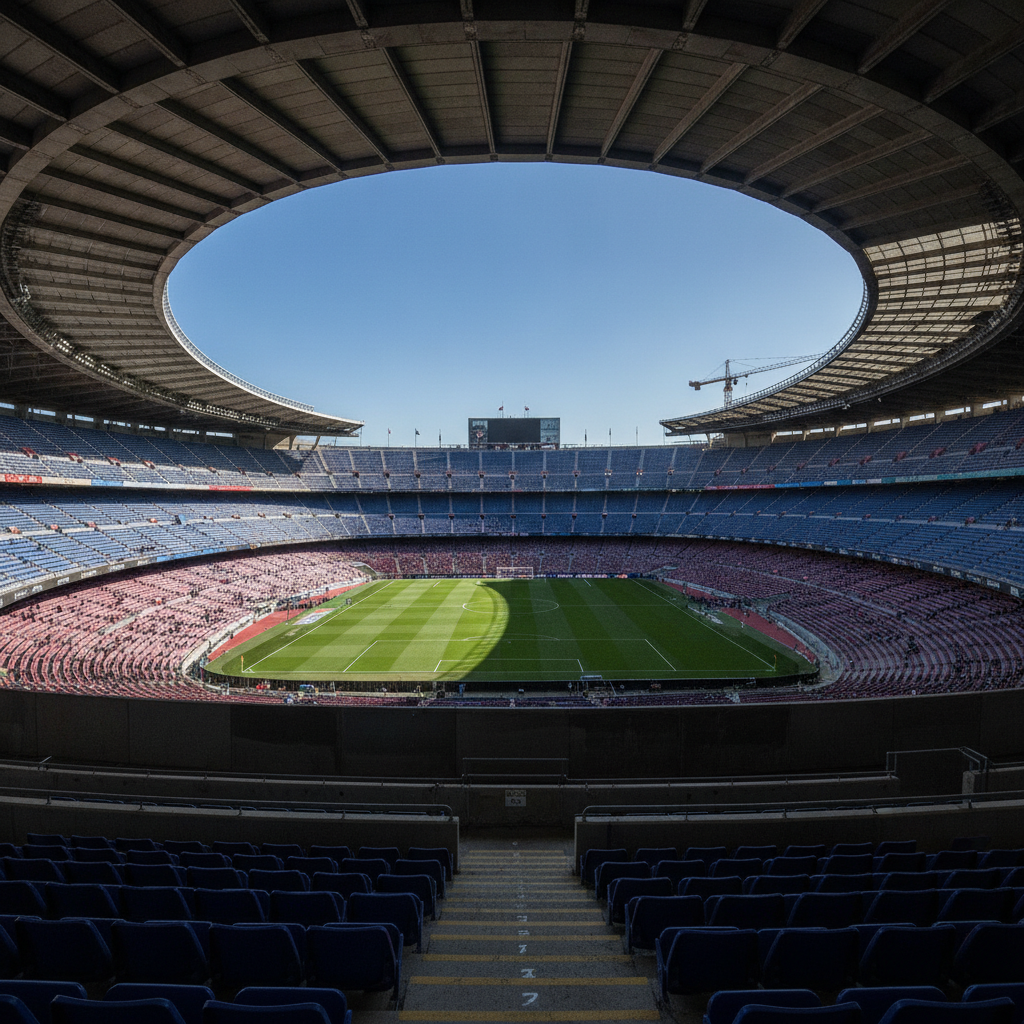

Pedralbes, Camp Nou & Sarrià: Barcelona's Quiet Upper City
The upper-left quadrant of Barcelona — the neighborhoods of Pedralbes, Les Corts, Sarrià, and the zone along the Avinguda Diagonal beyond the Eixample — is the least-visited part of the city by tourists and the most revealing of how Barcelona's elite actually live. This is where the city's wealthiest families have always lived: in the Pedralbes neighborhood of early 20th-century villas and gardens, in the mansion zone around Sarrià, in the large apartments along the Diagonal. The route connects two of Barcelona's most significant but undervisited destinations — the Gothic monastery of Pedralbes (14th century, largely untouched) and the CosmoCaixa science museum (perhaps the best science museum in southern Europe) — with Camp Nou, the largest stadium in Europe, and the leafy residential streets that give this part of the city its particular character: prosperous, quiet, green, and emphatically Catalan.
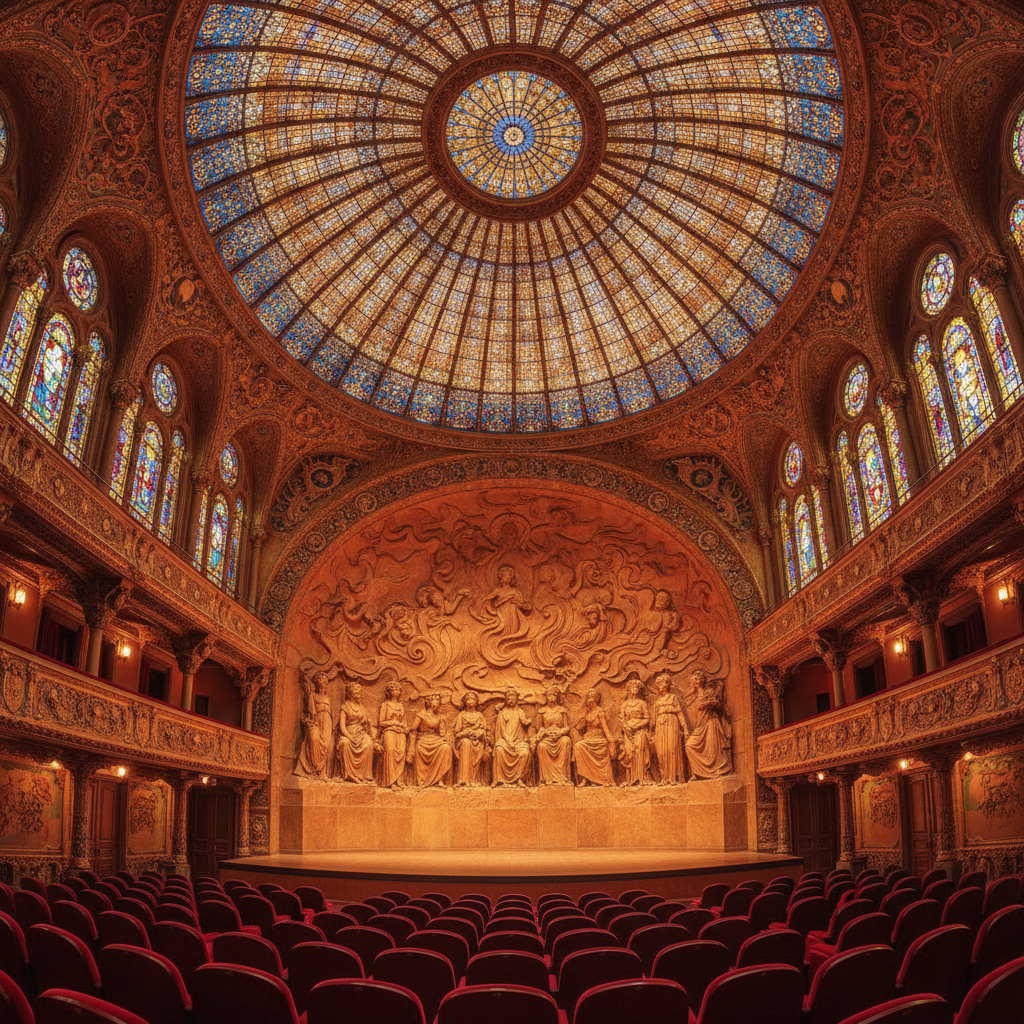
Palau de la Música & Sant Pere: The Greatest Concert Hall in Spain and the City of Iron
The neighbourhood of Sant Pere, between the Gothic Quarter and El Born, contains two of Barcelona's most extraordinary buildings — the Palau de la Música Catalana (1908) and the Mercat de Santa Caterina (2005) — as well as the old administrative center of the medieval city around the Arc de Triomf and one of Barcelona's most undervisited green spaces, the Parc de la Ciutadella. The Palau de la Música, a UNESCO World Heritage Site, is the only concert hall in the world lit entirely by natural light during the day; the Santa Caterina market is one of the finest examples of contemporary urban architecture in Spain.
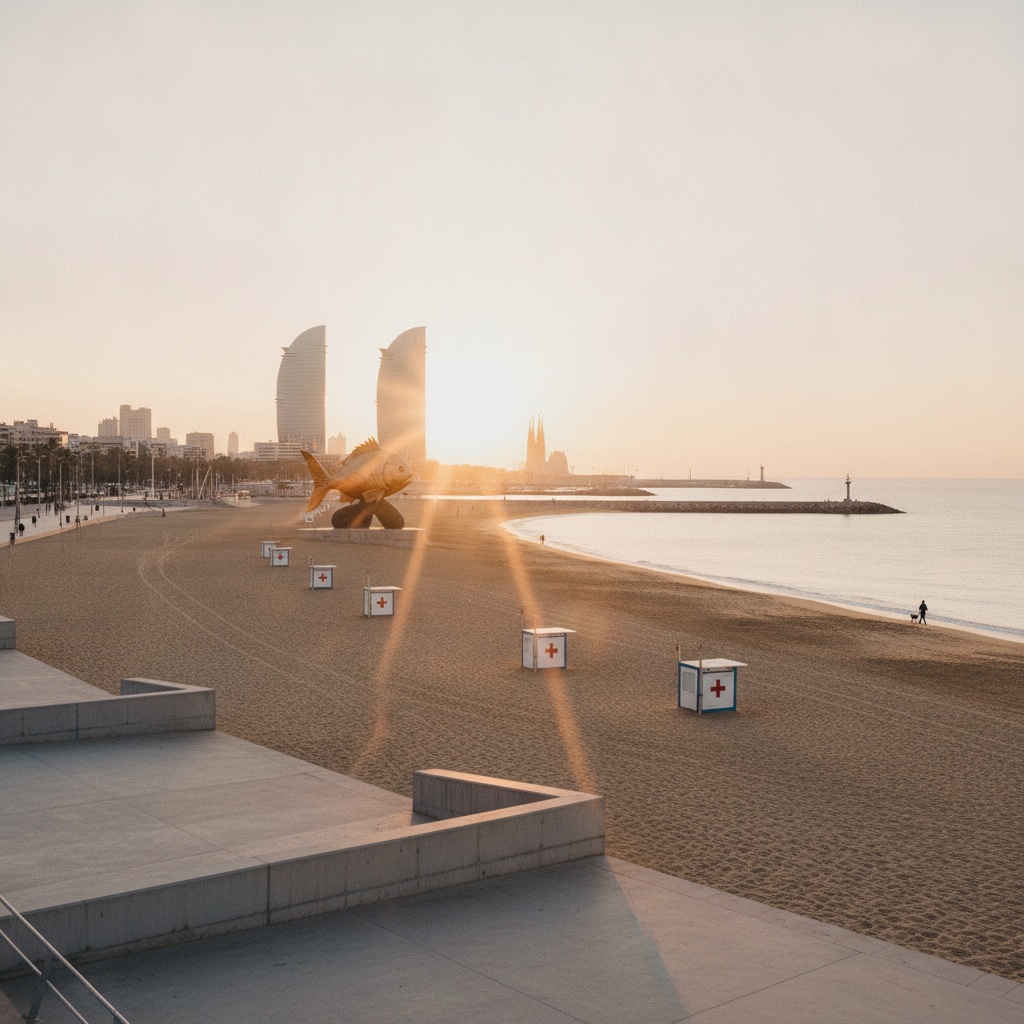
Barceloneta & the Olympic Waterfront: From Columbus to the Mediterranean
Barcelona's relationship with its own waterfront was, for most of its history, one of the great urban paradoxes of European cities: a Mediterranean port city in which the sea was functionally invisible to most residents, cut off by industrial railway lines, warehouses, and the working port infrastructure. The transformation of the 5-kilometer waterfront from the Columbus Monument to the Forum site — carried out principally for the 1992 Olympic Games — is one of the most successful urban renewal projects of the late 20th century, restoring to the city beaches, promenades, parks, and port facilities that had been severed from the urban fabric since the mid-19th century. This route follows the waterfront from the Port Vell (old port) through the 18th-century neighborhood of Barceloneta to the Olympic Village marina and back through the Parc de la Ciutadella.
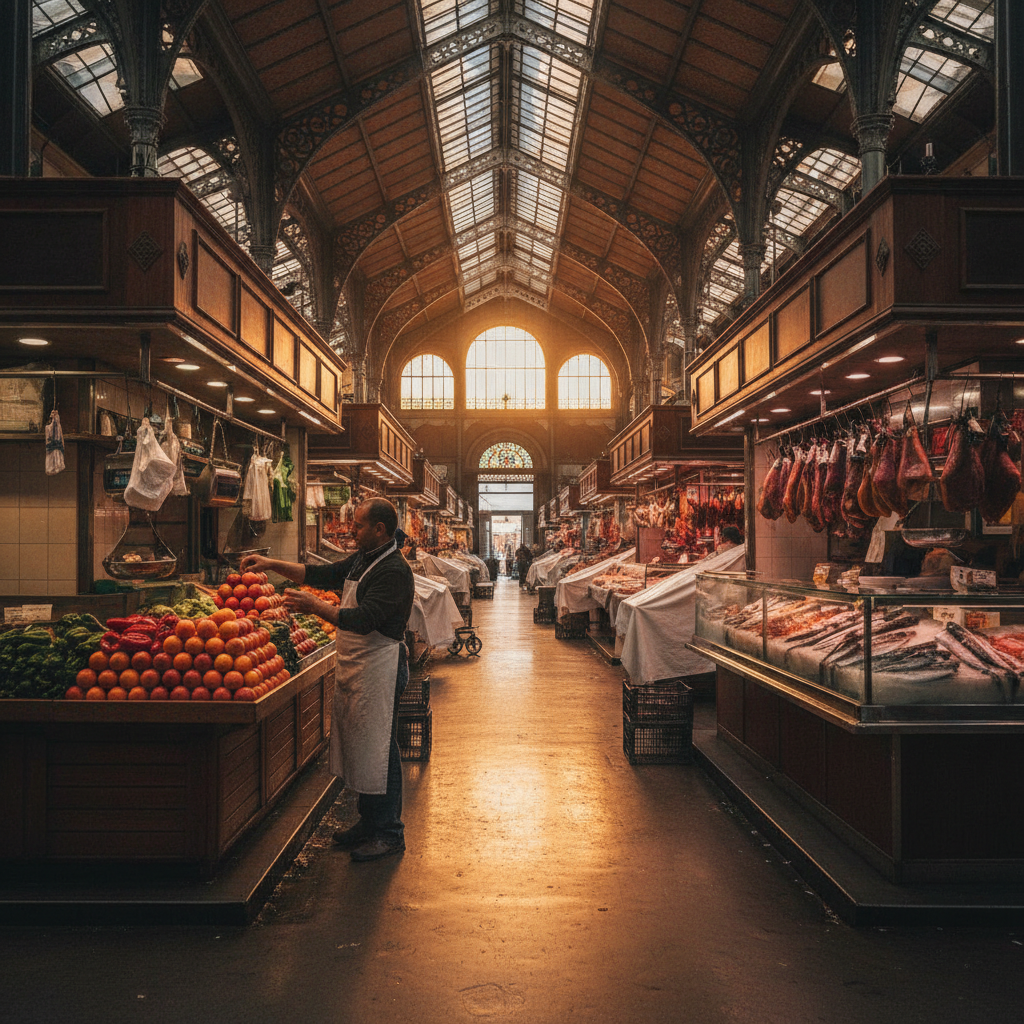
La Rambla, Boqueria & El Raval: The Street, the Market, and the Other Barcelona
La Rambla — the 1.2-kilometer pedestrian boulevard running from Plaça de Catalunya to the Columbus Monument and the sea — is simultaneously the most famous street in Spain and one of the most written-about urban spaces in the world. George Orwell described it in Homage to Catalonia (1938) as 'a wide tree-lined boulevard where the crowds are always thick' and 'the only street I have ever been in that I felt truly sorry to leave.' Today it is also one of the most pickpocketed streets in Europe. Adjacent El Raval, long Barcelona's most stigmatized neighborhood (historically the site of convents, the prison, a hospital for the poor, and a red-light district), has been dramatically transformed since the 1990s into a cultural district of the first order: MACBA, CCCB, the Filmoteca de Catalunya, and dozens of independent restaurants and galleries make it one of the most culturally dense neighborhoods in the city.