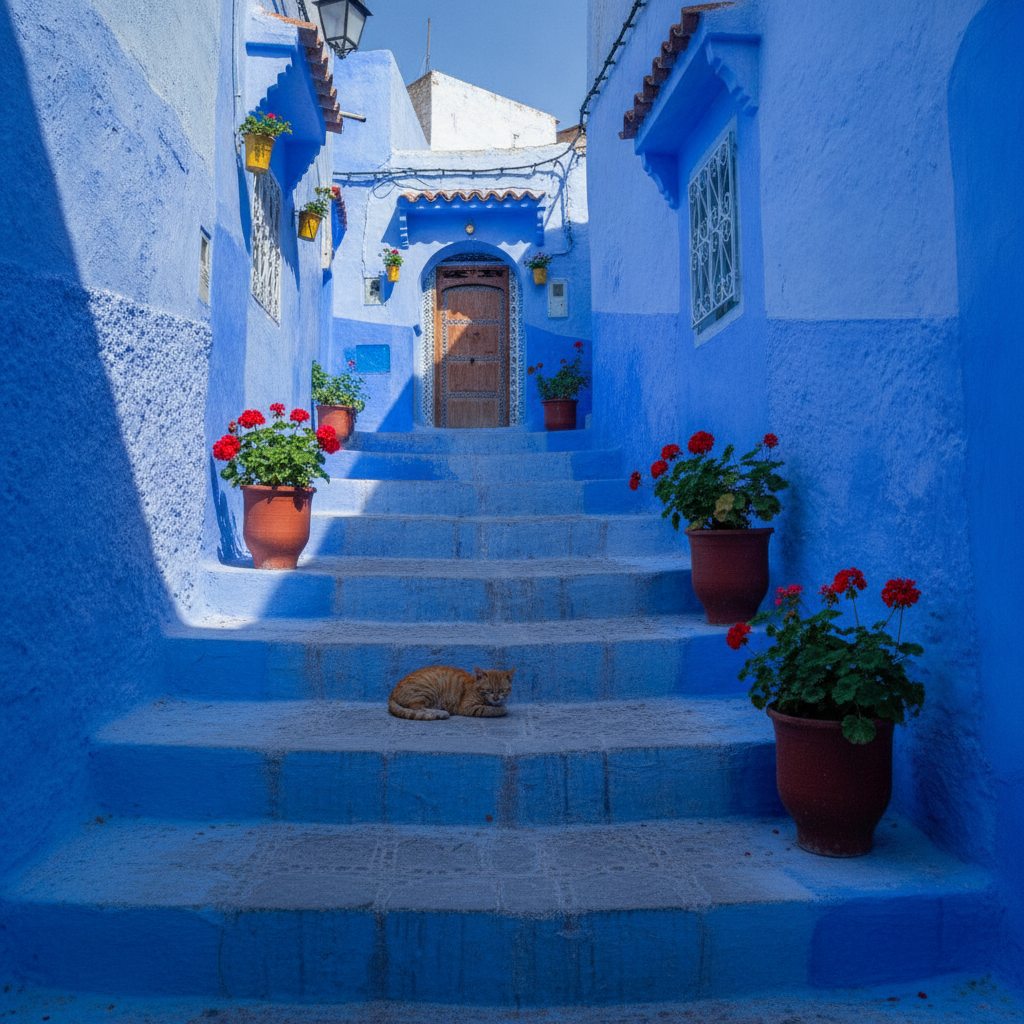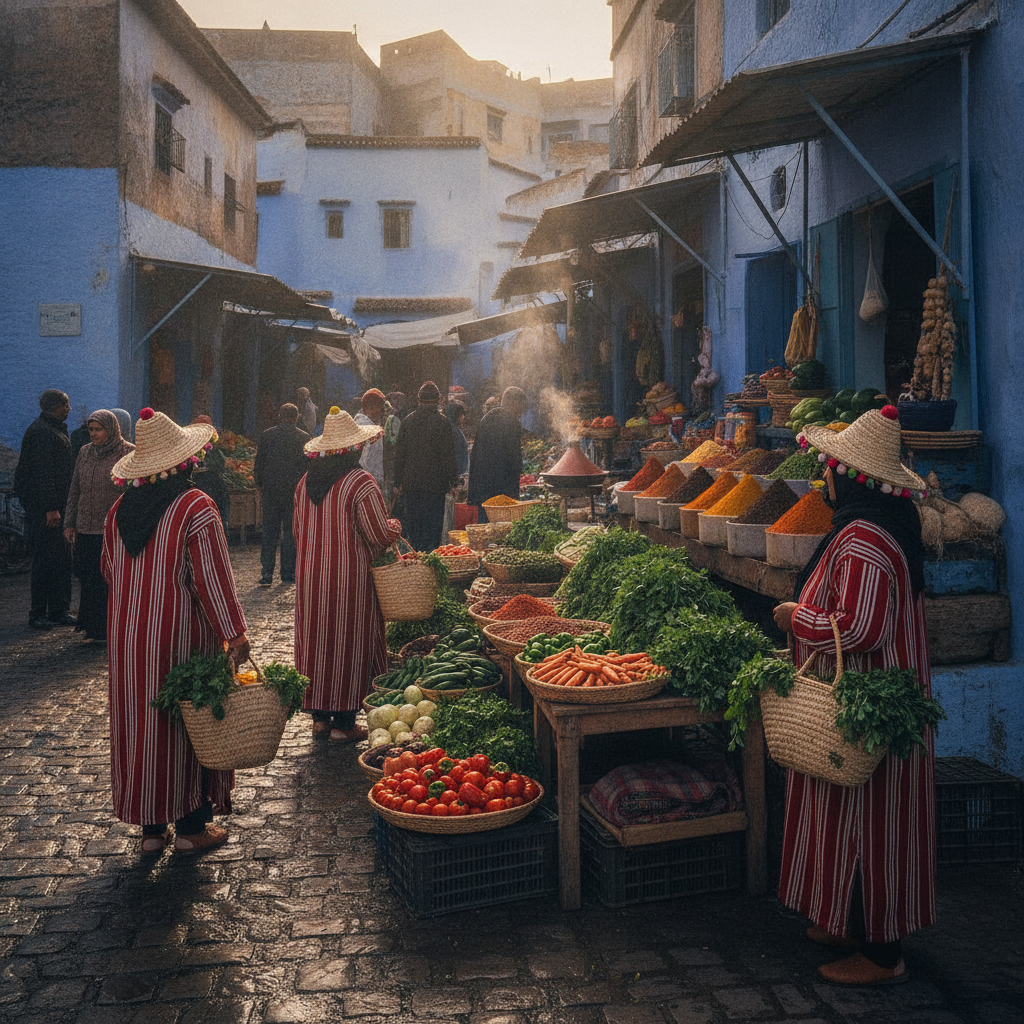
Chefchaouen Food and Daily Life: Rif Berber Cuisine, the Harira Soup Tradition, the Msemen Flatbread Breakfast, the Mountain Trout, the Wild Herb Tea Culture, and the Medina Daily Life Rhythm
The Chefchaouen food and daily life route covers the Rif Berber cuisine distinct from the lowland Moroccan cooking, the harira soup as the essential medina breakfast, the msemen flatbread at the morning market, the Rif mountain trout from the Laou River, the wild herb tea culture, and the Chefchaouen medina daily life rhythm from the sunrise prayer to the evening square.
- 1
Rif Berber Cuisine: The Mountain Food Tradition
The Rif Berber cuisine of the Chefchaouen area differs from the lowland Moroccan Arab cooking in its heavier use of the mountain herbs (wild thyme, rosemary, spearmint, sage), the olive oil as the primary fat over the butter, the chicken and the lamb over the beef, and the simple tagine of the mountain vegetable without the complex spice blend of the Marrakech and the Fes court cuisine. The Chefchaouen medina restaurant cuisine is the most directly Rif Berber of any Moroccan city and the most honest single expression of the subsistence agricultural cooking of the Rif mountain community.
- 2
Harira: The Essential Moroccan Soup
Harira, the thick tomato, lentil, chickpea, and lamb soup spiced with the coriander, the celery, the ginger, and the smen (fermented butter) and thickened with the flour and the egg liaison, is the most fundamental single dish in the Moroccan culinary tradition as the soup that breaks the Ramadan fast at the Maghrib prayer and the soup served at every Moroccan celebration from the wedding to the birth. The Chefchaouen harira, served with the honey-dipped sfenj (fried dough ring) in the morning medina cafes from 6am, is the most filling and the most warming single breakfast in the Rif mountain cold morning climate.
- 3
Msemen: The Layered Flatbread Breakfast
Msemen, the square multilayered flatbread made by folding the oiled and semolina-dusted dough over itself and pan-frying to create the most flaky and buttery single flatbread in the Moroccan baking tradition, is the defining Chefchaouen breakfast food served hot from the morning market grills with the local argan oil, the Rif mountain honey, and the soft fresh goat cheese. The Chefchaouen morning market msemen grills on the market square below the medina represent the most authentically social single breakfast scene in any Moroccan mountain city with the neighbors gathering at the grill before the morning prayer and the market opening.
- 4
Rif Mountain Trout: The River Catch
The Rif mountain rivers including the Laou and the Oued Kelaa above Chefchaouen support wild brown trout populations in the most productive single mountain trout fishery in Morocco. The Akchour area restaurants serve the grilled Rif mountain trout from the river beside the restaurant with the chermoula marinade of the coriander, the garlic, the cumin, the paprika, and the olive oil that is the most distinctively Moroccan single fish marinade. The Rif mountain trout is the freshest single fish available at any Moroccan highland destination and the meal most associated with the Chefchaouen and Akchour area by the domestic Moroccan visitor.
- 5
Wild Herb Tea: The Rif Mountain Pharmacy
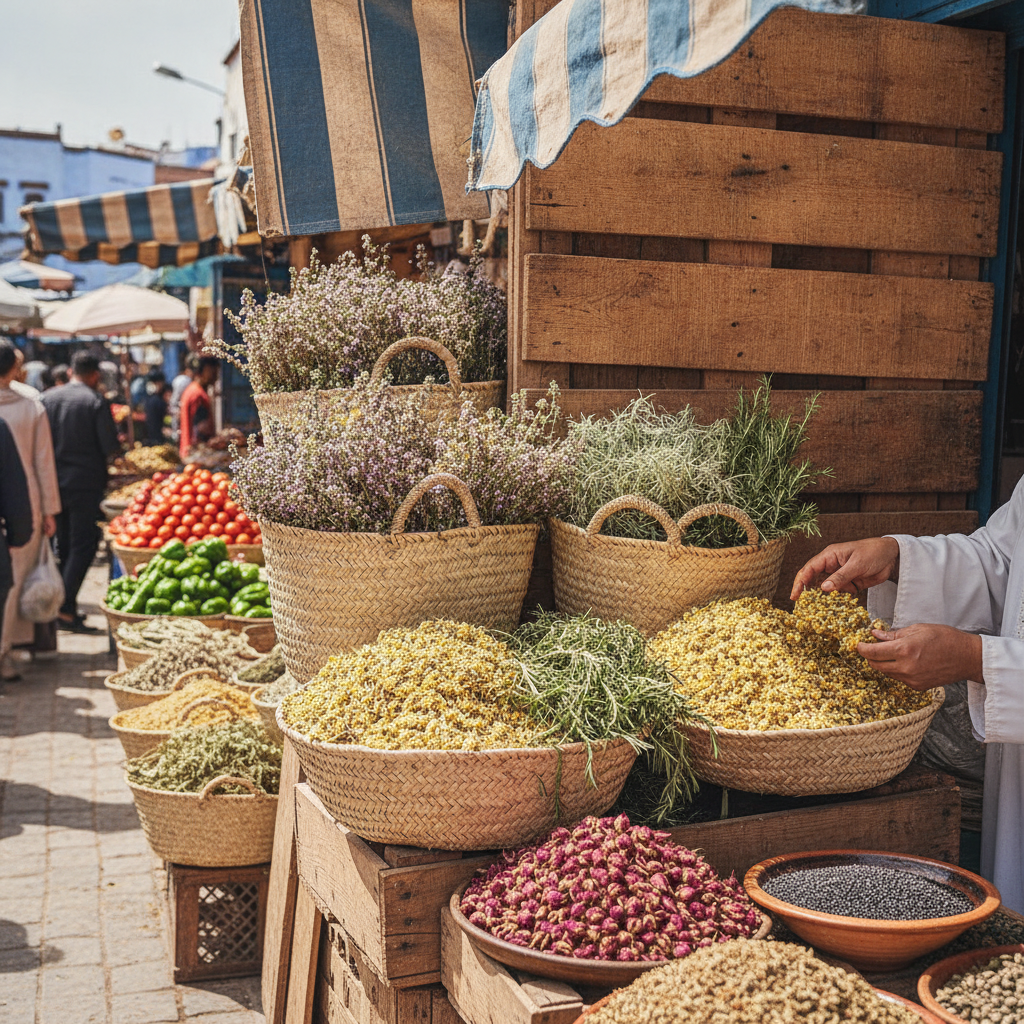
The Rif mountain herb tea tradition, the most pharmacopoeially rich single herbal medicine system in Morocco, uses the wild thyme (zaater), the rosemary (iklil), the spearmint (naanaa), the sage (salmiya), the wormwood (shih), and the pennyroyal (fliou) gathered from the Rif mountain slopes in the herbal teas that the Chefchaouen medina herbalist (attarine) shops sell as the most complete single herb pharmacy in the Moroccan mountain cities. The attarine shop in the Chefchaouen medina is the most aromatically diverse single retail environment in the Rif mountain area and the most productive single source for the Moroccan herbal medicine knowledge.
- 6
Chefchaouen Medina Daily Rhythm: The Authentic Pace
The Chefchaouen medina daily life rhythm - the 5am Fajr call to prayer from the Kasbah mosque, the 6am morning market and the harira breakfast, the 8am school children crossing the blue lanes, the 10am tourist arrival, the 1pm Friday prayer silence, the 3pm afternoon tea pause, the 7pm Maghrib prayer and the square filling, the 9pm tagine dinner at the restaurant terrace - is the most completely documented single daily urban schedule in any Moroccan medina and the rhythm that the visitor who stays 2 nights rather than the day-trip hour most completely experiences.
Walk this route with audio
Stories play automatically as you reach each stop — no tapping needed.
More in Chefchaouen
The Chefchaouen Jewish Community Spoke Haketia (15th Century Castilian Spanish) for 430 Years After the 1492 Expulsion and Spanish Military Officers Who Entered the City in 1920 Could Understand the Jewish Residents; The Rif Mountain Wild Thyme Honey Is the Primary Product of Chefchaouen's Traditional Agricultural Economy; Chefchaouen Receives 300,000-400,000 Visitors Per Year in a 0.4 km2 Medina
The Jebala Berbers of Chefchaouen's Western Rif Mountains Have Largely Lost Their Tamazight Language to Arabic Over the 17th-18th Centuries But Maintain a Distinct Cultural Identity in Dress, Music, and Agricultural Practices; Chefchaouen Spring (March-May) Offers the Best Combination of Wildflower Bloom, Mild Temperatures, Good Light, and Moderate Crowds; The Ouezzane Wazzaniyya Sufi Zawiya 44 km South of Chefchaouen Was Historically One of the Most Powerful Religious-Political Institutions in Morocco
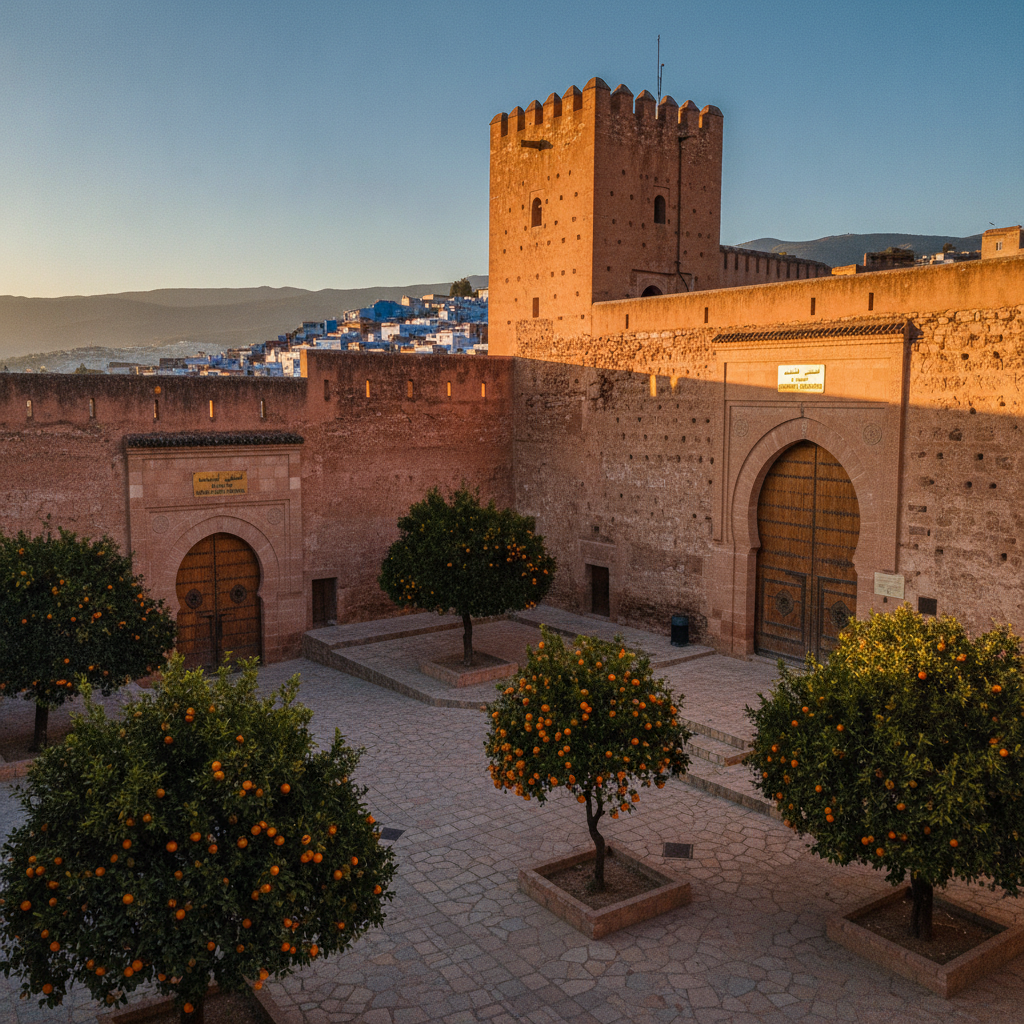
Chefchaouen History: The Spanish Protectorate Era, the Rif War and Abd el-Krim, the Closed City Period, the Independence and Reopening, and the Bilingual Spanish-Arabic Culture
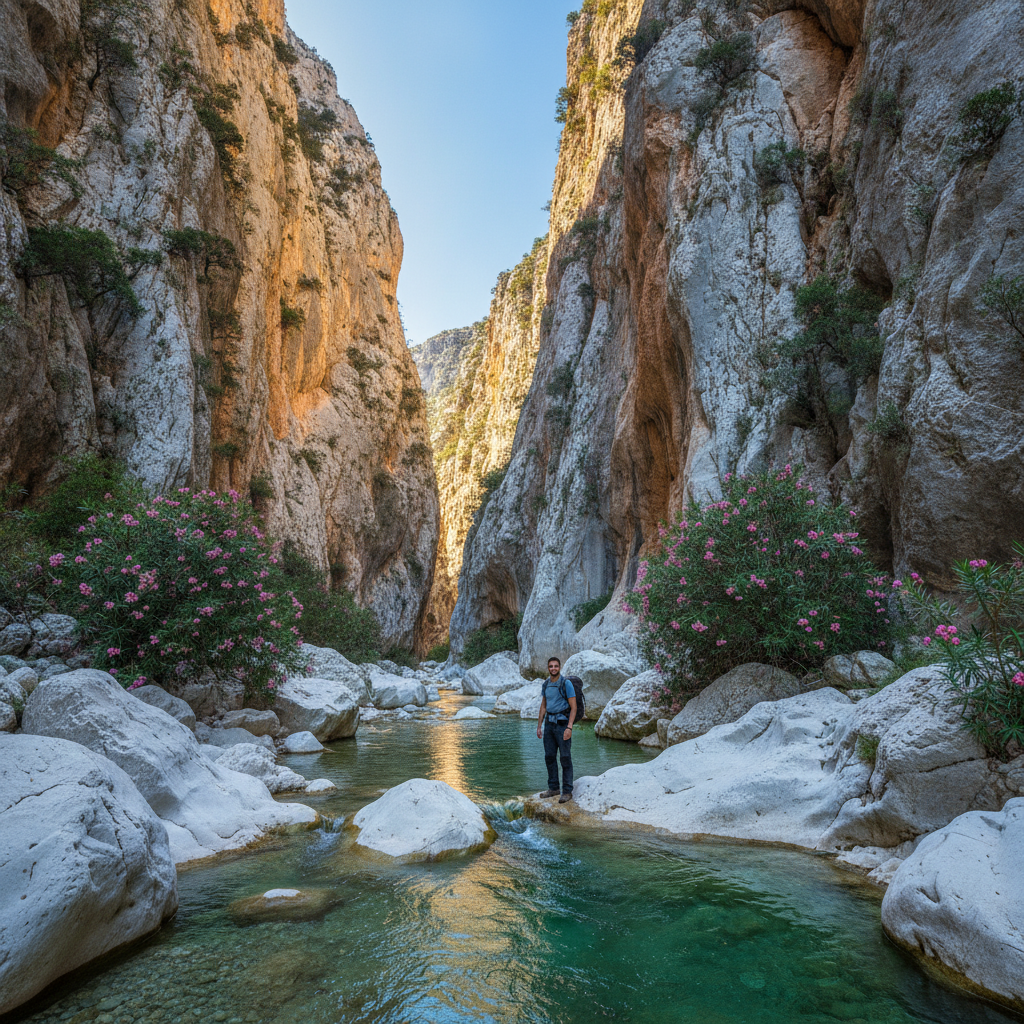
The Talassemtane National Park Protects the Only Significant Moroccan Population of the Abies Pinsapo Spanish Fir Tree Whose Primary Habitat Is the Sierra de las Nieves in Southern Spain; Chefchaouen Medina Was Described by Spanish Military Officers Entering in 1920 as the Most Perfectly Preserved Medieval Andalusian City Outside Andalusia Itself; The Beat Generation Writers Paul Bowles William S. Burroughs and Allen Ginsberg Were All Connected to Tangier During Its International Zone Period (1923-1956)
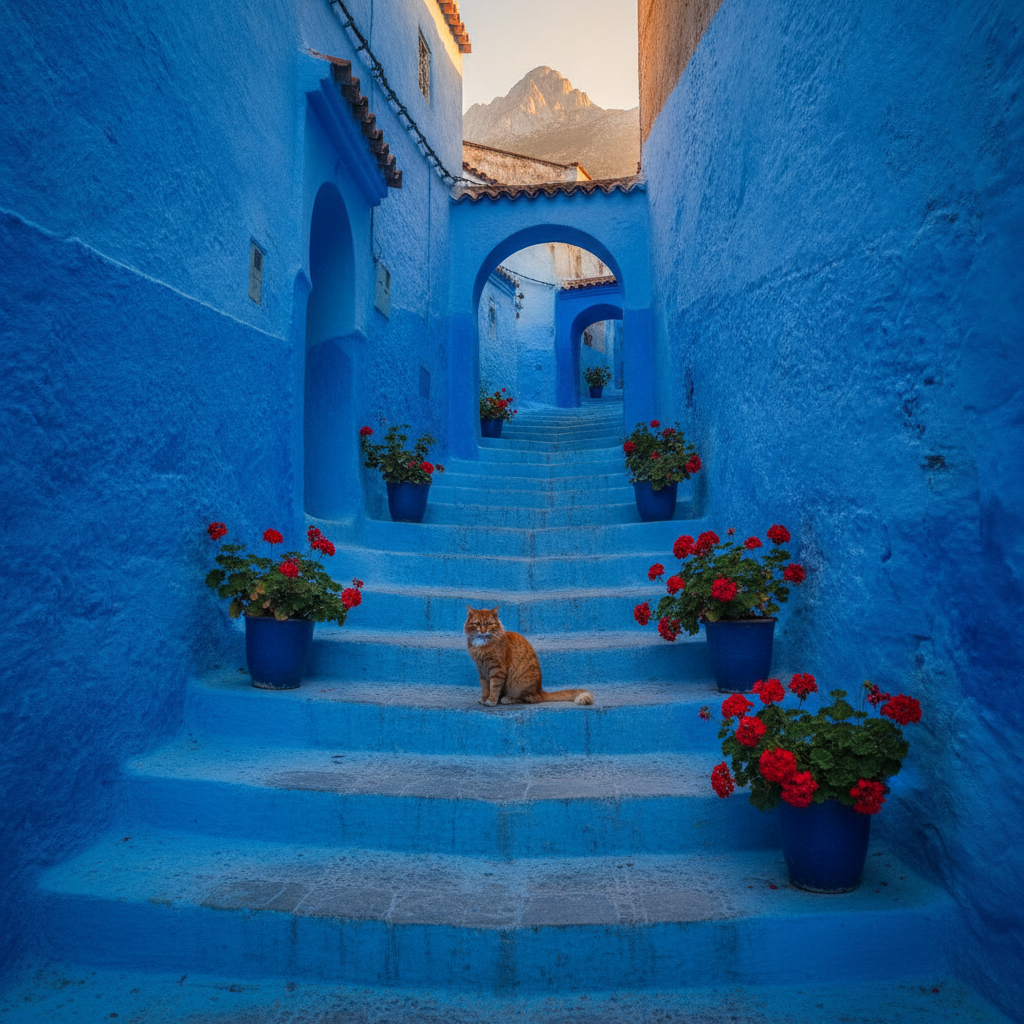
Chefchaouen's Blue Medina May Have Been Painted Blue By Jewish Refugees From the 1492 Spanish Expulsion Who Painted Doorways the Color of Heaven; The Rif Mountains Produce Approximately 40-60% of the Hashish Consumed in Europe With 90,000 Farming Families Dependent on Cannabis Cultivation; Morocco Legalized Cannabis Cultivation Under License in 2021 After Decades of the Largest Illegal Cannabis Production Zone in the World