Chefchaouen Essential: The Blue-Painted Medina, the Uta el-Hammam Central Square, the Kasbah, the Rif Mountain Setting, the Photography Paradise, and the Blue Washing Tradition
The Chefchaouen essential circuit covers the blue-painted medina as the most photographically distinctive single urban environment in Morocco, the Uta el-Hammam central square with the Kasbah and the Grand Mosque, the mountain setting in the Rif range, the blue washing tradition origin story, and the photography culture that has made Chefchaouen the single most Instagram-posted Moroccan location.
- 1
The Blue Medina: The Most Photographed Moroccan City
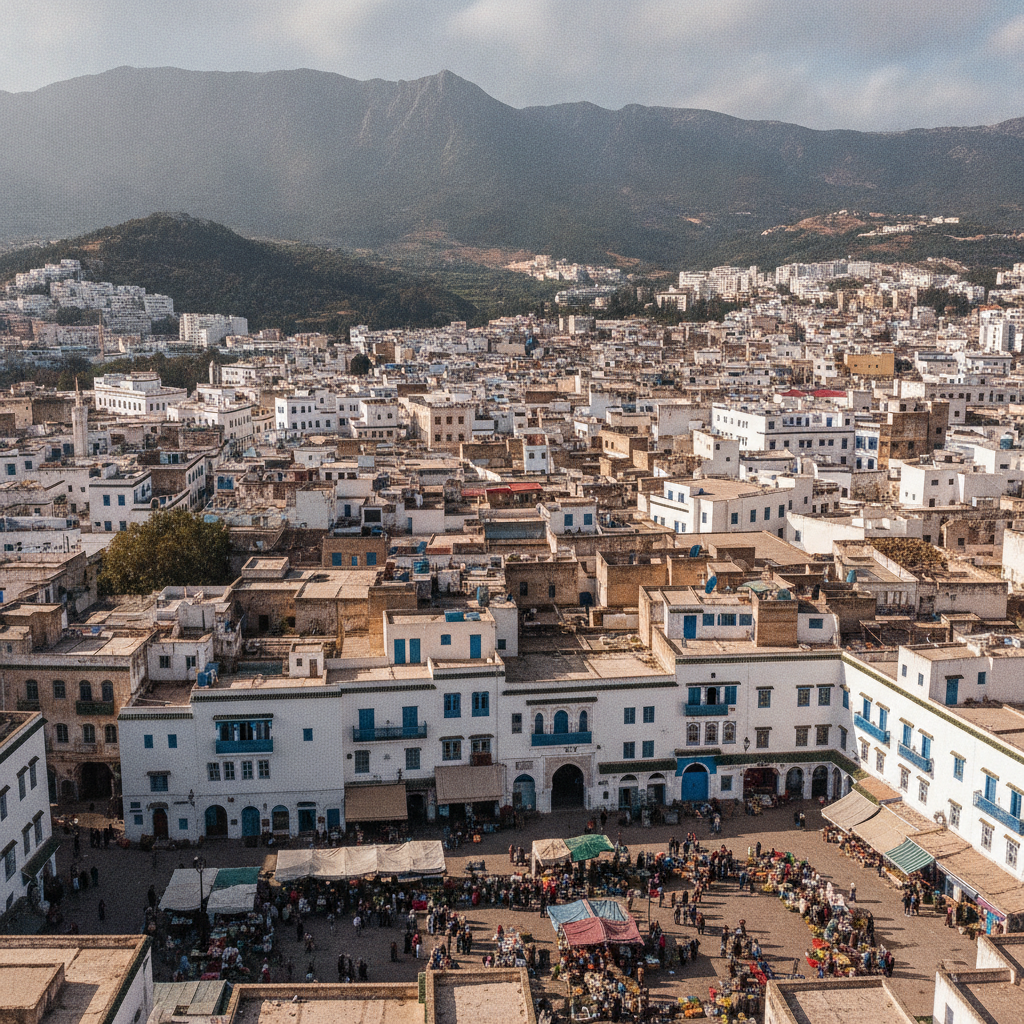
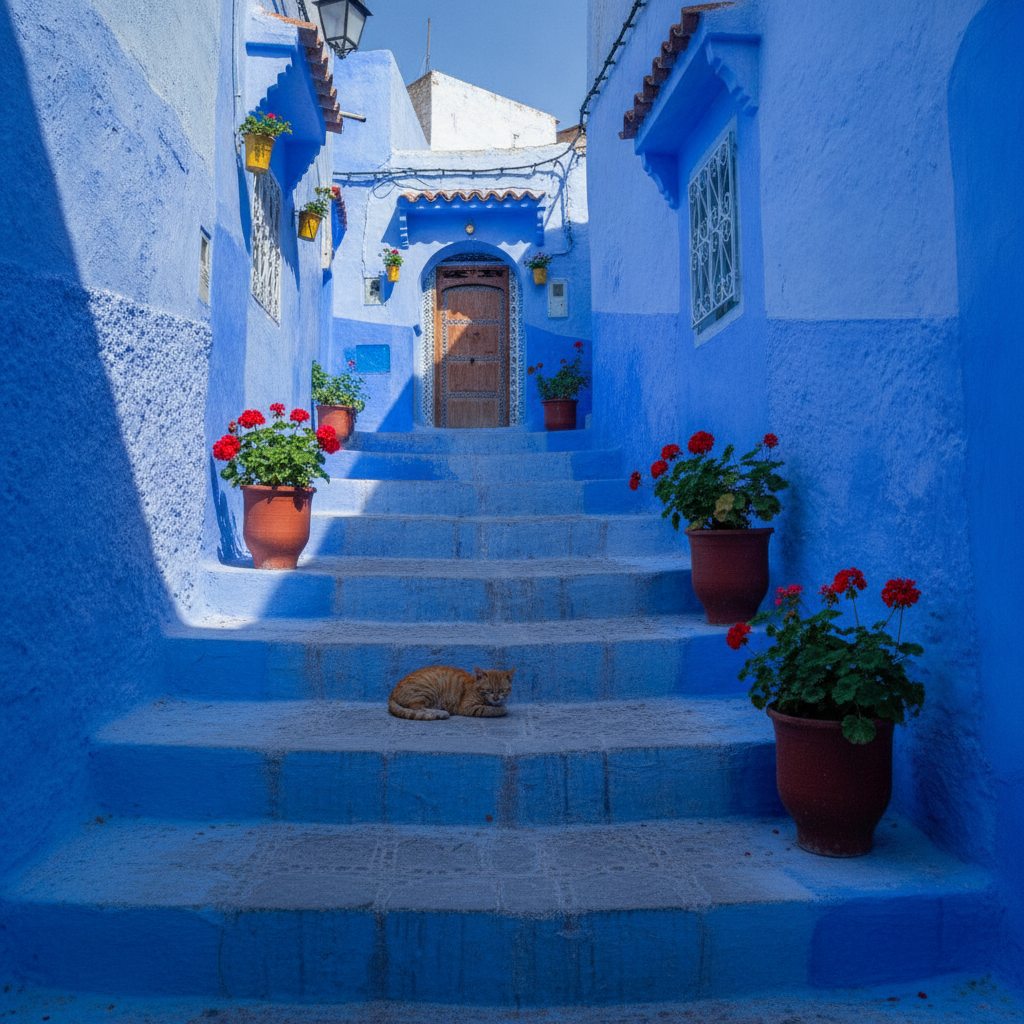
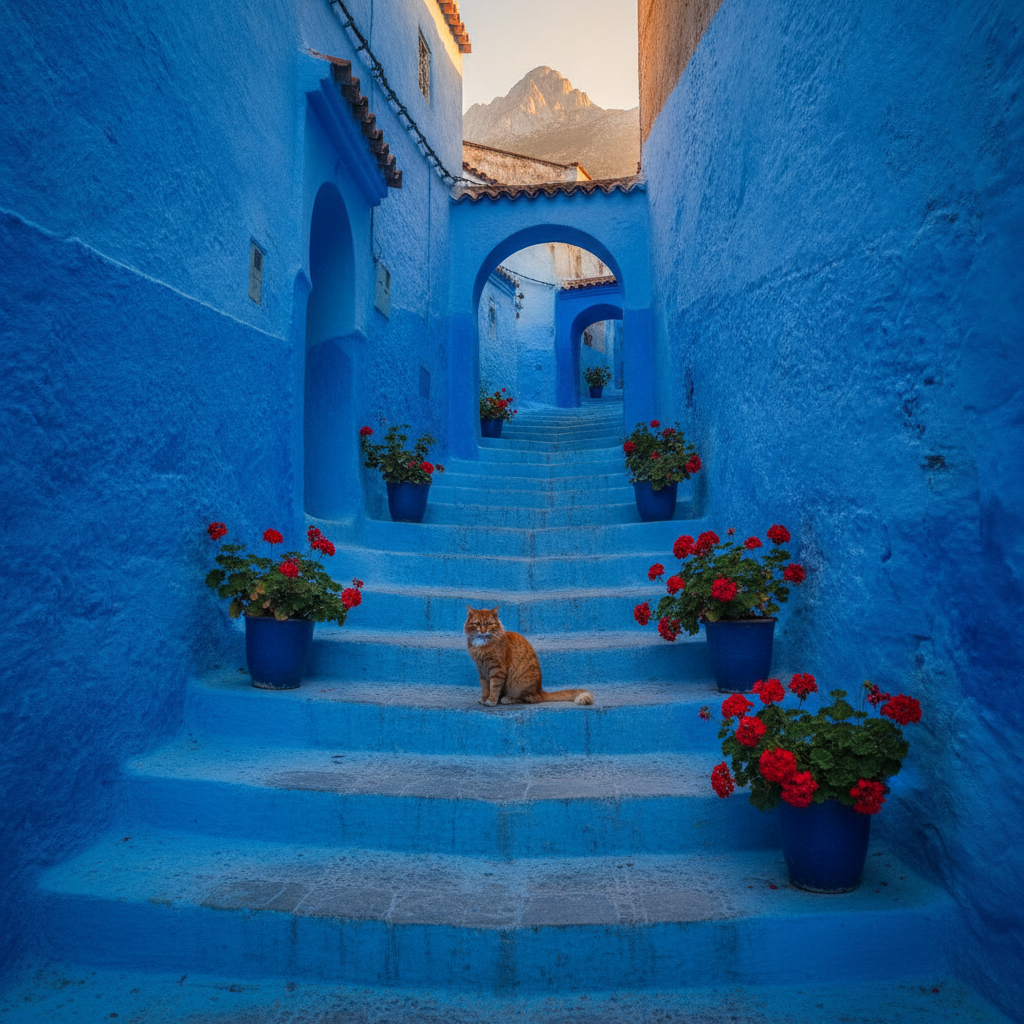
Chefchaouen (Chaouen, the Blue City), the mountain medina in the Rif range 200 kilometers from Fes and 120 kilometers from Tangier, is the most photographically distinctive single urban environment in Morocco with the medina walls, staircases, lanes, flowerpots, and doorways painted in every shade of blue from the pale sky blue to the deep cobalt and indigo. The blue color tradition, applied to the building exteriors by the medina residents who repaint annually before Ramadan, creates the most coherent single urban color identity in the world and the most immediately recognizable single city image in all of North Africa.
- 2
Origin of the Blue: The Jewish Refugee Theory
The origin of the Chefchaouen blue is the most debated single decorative tradition in Moroccan urban history. The most cited explanation is that the Jewish refugees expelled from Spain in 1492 and settled in Chefchaouen brought the tradition of painting the houses blue as the symbolic representation of the sky and the divine in the Jewish mystical tradition of Kabbalah. The alternative explanation is that the blue repels mosquitoes. The historical documentation of the pre-1930 Chefchaouen photograph archive in the Maison de la Photographie in Marrakech shows the medina in white and ochre rather than blue, suggesting the tradition developed in the 20th century rather than the 15th.
- 3
Uta el-Hammam Square: The City Center
The Uta el-Hammam (Bath Square) at the center of the Chefchaouen medina, the main square with the outdoor cafe terraces, the Kasbah entrance, the Grand Mosque minaret, and the mountain visible above the roofline, is the most atmospherically complete single central square in the Moroccan Rif mountain cities. The evening gathering on the Uta el-Hammam terrace with the kefta tagine and the mint tea while the medina residents cross the square and the last mountain light fades is the most socially atmospheric single evening experience in Chefchaouen.
- 4
Chefchaouen Kasbah: The Andalusian Garden
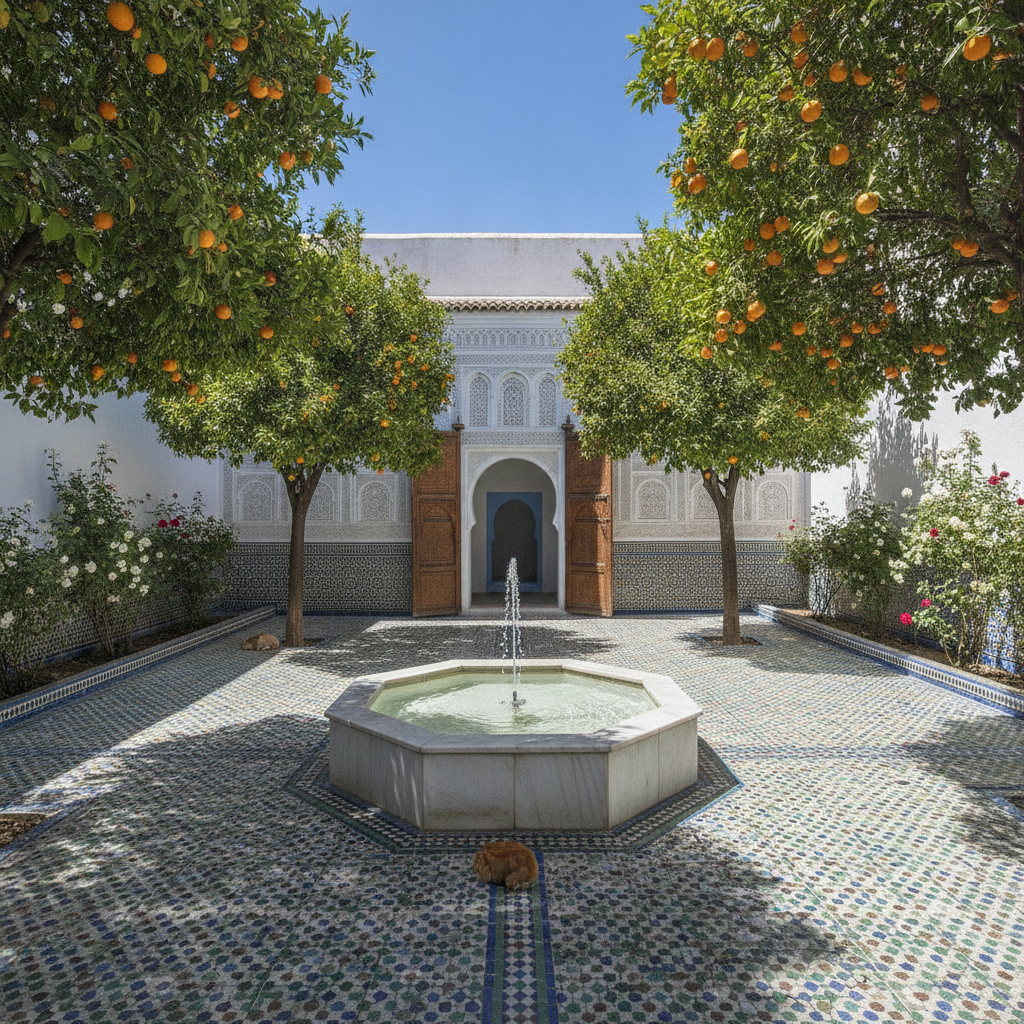
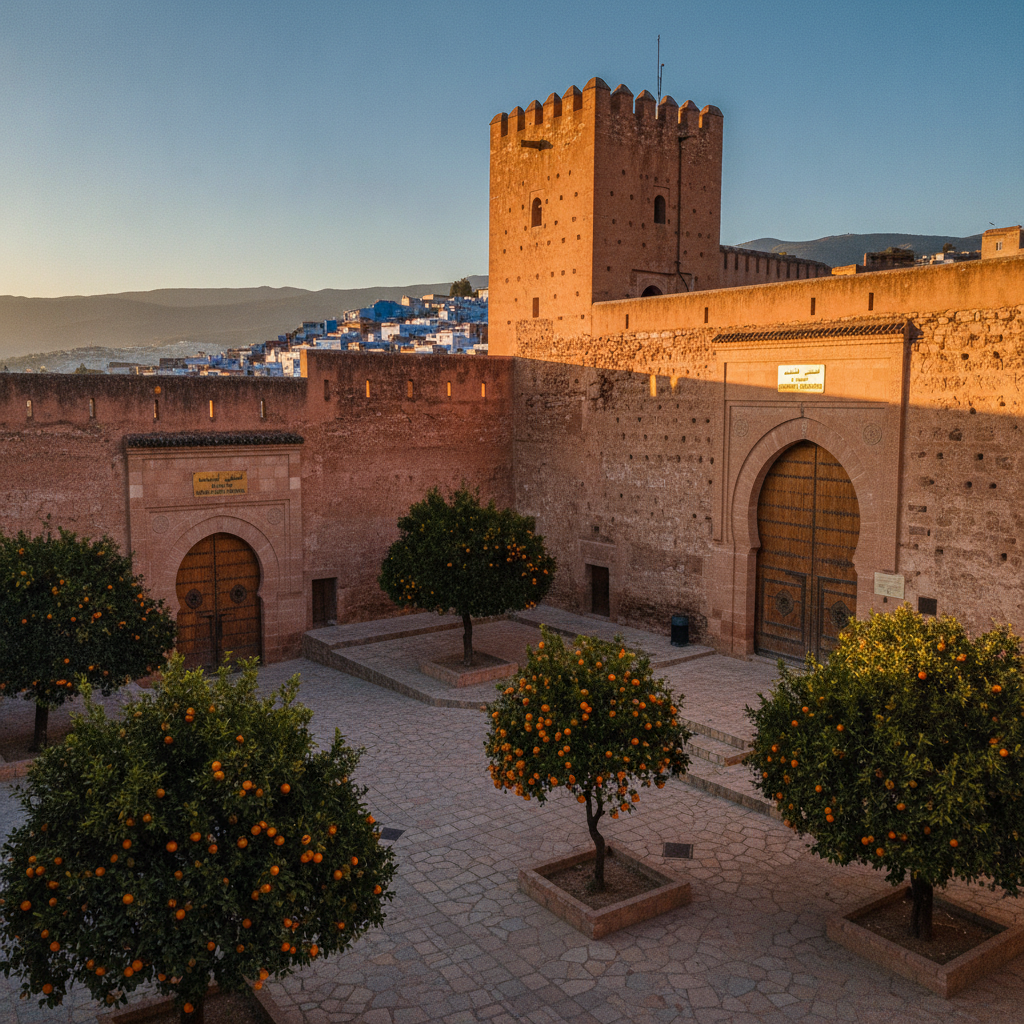
The Chefchaouen Kasbah, built in the 15th century by the Andalusian Muslim refugee Ali ibn Rashid who founded Chefchaouen in 1471 as a base for resisting the Portuguese expansion, contains the most pleasant single enclosed garden in the Rif mountain cities with the Andalusian-style fountain courtyard, the citrus and the bougainvillea plantings, and the ethnographic museum of the Rif Berber culture in the former prison. The Kasbah tower climb provides the single best rooftop view of the Chefchaouen medina blue roofscape and the surrounding Rif mountain landscape.
- 5
Rif Mountain Setting: The Valley Medina
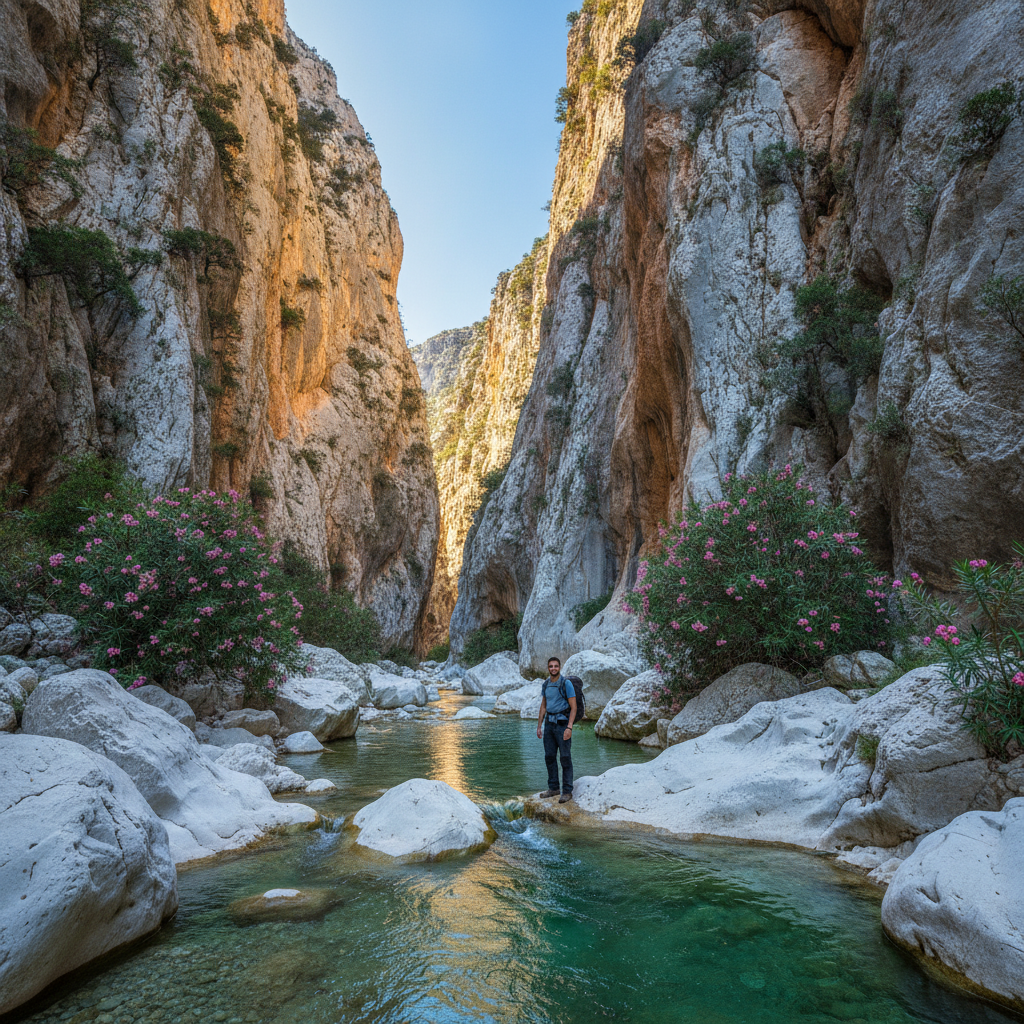
The Chefchaouen medina setting in the valley between the Jebel Kelaa and the Jebel Tisouka mountains of the Rif range at 600 meters altitude creates the most dramatically positioned single medina in Morocco with the mountain peaks (often snow-capped from December to March) visible above every medina lane and the mountain streams audible from the medina lanes. The Rif mountain ecosystem of the Spanish fir (Abies pinsapo), the Atlantic cedar, and the wild lavender provides the most fragrant single urban mountain environment and the most verdant single backdrop to any Moroccan medina.
- 6
Chefchaouen Photography: The Blue Hour Strategy
The Chefchaouen photography strategy divides into the golden hour (one hour after sunrise) visit when the early light catches the blue surfaces without the tourist crowds that arrive by 9am, and the blue hour (dusk) visit when the artificial lighting of the medina lanterns and the last sky glow create the most balanced light for the street photography. The most productive single photography circuit is the Ras el-Maa waterfall area in the morning for the vertical blue lane photography and the Uta el-Hammam square in the evening for the social street photography. The cats of Chefchaouen on the blue steps are the most reproduced single animal photography subject in Morocco.
Walk this route with audio
Stories play automatically as you reach each stop — no tapping needed.
More in Chefchaouen
The Chefchaouen Jewish Community Spoke Haketia (15th Century Castilian Spanish) for 430 Years After the 1492 Expulsion and Spanish Military Officers Who Entered the City in 1920 Could Understand the Jewish Residents; The Rif Mountain Wild Thyme Honey Is the Primary Product of Chefchaouen's Traditional Agricultural Economy; Chefchaouen Receives 300,000-400,000 Visitors Per Year in a 0.4 km2 Medina
The Jebala Berbers of Chefchaouen's Western Rif Mountains Have Largely Lost Their Tamazight Language to Arabic Over the 17th-18th Centuries But Maintain a Distinct Cultural Identity in Dress, Music, and Agricultural Practices; Chefchaouen Spring (March-May) Offers the Best Combination of Wildflower Bloom, Mild Temperatures, Good Light, and Moderate Crowds; The Ouezzane Wazzaniyya Sufi Zawiya 44 km South of Chefchaouen Was Historically One of the Most Powerful Religious-Political Institutions in Morocco
Chefchaouen History: The Spanish Protectorate Era, the Rif War and Abd el-Krim, the Closed City Period, the Independence and Reopening, and the Bilingual Spanish-Arabic Culture
The Talassemtane National Park Protects the Only Significant Moroccan Population of the Abies Pinsapo Spanish Fir Tree Whose Primary Habitat Is the Sierra de las Nieves in Southern Spain; Chefchaouen Medina Was Described by Spanish Military Officers Entering in 1920 as the Most Perfectly Preserved Medieval Andalusian City Outside Andalusia Itself; The Beat Generation Writers Paul Bowles William S. Burroughs and Allen Ginsberg Were All Connected to Tangier During Its International Zone Period (1923-1956)
Chefchaouen's Blue Medina May Have Been Painted Blue By Jewish Refugees From the 1492 Spanish Expulsion Who Painted Doorways the Color of Heaven; The Rif Mountains Produce Approximately 40-60% of the Hashish Consumed in Europe With 90,000 Farming Families Dependent on Cannabis Cultivation; Morocco Legalized Cannabis Cultivation Under License in 2021 After Decades of the Largest Illegal Cannabis Production Zone in the World