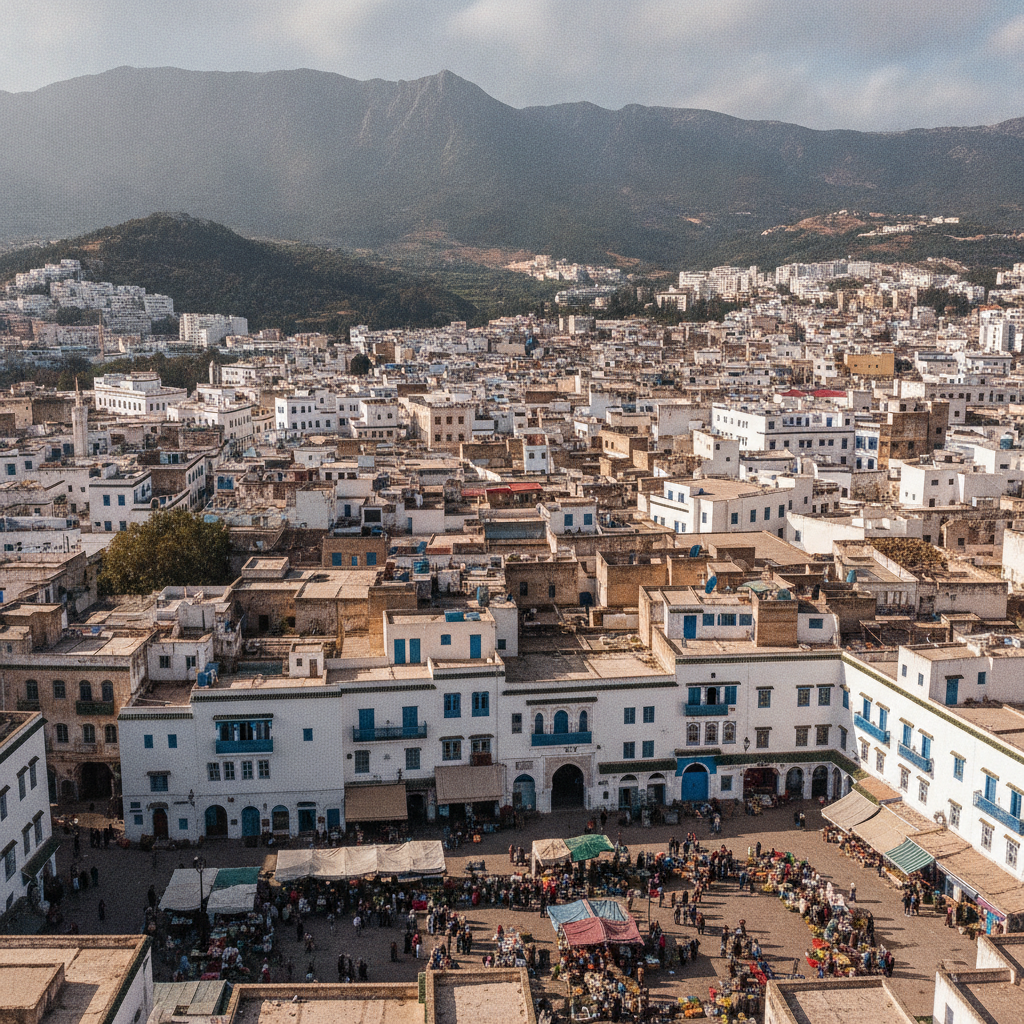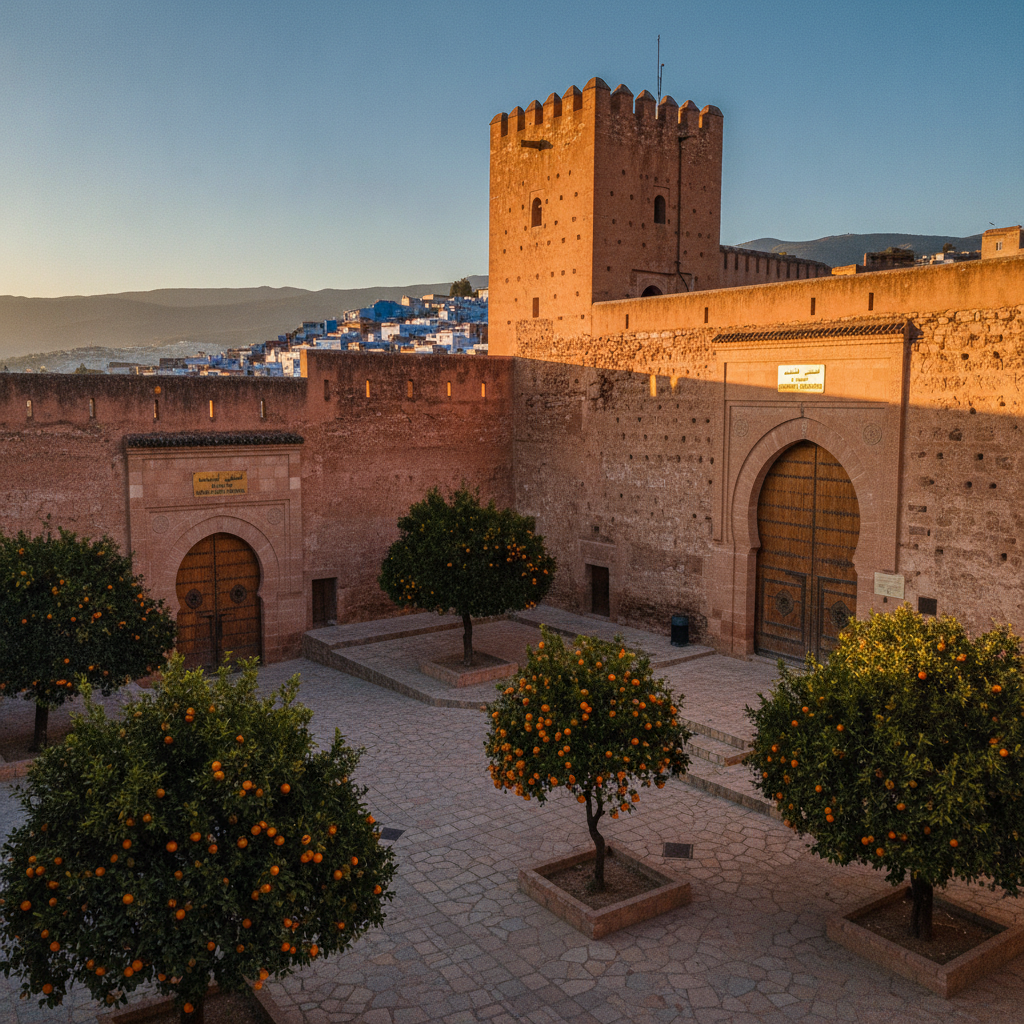
Chefchaouen History: The Spanish Protectorate Era, the Rif War and Abd el-Krim, the Closed City Period, the Independence and Reopening, and the Bilingual Spanish-Arabic Culture
The Chefchaouen history route covers the founding by Ali ibn Rashid in 1471 as the resistance base, the Portuguese and Spanish conquest period, the Spanish Protectorate from 1920, the Rif War and Abd el-Krim Republic, the city closed to non-Muslims until 1920, and the contemporary bilingual Spanish-Arabic culture.
- 1
Foundation and Resistance: The 1471 Andalusian Base
Chefchaouen was founded in 1471 by the Andalusian Muslim scholar Ali ibn Rashid as a military base for the Rif mountain resistance to the Portuguese coastal expansion in Morocco. The name Chefchaouen (from the Tarifit Berber meaning peaks) refers to the twin Jebel el-Kelaa and Jebel Tisouka peaks above the city. The city was reinforced by the waves of Andalusian Muslim and Jewish refugees after the 1492 Spanish Reconquista who brought the Andalusian urban traditions, the Andalusian agricultural knowledge, and the Andalusian crafts to the most completely Andalusian single Moroccan mountain city.
- 2
Closed to Non-Muslims: The 500-Year Restriction
Chefchaouen was closed to non-Muslims from its foundation until the Spanish captured it in 1920, making it one of the last North African cities accessible only to the Muslim community for the longest single continuous period in the history of the Mediterranean world. The first European to enter Chefchaouen was the British explorer Charles de Foucauld who disguised himself as a rabbi to enter the city in 1889. The isolation of Chefchaouen from the non-Muslim world maintained the most Andalusian-preserved single urban culture in Morocco and the most complete single example of the closed Islamic medina city.
- 3
Spanish Protectorate: The Northern Morocco Zone
The Spanish Protectorate of Northern Morocco from 1912 to 1956 included Chefchaouen in the Spanish administered zone of the Rif and the Mediterranean coast. The Spanish architecture in Chefchaouen is visible in the Spanish Mosque above the medina, the Spanish administrative building on the main square, and the Spanish place names still used by the older Chefchaouen residents. The Spanish protectorate period created the most bilingual single population in Morocco with the Spanish language spoken by the older generation alongside the Moroccan Arabic and the Tarifit Berber as the most linguistically layered single city population in the Maghreb.
- 4
Rif War and Abd el-Krim: The Berber Republic
The Rif War of 1921-1926, in which the Rif Berber leader Muhammad ibn Abd el-Krim al-Khattabi and his brother Mhammed created the Republic of the Rif from the captured Spanish territory and inflicted the most catastrophic single colonial military defeat in the history of Africa on the Spanish army at Annual in 1921 (10,000 Spanish soldiers killed), represents the most militarily significant single anti-colonial resistance in the Maghreb before the Algerian War. Chefchaouen is within the geographic sphere of the Abd el-Krim Rif Republic and the memory of the resistance is the most politically resonant single historical event in the Chefchaouen regional identity.
- 5
Spanish Language: The Chefchaouen Bilingual Legacy
The Spanish language legacy in Chefchaouen is the most practically evident single colonial linguistic inheritance in Morocco with the restaurant menus in Spanish alongside the Arabic, the older shopkeeper generation conducting the commercial negotiation in Spanish as the first language, and the proximity to Ceuta (the Spanish enclave on the Moroccan coast 65 kilometers away) maintaining the Spanish economic connection. Chefchaouen has more practicing Spanish speakers per capita than any other Moroccan city and the Cervantes Institute Spanish language school in Tetouan is the most active single Spanish language institution in the Maghreb.
- 6
Independence 1956: The Modern Chefchaouen
The Moroccan independence in 1956 and the Spanish withdrawal from the northern zone integrated Chefchaouen into the Moroccan national territory and opened the city fully to the non-Muslim visitor for the first time in its history. The post-independence period saw the most dramatic single opening of a historically restricted Moroccan medina with the first international visitors arriving in the 1970s hippie trail era and the current 1.2 million annual visitor number representing the most complete transformation of a closed religious city to an open tourism destination in North African history.
Walk this route with audio
Stories play automatically as you reach each stop — no tapping needed.
More in Chefchaouen
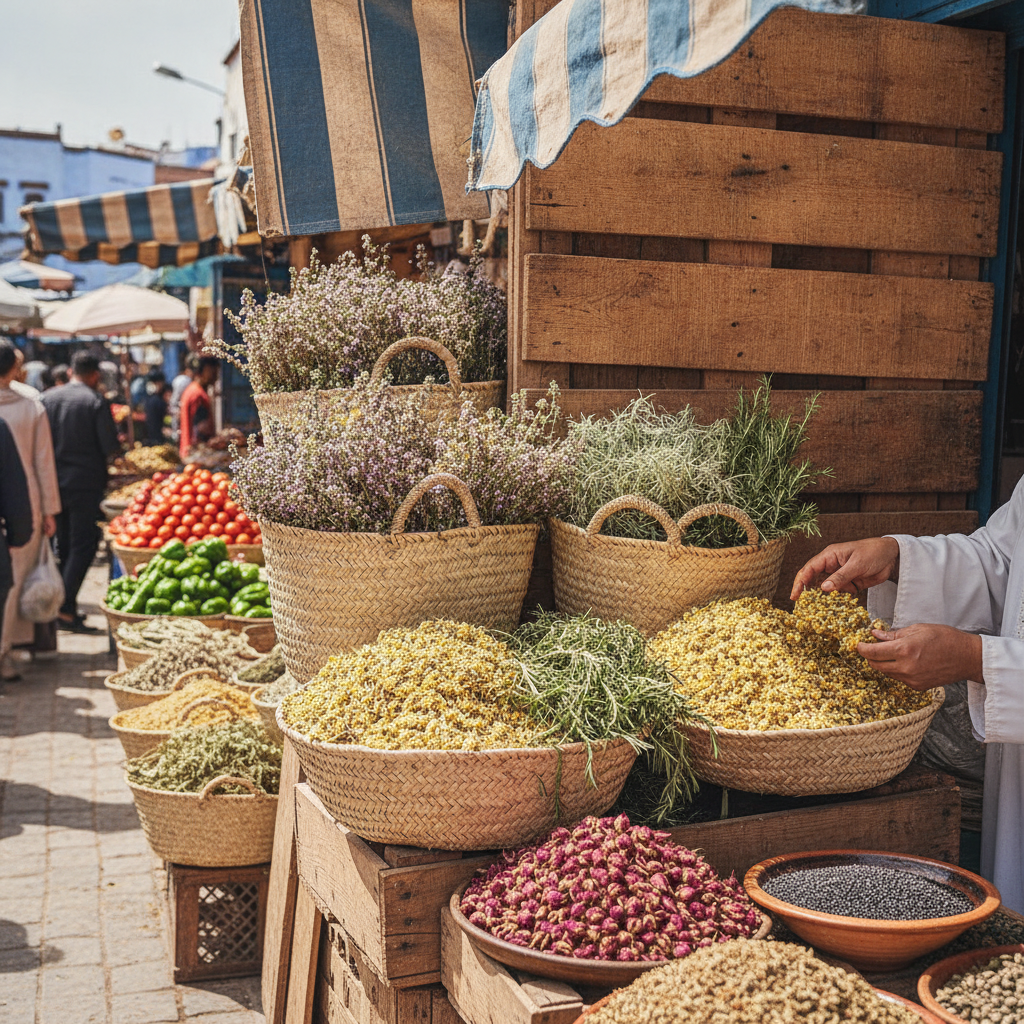
The Chefchaouen Jewish Community Spoke Haketia (15th Century Castilian Spanish) for 430 Years After the 1492 Expulsion and Spanish Military Officers Who Entered the City in 1920 Could Understand the Jewish Residents; The Rif Mountain Wild Thyme Honey Is the Primary Product of Chefchaouen's Traditional Agricultural Economy; Chefchaouen Receives 300,000-400,000 Visitors Per Year in a 0.4 km2 Medina
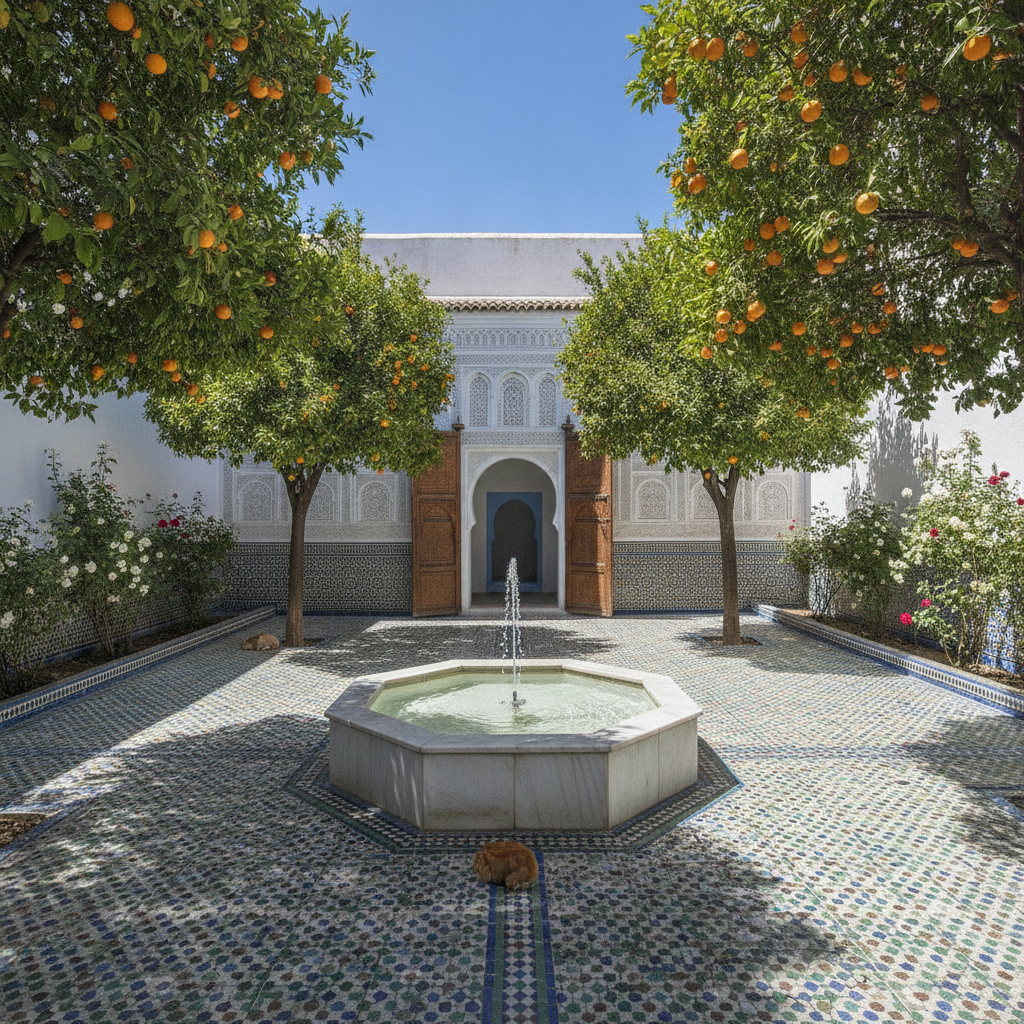
The Jebala Berbers of Chefchaouen's Western Rif Mountains Have Largely Lost Their Tamazight Language to Arabic Over the 17th-18th Centuries But Maintain a Distinct Cultural Identity in Dress, Music, and Agricultural Practices; Chefchaouen Spring (March-May) Offers the Best Combination of Wildflower Bloom, Mild Temperatures, Good Light, and Moderate Crowds; The Ouezzane Wazzaniyya Sufi Zawiya 44 km South of Chefchaouen Was Historically One of the Most Powerful Religious-Political Institutions in Morocco
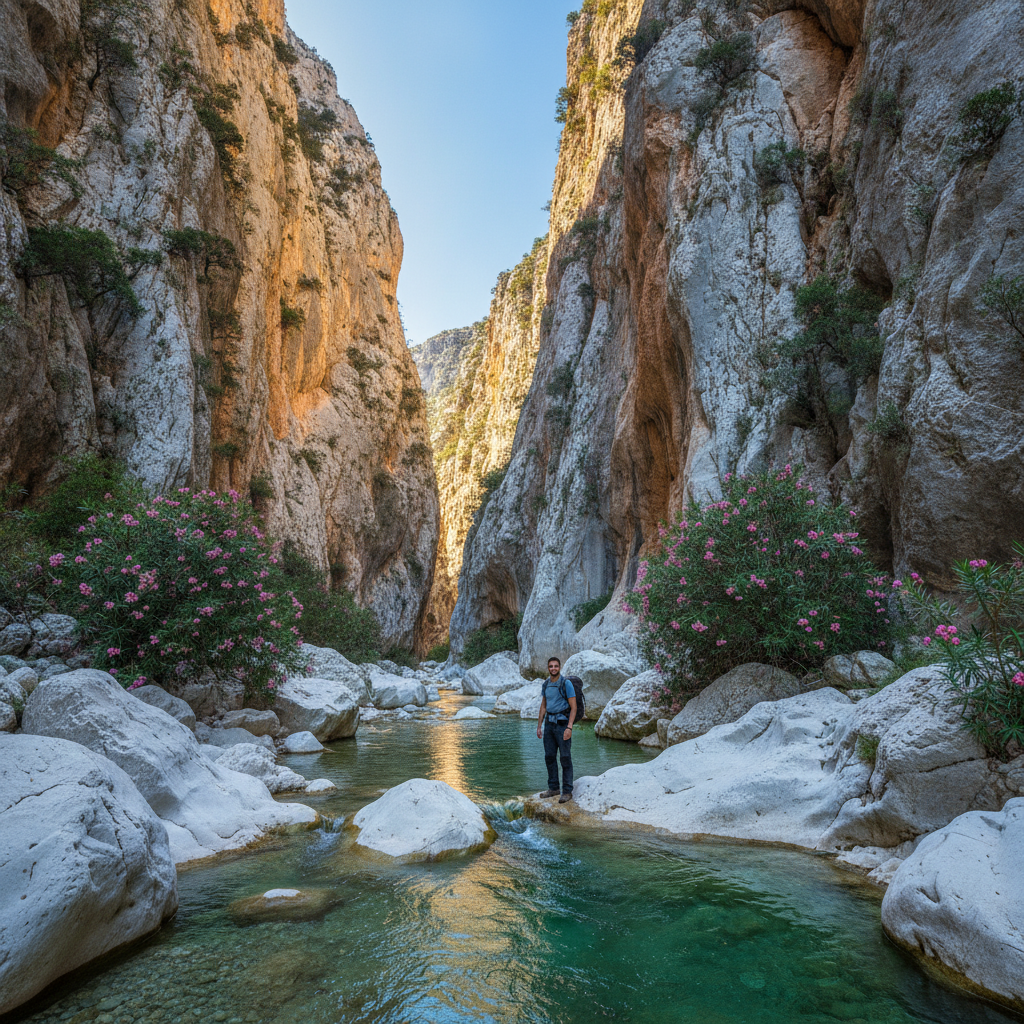
The Talassemtane National Park Protects the Only Significant Moroccan Population of the Abies Pinsapo Spanish Fir Tree Whose Primary Habitat Is the Sierra de las Nieves in Southern Spain; Chefchaouen Medina Was Described by Spanish Military Officers Entering in 1920 as the Most Perfectly Preserved Medieval Andalusian City Outside Andalusia Itself; The Beat Generation Writers Paul Bowles William S. Burroughs and Allen Ginsberg Were All Connected to Tangier During Its International Zone Period (1923-1956)
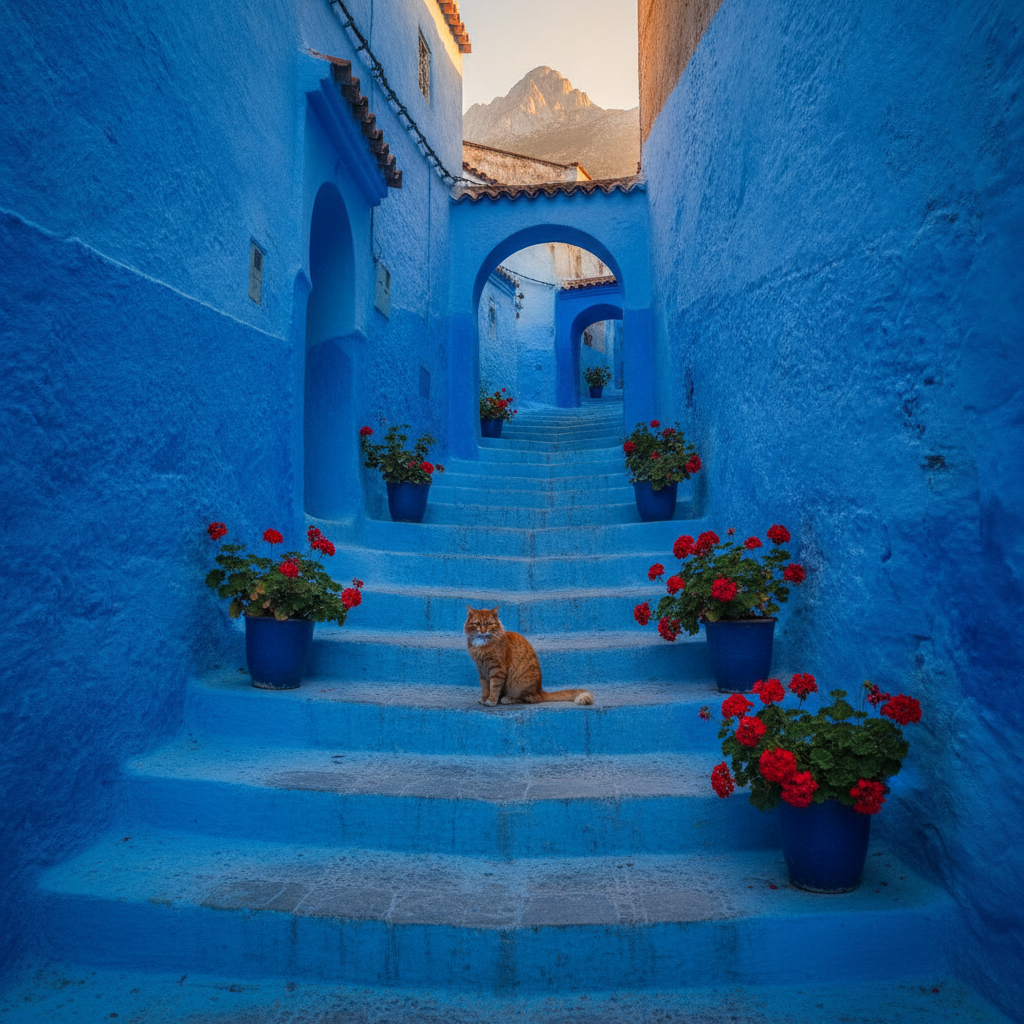
Chefchaouen's Blue Medina May Have Been Painted Blue By Jewish Refugees From the 1492 Spanish Expulsion Who Painted Doorways the Color of Heaven; The Rif Mountains Produce Approximately 40-60% of the Hashish Consumed in Europe With 90,000 Farming Families Dependent on Cannabis Cultivation; Morocco Legalized Cannabis Cultivation Under License in 2021 After Decades of the Largest Illegal Cannabis Production Zone in the World
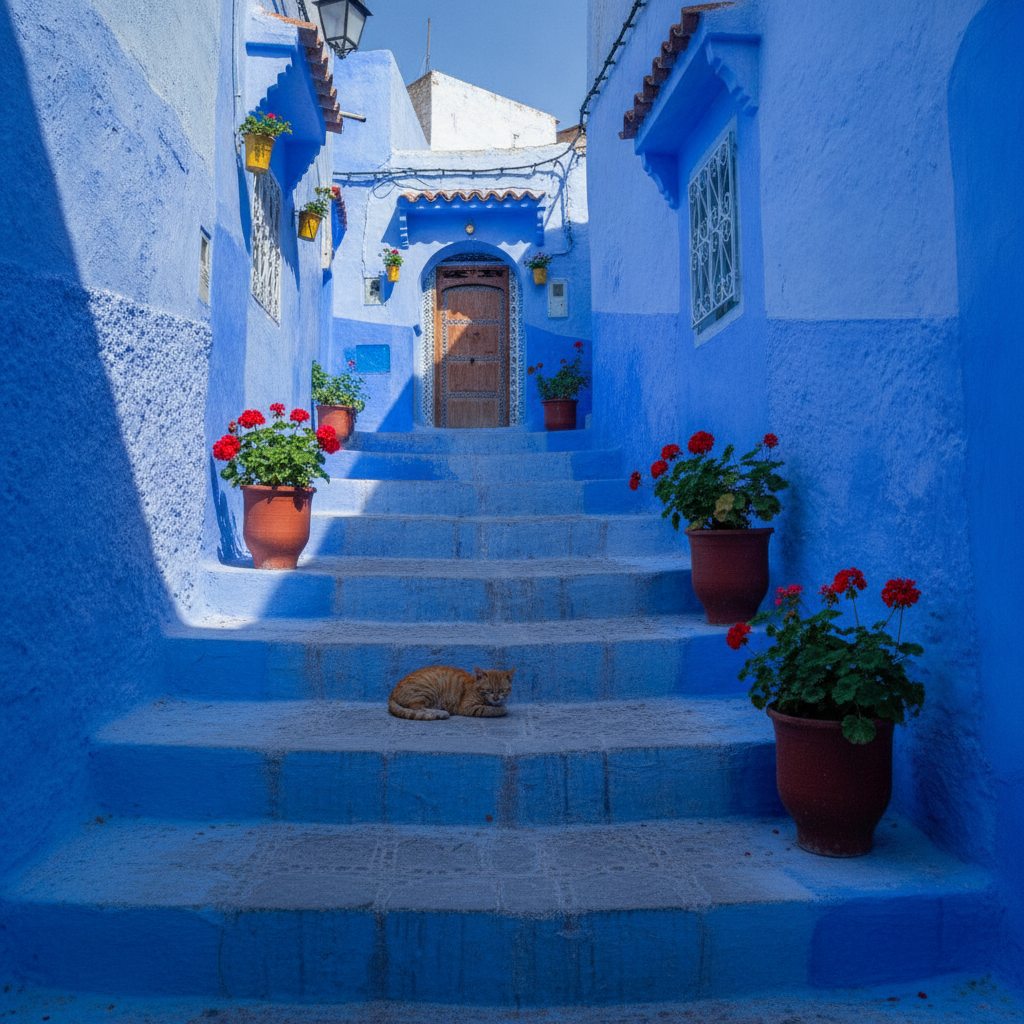
Chefchaouen Essential: The Blue-Painted Medina, the Uta el-Hammam Central Square, the Kasbah, the Rif Mountain Setting, the Photography Paradise, and the Blue Washing Tradition