Chefchaouen's Blue Medina May Have Been Painted Blue By Jewish Refugees From the 1492 Spanish Expulsion Who Painted Doorways the Color of Heaven; The Rif Mountains Produce Approximately 40-60% of the Hashish Consumed in Europe With 90,000 Farming Families Dependent on Cannabis Cultivation; Morocco Legalized Cannabis Cultivation Under License in 2021 After Decades of the Largest Illegal Cannabis Production Zone in the World
Chefchaouen's blue medina possibly painted blue by 1492 Jewish refugees from Spain; the Rif mountains producing 40-60% of European hashish with 90,000 dependent farming families; Morocco legalizing cannabis cultivation in 2021; the Plaza Uta el-Hammam octagonal minaret as unusual Andalusian-style architecture; the Ras el-Maa spring waterfall used by local women for laundry; and the Chefchaouen photography guide recommending golden hour arrival before 9am tourist groups.
- 1
The Blue City - Why Chefchaouen's Medina Is Painted Blue
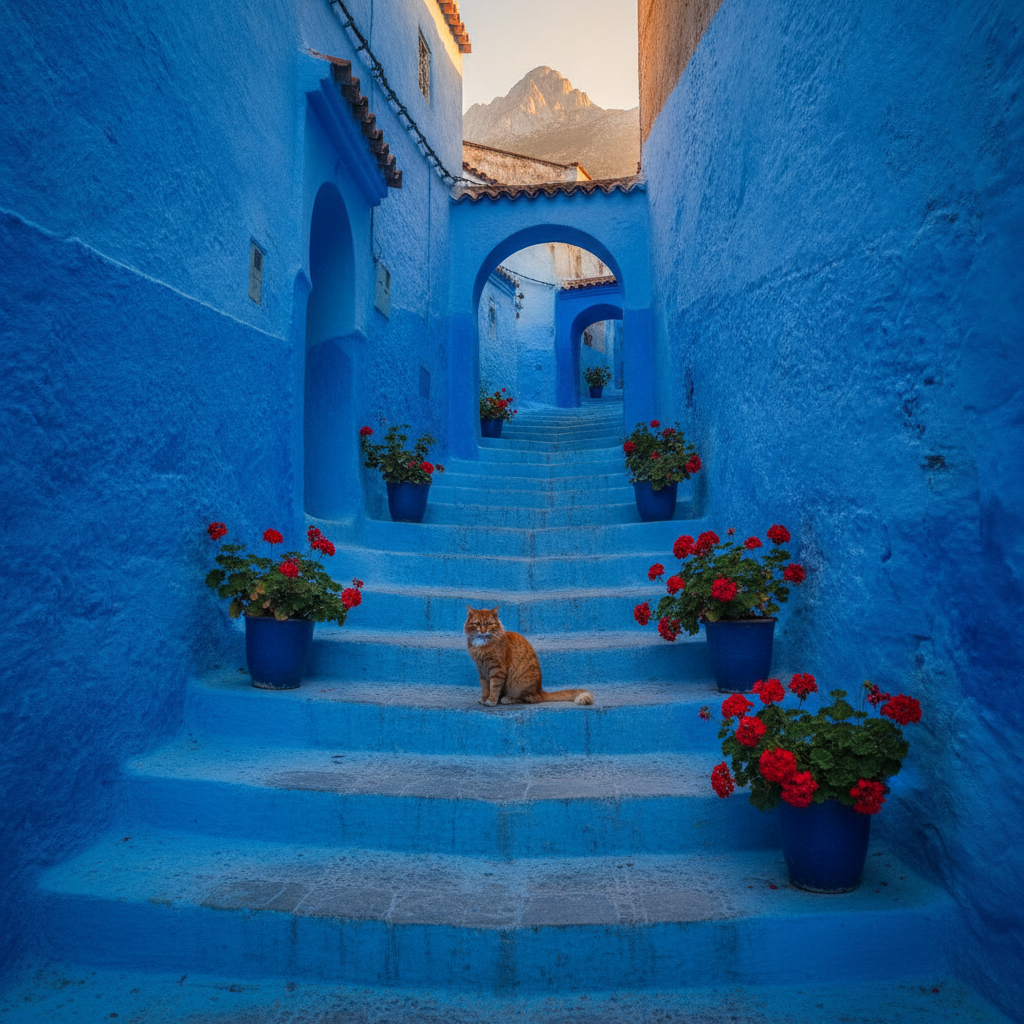
Chefchaouen (Chaouen, Xauen) - the Blue Pearl (al-Lulu al-Zarqa) of Morocco: the famous blue-painted medina of the Rif mountains and the question of why it is blue: the history guide. The founding (Chefchaouen was founded in 1471 CE by the Idrisid sharif (descendant of the Prophet Muhammad) Ali ibn Rashid as a mountain stronghold for the fight against the Portuguese: the location (Chefchaouen is located in a narrow valley in the Rif mountains of northern Morocco at an elevation of approximately 600-900m: surrounded by the Rif limestone peaks: the name (Chefchaouen - from the Berber Tachelhit words meaning look at the horns (chaf - look, chaoun - the horns) referring to the two mountain peaks that frame the town: the blue painting (the theories about the blue painting of the Chefchaouen medina: Theory 1 - the Jewish refugees: the most commonly cited explanation: when the Jews expelled from Spain in 1492 arrived in Chefchaouen they brought the tradition of painting doorways and thresholds blue (techelet blue) as a symbolic representation of the divine: they painted their quarter blue to reflect heaven: Theory 2 - the practical explanation: blue paint was found to repel mosquitoes: Theory 3 - the tourism explanation: the current all-encompassing blue was gradually amplified by tourism from the 1980s onward as the most Instagram-friendly color palette: originally the blue was concentrated in the Jewish quarter: the current reality (the entire medina of Chefchaouen is now painted in varying shades of blue from bright cerulean to deep indigo to pale sky blue: every surface - walls, stairs, doorways, plant pots - is painted blue: the effect (the blue city creates an extraordinary visual environment: the blue walls absorb heat less than white walls and reflect more light into the narrow alleys: the blue walls make the medina cool and atmospheric even at midday).
- 2
The Plaza Uta el-Hammam and the Grand Mosque - The Heart of the Blue City
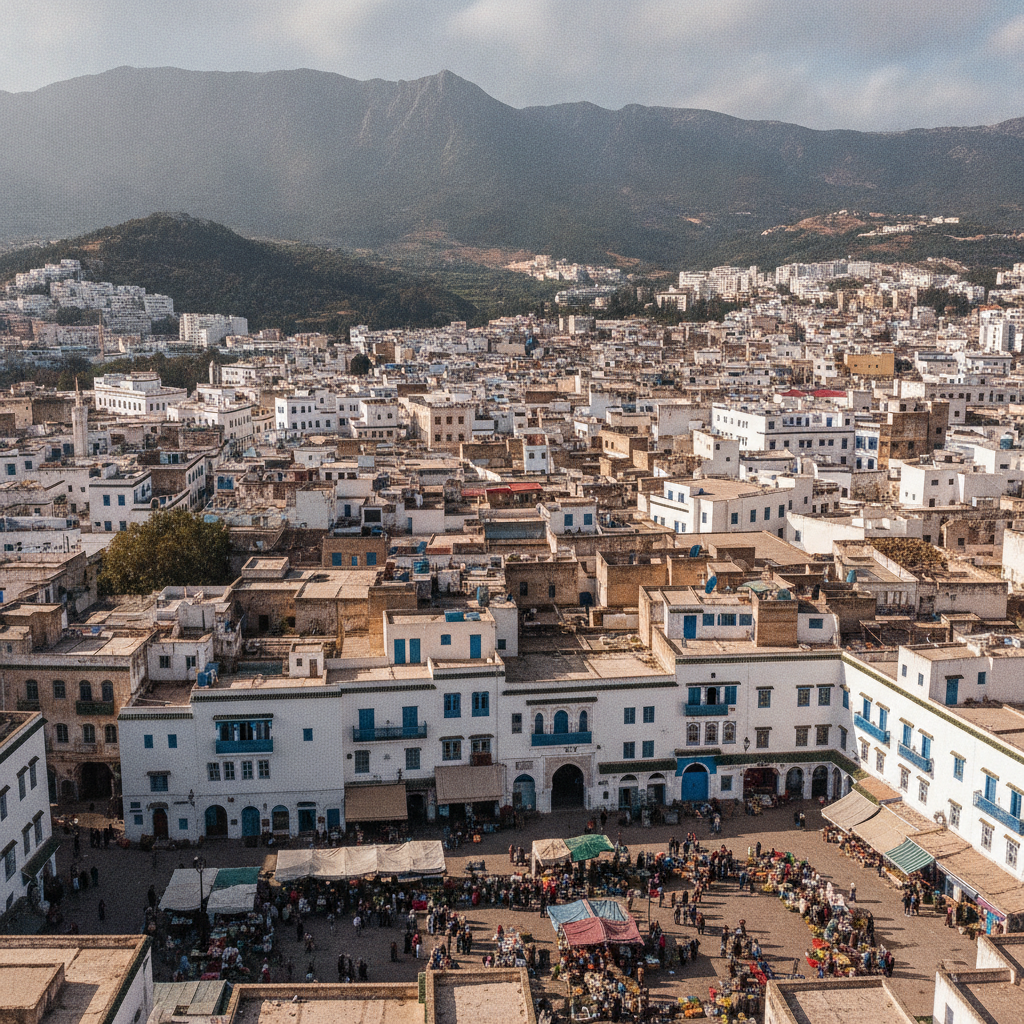
The Plaza Uta el-Hammam - the central square of Chefchaouen and the focal point of life in the Blue City: the square guide. The square (the Plaza Uta el-Hammam (Place Outa el Hammam) - the main square of Chefchaouen: a large open rectangle paved with cobblestones and terracotta-colored stone: the square is flanked on all sides by cafes and restaurants with terrace seating under canvas awnings: the cafes serve mint tea, freshly squeezed orange juice, and Moroccan food: the Grand Mosque (the Grand Mosque of Chefchaouen - the primary mosque of the medina: located on the north side of the Plaza Uta el-Hammam: the mosque has an octagonal minaret - unusual in Morocco where the majority of minarets are square: the octagonal minaret is characteristic of Andalusian Moorish architecture (the Giralda of Seville began as an octagonal minaret before its Christian additions): the mosque is not open to non-Muslims: the exterior can be viewed from the square: the Kasbah (the Kasbah of Chefchaouen - a fortified palace complex on the west side of the Plaza Uta el-Hammam: built by Ali ibn Rashid (the founder of Chefchaouen) in the 15th century: the Kasbah houses the Chefchaouen Museum of art and culture: the garden (the Kasbah garden - a walled Andalusian garden with citrus trees, roses, and a central fountain: one of the most tranquil spaces in Chefchaouen: the atmosphere (the Plaza Uta el-Hammam is the primary social gathering space of Chefchaouen: the evening paseo (the evening stroll around the square) is the primary social activity of Chefchaouen residents: the square is lively from late afternoon until midnight: the cats (Chefchaouen has a large population of feral cats that are part of the character of the medina: the cats are well-fed by restaurant owners and are generally friendly).
- 3
The Rif Mountains and the Cannabis Economy of Northern Morocco
The Rif mountains - the limestone mountain range of northern Morocco - and the difficult reality of the cannabis (kif) economy that has dominated the Rif region for generations: the Rif guide. The geography (the Rif mountains (Jbala and Rif mountains): a discontinuous mountain range running east-west across northern Morocco: elevation 400-2,456m (Jbel Tidiquin is the highest peak at 2,456m): the Rif receives relatively high rainfall from the Mediterranean (800-1,200mm annually in the western Rif): the geology: primarily limestone karst: the Mediterranean vegetation (cork oak, Aleppo pine, and cedar forests): the cannabis (the Rif mountains are the primary cannabis production area of Morocco: the primary cultivation area is the Ketama triangle (Ketama, Bab Berred, and surrounding areas in the eastern Rif): the crop (cannabis sativa grown for hashish (kif in Moroccan Arabic) production: the kif (the traditional Moroccan way of consuming cannabis: dried cannabis flowers (kif) mixed with a small quantity of tobacco and smoked in a long thin pipe (sebsi): the production scale (the Rif cannabis production area covers approximately 50,000-70,000 hectares: Morocco is consistently the world's largest producer of hashish by area: UNODC estimates approximately 40-60% of the hashish consumed in Europe originates from the Moroccan Rif: the socioeconomic context (cannabis cultivation is the primary income source for approximately 90,000 Rif farming families: the legal situation (cannabis cultivation was technically illegal in Morocco until 2021: the 2021 law (Law 13-21) legalized cannabis cultivation under license for medical and industrial purposes: the application to the Rif is complex - the transition from illegal subsistence farming to licensed industrial production involves significant capital investment that most Rif smallholders cannot access).
- 4
Ras el-Maa - The Waterfall and the Natural Setting of the Blue City
Ras el-Maa (the head of the water) - the natural spring and waterfall at the edge of the Chefchaouen medina and the wider natural landscape of the Blue City in the Rif mountains: the nature guide. Ras el-Maa (the Ras el-Maa spring - the primary water source of Chefchaouen located on the eastern edge of the medina: a natural spring emerges from the limestone rocks creating a small waterfall (approximately 3-5m) that cascades into a pool: the pool is used by local women to wash laundry: by local men to wash feet before prayer at the adjacent mosque: and by children to swim in summer: the water (the spring water of Ras el-Maa is cold, clear, and drinkable - supplied by the limestone aquifer of the Rif mountains: the sound of running water throughout the Chefchaouen medina (the network of small channels carries water from the Ras el-Maa spring through the medina): the sound of water combines with the sound of birdsong (swallows nest extensively in the blue walls): the walk (the walk from the Plaza Uta el-Hammam to Ras el-Maa through the blue alleyways: approximately 10-15 minutes: the path follows the narrowing blue alleyways of the medina eastward: the landscape around Chefchaouen (the blue city sits in a north-facing valley flanked by the limestone Rif peaks: the walk from the medina southward up the hillside to the Spanish Mosque (an abandoned mosque built by the Spanish during the Spanish Protectorate period): the view from the Spanish Mosque (the best panoramic view of Chefchaouen and the surrounding Rif mountains: the entire blue medina visible below in the valley: the walk (the walk takes approximately 30-40 minutes from the medina: the path is well-marked and the Spanish Mosque is visible on the hillside above: the forest (the hillsides around Chefchaouen are covered in mixed cork oak, Aleppo pine, and Spanish fir (Abies pinsapo) forest).
- 5
Chefchaouen Photography Guide - The Blue Alleyways at Golden Hour
The Chefchaouen photography guide - the most photographed city in Morocco and one of the most Instagrammed locations in the world: the photography guide. The blue city photography (Chefchaouen is among the most photogenic cities in the world: the blue-painted medina creates an extraordinary visual environment for photography: every narrow alleyway, every staircase, every doorway is a potential composition: the optimal light (the blue walls of Chefchaouen are most photogenic in: the golden hour (the hour after sunrise and the hour before sunset) when the low angle sun creates warm golden light on the blue walls - the contrast between the warm sunlight and the cool blue surfaces is visually extraordinary: the overcast days (overcast diffuse light eliminates harsh shadows in the narrow alleys and reveals the full range of blue tones without bleaching: the primary locations (the primary photography spots of Chefchaouen: the Rue Sidi Allal al-Hamdouch (the most photographed alleyway - a steep staircase flanked by blue-painted stairs and potted geraniums): the Blue Gate (Bab Ain - the medina gate adjacent to Ras el-Maa): the corner of Rue Targhi and Rue Zanzam (a photogenic corner with flower pots and a deep blue alley receding into the background): the Kasbah garden (the walled garden with its citrus trees and fountain): the rooftops (the rooftop terraces of medina guesthouses and restaurants offer elevated views across the blue rooftops and the surrounding Rif peaks): the tips (arrive early (7-8am) to photograph the medina before the tourist groups arrive: the morning light before 9am is the best for alleyway photography: use a wide angle lens (24-35mm) for the narrow alleys: a telephoto lens (85-135mm) compresses the visual layers of blue walls and creates the most striking images of the blue alley effect).
- 6
Chefchaouen Practical Guide - Getting There, Staying, and Day Trips to Akchour
The Chefchaouen practical guide - essential visitor information for Morocco's most photographed mountain town: the practical guide. The arrival (Chefchaouen has no airport and no train station: the primary access methods: the bus (CTM and Supratours buses from Tangier (2.5 hours), Fes (4 hours), Casablanca (5.5 hours), Rabat (4.5 hours), and Marrakech (9 hours): the grand taxi (shared taxis from Tangier, Tetouan, and other northern Moroccan cities): the own car (the primary highway access is the A1/A4 motorway from Tangier to Tetouan then the N13 mountain road to Chefchaouen - a winding mountain road through the Rif: the driving time from Tangier is approximately 2-2.5 hours): the accommodation (Chefchaouen has an excellent range of guesthouses (fondouks) and riads within the medina: budget to mid-range: the medina accommodation is strongly recommended over the ville nouvelle hotels for the atmosphere: prices: budget rooms from approximately 150-200 MAD per night: mid-range riads 300-600 MAD per double: the food (Chefchaouen local specialties: the Chefchaouen goat cheese (jben chaouni - the local fresh goat cheese: also produced and sold in the market: the honey (the Rif mountain honey - thyme honey from the wild thyme of the limestone Rif: sold in the medina market: the kefta tagine (ground lamb meatballs in a spiced tomato sauce): the Moroccan mint tea (always served in a glass with foam from high pouring): the day trips (the primary Chefchaouen day trips: Akchour (16 km east of Chefchaouen): the Akchour waterfall hike (Cascades d'Akchour): a hiking trail through the Talassemtane National Park gorge to a series of waterfalls (approximately 1.5-2 hours each way): Tangier (78 km north): Tetouan (60 km northeast): the Spanish Protectorate city with its distinctive Andalusian medina (UNESCO World Heritage Site): the safety (Chefchaouen is very safe for tourists: the cannabis availability is notable but declining as regulation changes).
Walk this route with audio
Stories play automatically as you reach each stop — no tapping needed.
More in Chefchaouen
The Chefchaouen Jewish Community Spoke Haketia (15th Century Castilian Spanish) for 430 Years After the 1492 Expulsion and Spanish Military Officers Who Entered the City in 1920 Could Understand the Jewish Residents; The Rif Mountain Wild Thyme Honey Is the Primary Product of Chefchaouen's Traditional Agricultural Economy; Chefchaouen Receives 300,000-400,000 Visitors Per Year in a 0.4 km2 Medina
The Jebala Berbers of Chefchaouen's Western Rif Mountains Have Largely Lost Their Tamazight Language to Arabic Over the 17th-18th Centuries But Maintain a Distinct Cultural Identity in Dress, Music, and Agricultural Practices; Chefchaouen Spring (March-May) Offers the Best Combination of Wildflower Bloom, Mild Temperatures, Good Light, and Moderate Crowds; The Ouezzane Wazzaniyya Sufi Zawiya 44 km South of Chefchaouen Was Historically One of the Most Powerful Religious-Political Institutions in Morocco
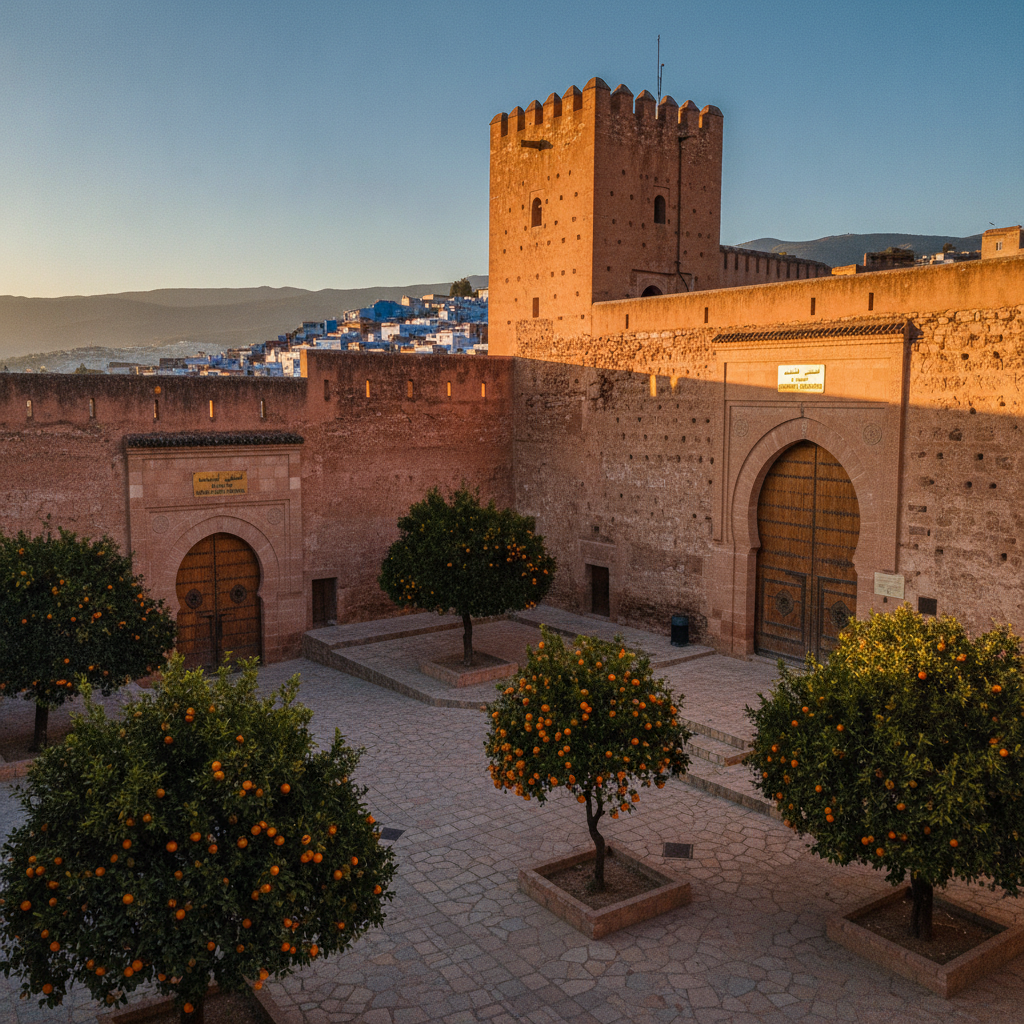
Chefchaouen History: The Spanish Protectorate Era, the Rif War and Abd el-Krim, the Closed City Period, the Independence and Reopening, and the Bilingual Spanish-Arabic Culture
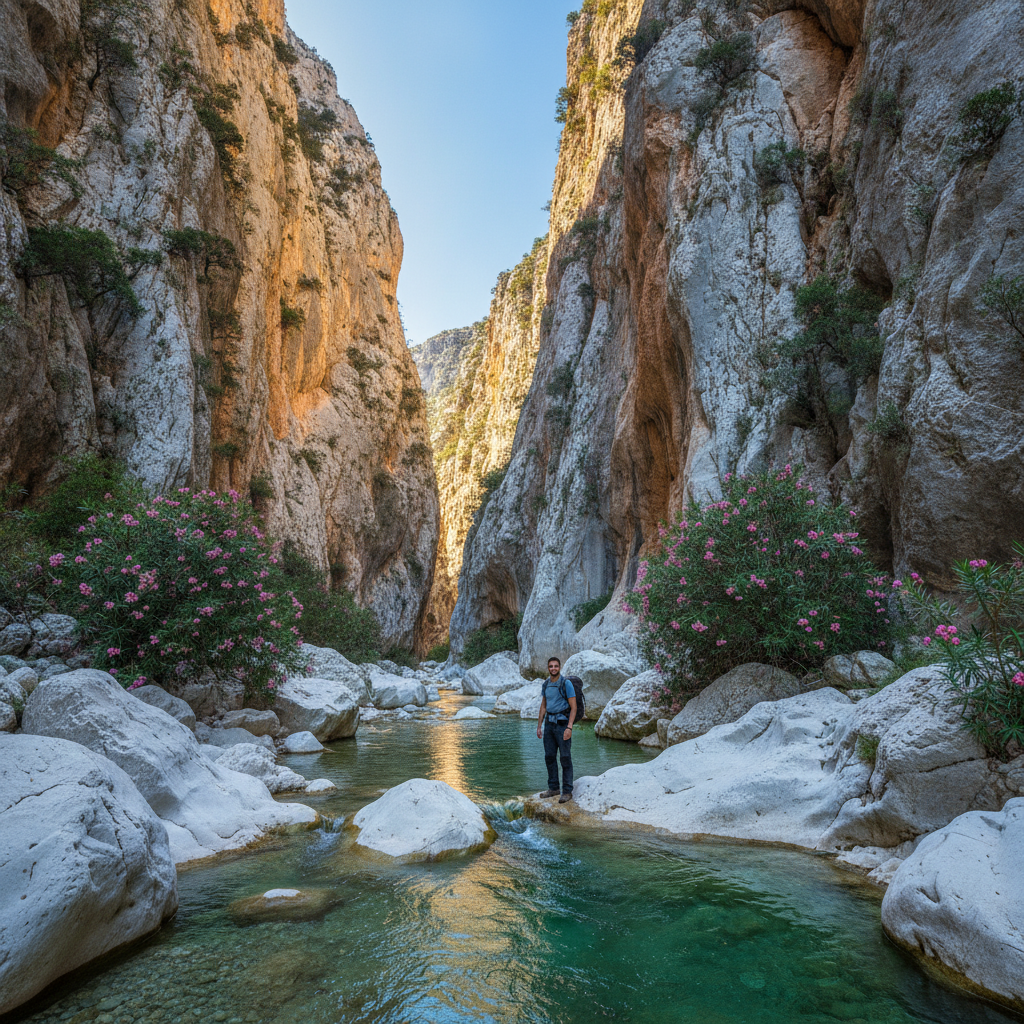
The Talassemtane National Park Protects the Only Significant Moroccan Population of the Abies Pinsapo Spanish Fir Tree Whose Primary Habitat Is the Sierra de las Nieves in Southern Spain; Chefchaouen Medina Was Described by Spanish Military Officers Entering in 1920 as the Most Perfectly Preserved Medieval Andalusian City Outside Andalusia Itself; The Beat Generation Writers Paul Bowles William S. Burroughs and Allen Ginsberg Were All Connected to Tangier During Its International Zone Period (1923-1956)
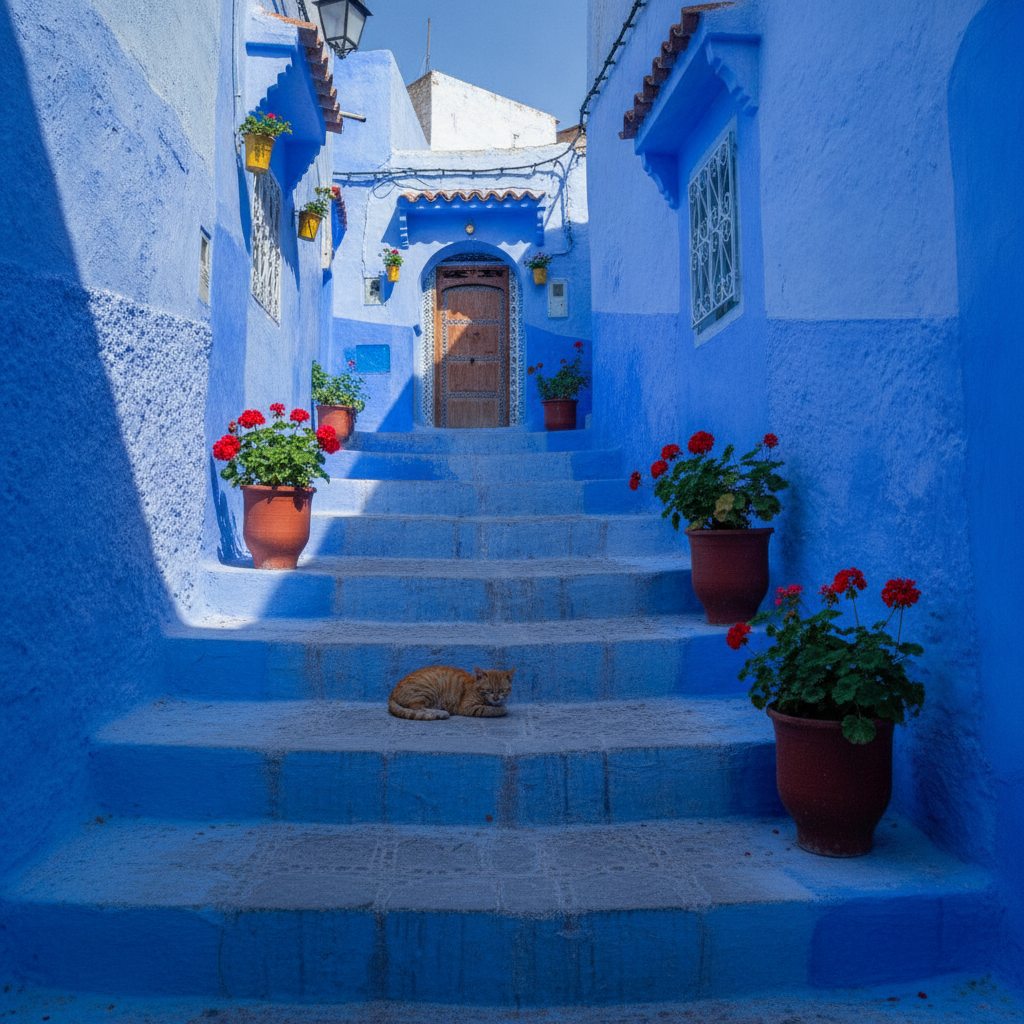
Chefchaouen Essential: The Blue-Painted Medina, the Uta el-Hammam Central Square, the Kasbah, the Rif Mountain Setting, the Photography Paradise, and the Blue Washing Tradition