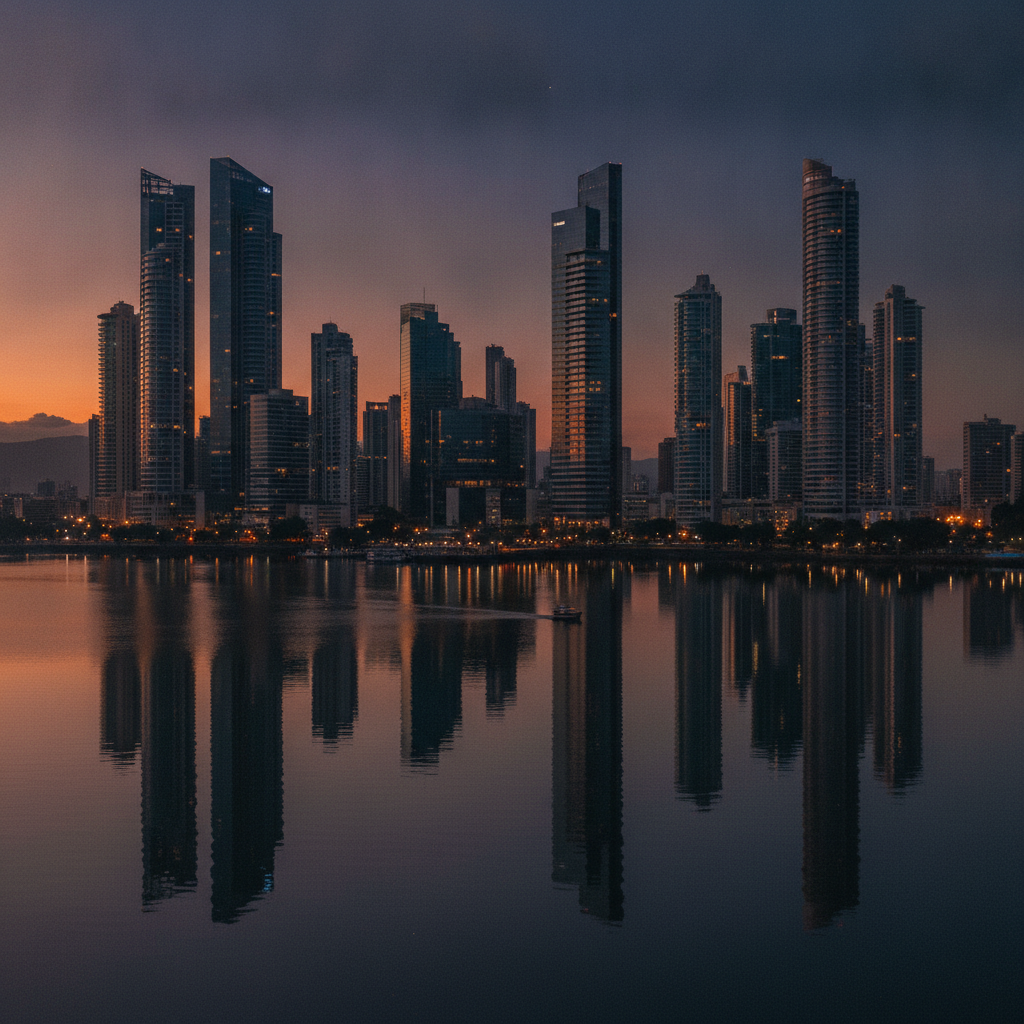

Panama City as a Financial Hub: Banking, the Dollar Economy, and Free Trade Zones
Panama City is the most important financial center in Latin America after Sao Paulo and Mexico City, built on the combination of the US dollar as official currency, strict banking secrecy laws, the largest free trade zone in the Western Hemisphere, and the canal revenue that provides macroeconomic stability. The financial services economy shapes the character of the city: the glass tower skyline, the professional expat population, the high cost of living relative to Central American neighbors, and the commercial infrastructure that serves the corporate and offshore banking market.
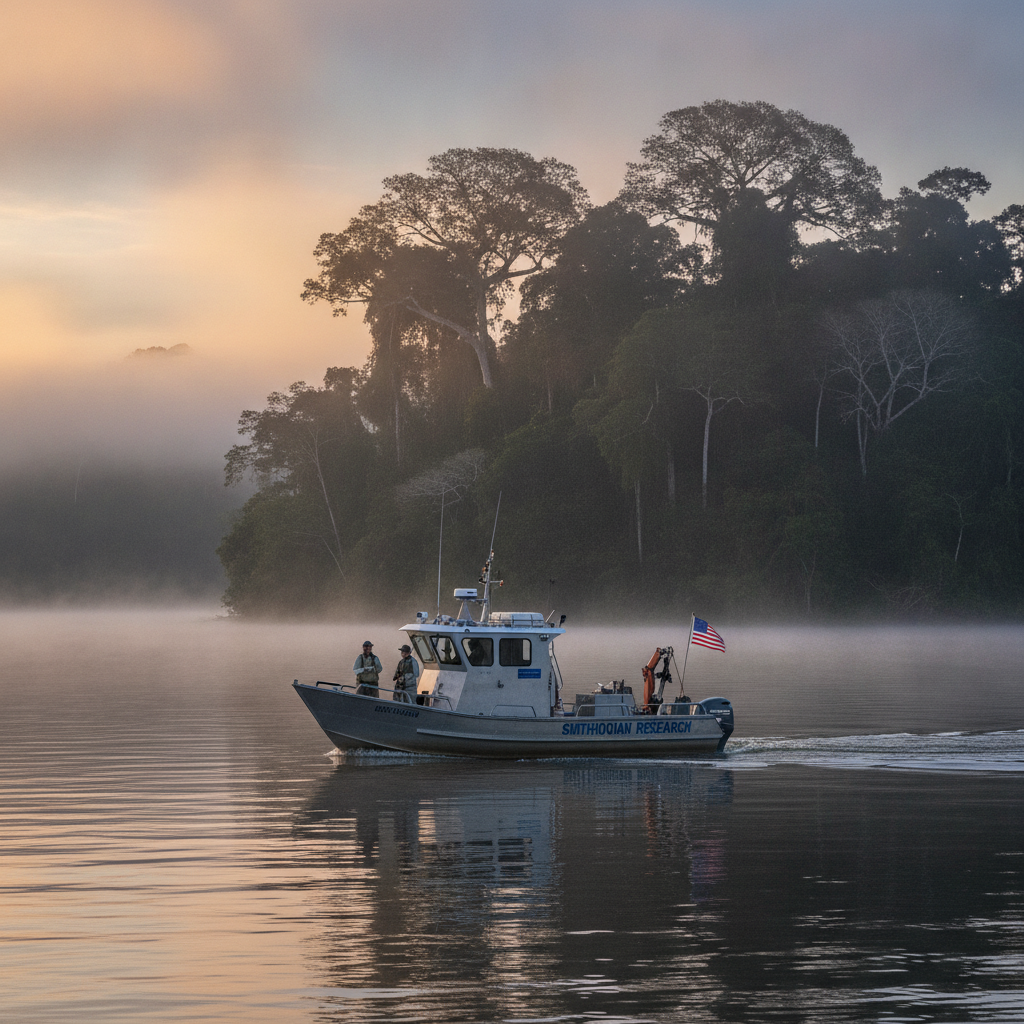
Barro Colorado Island and the Smithsonian Tropical Research Institute
Barro Colorado Island in Gatun Lake is the most intensively studied tropical forest on earth. Created as an island when the Chagres River was dammed to fill the canal, it has been a protected biological reserve since 1923 and has hosted Smithsonian Institution research continuously since 1946. The 1,560-hectare island hosts a complete lowland tropical forest community, with over 1,300 plant species, 380 bird species, and the full complement of neotropical mammals. Access is restricted to researchers and guided educational tours, making the island simultaneously the best-understood and one of the least-visited natural areas accessible from Panama City.
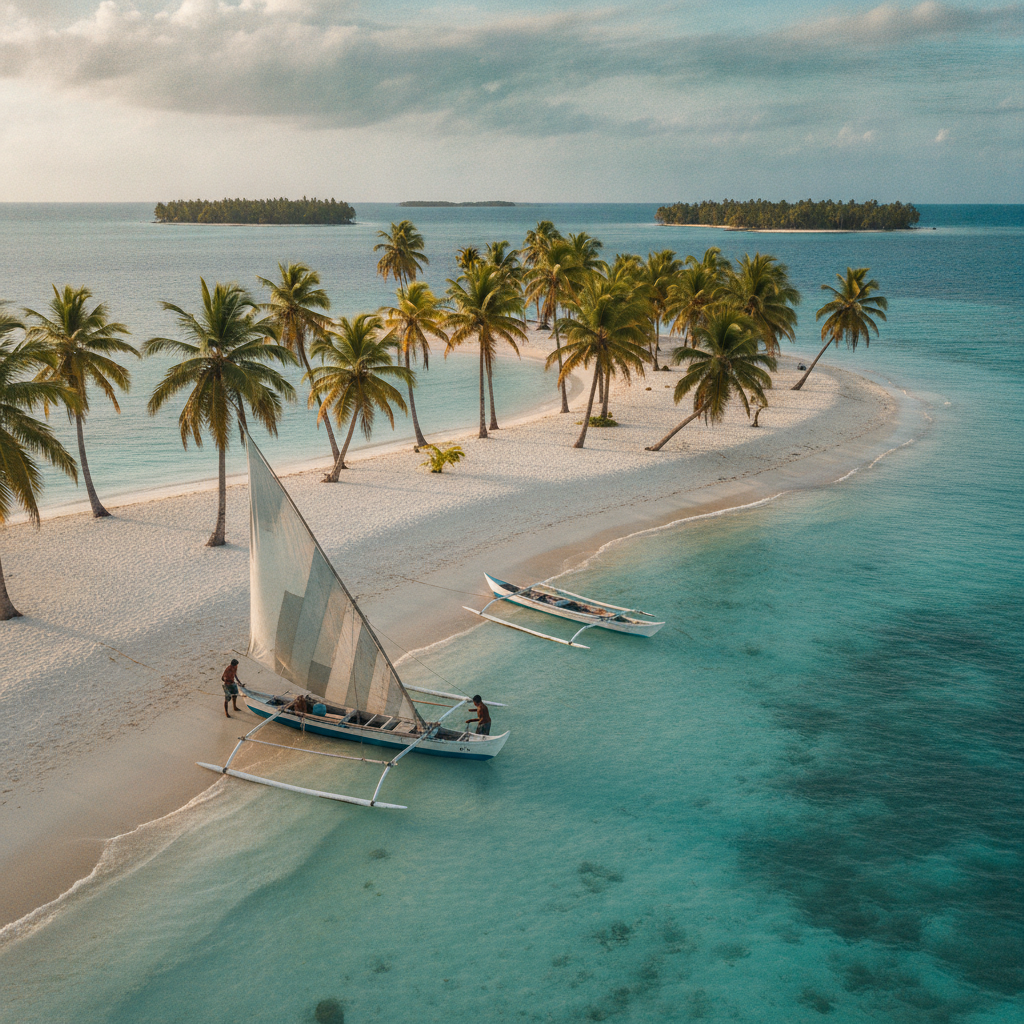
San Blas Islands, Bocas del Toro, and Day Trips from Panama City
Panama City is the gateway to two of the most spectacular archipelago environments in the Caribbean: the San Blas Islands controlled by the Kuna Yala indigenous people and the Bocas del Toro archipelago in the northwest. Both are accessible as multi-day trips from the capital. The Darien Gap to the east, the most biodiverse and least accessible jungle in the Western Hemisphere, and the highland town of El Valle de Anton round out the day trip and excursion options from a capital that sits at the center of one of the most geographically diverse countries in the Americas.
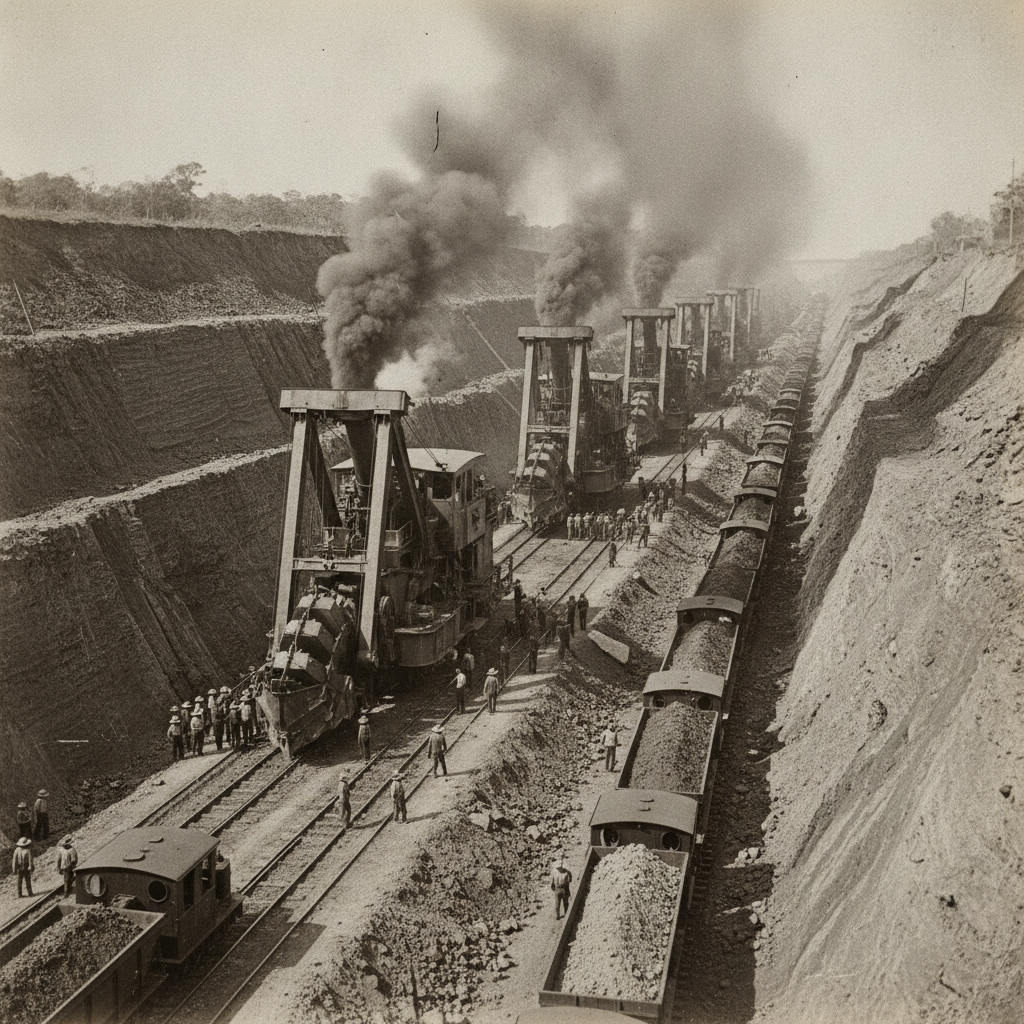
Panama Canal History: The French Failure, the American Triumph, and the 1999 Transfer
The Panama Canal is the result of one of the most consequential engineering projects in human history, preceded by one of the most catastrophic failures. The French attempt under Ferdinand de Lesseps from 1881 to 1889 killed over 20,000 workers from yellow fever and malaria and went bankrupt. The American project from 1904 to 1914, benefiting from Walter Reed's discovery of mosquito-borne disease transmission, succeeded through an unprecedented mobilization of labor and earth-moving technology. The canal then operated under US sovereignty until the 1999 handover negotiated by Omar Torrijos and Jimmy Carter, one of the defining moments of twentieth century Latin American history.
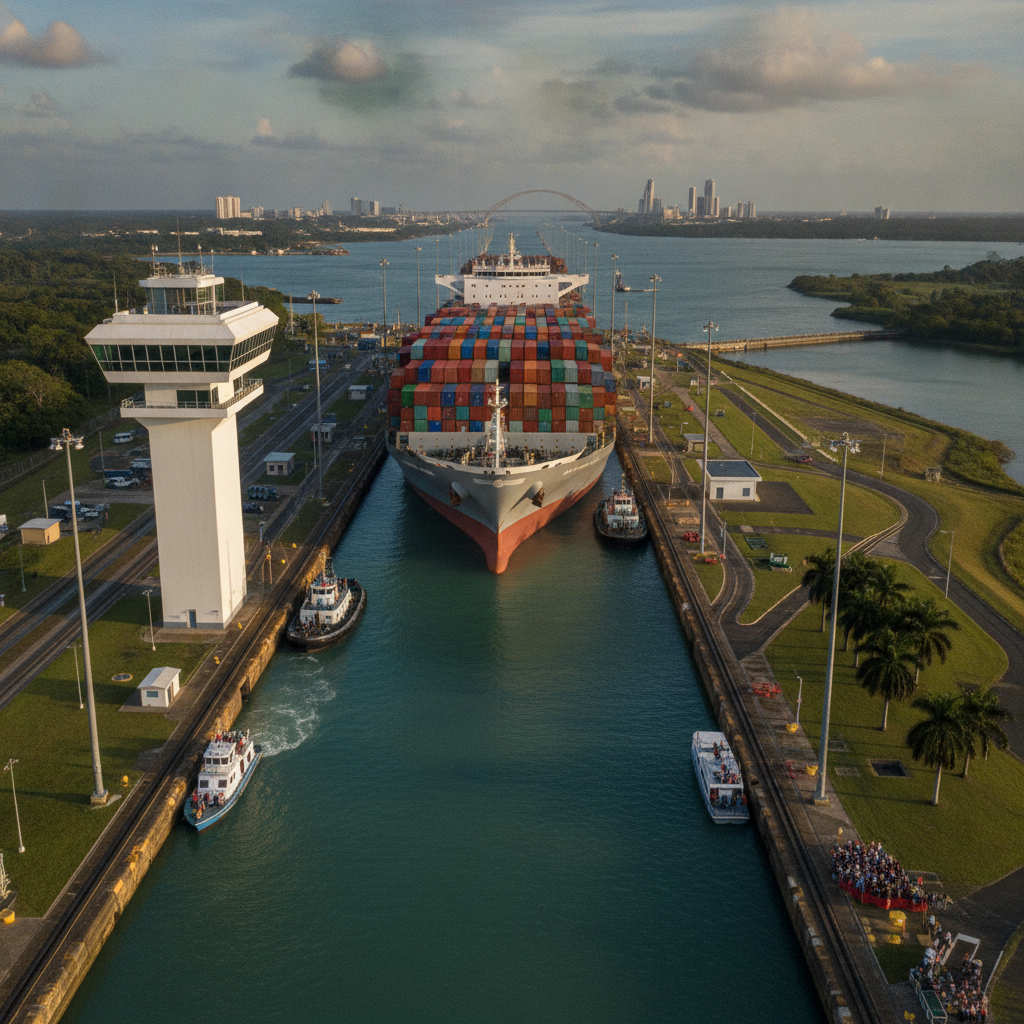
Panama City: Canal Locks, Casco Viejo, and the Crossroads of the World
Panama City is one of the most strategically positioned cities in the Western Hemisphere, built at the Pacific entrance of the canal that connects two oceans and through which five percent of world trade passes. The city has two distinct historic cores: the original colonial settlement of Casco Viejo, a UNESCO World Heritage Site of crumbling Spanish baroque and French belle epoque architecture, and the ruins of Panama Viejo, the first European city on the Pacific coast of the Americas. Between them rises one of the most dramatic modern skylines in Latin America, a forest of glass towers financed by the financial services industry that has made Panama the banking hub of the region.
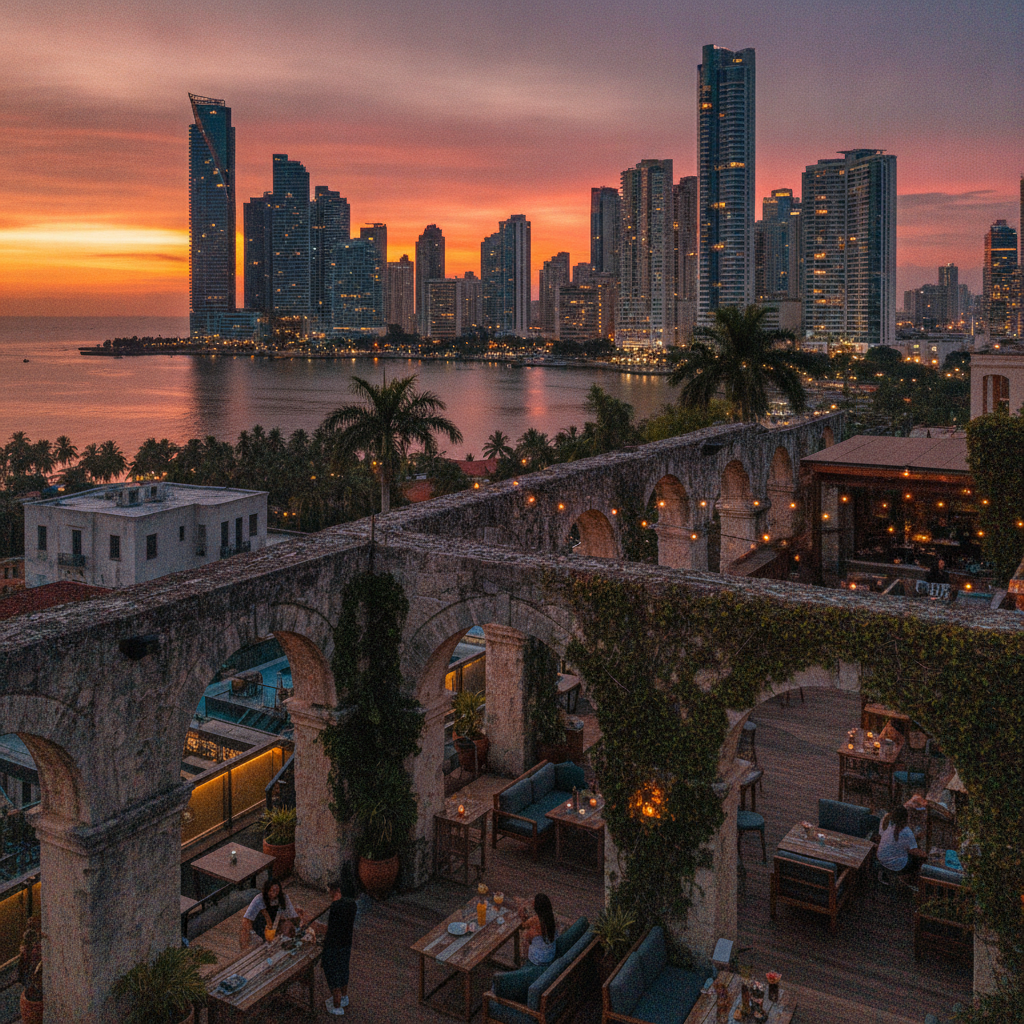
Panama City Nightlife, Arts, and the Cosmopolitan Capital Scene
Panama City has developed a nightlife and arts scene that reflects its status as the financial and transit hub of Central America. The city receives more international visitors than any other Central American capital, and the corresponding demand has produced a layered cultural economy from the rooftop bars of Casco Viejo to the electronic music clubs of the financial district. The arts scene, concentrated in Casco Viejo and the Miraflores area, includes galleries, the restored National Theater, and a film festival that has become regionally significant.
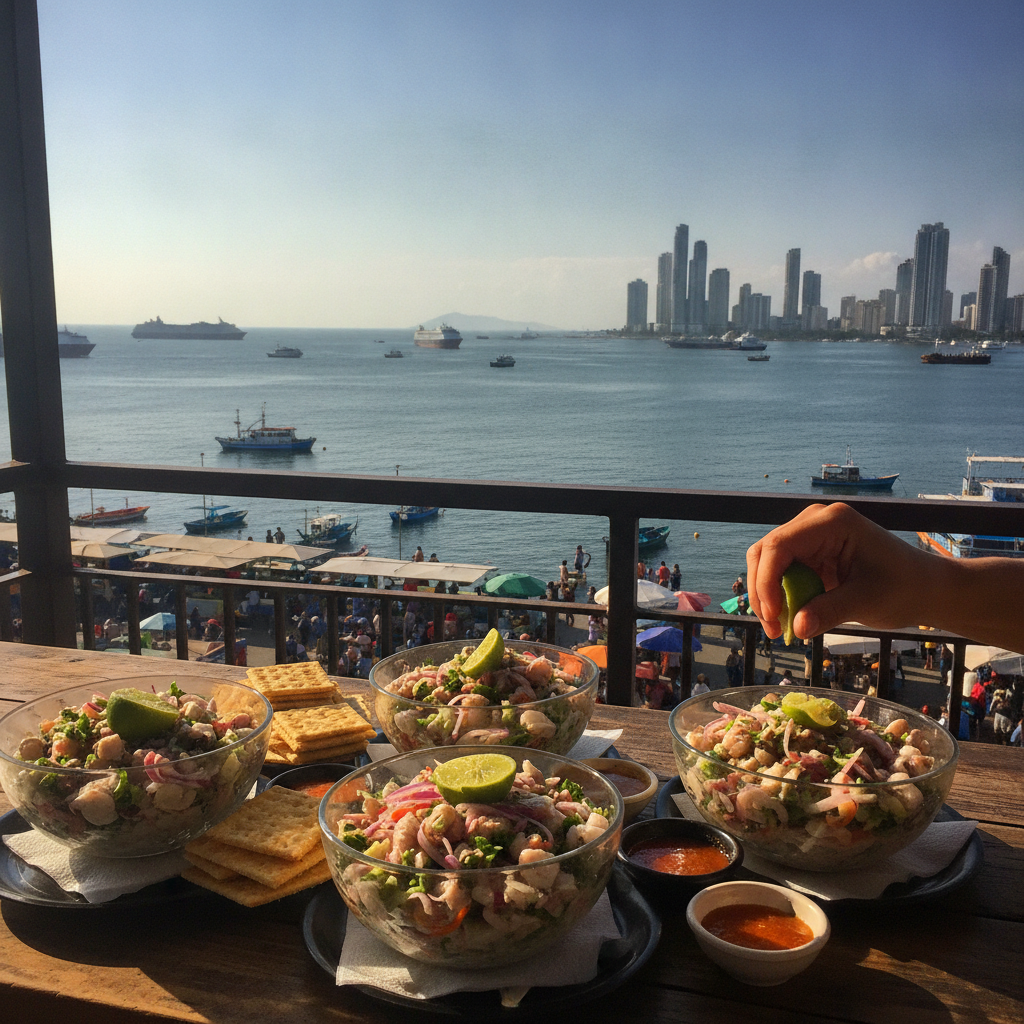
Panama City Food Scene: Ceviche, Sancocho, and the International Melting Pot
Panama City has one of the most ethnically diverse food cultures in Latin America, the result of the canal construction labor migration that brought Chinese, West Indian, Greek, Spanish, and Colombian workers, followed by American zone residents, Lebanese merchants, and more recently Colombian, Venezuelan, and Chinese immigrant communities. The resulting food landscape spans traditional Panamanian sancocho and ceviche de corvina to Afro-Caribbean rice and beans, Chinese Panamanian chop suey, and a contemporary restaurant scene that draws on all of these traditions.
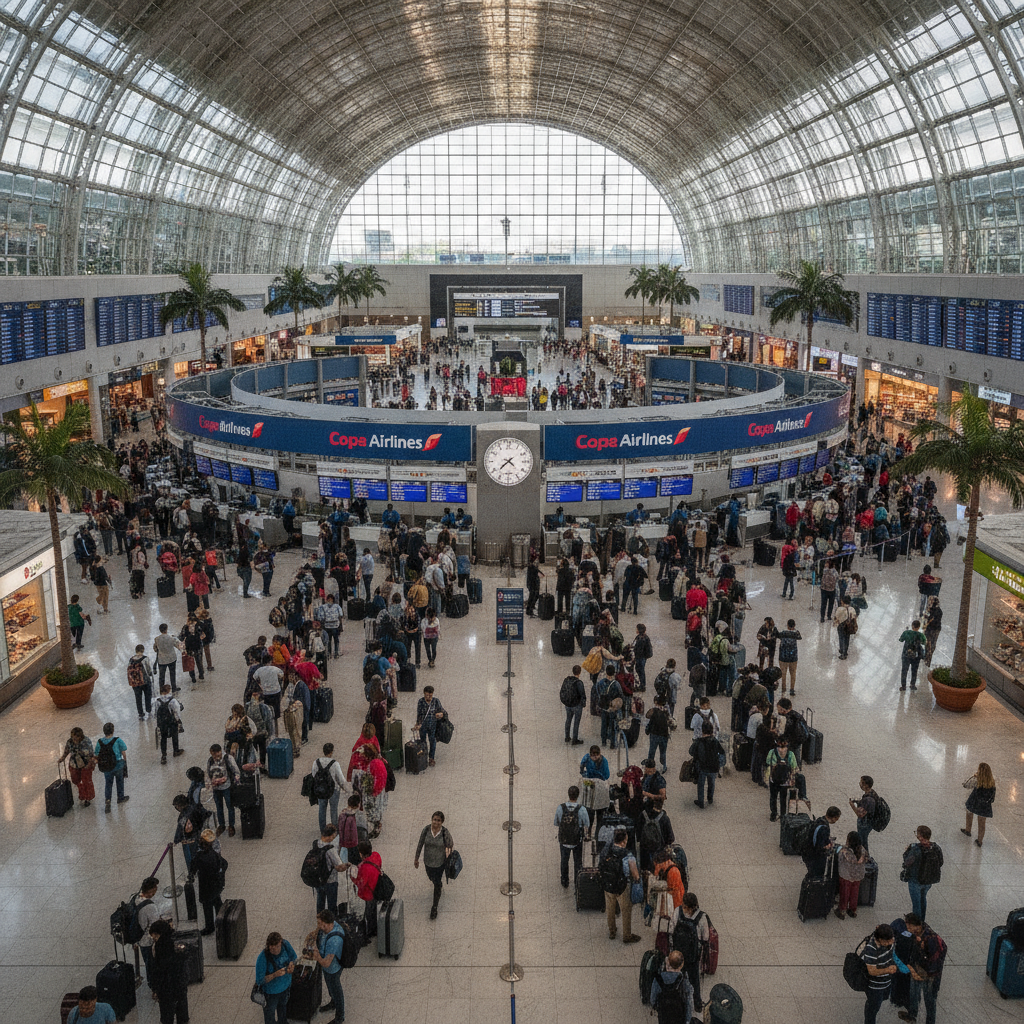
Panama City Practical Guide: Transport, Safety, Climate, and Using the City
Panama City is one of the easiest Latin American capital cities to navigate for English-speaking visitors, with a well-developed airport, functional metro, abundant taxis, and a business class used to operating in English. The city is significantly safer than its Central American neighbors but has specific zones requiring caution. The climate is tropical with a pronounced dry season from January through April. This route provides the practical framework for getting to Panama City, moving around, staying in the right neighborhood for your purpose, and understanding the cost structure.