San Blas Islands, Bocas del Toro, and Day Trips from Panama City
Panama City is the gateway to two of the most spectacular archipelago environments in the Caribbean: the San Blas Islands controlled by the Kuna Yala indigenous people and the Bocas del Toro archipelago in the northwest. Both are accessible as multi-day trips from the capital. The Darien Gap to the east, the most biodiverse and least accessible jungle in the Western Hemisphere, and the highland town of El Valle de Anton round out the day trip and excursion options from a capital that sits at the center of one of the most geographically diverse countries in the Americas.
- 1
San Blas Islands: Kuna Yala Territory and Indigenous Sovereignty
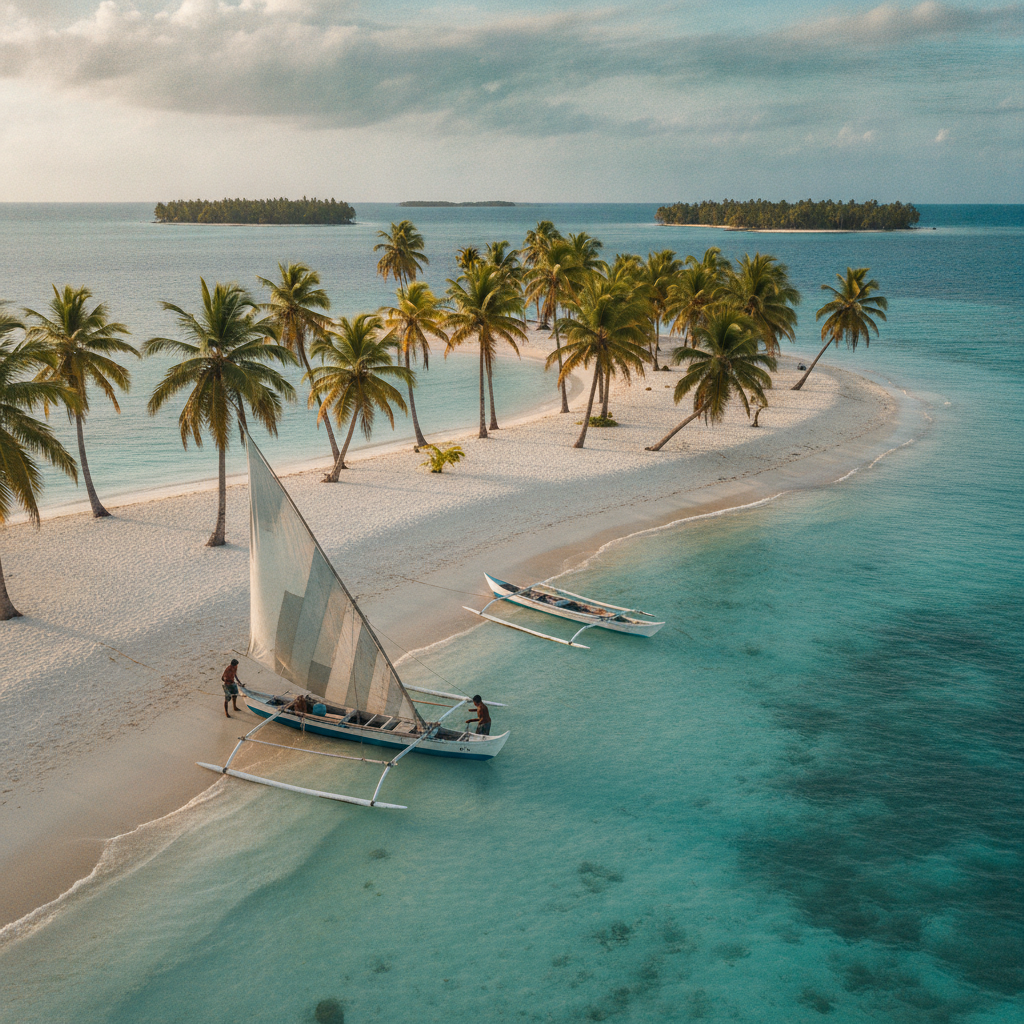
The San Blas archipelago of approximately 400 coral islands off the Caribbean coast of Panama is the autonomous territory of the Kuna Yala (Guna Yala) indigenous people, who maintain political and administrative control over their territory under a treaty framework recognized by the Panamanian constitution. The Kuna have maintained their cultural integrity, traditional dress (the women's mola textile panels are among the most recognized indigenous art forms in the Americas), and political autonomy through a combination of fierce resistance to outside encroachment and strategic use of the Panamanian legal system. Access to San Blas requires either a short charter flight from Panama City or a four-wheel drive drive to the coast followed by a boat crossing. Independent visitors must register with the Kuna authority and pay entry fees that go directly to the community.
- 2
Bocas del Toro: The Caribbean Archipelago in the Northwest
Bocas del Toro, the archipelago and province on the Caribbean coast near the Costa Rica border, is a different type of destination from San Blas. The main island, Colon Island, has the service town of Bocas del Toro with basic tourist infrastructure, and surrounding islands offer beach, reef snorkeling, and mangrove kayaking. The area has a resident Ngobe-Bugle indigenous community, a West Indian Afro-Caribbean community from the banana plantation era, and a growing international expat and backpacker population. Bocas is accessible by small plane from Panama City (one hour) or by bus to Almirante followed by a water taxi. The Caribbean reef at Bocas is accessible but not as pristine as San Blas due to runoff from agricultural land on the mainland coast.
- 3
The Darien Gap: The Jungle Between the Americas
The Darien Gap is the 100-kilometer interruption in the Pan-American Highway where the road system connecting North and South America breaks in the jungle between the Panamanian province of Darien and the Colombian department of Choco. The gap is maintained by the extraordinary density and remoteness of the jungle, the absence of roads, and the security situation created by Colombian guerrilla activity on the Colombian side. The Darien province on the Panamanian side contains the Darien National Park, a UNESCO World Heritage Site with exceptional biodiversity including harpy eagles, tapirs, and the full suite of neotropical forest mammals. Organized tours from Panama City access the edges of the park; deeper penetration requires experienced guides and coordination with the indigenous Embera and Wounaan communities who have managed the forest for centuries.
- 4
El Valle de Anton: The Volcano Crater Town
El Valle de Anton, a highland town of 7,000 people in the crater of an extinct volcano two hours west of Panama City, is the most popular weekend destination for the capital city population. The crater walls rise 600 meters above the town, creating a microclimate noticeably cooler than the Pacific lowlands. The Sunday market in El Valle sells vegetables, flowers, handicrafts, and the distinctive painted devil masks (diablicos) of the Cocle province craft tradition. The surrounding crater-wall forest is a birdwatching site for cloud forest species including the golden frog (Atelopus zeteki), a Panamanian endemic critically endangered by chytrid fungus. The Nispero Zoo in El Valle maintains a captive breeding program for the golden frog, which has been extirpated from most of its wild range.
- 5
Pearl Islands and the Bay of Panama
The Archipielago de las Perlas, 75 kilometers south of Panama City in the Pacific, was the site of Spanish pearl fisheries that made Panama famous in the colonial period. The islands are accessible by small plane or a 90-minute boat crossing from the Pacific entrance to the canal. Contadora Island has a small resort infrastructure and reliable Pacific beach conditions. Isla del Rey is the largest island and largely undeveloped, with small fishing communities. The bay around the islands is significant for humpback whale watching from July through October when Southern Hemisphere humpbacks come to calve, and manta rays are regularly encountered by divers. The Pearl Islands were also the location of the first season of the US television show Survivor, which generated brief international attention.
- 6
Colon and the Trans-Isthmian Railroad
Colon, the city at the Atlantic end of the canal, is the second city of Panama and has a significantly worse security reputation than Panama City. The Colon Free Trade Zone adjacent to the city is the largest free trade zone in the Western Hemisphere by value of goods processed. The Panama Railroad, the first transcontinental railroad in the Americas completed in 1855, connects Panama City and Colon in a journey of 77 kilometers through the canal zone forest, passing Gatun Lake and offering views of canal operations and canal zone wildlife from the rail corridor. The train operates on weekends as a tourist service in addition to freight use. Colon city itself requires caution and ideally a local guide; the contrast between the Free Trade Zone wealth and the city poverty is one of the starkest in Latin America.
Walk this route with audio
Stories play automatically as you reach each stop — no tapping needed.
More in Panama City
Panama City as a Financial Hub: Banking, the Dollar Economy, and Free Trade Zones
Barro Colorado Island and the Smithsonian Tropical Research Institute
Panama Canal History: The French Failure, the American Triumph, and the 1999 Transfer
Panama City: Canal Locks, Casco Viejo, and the Crossroads of the World
Panama City Nightlife, Arts, and the Cosmopolitan Capital Scene