Panama City: Canal Locks, Casco Viejo, and the Crossroads of the World
Panama City is one of the most strategically positioned cities in the Western Hemisphere, built at the Pacific entrance of the canal that connects two oceans and through which five percent of world trade passes. The city has two distinct historic cores: the original colonial settlement of Casco Viejo, a UNESCO World Heritage Site of crumbling Spanish baroque and French belle epoque architecture, and the ruins of Panama Viejo, the first European city on the Pacific coast of the Americas. Between them rises one of the most dramatic modern skylines in Latin America, a forest of glass towers financed by the financial services industry that has made Panama the banking hub of the region.
- 1
Panama Canal Miraflores Locks: Watching Ships Transit the Divide
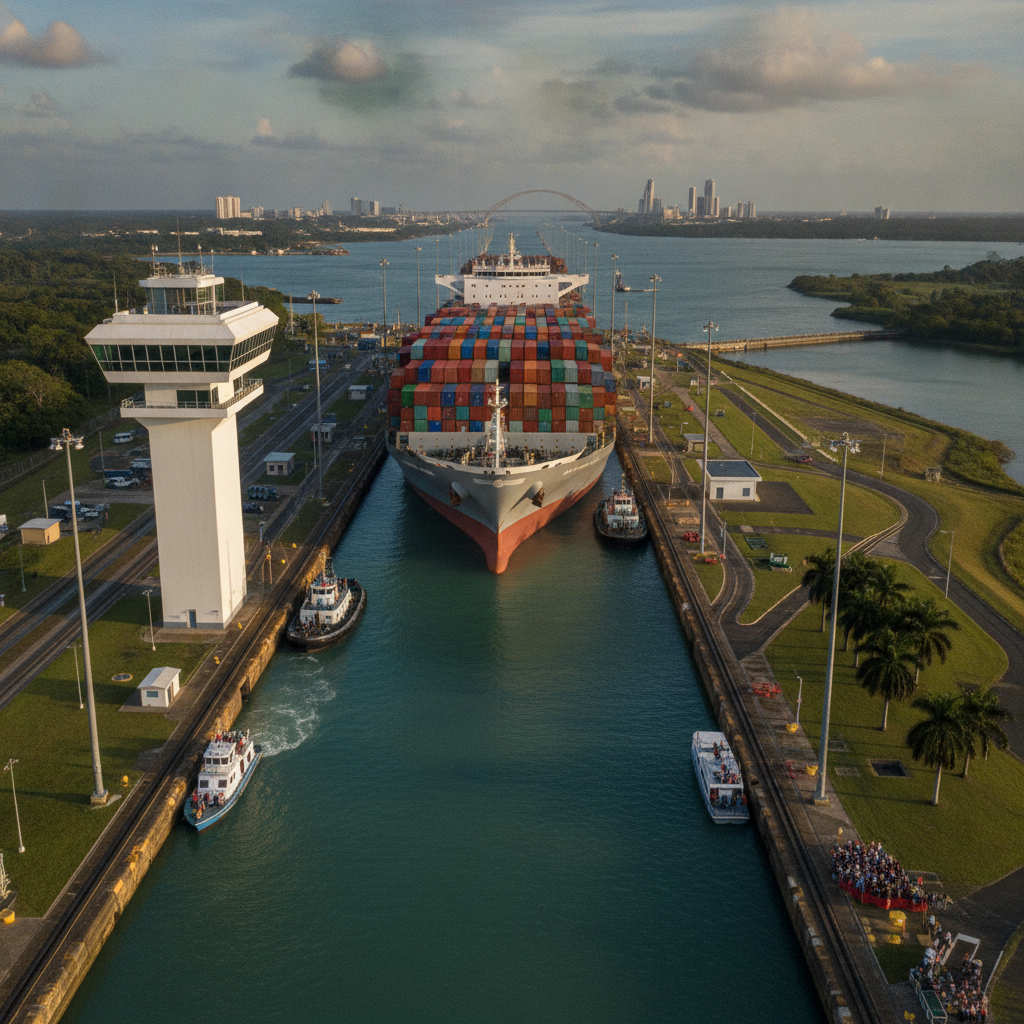
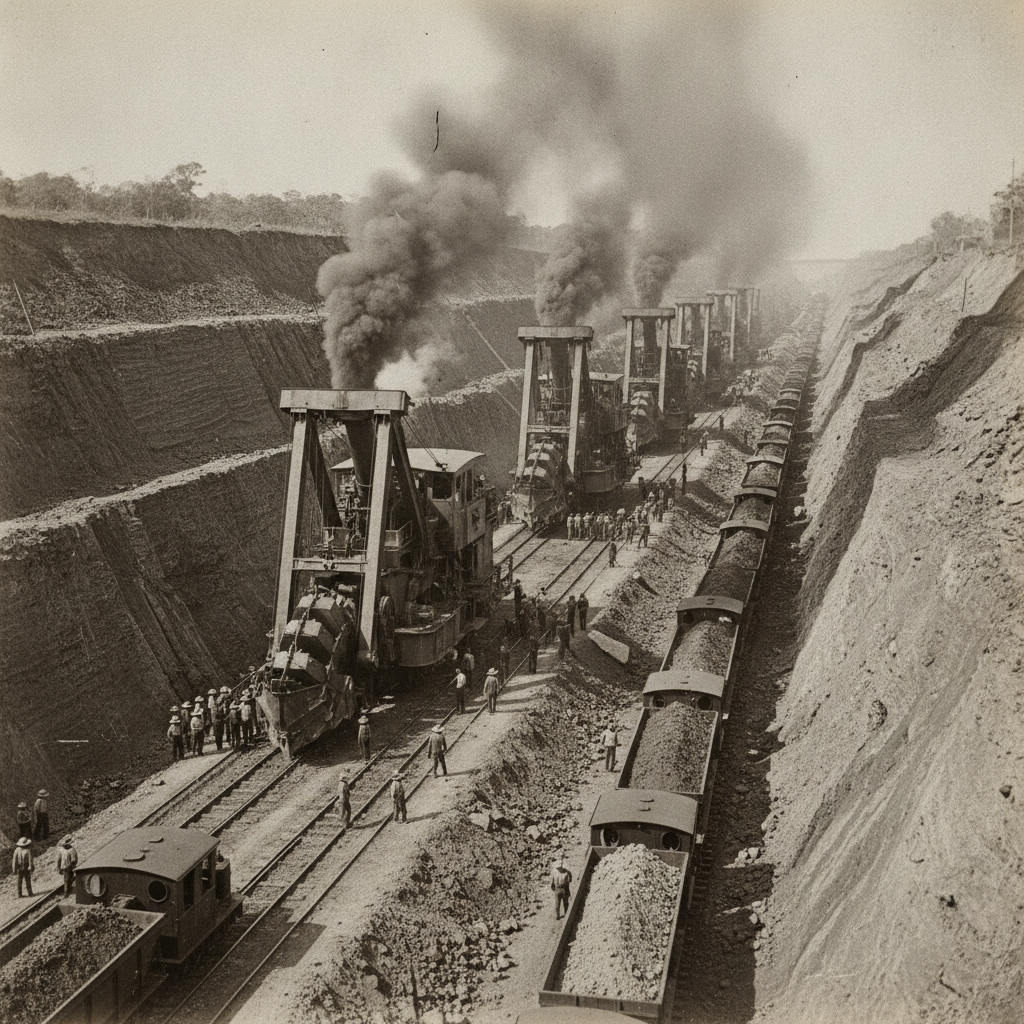
The Miraflores Locks visitor center, eight kilometers from downtown Panama City, is where cargo ships, tankers, and cruise vessels are raised 16.5 meters from Pacific sea level to the Miraflores Lake before continuing toward the Atlantic. The observation deck overlooks the lock chambers as Panamax and Neo-Panamax vessels are guided through by electric mule locomotives on rails. The scale is staggering: the locks are 365 meters long and the largest vessels that transit, the New Panamax ships designed to exactly fit the expanded 2016 locks, carry up to 13,000 containers. The visitor center includes a museum covering canal history, the French and American construction eras, and the 1999 Panamanian sovereignty transfer.
- 2
Casco Viejo: Colonial Ruins and the Gentrification Frontier
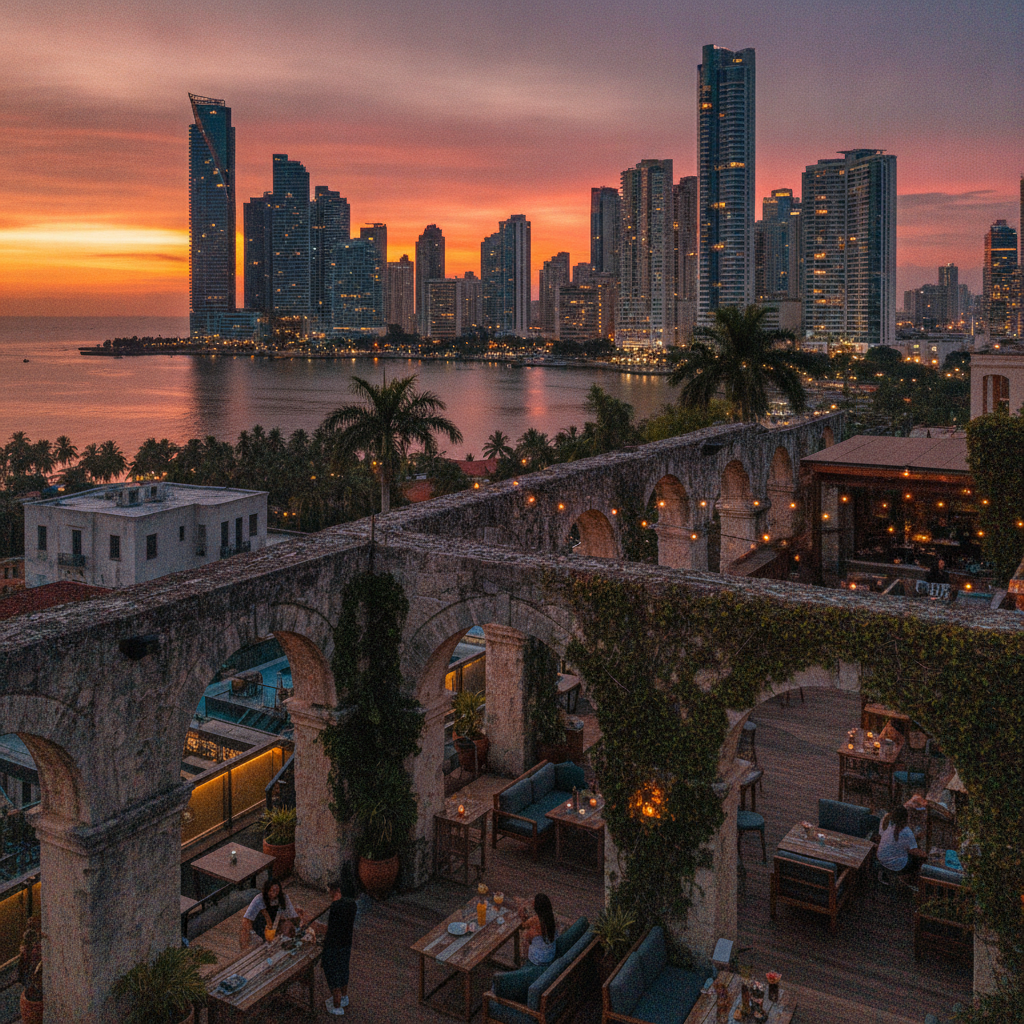
Casco Viejo, the Spanish colonial peninsula established in 1673 after pirates sacked Panama Viejo, is the most visually complex urban landscape in Central America. The neighborhood contains Spanish baroque churches including the Metropolitan Cathedral, the French-designed National Theater, the Plaza de Francia built on the old Spanish fort tip, and hundreds of colonial and nineteenth-century buildings in states of decay and restoration ranging from complete ruin to boutique hotel. The gentrification of Casco Viejo accelerated from the 2000s, displacing low-income residents who had occupied the decaying buildings and replacing them with restaurants, galleries, and hotels oriented to the international business and tourist class. The UNESCO heritage designation has both funded restoration and accelerated the social displacement.
- 3
Panama Viejo: The Ruined First City
Panama Viejo, founded in 1519, was the first permanent European settlement on the Pacific coast of the Americas and the starting point of the Camino Real trail that transported Peruvian silver across the isthmus to the Atlantic fleet. The city was sacked and burned by the Welsh privateer Henry Morgan in 1671, and the ruins of the cathedral tower, the convent of La Concepcion, and the bridge of the king remain visible among the expanding modern city that has grown around them. The Museo de la Biodiversidad, designed by Frank Gehry and opened in 2014, sits adjacent to the ruins and covers the geological and biological history of the isthmus. The ruins are the archaeological foundation of Panama City's claim to be the oldest continuously inhabited European settlement on Pacific America.
- 4
The Modern Skyline: Financial Hub and the Dollarized Economy
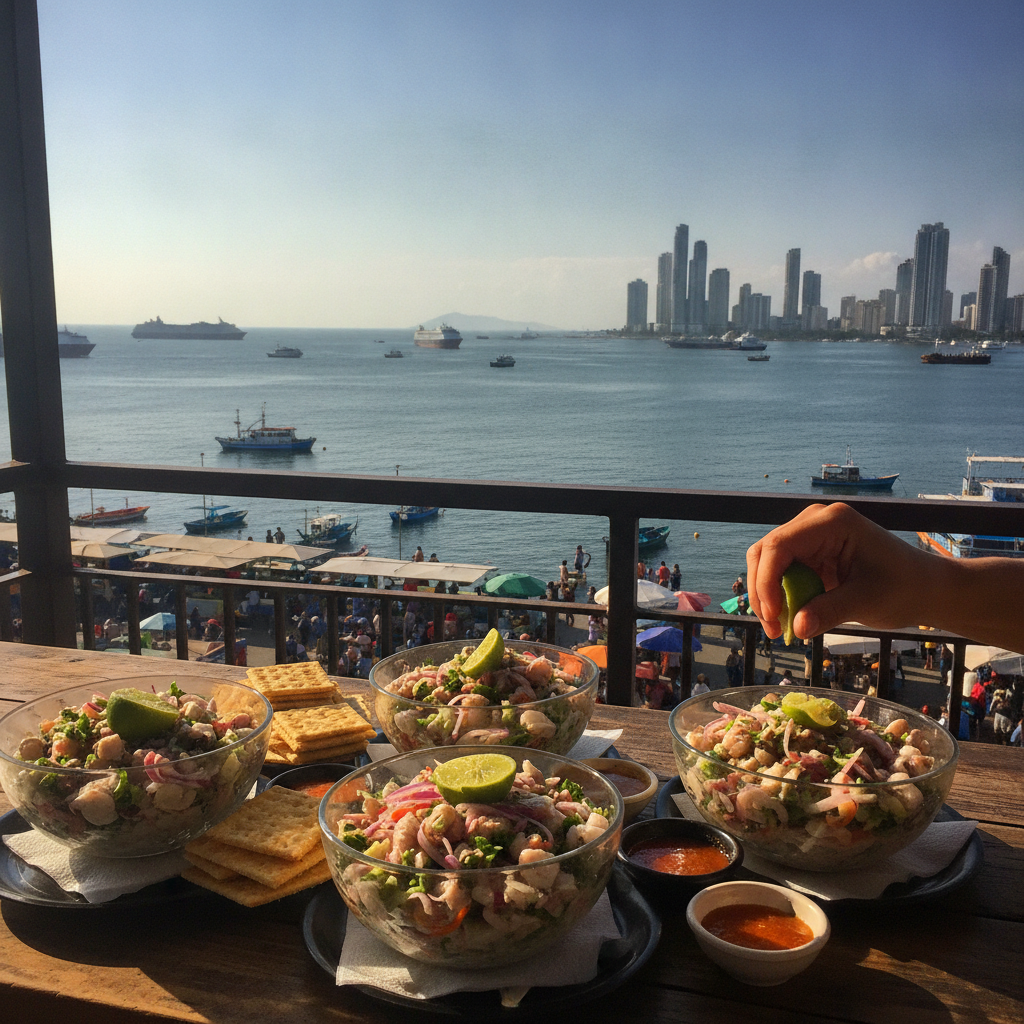
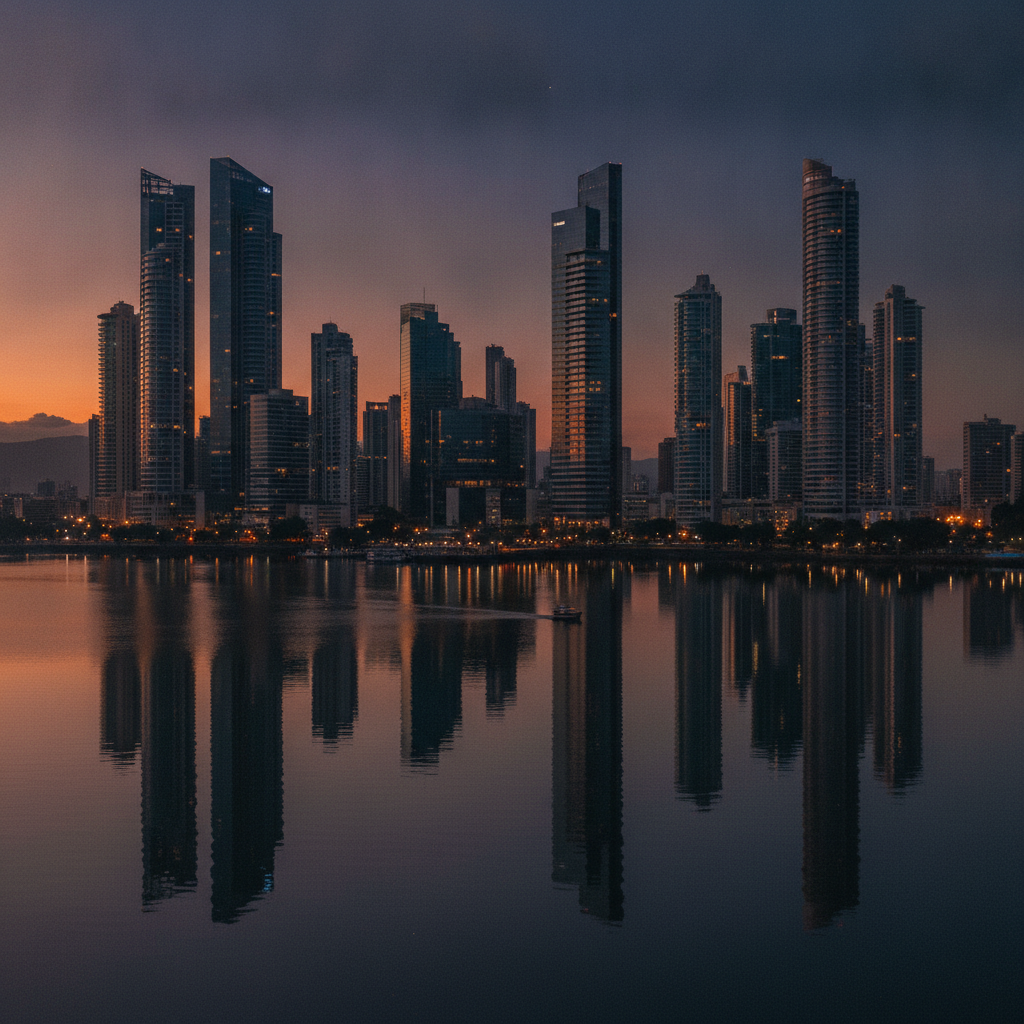
The cluster of glass towers on the Punta Pacifica peninsula and along the Cinta Costera coastal highway represents the financial services economy that has made Panama City the banking and offshore services center of Latin America. The country has used the US dollar since 1904, eliminating currency risk for foreign investors and depositors. Over 90 international banks maintain operations in Panama City. The Colon Free Trade Zone, the largest free trade zone in the Western Hemisphere, processes billions of dollars in goods annually. The Punta Pacifica Biomuseo and the fish market at Mercado de Mariscos anchor the civilian uses of the waterfront between the financial towers, providing access points to the Bay of Panama and its pelican and frigate bird populations.
- 5
Soberania National Park: Jungle Birdwatching Minutes from Downtown
Soberania National Park, beginning at the canal's eastern bank twenty minutes from downtown Panama City, contains primary tropical rainforest accessible on the Pipeline Road, one of the most celebrated birdwatching sites in the world. Over 525 bird species have been recorded along the 17-kilometer unpaved road that follows a former oil pipeline corridor through the canal zone forest. The Panama Christmas Bird Count conducted on Pipeline Road regularly records the highest single-day species totals for any location in the Western Hemisphere. Harpy eagles have been recorded on Pipeline Road, and the forest holds howler monkeys, Geoffrey's tamarins, anteaters, and the full neotropical mammal community. The biological richness is a direct result of the canal zone forest being protected from agricultural development since 1913.
- 6
Miraflores to Gatun: The Full Canal System
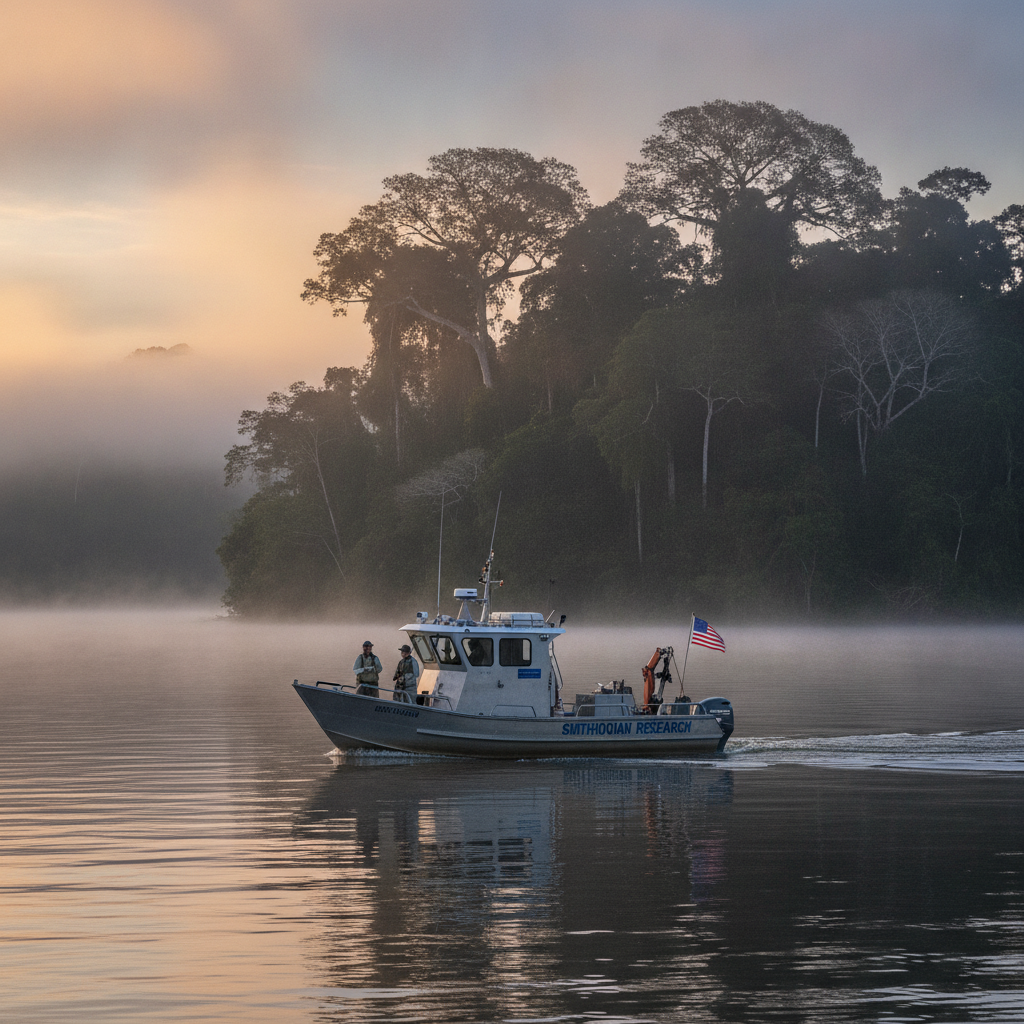
Beyond the Miraflores Locks visitor center, the complete canal system extends 80 kilometers to the Gatun Locks on the Caribbean coast. Gatun Lake, created by damming the Chagres River and completed in 1913, was the largest artificial lake in the world at the time of its construction and remains the primary reservoir of freshwater that fills and empties the locks with each transit. Boat tours on Gatun Lake pass through primary rainforest on the lake islands, including Barro Colorado Island, home of the Smithsonian Tropical Research Institute and one of the most intensively studied tropical forest plots on earth. The expanded locks at Agua Clara on the Caribbean side opened in 2016 and handle the Neo-Panamax ships that are too wide for the original 1914 locks.
Walk this route with audio
Stories play automatically as you reach each stop — no tapping needed.
More in Panama City
Panama City as a Financial Hub: Banking, the Dollar Economy, and Free Trade Zones
Barro Colorado Island and the Smithsonian Tropical Research Institute
San Blas Islands, Bocas del Toro, and Day Trips from Panama City
Panama Canal History: The French Failure, the American Triumph, and the 1999 Transfer
Panama City Nightlife, Arts, and the Cosmopolitan Capital Scene