Panama City as a Financial Hub: Banking, the Dollar Economy, and Free Trade Zones
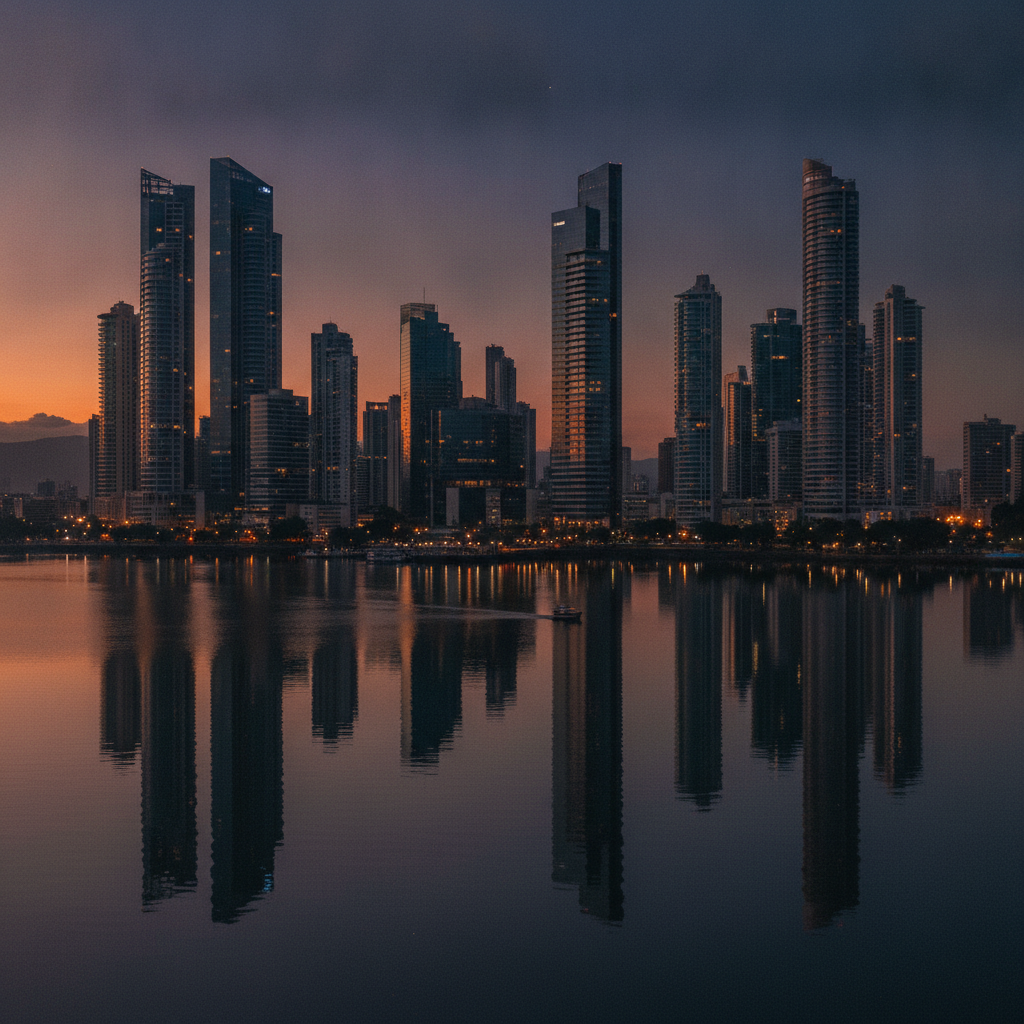
Panama City is the most important financial center in Latin America after Sao Paulo and Mexico City, built on the combination of the US dollar as official currency, strict banking secrecy laws, the largest free trade zone in the Western Hemisphere, and the canal revenue that provides macroeconomic stability. The financial services economy shapes the character of the city: the glass tower skyline, the professional expat population, the high cost of living relative to Central American neighbors, and the commercial infrastructure that serves the corporate and offshore banking market.
- 1
The Dollarized Economy and Banking Secrecy
Panama adopted the US dollar as its sole currency in 1904 under the Hay-Bunau-Varilla Treaty, eliminating currency risk for foreign investors and depositors. The country has no central bank and no monetary policy: money supply adjusts automatically through the balance of payments, a system that produces low inflation and stable credit conditions but eliminates the ability to use monetary policy for economic stabilization. Banking secrecy laws established in the 1970s attracted offshore deposits from Latin American elites seeking protection from political instability and domestic taxation. The 2016 Panama Papers leak, in which 11.5 million documents from the Mossack Fonseca law firm revealed the offshore structures of political figures and corporations from 200 countries, put Panama's financial secrecy system under intense international scrutiny and pressure.
- 2
Colon Free Trade Zone: The Logistics Hub
The Colon Free Trade Zone, established in 1948 adjacent to the Atlantic canal entrance, is the second-largest free trade zone in the world by value of goods traded, after Hong Kong. Over 3,000 companies operate from the zone, importing goods from Asia and re-exporting them duty-free to Latin American and Caribbean markets. The merchandise ranges from electronics and clothing to pharmaceuticals and jewelry. The zone generates approximately 27 billion USD in annual imports and exports, employing 25,000 people directly. The zone's economic model is purely commercial: goods transit but are not manufactured there. The adjacent city of Colon, despite being the location of this massive commercial operation, has one of the highest poverty rates in Panama, a disparity that encapsulates the inequality embedded in the free trade zone model.
- 3
Ship Registry and Maritime Services
Panama hosts the world's largest ship registry by number of vessels and gross tonnage, with over 8,000 ships flying the Panamanian flag. The open registry, established in 1925, allows vessels owned by companies from any country to register under Panamanian law and flag in exchange for registration fees and annual taxes. The financial model requires no connection to Panama beyond payment: a Japanese shipping company can register a ship in Panama, crew it with Filipino seafarers, and call at ports worldwide under the Panamanian flag. The registry revenue contributes significantly to the government budget. The Panama Maritime Authority also regulates the ships transiting the canal, creating a concentration of maritime administrative, insurance, and legal services in Panama City comparable to London and Singapore.
- 4
Real Estate, Money Laundering, and the Tower Economy
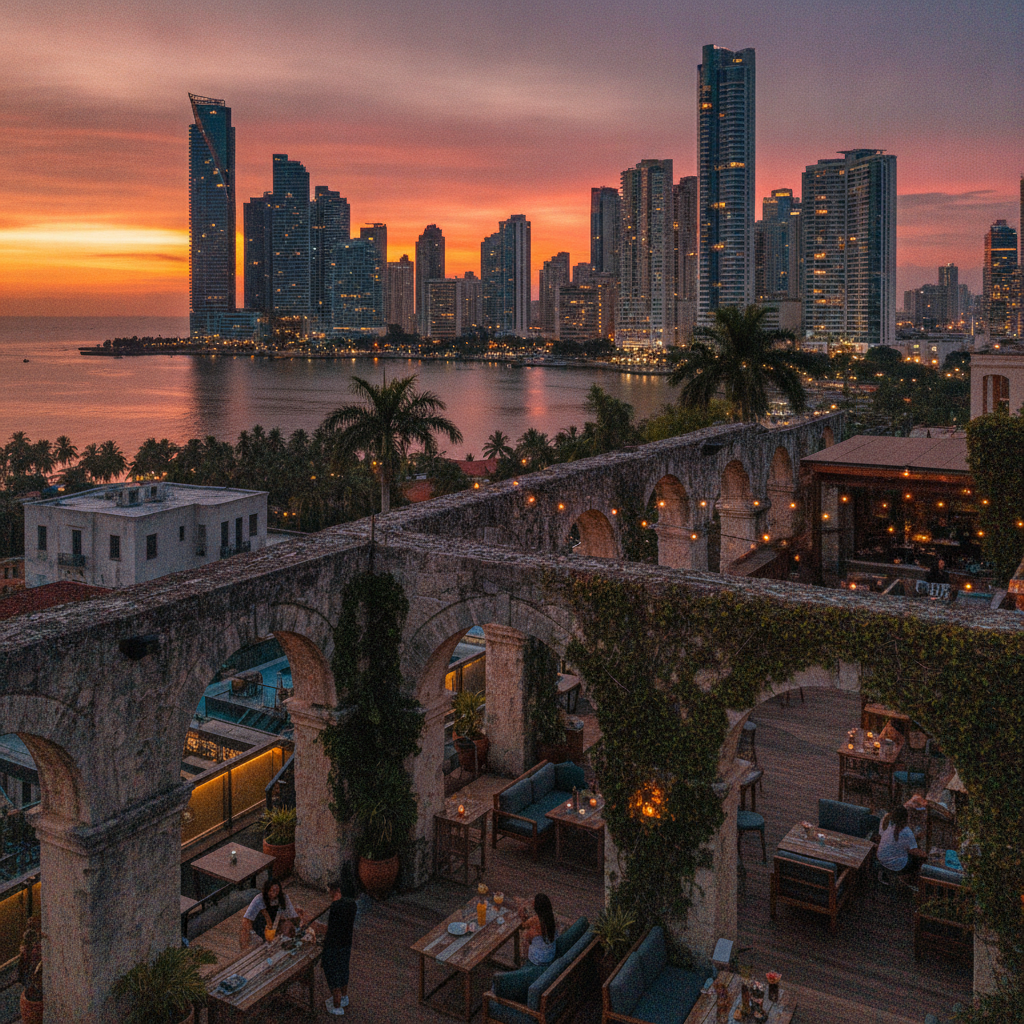
The Panama City skyline of glass towers, the most dramatic in Central America, is partly the product of a real estate sector that functions as a vehicle for offshore wealth storage and money laundering. Panama has been consistently identified by international anti-money laundering bodies as a high-risk jurisdiction, and the construction of luxury apartment towers that are purchased and held empty is a documented pattern in the Punta Pacifica and Costa del Este financial district neighborhoods. The legitimate real estate market, serving the growing professional class and the expat and retiree population attracted by the dollarized stability and tropical climate, coexists with this shadow economy in a way that makes the two difficult to disentangle from the outside.
- 5
The Pensionado Visa and Retirement Migration
Panama offers one of the most generous retirement visa programs in the world, the Pensionado visa, which provides permanent residency to foreigners receiving a pension of at least 1,000 USD per month from a foreign government or corporation. The program includes discounts of 20 to 50 percent on utilities, medical services, airline tickets, and restaurant bills. The combination of the dollarized economy, the visa benefits, the tropical climate, and the US-standard medical infrastructure in Panama City has attracted a large North American and European retirement community, concentrated in Panama City, Boquete in the highlands, and the Pearl Islands. The retiree population has become a significant economic and political constituency, with advocacy organizations and English-language media serving the community.
- 6
Panama City vs. Regional Peers: Cost of Living and the Financial District Bubble
Panama City is significantly more expensive than other Central American capitals. The financial district neighborhood of Punta Pacifica and the El Cangrejo residential zone have prices for food, accommodation, and services comparable to a mid-tier European city rather than a developing country capital. Outside these zones, prices drop substantially, but the dual economy of the financial district and the rest of the city is more pronounced than in comparable capitals. The combination of the dollarized economy, the import dependence for most consumer goods, and the purchasing power of the financial services workforce creates a cost structure that surprises visitors expecting the price levels of neighboring Costa Rica or Colombia. The benefits of this economy are real but concentrated; the Gini coefficient of Panama is among the highest in Latin America.
Walk this route with audio
Stories play automatically as you reach each stop — no tapping needed.
More in Panama City
Barro Colorado Island and the Smithsonian Tropical Research Institute
San Blas Islands, Bocas del Toro, and Day Trips from Panama City
Panama Canal History: The French Failure, the American Triumph, and the 1999 Transfer
Panama City: Canal Locks, Casco Viejo, and the Crossroads of the World
Panama City Nightlife, Arts, and the Cosmopolitan Capital Scene