 Costa Rica
Manuel Antonio
Discover routes, attractions, and guides in Manuel Antonio.
8 routes
LGBTQ+ Travel in Manuel Antonio and the Costa Rica Context
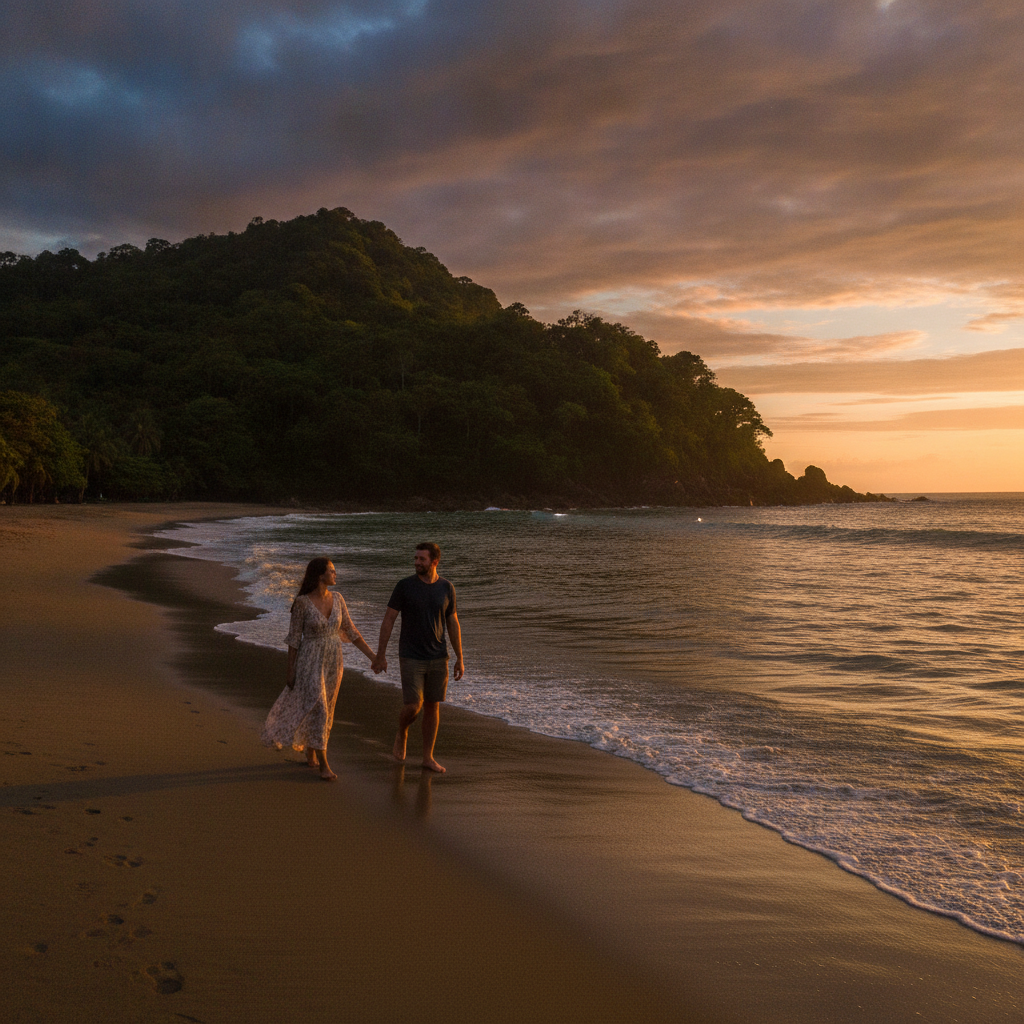
Manuel Antonio has developed one of the most visible and welcoming LGBTQ+ tourism environments in Central America. The combination of relatively progressive Costa Rican civil rights law, a large international tourist base that normalizes public same-sex affection, and a cluster of gay-owned and gay-friendly hotels and bars on the hillside has made the destination specifically marketed to LGBTQ+ travelers from North America and Europe. This route examines the social geography of LGBTQ+ life in Manuel Antonio, the legal context in Costa Rica, and the economics of the niche tourism market.

Osa Peninsula and Corcovado: The Most Biodiverse Place on Earth
Corcovado National Park on the Osa Peninsula, four to five hours south of Manuel Antonio, is described by National Geographic as the most biologically intense place on earth. The park holds all four Costa Rican monkey species, the largest tapir population in Central America, harpy eagles, scarlet macaws, and one of the last remaining viable jaguar populations in the country. Access requires either a charter flight to Puerto Jimenez or Drake Bay or a long overland journey on rough roads. This route covers Corcovado as a multi-day extension from Manuel Antonio and examines why the Osa remains one of the least developed corners of Central America.
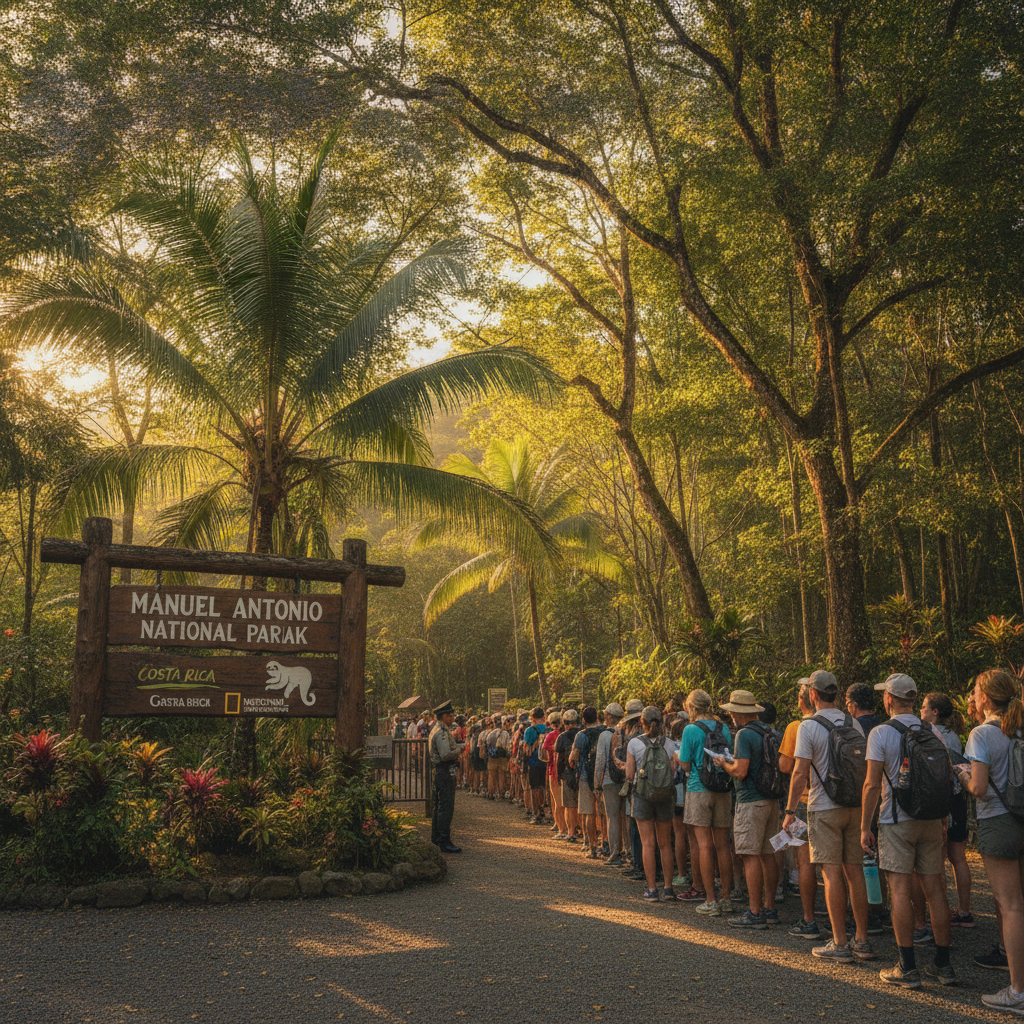
Manuel Antonio Practical Guide: Park Access, Accommodation Budget, and Seasonal Planning
Manuel Antonio is one of the easiest national parks in Costa Rica to visit independently but requires specific advance planning that catches many first-time visitors off guard. Park tickets sell out, accommodation prices vary dramatically by season, and the weather creates genuinely different experiences at different times of year. This route provides the practical framework for planning a Manuel Antonio visit from San Jose, covering the reservation system, accommodation zones and price ranges, transport options, and the month-by-month seasonal guide.
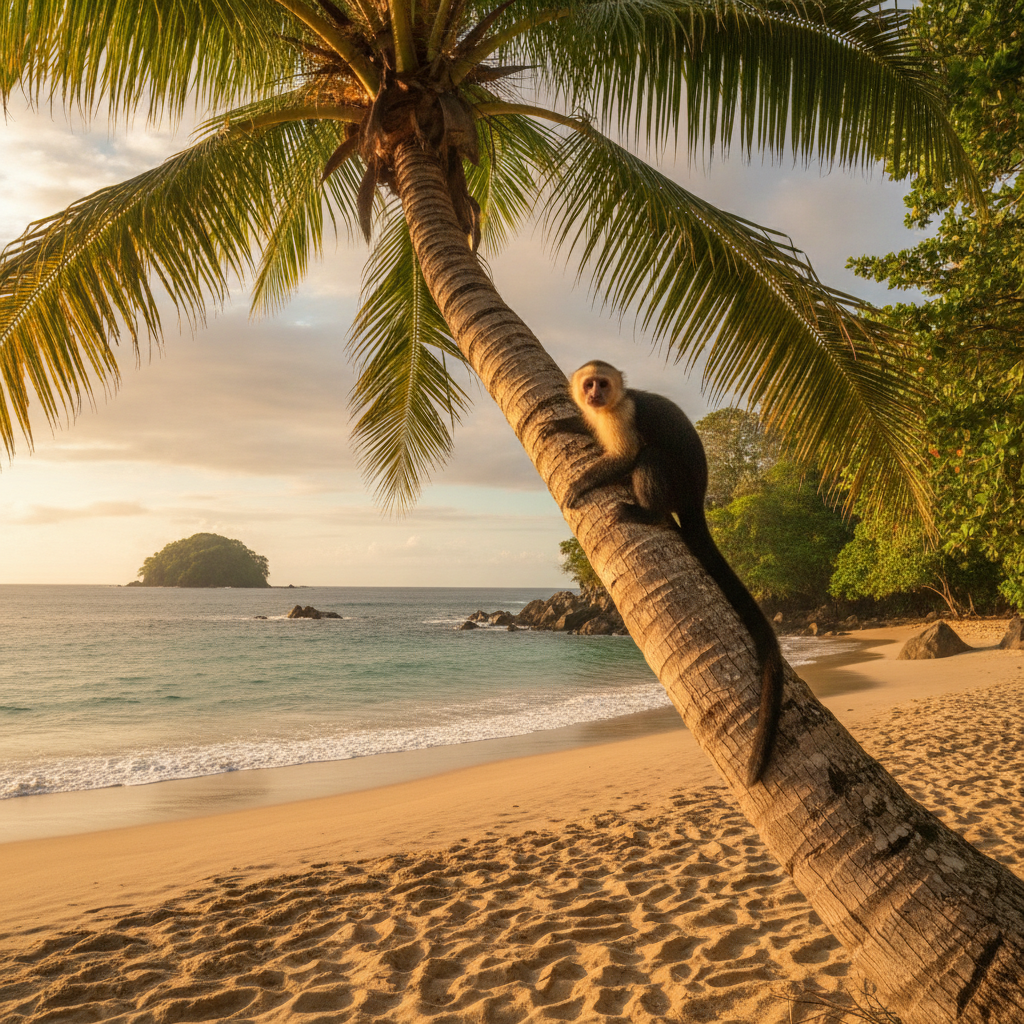
Manuel Antonio: National Park, Wildlife, and the Pacific Coast Beach Experience
Manuel Antonio is the most visited national park in Costa Rica, combining primary rainforest with Caribbean-quality white sand beaches in a small peninsula jutting into the Pacific Ocean. The park hosts white-faced capuchin monkeys, two-toed and three-toed sloths, squirrel monkeys, coatis, and hundreds of bird species in a compact area that can be covered on foot in a day. The town of Quepos at the park entrance has developed into a full-service tourist hub. This route covers the park experience, the surrounding nature, the beach culture, and the practical visitor framework.
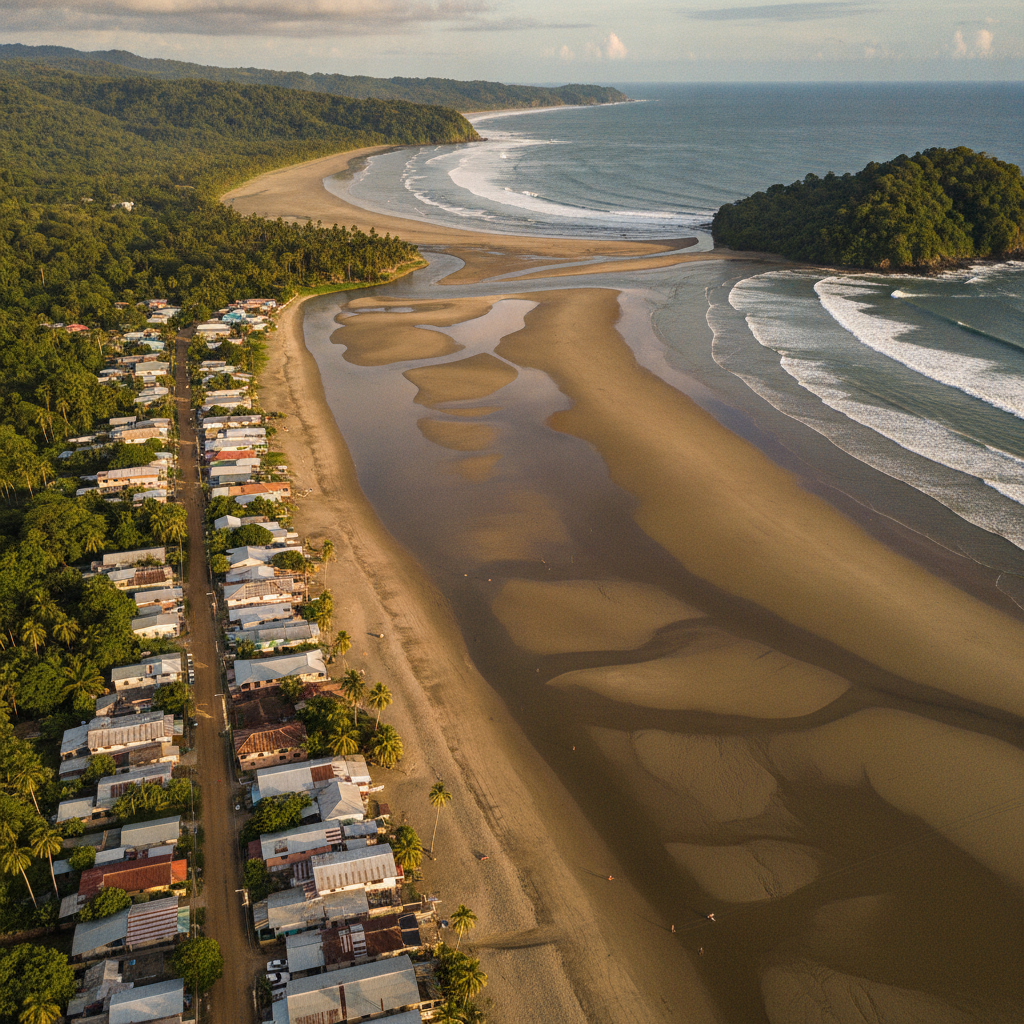
Jaco Beach, Dominical, and the Central Pacific Coast Circuit
The Central Pacific coast of Costa Rica between Jaco and Dominical forms a 60-kilometer arc of surf beaches, river estuaries, and forested headlands that together constitute the most accessible beach region from San Jose. Jaco, two hours from the capital, is the most developed beach town with the strongest surf; Dominical, thirty minutes south of Quepos, is a smaller surf village with a younger backpacker demographic. Manuel Antonio sits at the geographic center of this circuit. This route covers the coast as a regional system for travelers using Manuel Antonio as a base.
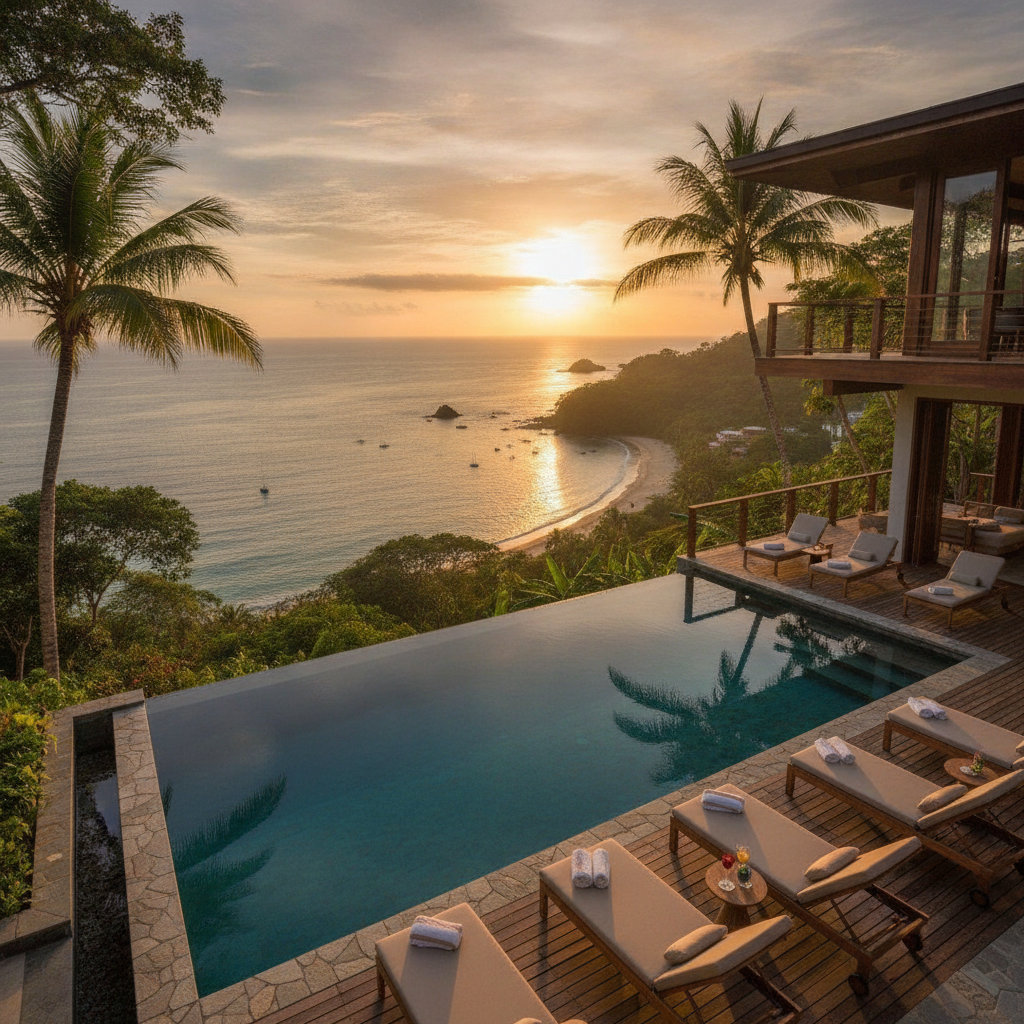
Manuel Antonio Food, Nightlife, and the Hillside Hotel Scene
The hillside above Manuel Antonio has become one of the most dramatic hotel corridors in Costa Rica, with boutique properties perched on the forested slope offering Pacific views from infinity pools. The food and nightlife scene in Quepos and the hotel zone serves a sophisticated international tourist market. This route covers the dining landscape from Quepos market sodas to hilltop restaurants, the bar scene centered on Quepos waterfront, and the economics of the luxury boutique hotel model that defines the upper end of the Manuel Antonio experience.

Birdwatching at Manuel Antonio: 184 Species and the Coastal Forest Corridor
Manuel Antonio National Park records 184 bird species within its boundaries, and the surrounding coastal forest and estuarine habitats add significantly to the total accessible from the park zone. The location at the transition between dry and wet Pacific coast ecosystems produces a species mix that includes both dryland specialists and humid forest birds. This route covers the birdwatching landscape around Manuel Antonio for visitors with specific birding interest, from the park trails at dawn to the Damas mangrove estuary and the highland forest road toward Cerro de la Muerte.
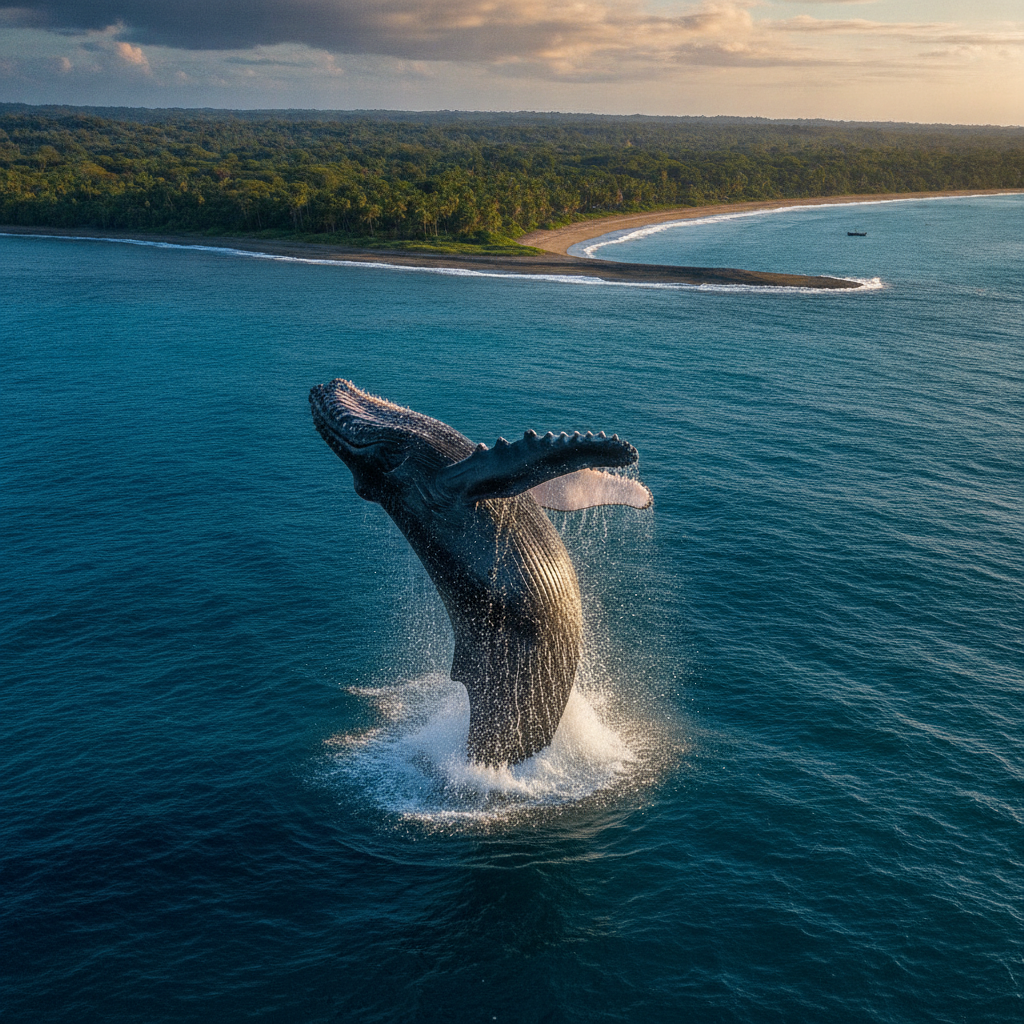
Naranjo River Rafting, Savegre Valley, and the Inland Landscape Around Manuel Antonio
The landscape inland from the Manuel Antonio coast is as ecologically significant as the park itself. The Savegre River drainage, originating on the Cerro de la Muerte highlands, supports one of the most important resplendent quetzal populations in Costa Rica outside of Monteverde. The Naranjo and Savegre rivers offer white-water rafting in the rainy season. The Damas Island mangrove estuary north of Quepos is a productive birdwatching and kayaking ecosystem. This route maps the inland and estuarine natural landscape beyond the park boundary.