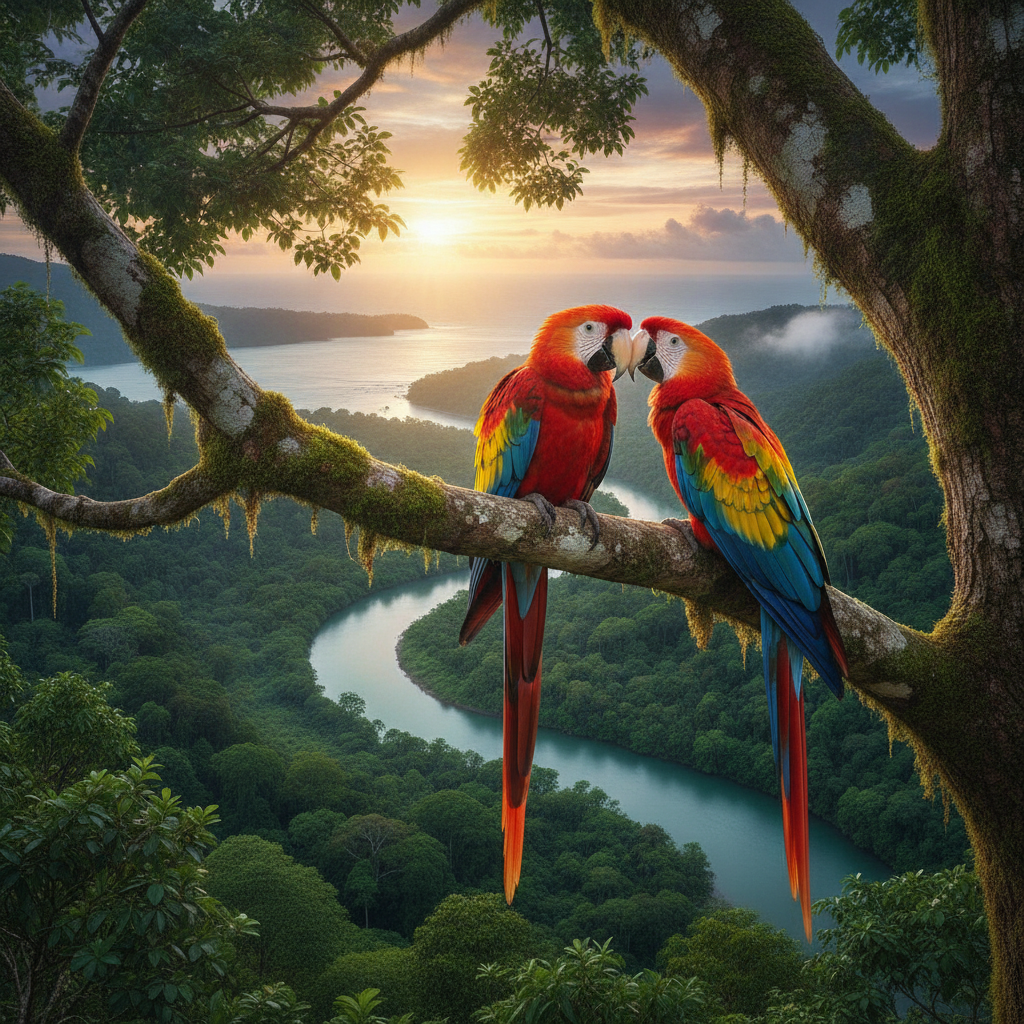
Osa Peninsula and Corcovado: The Most Biodiverse Place on Earth
Corcovado National Park on the Osa Peninsula, four to five hours south of Manuel Antonio, is described by National Geographic as the most biologically intense place on earth. The park holds all four Costa Rican monkey species, the largest tapir population in Central America, harpy eagles, scarlet macaws, and one of the last remaining viable jaguar populations in the country. Access requires either a charter flight to Puerto Jimenez or Drake Bay or a long overland journey on rough roads. This route covers Corcovado as a multi-day extension from Manuel Antonio and examines why the Osa remains one of the least developed corners of Central America.
- 1
Why Corcovado: The Biodiversity Numbers and the Conservation Story
Corcovado National Park covers 424 square kilometers of lowland primary rainforest on the Osa Peninsula, one of the last large tracts of Pacific lowland rainforest in Central America. The park holds 13 endangered species including Baird's tapir, American crocodile, giant anteater, and white-lipped peccary. The jaguar population, estimated at 25 to 50 individuals, is one of the few in Costa Rica where the cats have enough territory to maintain a genetically viable population. The park was established in 1975 after gold miners were removed; illegal gold panning by oreros remains an ongoing problem that park rangers actively combat. The ecosystem complexity that produces the biodiversity statistics is a function of the intact watershed from the Osa highlands to the coast.
- 2
Getting to Corcovado: Logistics from Manuel Antonio
Corcovado is not a day trip from Manuel Antonio. The options are a charter flight from Quepos or San Jose to the grass airstrips at Puerto Jimenez or Drake Bay, which takes thirty minutes and costs 150 to 300 USD each way, or a four to five hour drive on the Costanera highway and then the rough road around the Osa Peninsula. Puerto Jimenez is the base for the Sirena ranger station and the Carate entrance; Drake Bay gives access to the San Pedrito and La Leona stations. All visitors must hire a certified park guide, a regulation imposed after visitor safety incidents. A minimum two-day trip is needed for a meaningful Corcovado experience; three to four days allows coverage of multiple park zones.
- 3
Sirena Biological Station: Overnight in the Park
Sirena, the main ranger station inside Corcovado, offers dormitory accommodation and meals bookable through SINAC in advance. Staying overnight at Sirena transforms the Corcovado experience: the dawn chorus of howler monkeys and scarlet macaws at the airstrip is the most spectacular wildlife sound event on the Pacific coast, and the night trail walk offers encounters with mammals that rest in cover during the day. Tapirs regularly come to the station clearing at night. The beach at Sirena, where the Rio Sirena enters the sea, has American crocodiles visible from the bank. The station is accessible only by the long coastal trail from La Leona, by boat from Drake Bay, or by charter flight.
- 4
Whale Shark, Rays, and the Golfo Dulce Marine Environment
The Golfo Dulce, the enclosed gulf between the Osa Peninsula and the mainland, is one of only four tropical fjords in the world and one of the most productive marine environments on the Pacific coast of the Americas. The deep water of the gulf (200 meters at the deepest) creates an upwelling that concentrates nutrients and supports large fish aggregations. Whale sharks aggregate outside the gulf mouth seasonally. Humpback whales from both hemispheres use the gulf as a calving and nursing area. Snorkeling and diving in the Golfo Dulce from Puerto Jimenez and Golfito accesses a marine environment essentially unvisited compared to the Caribbean reef systems, with bull sharks, mantas, and large schools of pelagic fish visible in clear water.
- 5
Osa Gold Mining: History, Illegal Oreros, and Environmental Conflict
Gold has been mined on the Osa Peninsula since pre-Columbian times; the most recent intensive period was the 1980s gold rush that brought thousands of oreros to the area and resulted in the displacement of miners from Corcovado when the park was established. Illegal gold panning inside the park has continued episodically, using mercury amalgamation that contaminates the rivers. The mercury pollution in the Rio Tigre and other Osa rivers has been documented by researchers and represents a chronic environmental problem that coexists with the conservation narrative. The tension between park protection and the economic desperation of rural Osa communities that have few legal income alternatives is the defining political conflict of the peninsula.
- 6
Planning a Corcovado Trip from Manuel Antonio: Timing and Operators
The best months for Corcovado are the drier months from December through April when trails are passable and river crossings less dangerous, though the park is open year-round. The rainy season from May through November brings heavy precipitation, leech activity on trails, and dramatically increased river levels that can make the coastal trail dangerous. Certified guides are available through operators based in Puerto Jimenez and Drake Bay; several lodges in both towns offer all-inclusive packages combining accommodation, meals, guided park entry, and transport. The booking window for Sirena station accommodation and park entry fills months ahead during the high season. The financial investment for a proper Corcovado trip is significant, typically 400 to 700 USD per person for a two-night guided package.
Walk this route with audio
Stories play automatically as you reach each stop — no tapping needed.
More in Manuel Antonio
LGBTQ+ Travel in Manuel Antonio and the Costa Rica Context
Manuel Antonio Practical Guide: Park Access, Accommodation Budget, and Seasonal Planning
Manuel Antonio: National Park, Wildlife, and the Pacific Coast Beach Experience
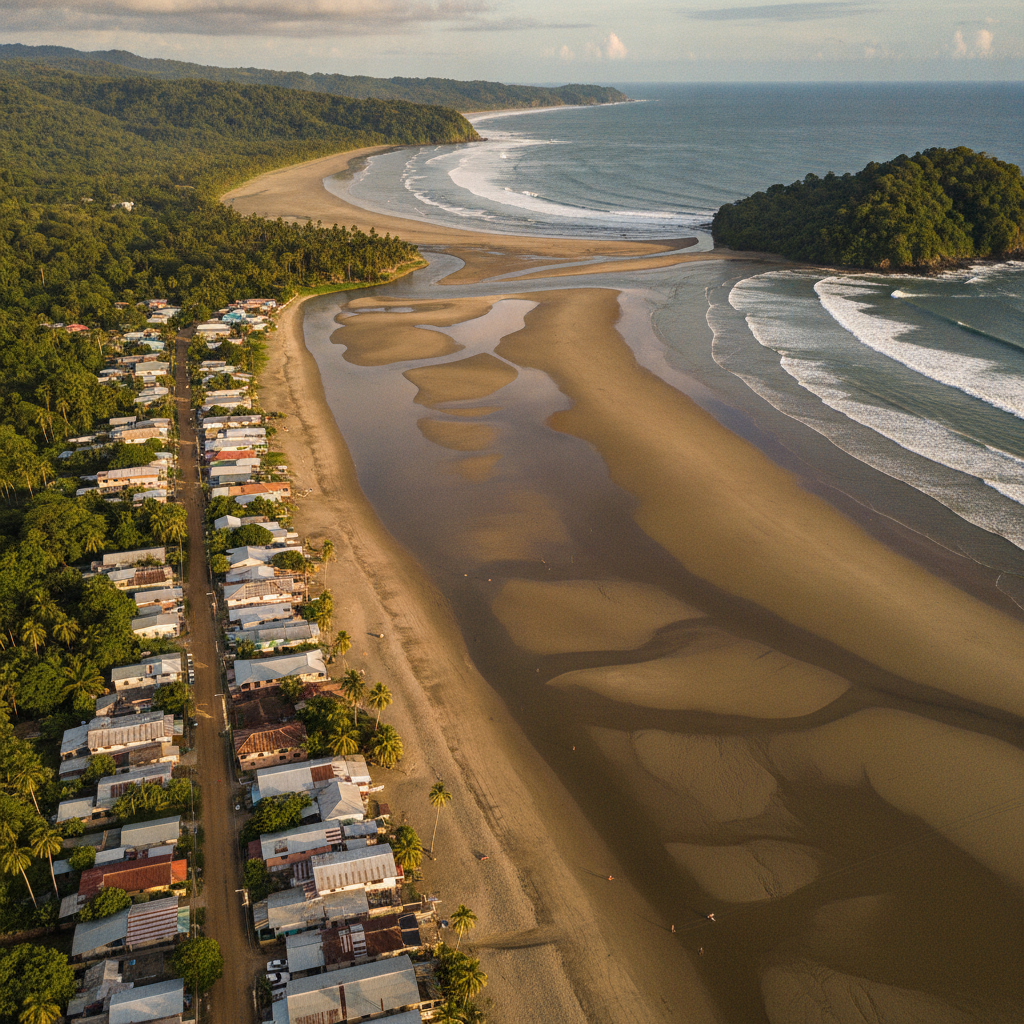
Jaco Beach, Dominical, and the Central Pacific Coast Circuit
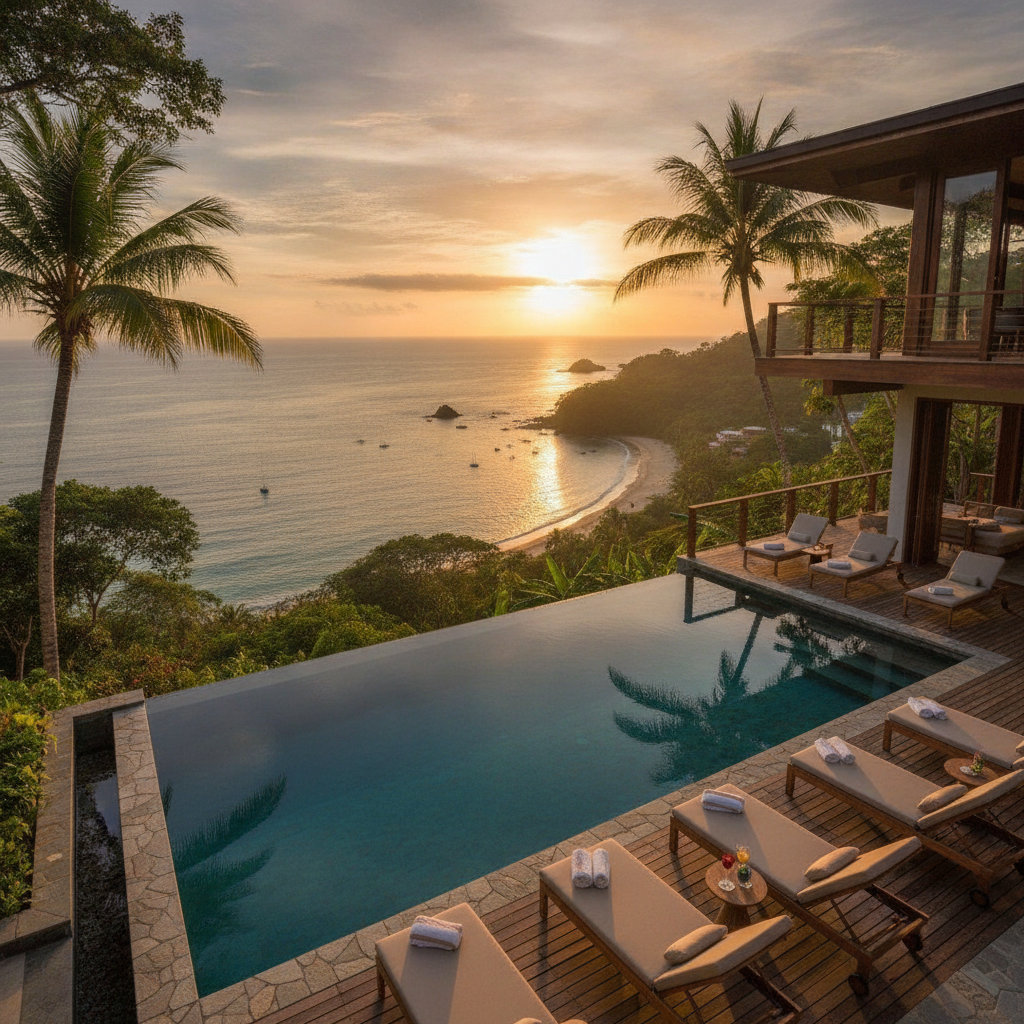
Manuel Antonio Food, Nightlife, and the Hillside Hotel Scene
