Manuel Antonio: National Park, Wildlife, and the Pacific Coast Beach Experience
Manuel Antonio is the most visited national park in Costa Rica, combining primary rainforest with Caribbean-quality white sand beaches in a small peninsula jutting into the Pacific Ocean. The park hosts white-faced capuchin monkeys, two-toed and three-toed sloths, squirrel monkeys, coatis, and hundreds of bird species in a compact area that can be covered on foot in a day. The town of Quepos at the park entrance has developed into a full-service tourist hub. This route covers the park experience, the surrounding nature, the beach culture, and the practical visitor framework.
- 1
Manuel Antonio National Park: Trails, Beaches, and Wildlife Encounters
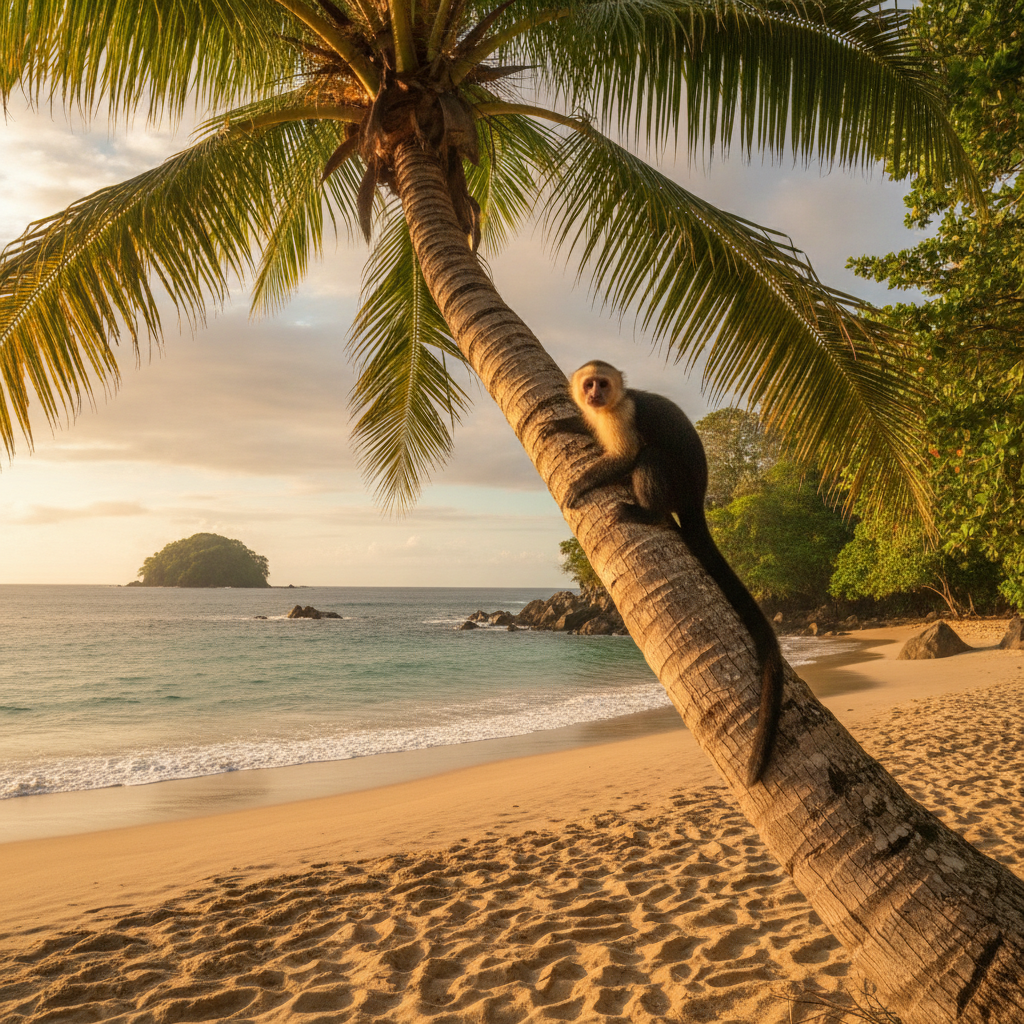
The national park occupies 683 hectares of primary and secondary rainforest at the end of the peninsula south of Quepos. Four beaches inside the park are accessible on foot: Playa Espadilla Sur, Playa Manuel Antonio, Playa Biesanz, and the more remote Playa Puerto Escondido. The trail system connects the beaches through forest where white-faced capuchin monkeys, howler monkeys, and squirrel monkeys interact closely with visitors. Sloths are reliably spotted in the cecropia trees along the main trail. The park limits daily visitor numbers to 600, and tickets sell out in advance during high season; arriving by 7 AM opening gives the best wildlife encounter opportunities before the main crowds arrive.
- 2
Squirrel Monkeys and the Endangered Species Success Story
The Central American squirrel monkey (Saimiri oerstedii), one of the smallest primates in Costa Rica, was reduced to a fragmented population of fewer than 5,000 individuals in the 1980s due to deforestation and agricultural expansion. Manuel Antonio National Park and the surrounding private reserves have provided critical habitat for recovery. The population within and around the park is now estimated at several thousand, and the animals have habituated to human presence along the park trails to a degree that allows close observation. The recovery is cited as one of the more successful small-primate conservation interventions in Central America, driven by the combination of park protection and landowner incentive programs.
- 3
Quepos Town: The Service Hub Before and After the Park
Quepos, the port town five kilometers north of the park entrance, was a major banana production center for United Fruit Company until the 1950s, when Panama disease devastated the plantations and the company shifted to African palm cultivation. The town retains a working-class character alongside the tourist infrastructure: a central market, local sodas serving gallo pinto and casado, and the commercial fishing fleet operating from the dock. The Monday morning fish market where local fishermen sell the weekend catch directly from boats is a different register entirely from the beach club economy of the park zone. Quepos is the practical base for the cheapest accommodation and local food options.
- 4
Sportfishing and Marine Activity in the Quepos Offshore Zone
Quepos is one of the premier sportfishing ports on the Pacific coast of Central America. The offshore zone between the continental shelf and the deep Pacific water concentrates sailfish, mahi-mahi, wahoo, and yellowfin tuna in numbers that draw fishing tournaments and dedicated anglers from North America. The sailfish season peaks from December through April, when the dry season winds and current patterns push baitfish concentrations offshore. Charter boats operating from the Quepos marina offer half-day and full-day trips targeting different species by season. The combination of easily accessible pelagic fishing and a national park within kilometers of the dock makes Quepos unusually well positioned as a multi-activity destination.
- 5
Rainforest Canopy Tours and the Adventure Activity Economy
The area surrounding Manuel Antonio has developed a dense adventure tourism infrastructure exploiting the rainforest terrain. Zip-line canopy tours run through the secondary forest east of the park, with platforms allowing views over the Pacific. White-water rafting operates on the Naranjo and Savegre rivers during the rainy season when water levels are sufficient. Kayaking along the rocky coastline outside the park, horseback riding through the agricultural zones, and guided night hikes spotting nocturnal animals including glass frogs, fer-de-lance snakes, and kinkajous round out the activity menu. The price points reflect the North American and European tourist market: most activities cost 60 to 120 USD per person.
- 6
Practical Guide: Park Tickets, Transport, and the Best Months
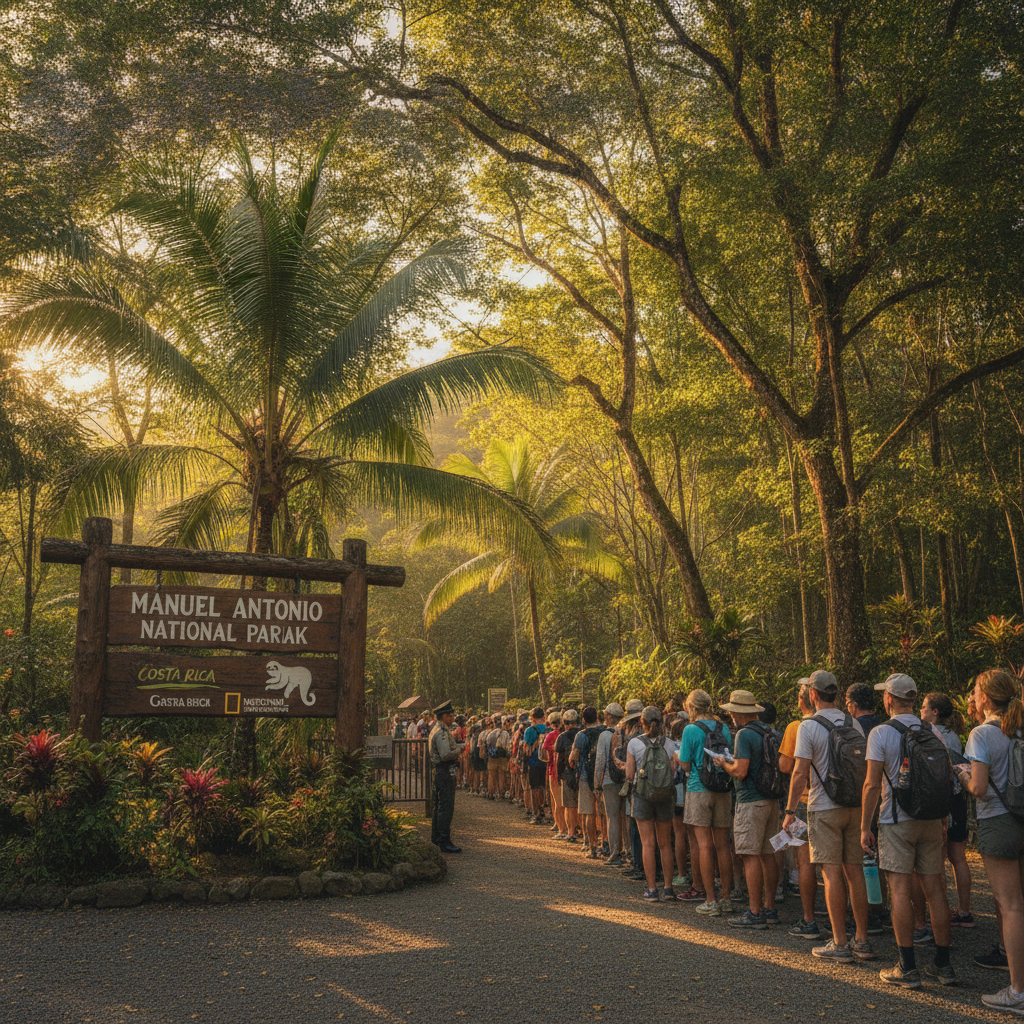
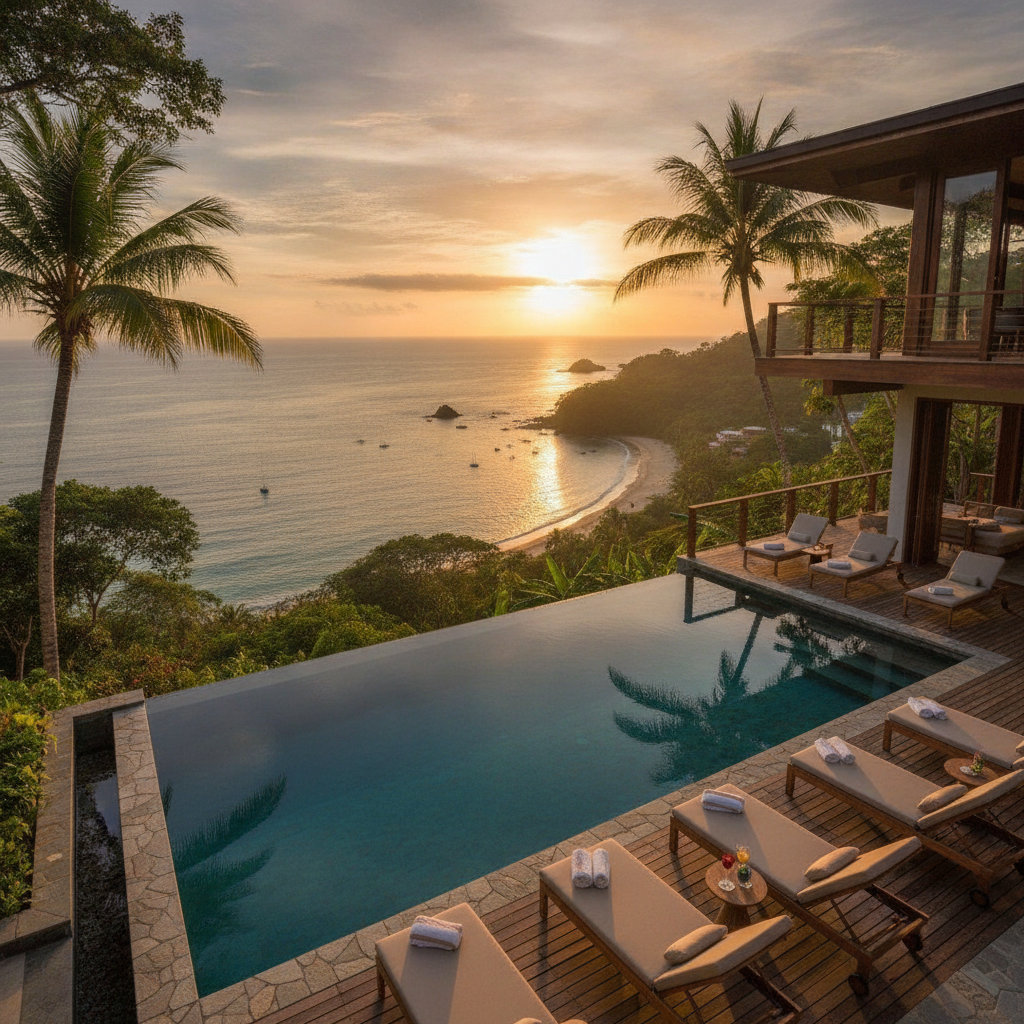
Manuel Antonio requires advance online ticket reservation through the SINAC system; same-day entry is rarely available during high season from December through April. The park is closed on Tuesdays. Buses from San Jose to Quepos run on the Transporte Morales service and take approximately three hours; a private shuttle takes two and a half hours. Accommodation ranges from budget hostels in Quepos to luxury boutique hotels perched on the hillside with ocean views, the latter category representing some of the most expensive accommodation in Costa Rica. The dry season brings reliable sunshine and full park capacity; the rainy season from May through November reduces crowds and lowers prices but afternoon rain is predictable, and some secondary trails become muddy.
Walk this route with audio
Stories play automatically as you reach each stop — no tapping needed.
More in Manuel Antonio
LGBTQ+ Travel in Manuel Antonio and the Costa Rica Context

Osa Peninsula and Corcovado: The Most Biodiverse Place on Earth
Manuel Antonio Practical Guide: Park Access, Accommodation Budget, and Seasonal Planning
Jaco Beach, Dominical, and the Central Pacific Coast Circuit
Manuel Antonio Food, Nightlife, and the Hillside Hotel Scene
