Vienna
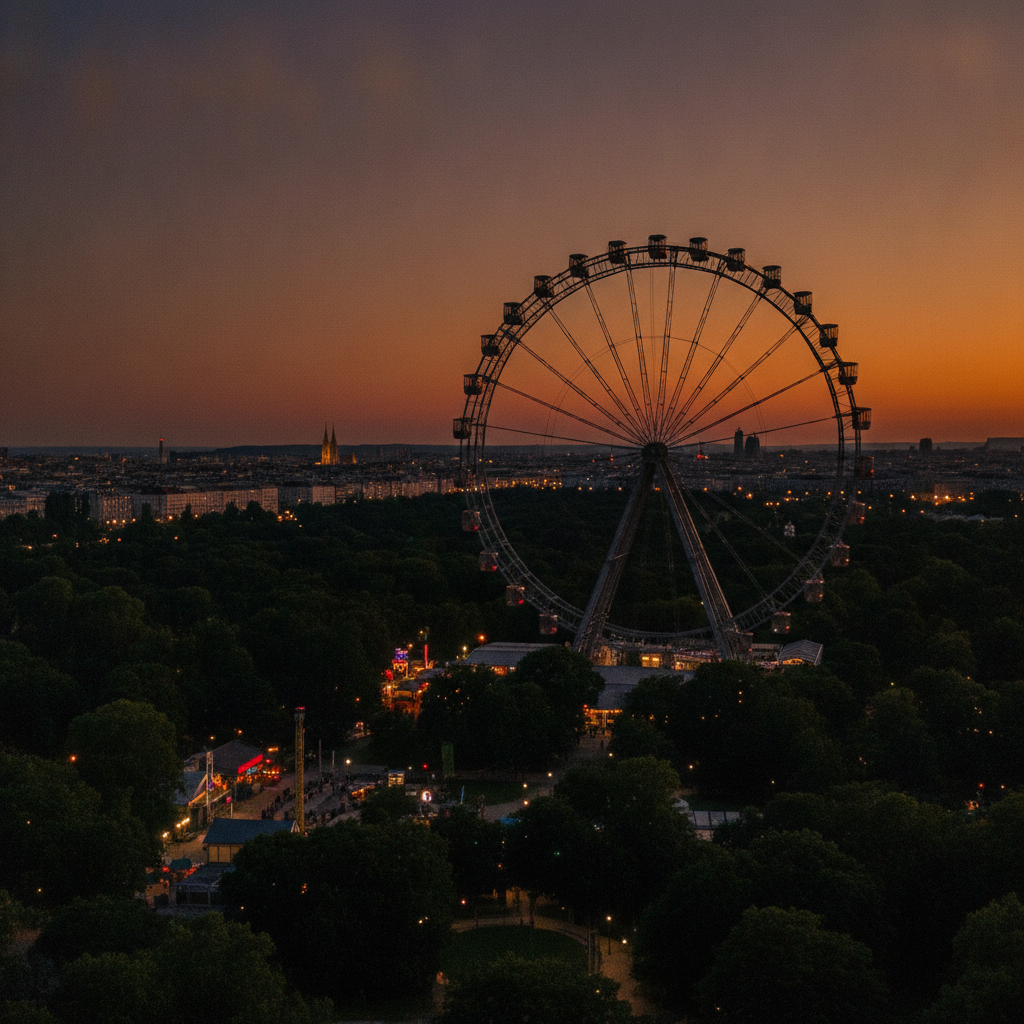
Old Vienna: Prater, Riesenrad & Leopoldstadt
The Prater park and its famous Riesenrad Ferris wheel occupy the island between the Danube and the Danube Canal in Vienna's 2nd district, Leopoldstadt — the historic Jewish quarter of Vienna that was the cultural hub of the city's Ashkenazi community before the Holocaust. The route connects the Prater's fairground nostalgia with Leopoldstadt's layered history and the Augarten park, Vienna's oldest public garden.
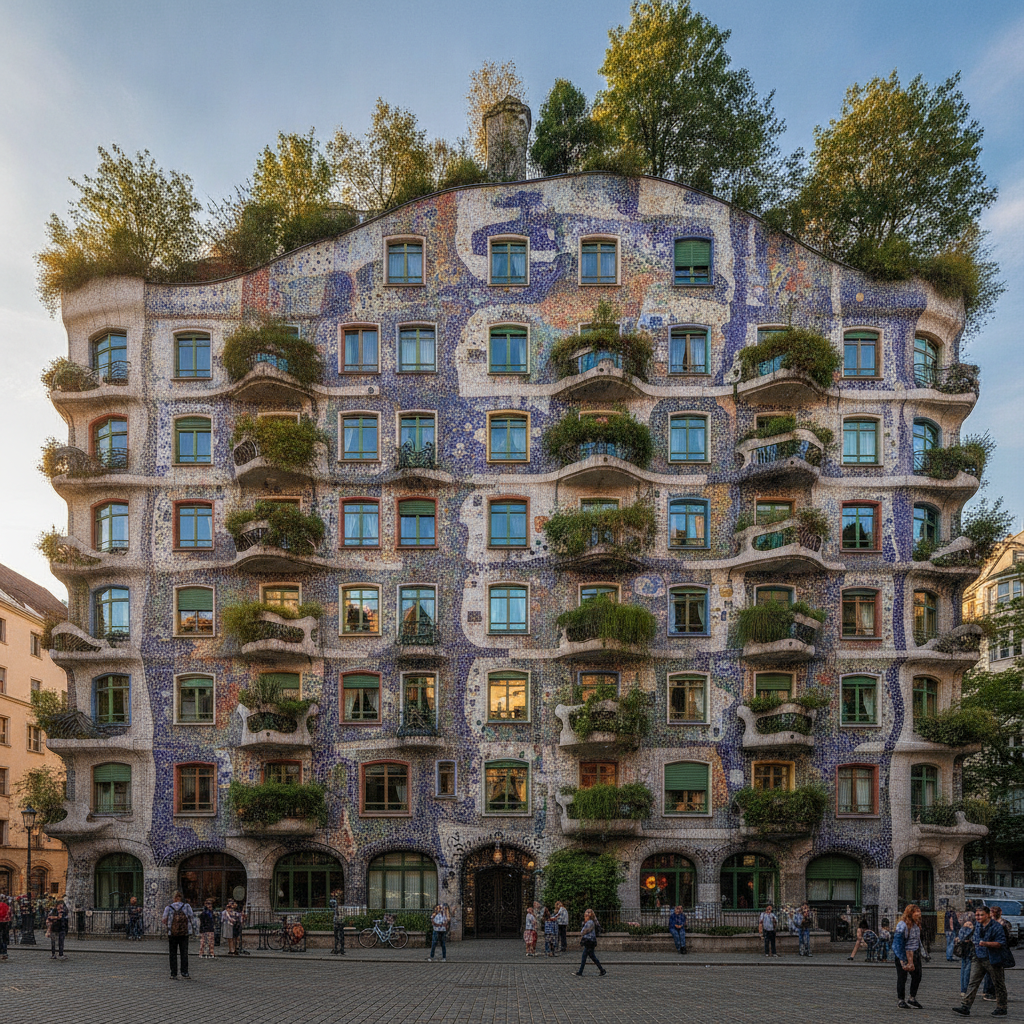
Color & Harmony: Hundertwasser, Stadtpark & the Danube Canal
Vienna's most colorful quarter connects the organic architecture of Friedensreich Hundertwasser — whose social housing project and converted factory-museum brought outsider Expressionism into the municipal mainstream — with the Stadtpark, Vienna's most beloved public park and the green lung of the inner city, and the Danube Canal waterfront that has become the city's most dynamic urban leisure strip.
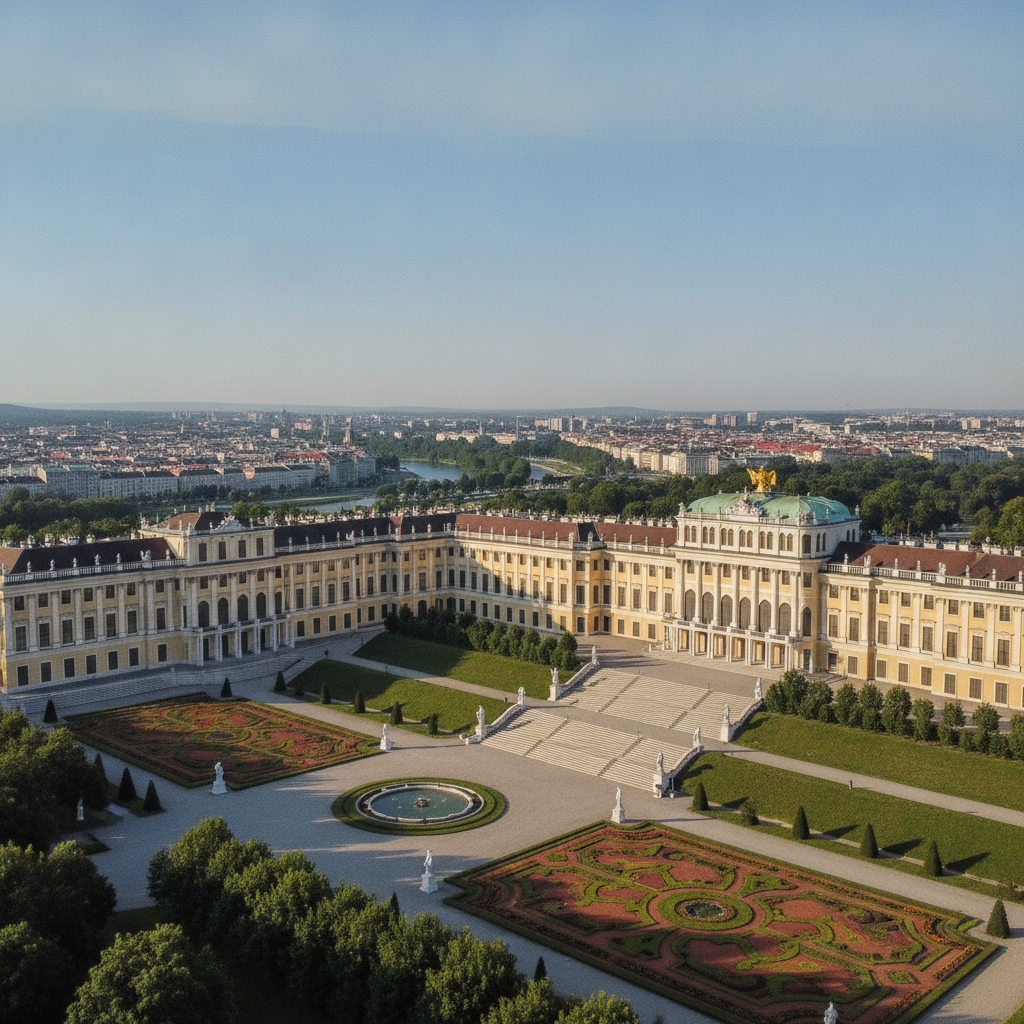
Imperial Summer: Schönbrunn Palace & Gardens
The Habsburg dynasty's summer palace, Schönbrunn was where Empress Maria Theresa raised her 16 children, where the six-year-old Mozart gave his first Vienna performance for the Imperial family, and where Franz Joseph I died in 1916 after 68 years on the throne. Today the palace and its 1.2-kilometer-long formal gardens are a UNESCO World Heritage Site and Vienna's most visited attraction.
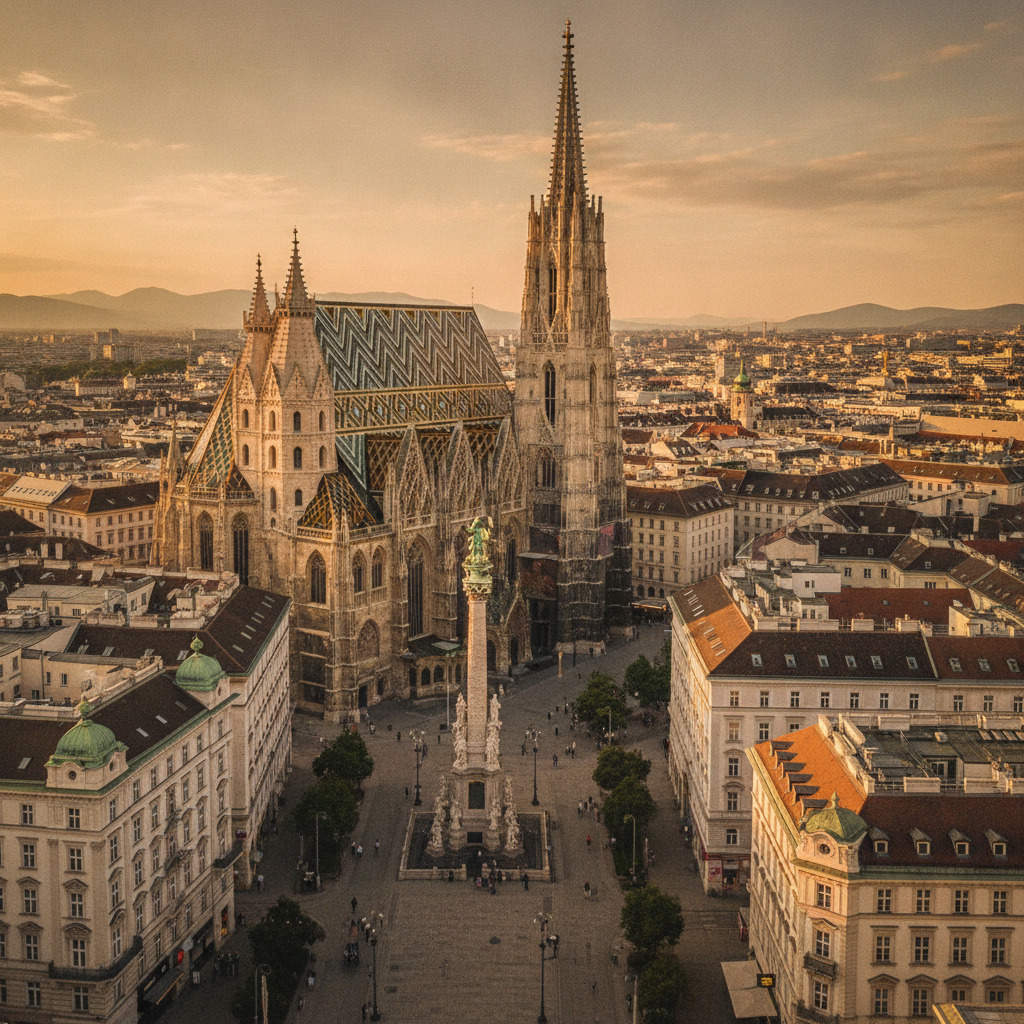
Empire's Heart: Stephansdom & the Innere Stadt
At the center of Vienna's First District, the Gothic spire of St. Stephen's Cathedral has oriented the city for 700 years. This walk through the Innere Stadt — the medieval core that became the capital of the Habsburg Empire — moves between one of Europe's great Gothic cathedrals, the elegant pedestrian boulevards of the Graben and Kohlmarkt, the soaring Baroque interior of the Peterskirche, and the intimate lanes where Mozart composed his greatest works.
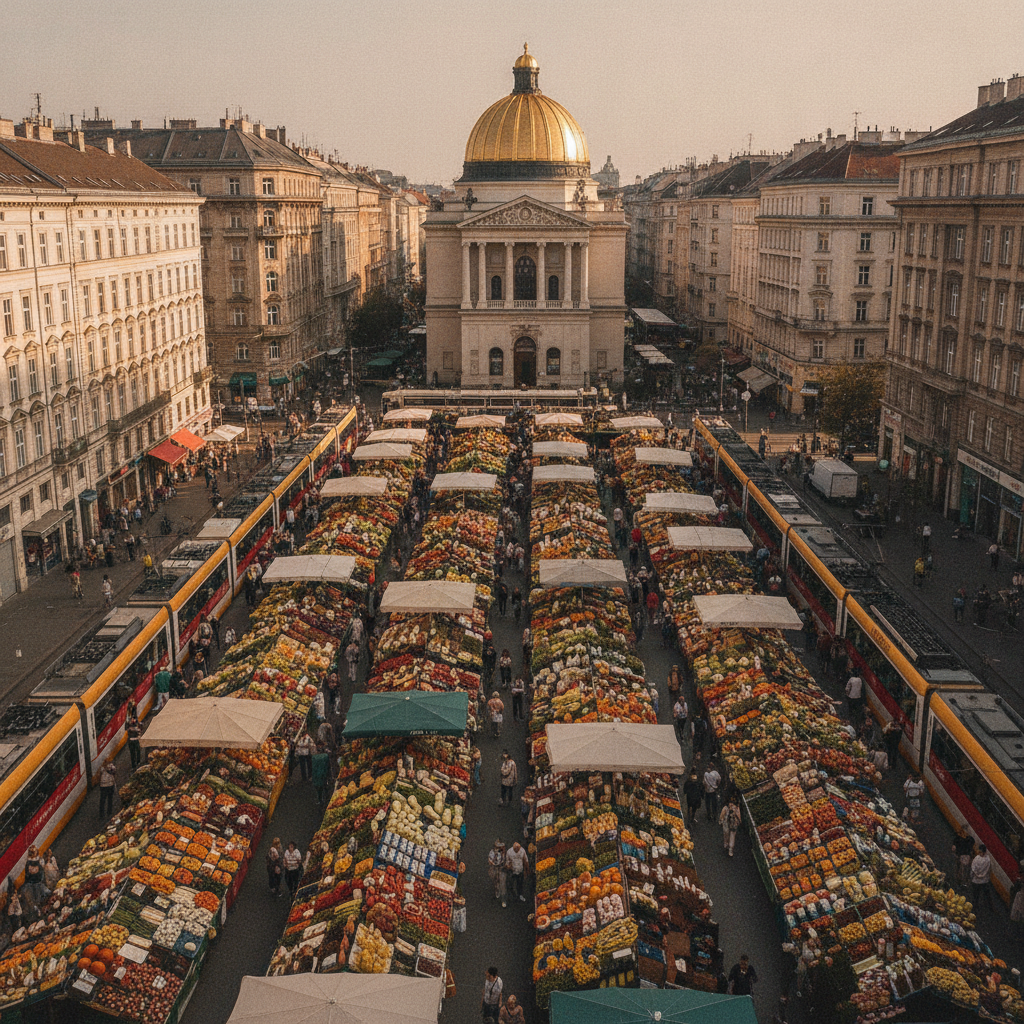
Markets & Modernism: Naschmarkt to MuseumsQuartier
Vienna's most vibrant quarter west of the Ringstrasse combines the Naschmarkt — Central Europe's largest open-air market, a 500-stall institution that has fed the city since the 16th century — with the MuseumsQuartier, a former imperial stables complex transformed into one of Europe's largest contemporary art centers, and the Secession building, the manifesto-in-stone of the Wiener Secession movement that launched Klimt.
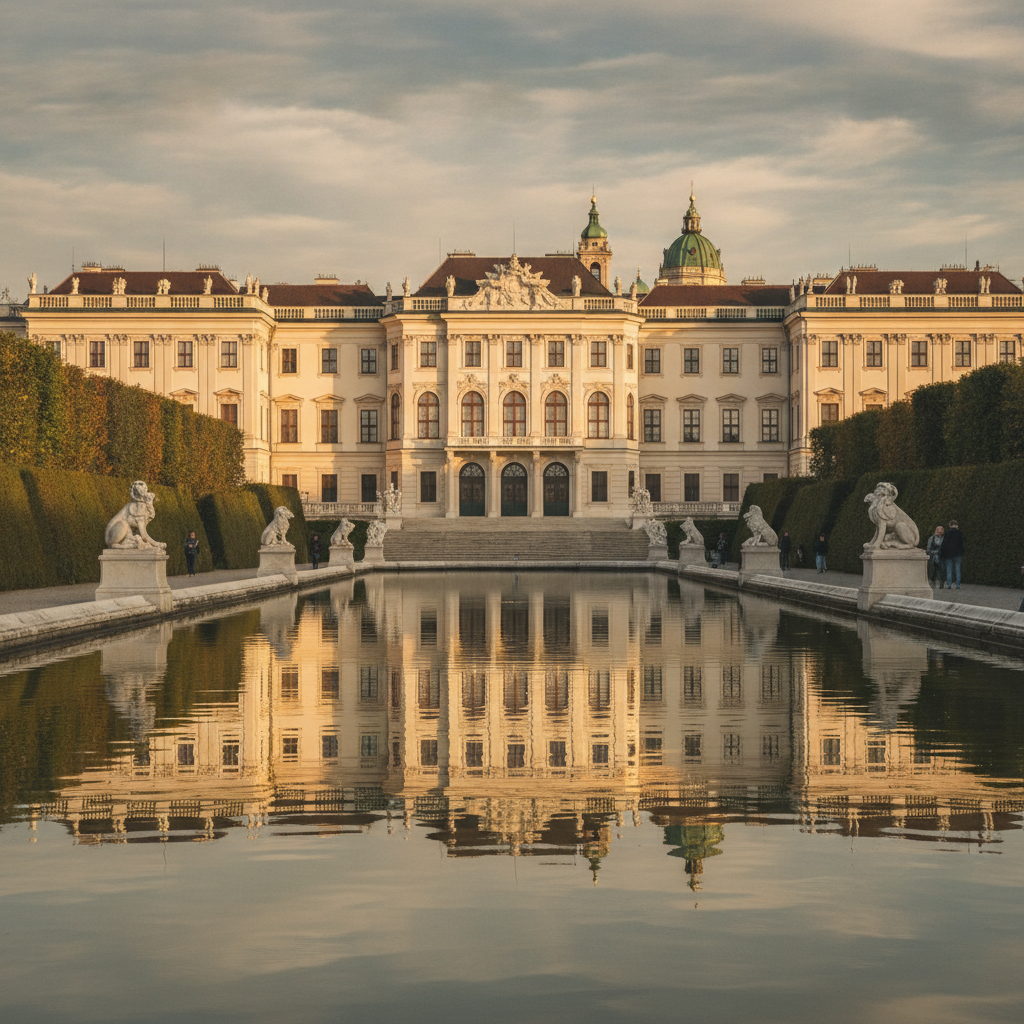
Klimt & Baroque Splendor: Belvedere to Karlskirche
Prince Eugene of Savoy built the Belvedere complex as the most lavish private palace in 18th-century Vienna; today the Upper Belvedere houses Gustav Klimt's The Kiss in its original gilded glory, flanked by Schiele, Kokoschka, and the greatest concentration of Viennese Modernism anywhere. The route then continues north to Karlskirche, the masterpiece of Johann Bernhard Fischer von Erlach and the finest Baroque church in Vienna.
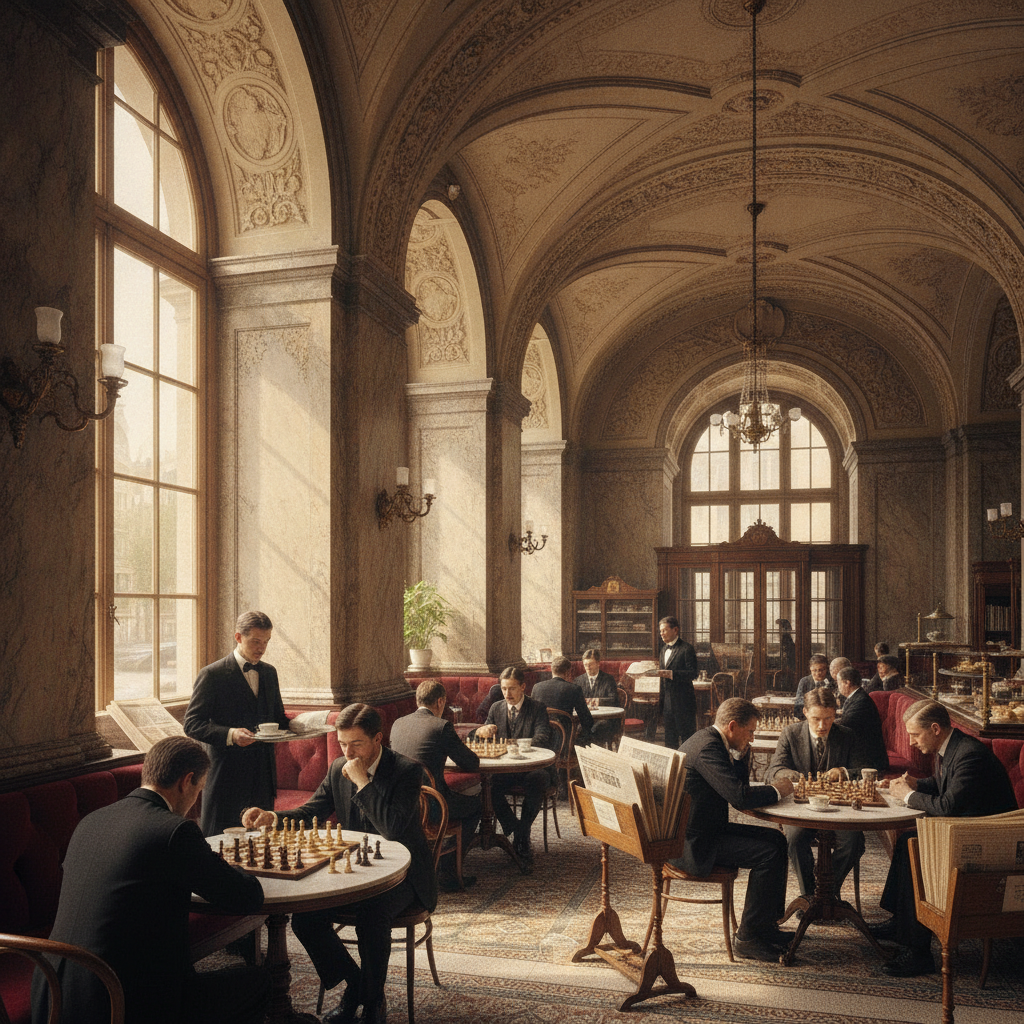
Coffeehouse Vienna: From Café Central to Josefstadt
The Viennese coffeehouse is a UNESCO Intangible Cultural Heritage — a specific institution, not just a café, with its newspapers-on-holders, marble tables, unhurried waiters, and the unspoken agreement that ordering one coffee entitles you to stay all day. This route connects Vienna's most famous coffeehouses with the 8th district Josefstadt, the city's most concentrated neighborhood of late Baroque architecture and bourgeois cultural life.
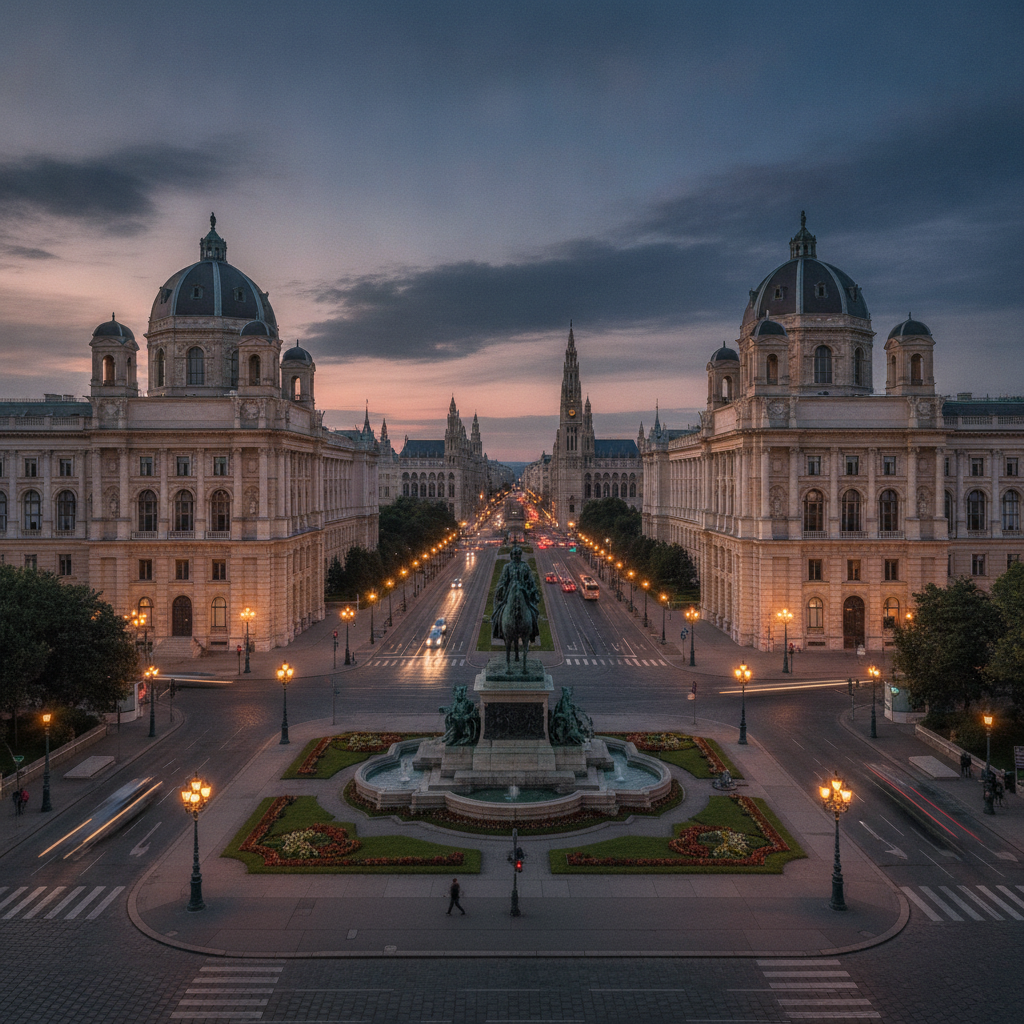
The Boulevard of Empires: Vienna's Ringstrasse & Great Museums
In 1857, Emperor Franz Joseph ordered the demolition of Vienna's medieval fortifications and the construction of a grand circular boulevard lined with the cultural and governmental institutions of a modern imperial capital. The resulting Ringstrasse is the most complete example of 19th-century urban planning in the world — a two-kilometer procession of Neo-Gothic, Neo-Renaissance, Neo-Baroque, and Historicist public buildings that recast Vienna as the equal of Paris and Berlin. This walk explores its grandest institutions.
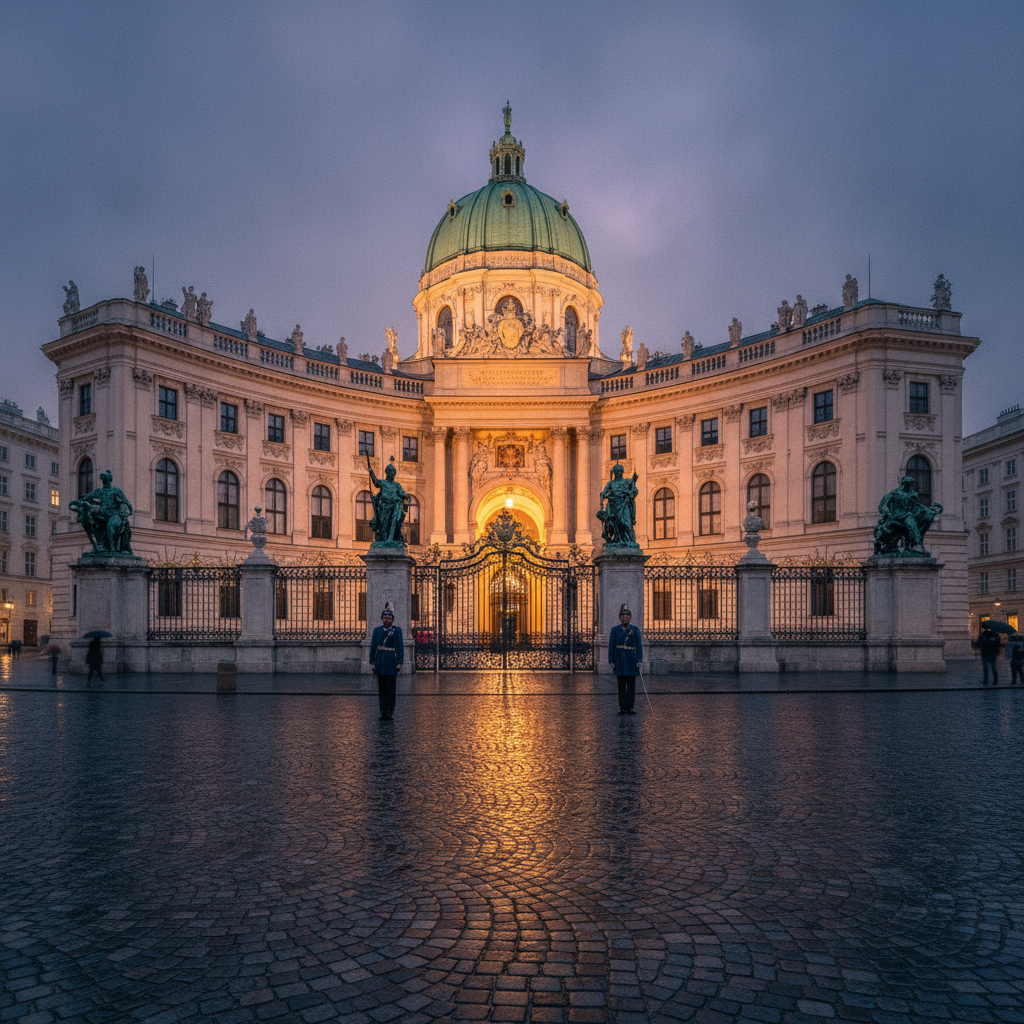
Imperial Vienna: The Hofburg & Habsburg Legacy
For six centuries the Hofburg was the winter residence of the Habsburg dynasty — the family that ruled Austria, and at times much of Europe, from 1273 to 1918. Today the complex occupies 240,000 square meters in the heart of Vienna, containing multiple museums, the Spanish Riding School, the Imperial Chapel, and the offices of the Austrian President. This walk explores the apartments of Emperor Franz Joseph and Empress Sisi, the subterranean crypt where Habsburg hearts are stored, and the palace gardens where Mozart gave his first Vienna concert.