New Orleans
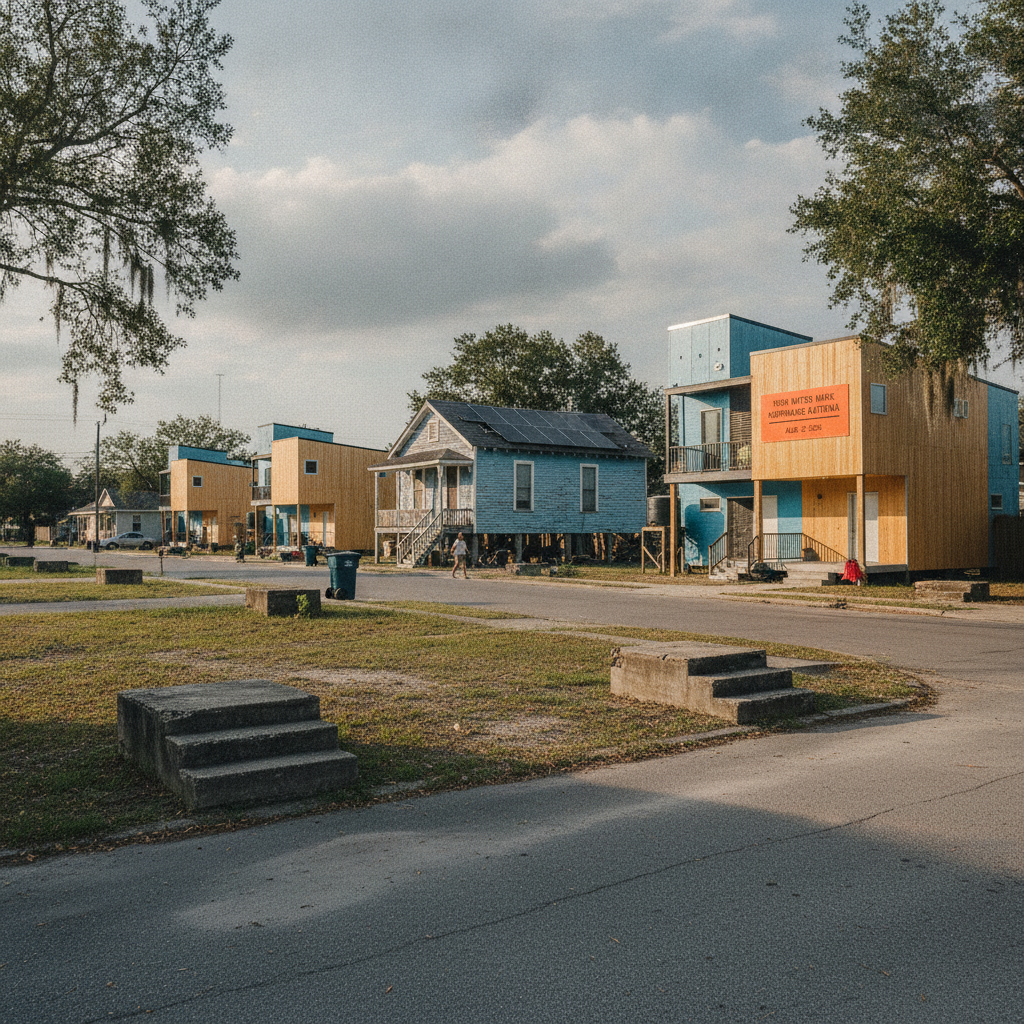
Hurricane Katrina, the Lower Ninth Ward & New Orleans's Resilience
Hurricane Katrina (the Category 5 Atlantic hurricane that made landfall near Buras, Louisiana on August 29, 2005 — the most destructive and deadliest hurricane in US history, causing approximately $125 billion in property damage and killing approximately 1,836 people (the official death toll — actual deaths were likely higher), displacing approximately 400,000 New Orleans residents and reducing the city's population from approximately 485,000 before the storm to approximately 230,000 in the immediate aftermath): the catastrophic flooding of New Orleans (the storm surge that overtopped and breached the levee system protecting New Orleans — a city that sits predominantly below sea level (the average elevation of New Orleans is approximately 1.8 metres (6 feet) below sea level, the result of subsidence (the gradual sinking of the land due to compaction of the sediments and extraction of oil and groundwater) and the loss of the coastal wetlands that historically buffered the city from storm surge) — submerging approximately 80% of the city under water, with depths of up to 5 metres (15 feet) in the lowest-lying areas.
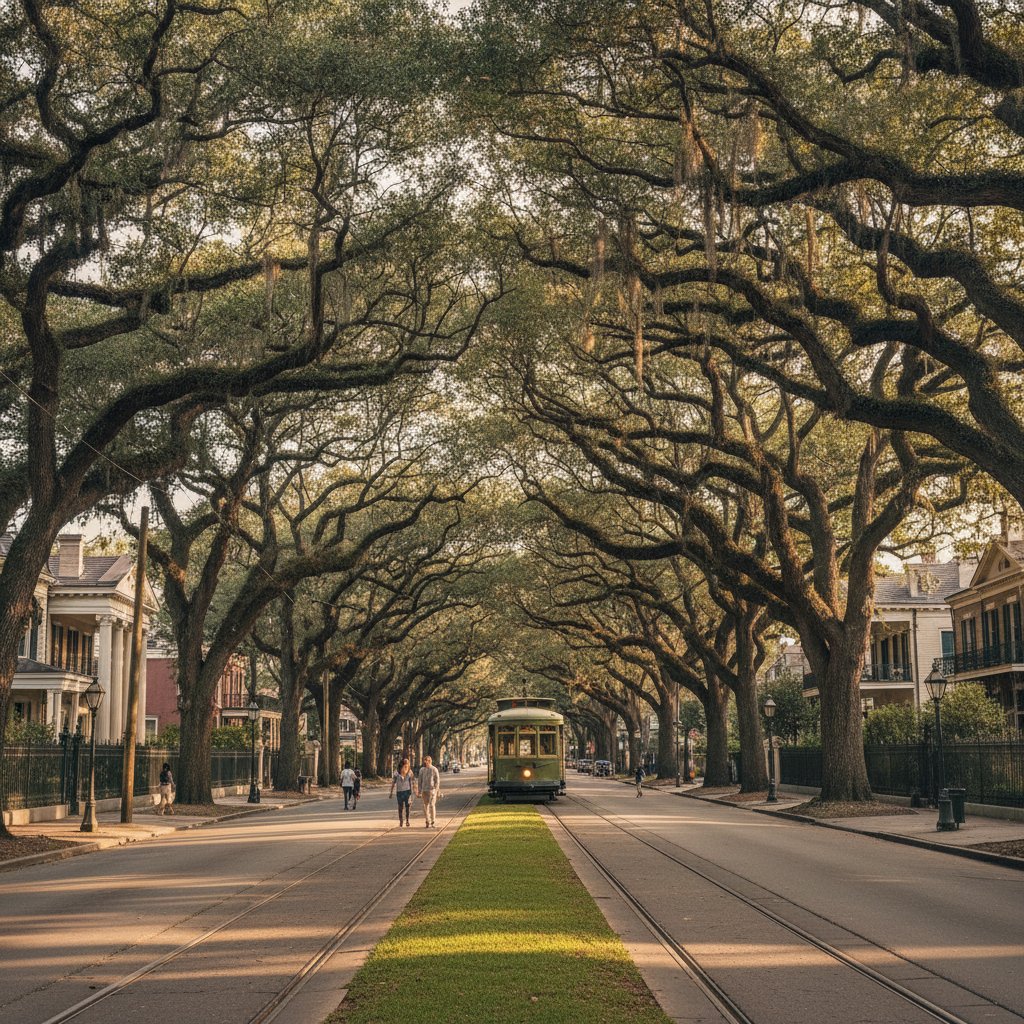
Garden District Mansions, St. Charles Streetcar & Uptown Life
The Garden District (the antebellum neighbourhood of Greek Revival and Italianate mansions in the Uptown New Orleans area, developed after the Louisiana Purchase by the American settlers who built their grand houses in the American plantation tradition) and St. Charles Avenue (the most beautiful tree-lined boulevard in the American South, home to the oldest continuously operating streetcar line in the world (since 1835)) form the most architecturally magnificent residential area in New Orleans.
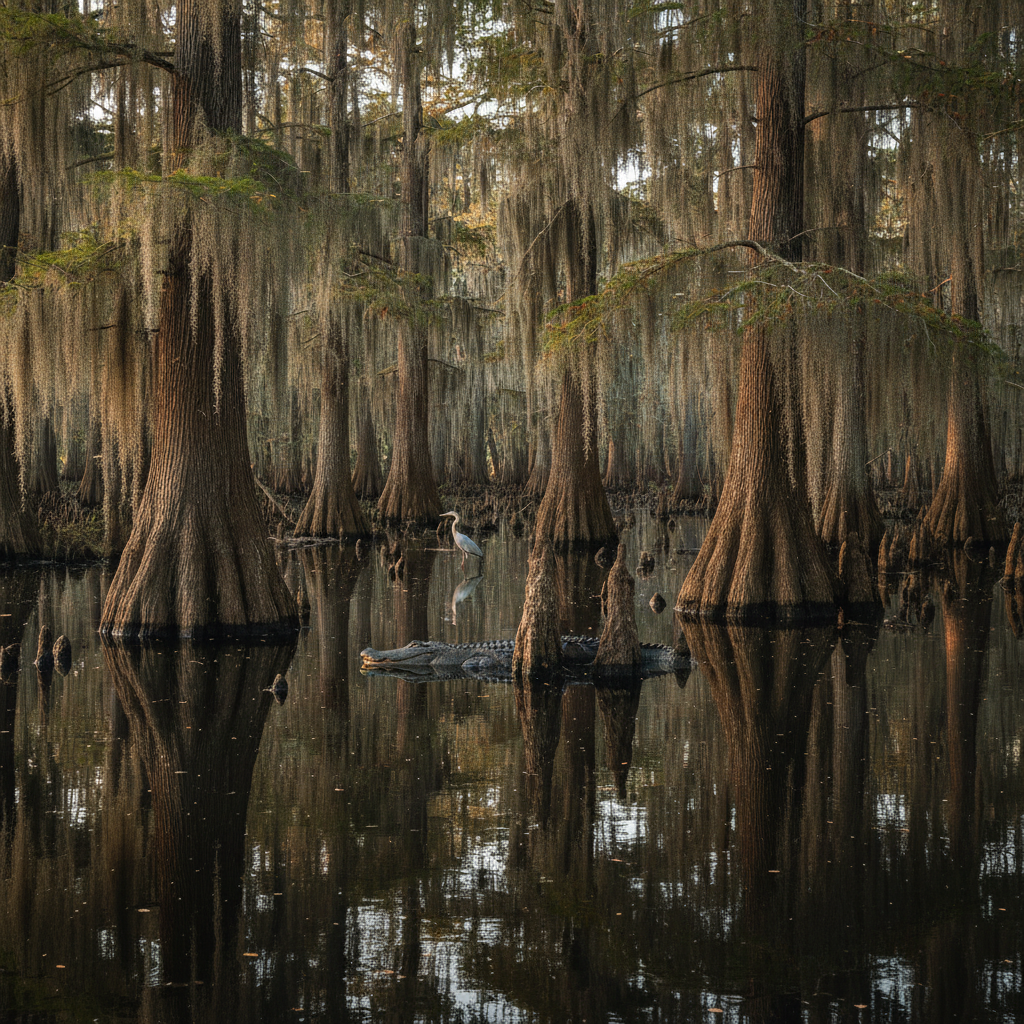
Swamps, Bayous & Louisiana's Wild Cypress Country
The Louisiana swamp and bayou landscape (the coastal wetlands of southeastern Louisiana — the largest coastal wetland system in the continental United States, covering approximately 3,600 km² (1,400 sq miles) of cypress swamp, marsh, and brackish bayou between New Orleans and the Gulf of Mexico): the Louisiana swamp ecosystem is simultaneously one of the most productive biological ecosystems in North America and one of the most rapidly disappearing landscapes in the world (Louisiana loses approximately 25-35 square miles (65-90 km²) of coastal wetlands per year to sea-level rise, subsidence, and the loss of Mississippi River sediment behind the levees).
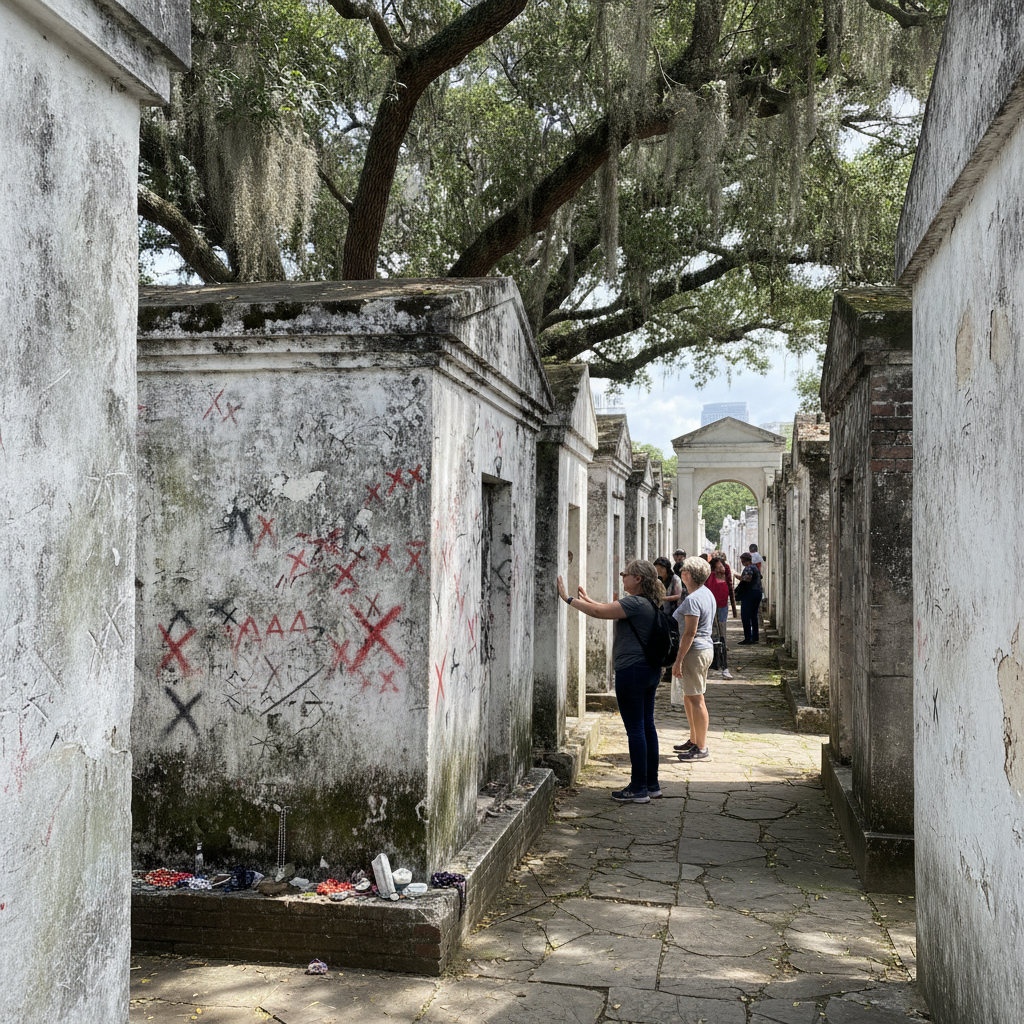
Voodoo, Marie Laveau & the Supernatural Culture of New Orleans
New Orleans Voodoo (the syncretic religious tradition (the synthesis of West African Vodun religious practices (particularly those of the Fon and Ewe peoples of Dahomey — the modern-day Republic of Benin) with Roman Catholic devotional practices and indigenous Louisiana spiritual traditions) that developed in New Orleans during the 18th and 19th centuries among the city's enslaved and free African-American community): Louisiana Voodoo (also called New Orleans Voodoo or Creole Voodoo — distinct from Haitian Vodou and from the Hollywood stereotype of 'voodoo dolls') is a living spiritual tradition still practiced in New Orleans and is inseparable from the city's cultural identity.
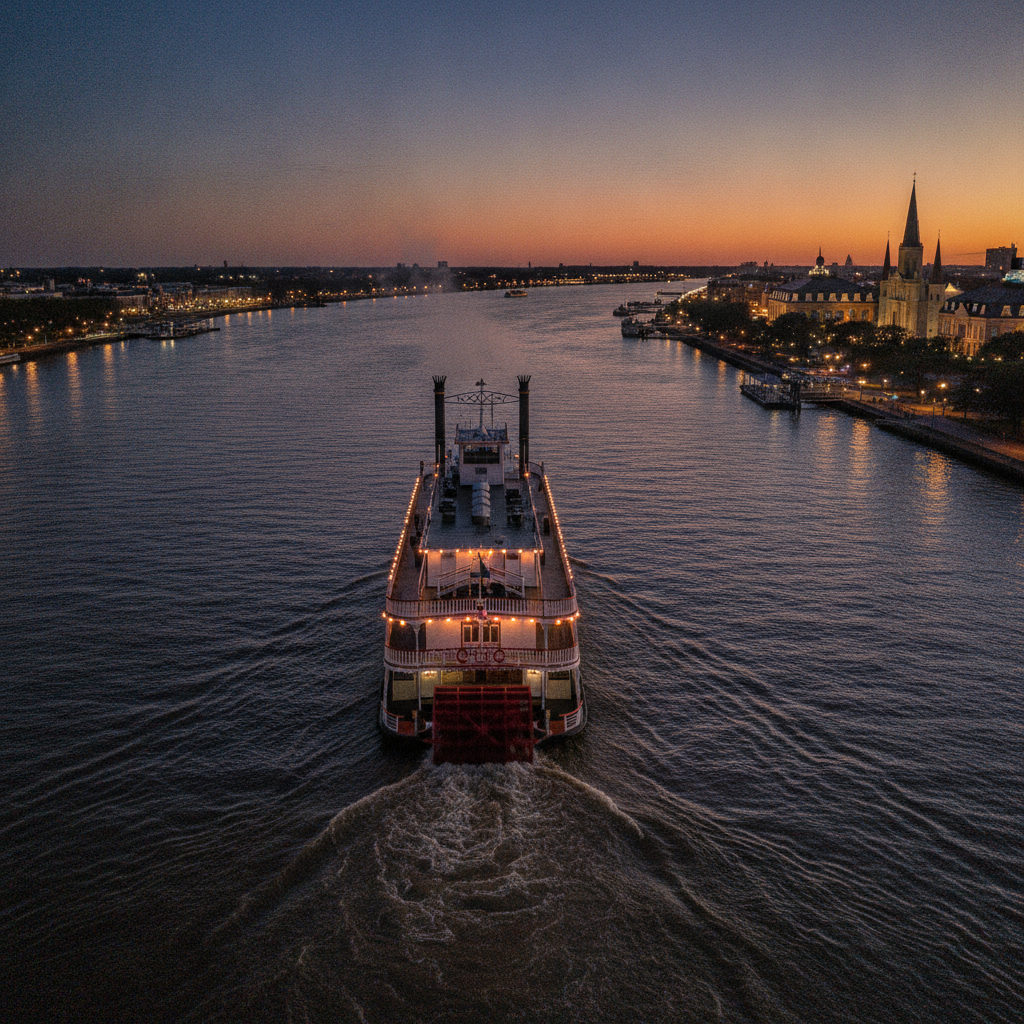
The Mississippi River, Steamboats & New Orleans's Port Heritage
The Mississippi River at New Orleans (the stretch of the lower Mississippi at the 'Crescent City bend' — the horseshoe bend that gives New Orleans its nickname 'the Crescent City') is the reason New Orleans exists: the city was founded in 1718 by Jean-Baptiste Le Moyne de Bienville specifically to control access to the Mississippi River and its vast drainage basin, and for the first 150 years of its existence, the Port of New Orleans was the most important commercial port in North America.
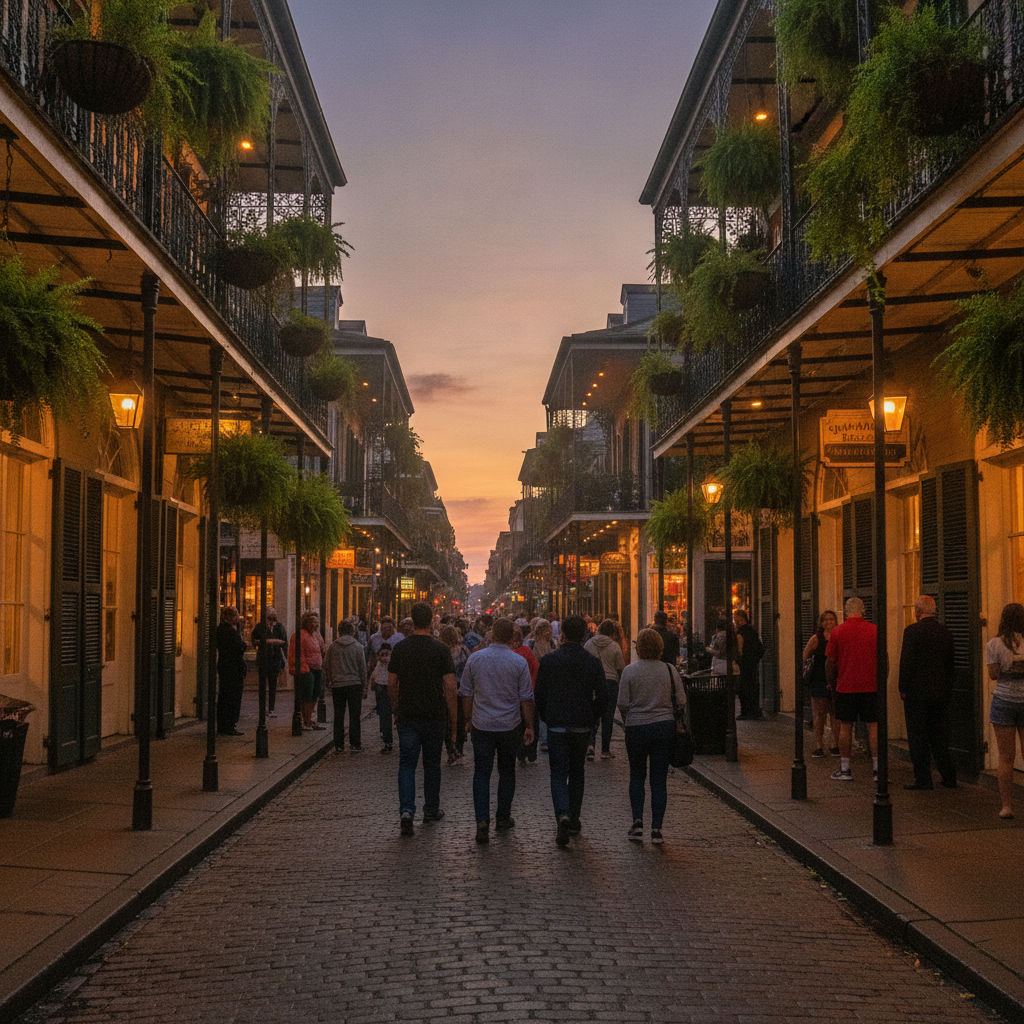
The French Quarter, Jazz & the Soul of New Orleans
New Orleans (the city in Orleans Parish, Louisiana — population approximately 390,000 in the city, 1.27 million in the metro area — the most culturally unique city in the United States, the birthplace of jazz, the city of Mardi Gras, and the city whose French Creole and African heritage has produced the most distinctive food, music, and architectural culture of any American city): the French Quarter (Vieux Carré — 'Old Square') is the oldest urban neighbourhood in the Mississippi River valley and the most internationally famous neighbourhood in the American South.
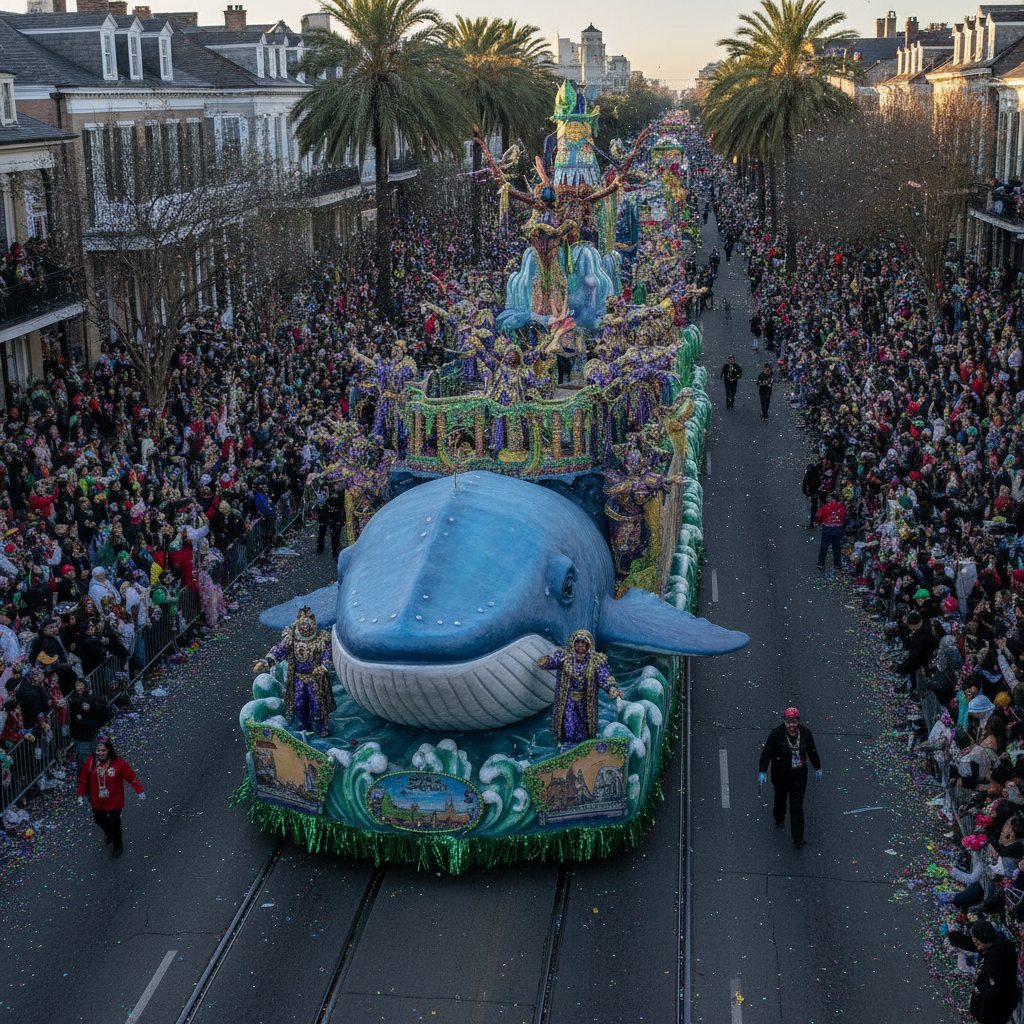
Mardi Gras, Second Lines & the Carnival Culture of New Orleans
New Orleans Mardi Gras (the annual Carnival celebration in the weeks before Lent — the largest annual street festival in the United States, attracting approximately 1.4 million visitors during the peak Mardi Gras weekend (the last Saturday through Fat Tuesday before Ash Wednesday), and injecting approximately $1 billion into the New Orleans economy): Mardi Gras is not a single event but a season (the 'Mardi Gras season' begins on January 6 (Twelfth Night / Epiphany) and runs through Fat Tuesday).
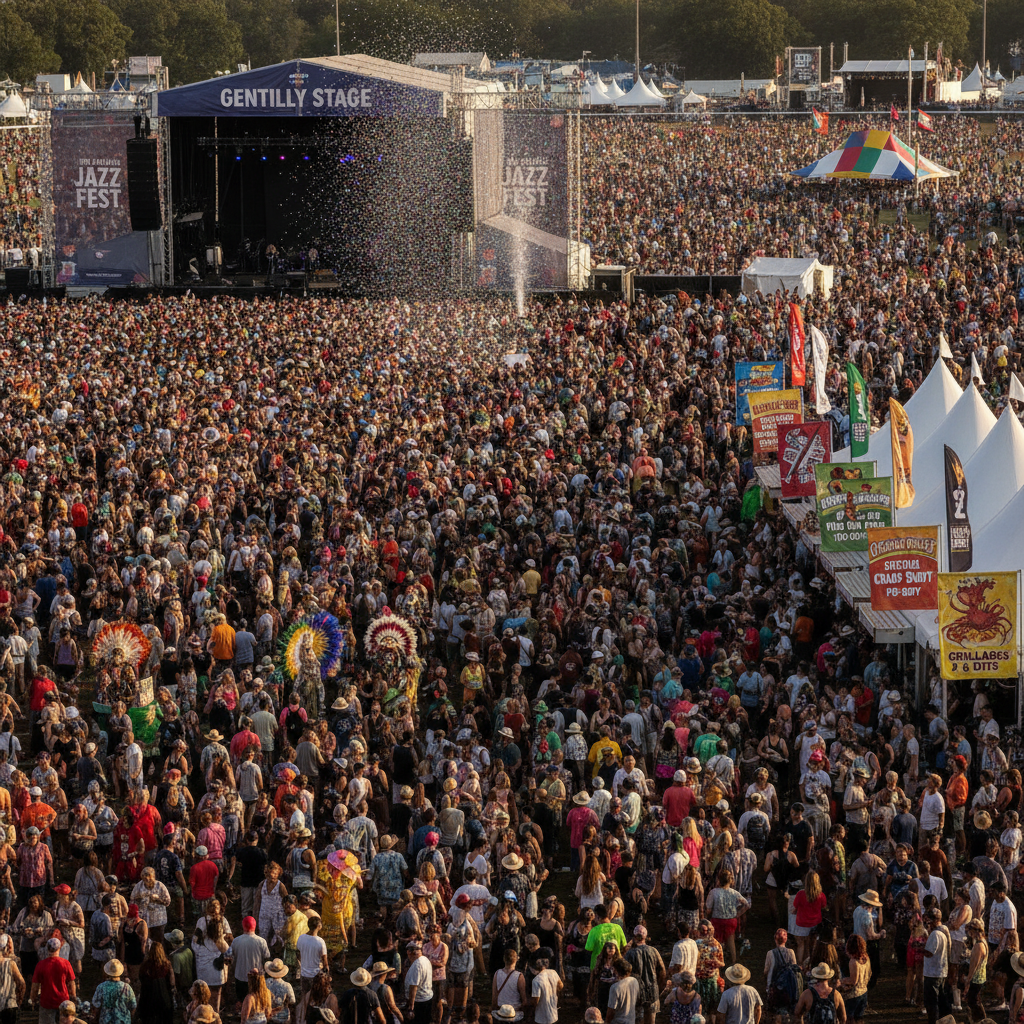
New Orleans Jazz Fest, Blues & the World's Greatest Music Festival
New Orleans Jazz & Heritage Festival (the annual festival held at the Fair Grounds Race Course in New Orleans during the last weekend of April and the first weekend of May — the most celebrated music festival in the United States after Coachella and the most musically diverse): the Jazz Fest (as it is universally known) has been held continuously since 1970 (when it was founded by George Wein, the jazz impresario who also founded the Newport Jazz Festival and the New Orleans Jazz National Historical Park) and has grown from a small local event to one of the most important music festivals in the world.
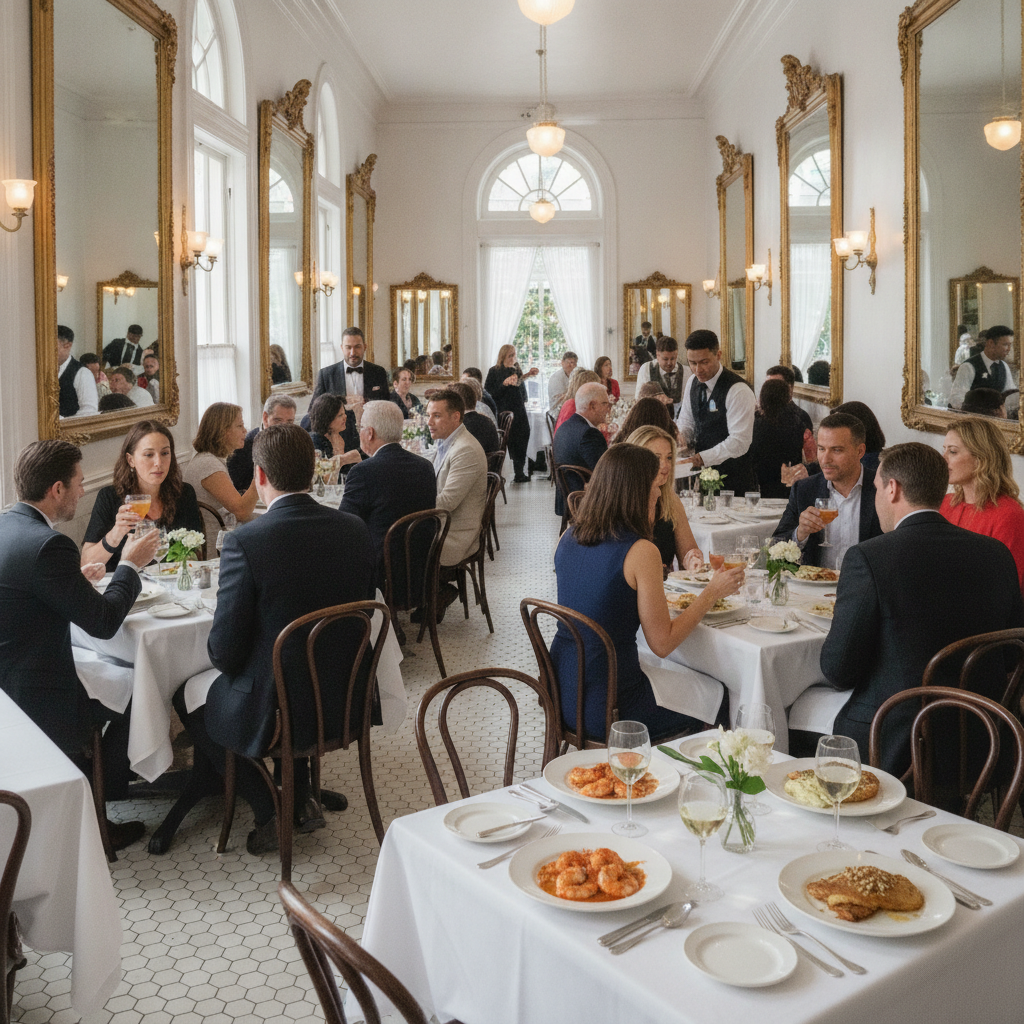
New Orleans Creole & Cajun Food — America's Greatest Culinary Tradition
New Orleans has the most distinctive and most historically layered food culture of any American city — the synthesis of French Creole haute cuisine, West African cooking traditions, Spanish colonial cooking, and the rustic Cajun tradition of the Acadian settlers has produced a food culture that is unlike any other in the United States, and that produces dishes (gumbo, jambalaya, red beans and rice, po-boy, muffuletta, bananas Foster, bread pudding) that are recognized worldwide as the emblems of American Southern cooking.