Montreal
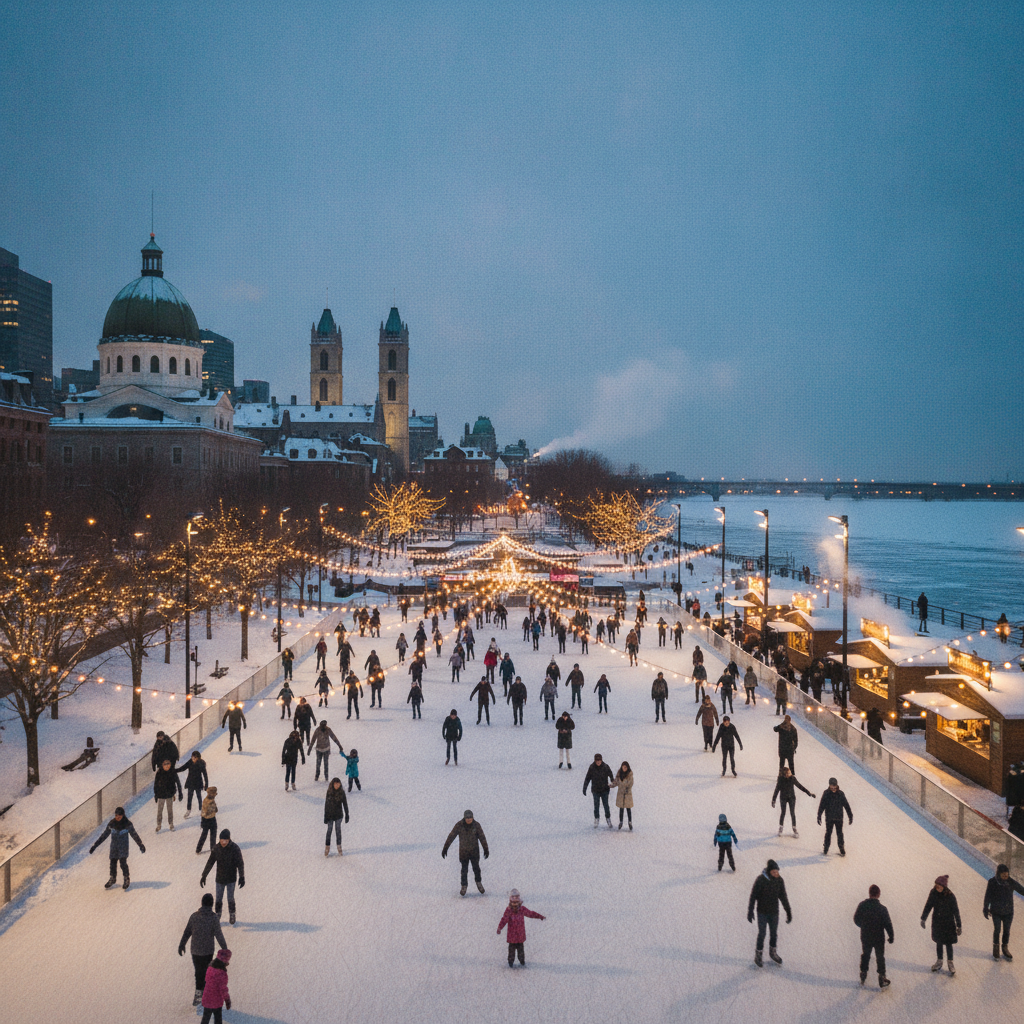
Montreal in Winter — Skating, Snowshoeing & Embracing the Cold
Montreal winter (the Montreal winter — the season from December through March in which the city receives an average of 235 cm (92 inches) of snow, the temperature averages -10°C (14°F) in January, and the city's residents respond not by retreating indoors but by embracing the winter with an intensity of outdoor winter activity (skating, snowshoeing, skiing, tobogganing, and winter festivals) that is unmatched by any other major city in the world): Montreal is the best city in the world for experiencing urban winter culture.
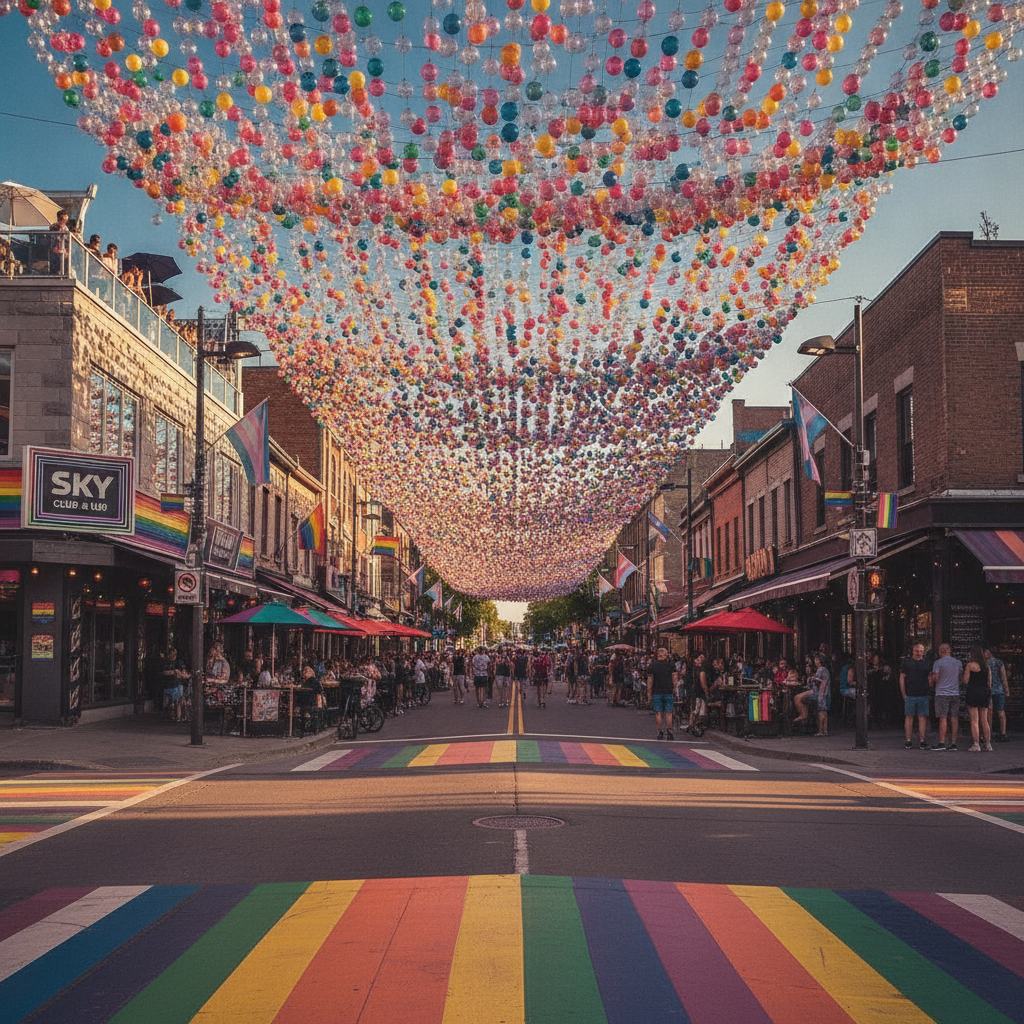
Montreal's Gay Village, Pride Festival & LGBTQ+ Culture
Montreal's Gay Village (Le Village — the stretch of Rue Sainte-Catherine between Rue Amherst and Rue Papineau in the Centre-Sud neighbourhood — the largest and most vibrant gay neighbourhood in Canada, and one of the most internationally celebrated LGBTQ+ cultural districts in the world) and the Fierté Montreal Pride Festival (the annual LGBTQ+ Pride festival held in late July and early August — the largest Pride festival in francophone North America and consistently ranked among the top 5 Pride festivals in the world) define Montreal's extraordinary LGBTQ+ culture.
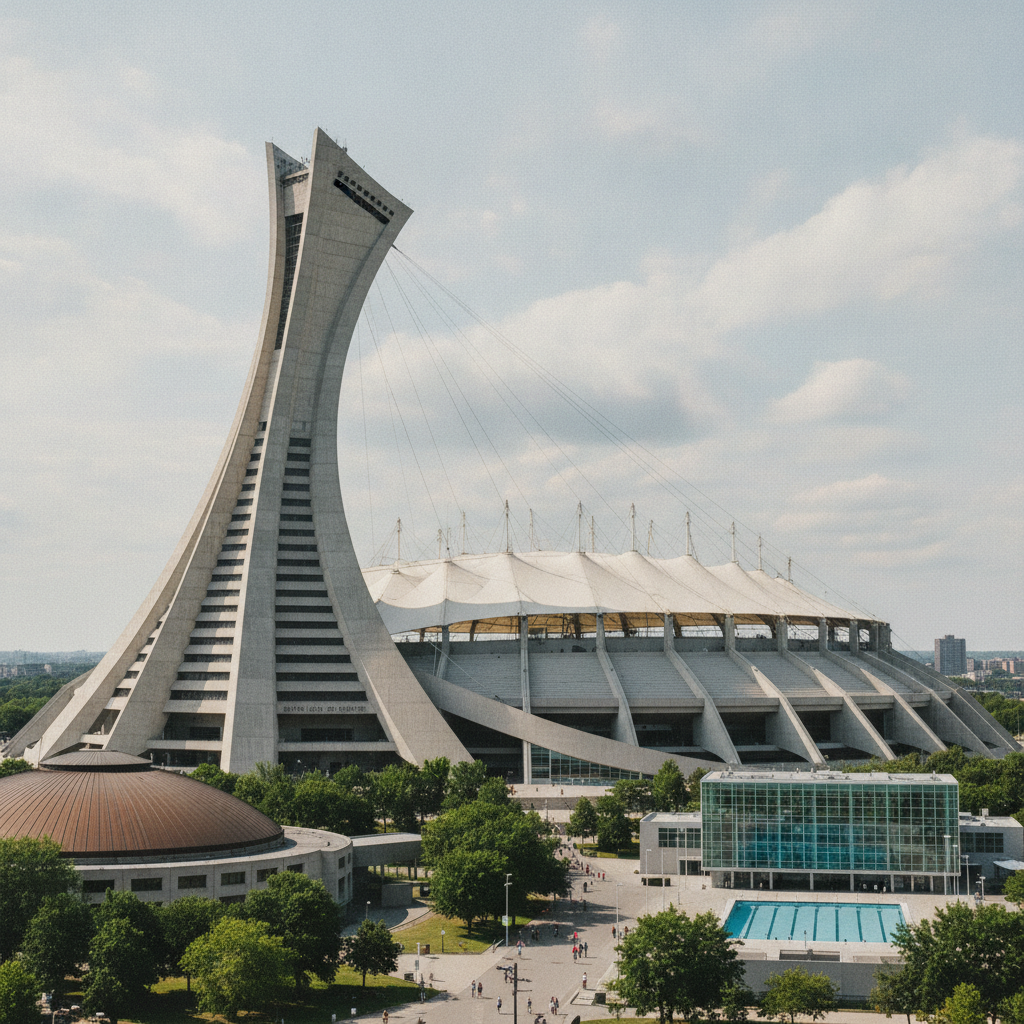
The Olympic Stadium, Biodôme & Parc Jean-Drapeau
The Montreal Olympic Stadium (Stade olympique de Montréal — the inclined-tower domed stadium designed by French architect Roger Taillibert and built for the 1976 Summer Olympics, the most controversial and most architecturally distinctive sports stadium in Canada) and the Biodôme (the indoor nature museum that occupies the former Olympic Velodrome, home to 4 replica North American ecosystems with 4,500 animals and 750 plant species) anchor the Olympic Park complex in the Hochelaga-Maisonneuve neighbourhood.
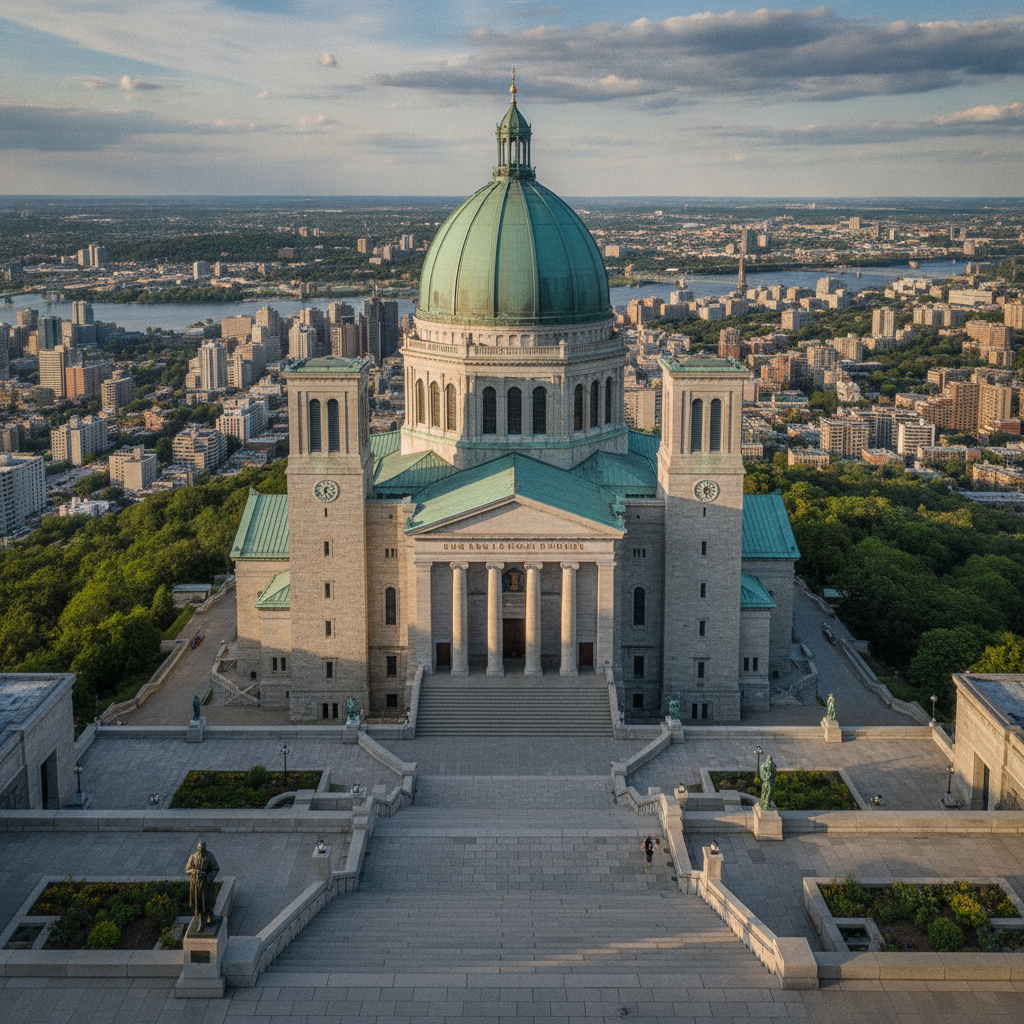
Saint Joseph's Oratory, Brother André & Montreal's Religious Heritage
Saint Joseph's Oratory of Mount Royal (Oratoire Saint-Joseph du Mont-Royal — the Roman Catholic basilica on the northwestern slope of Mount Royal, the largest church in Canada and the largest church dedicated to Saint Joseph in the world): the Oratory was founded by Brother André Bessette (1845-1937) — the Holy Cross brother who was canonized as a saint in 2010 and whose devotion to Saint Joseph and reputed healing miracles attracted millions of pilgrims to the Oratory during his lifetime.
Mount Royal Park, the Plateau & Montreal's Bohemian Heart
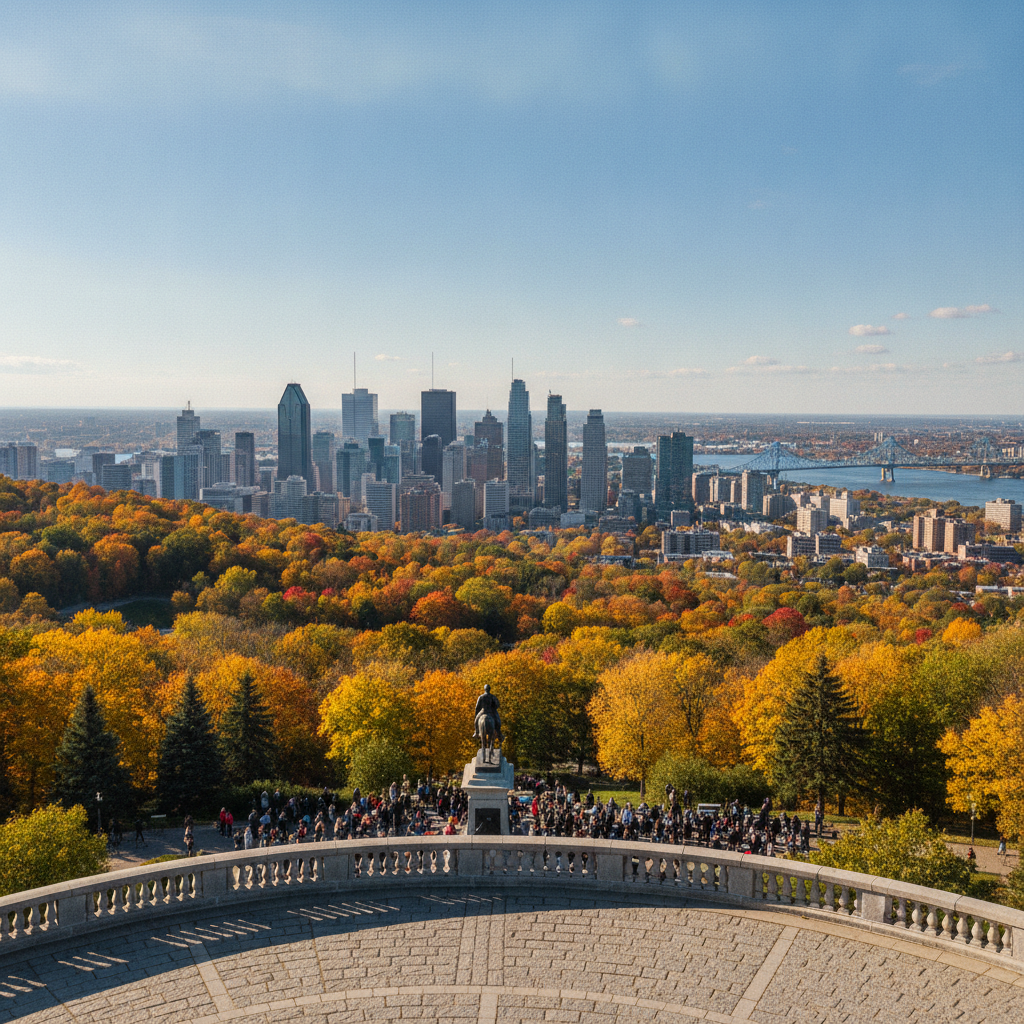
Mount Royal (the 233-metre (765-foot) hill at the centre of Montreal island that gives the city its name ('Mont-Réal' — the name given to the hill by Jacques Cartier when he climbed it on October 3, 1535, which he described as 'une grande montagne' (a great mountain))) is the most beloved natural landmark in Montreal, and the Plateau-Mont-Royal neighbourhood at its eastern foot is the most culturally vibrant neighbourhood in the city.
Old Montreal, Notre-Dame Basilica & the History of New France
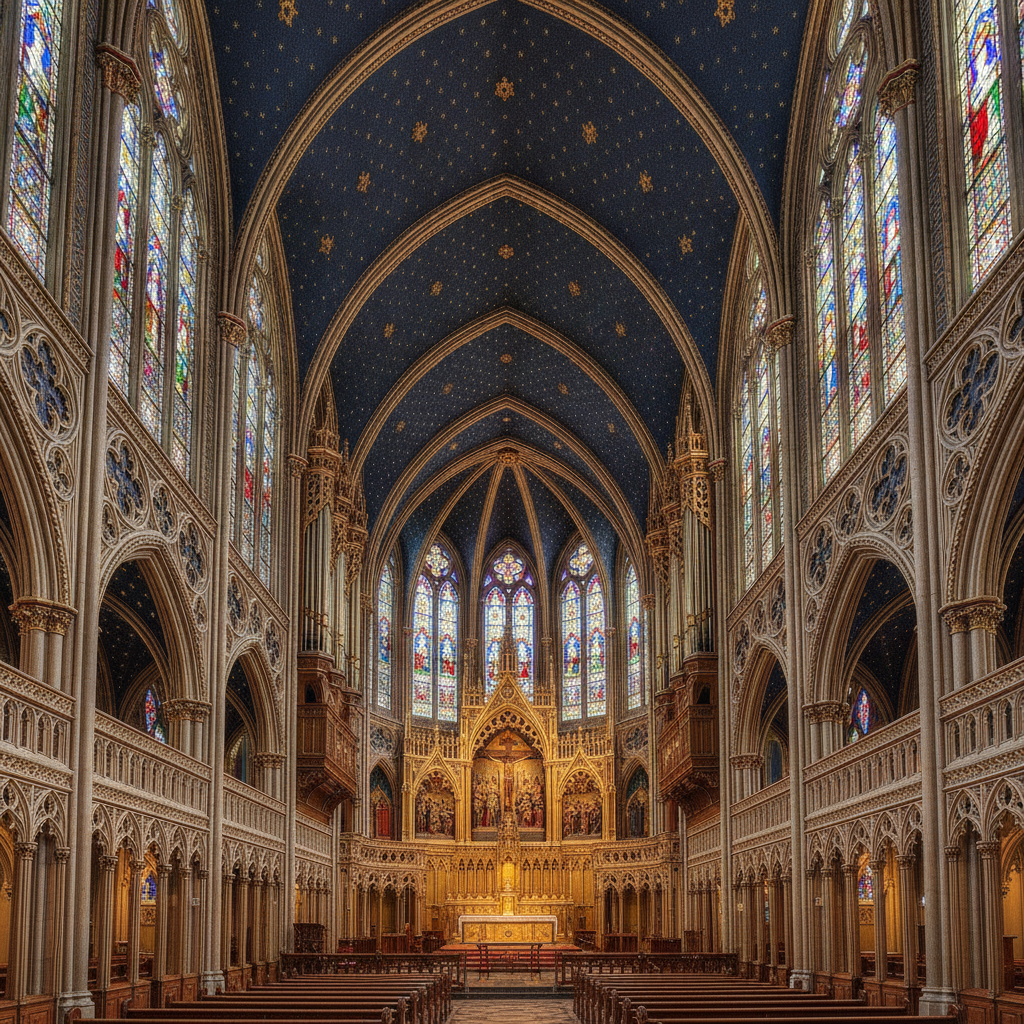
Montreal (the largest city in the province of Quebec, Canada — population approximately 2.1 million in the city and 4.2 million in the Greater Montreal Area — the most European city in North America, the city whose French language and culture (the 'francophone' majority — approximately 65% of the Montreal metropolitan population speaks French as their first language) give it a character entirely distinct from any other North American city): Old Montreal (Vieux-Montréal — the historic district of the city on the north bank of the St. Lawrence River, the site of the original French colonial settlement of Ville-Marie (1642)) is the most historically significant neighbourhood in Canada and one of the most beautiful historic urban districts in the Western Hemisphere.
Poutine, Smoked Meat & Montreal's Extraordinary Food Culture
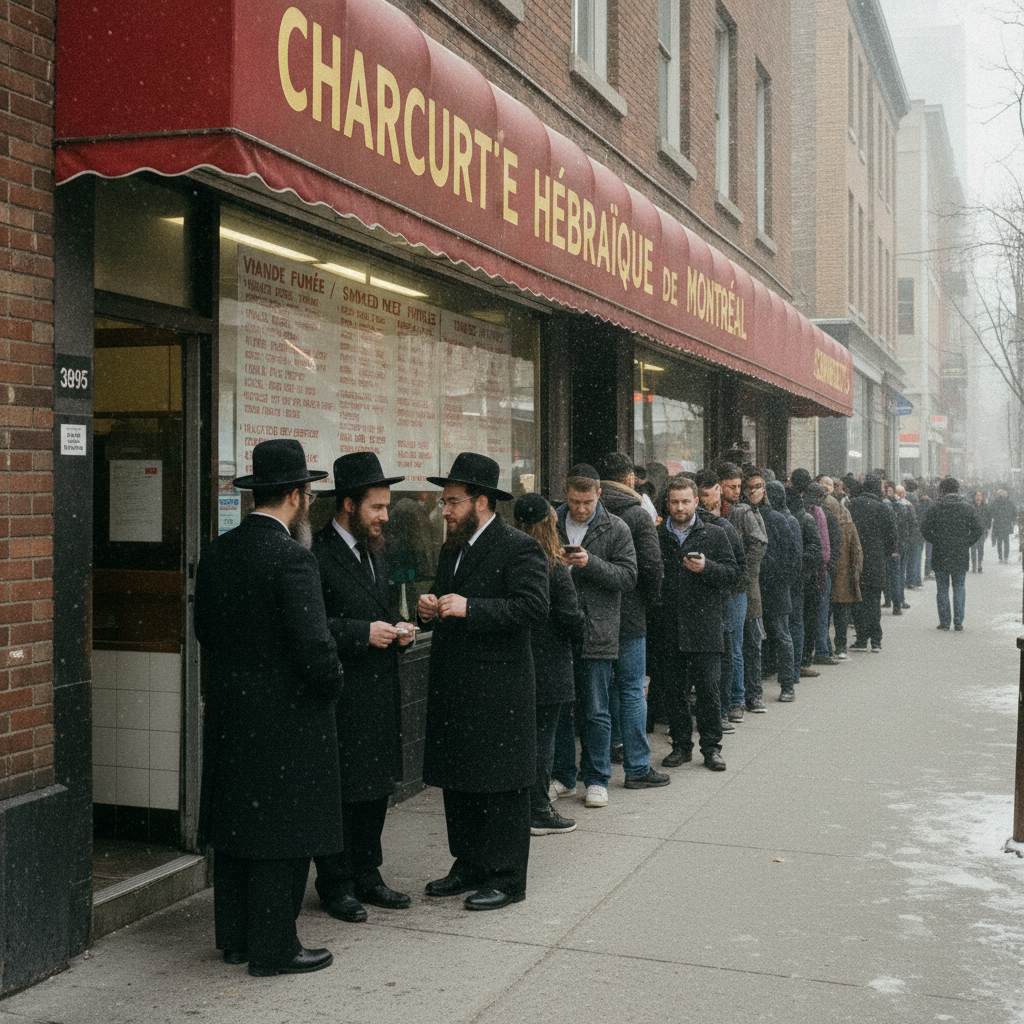
Montreal's food culture (the culinary tradition of a city that has produced two of the most distinctively Canadian foods (the poutine and the Montreal smoked meat sandwich), the finest bagels in the world (according to virtually every bagel expert who has written on the subject), and a restaurant scene of exceptional quality driven by the city's French cultural heritage and its multi-ethnic immigrant communities): Montreal is the most exciting food city in Canada and one of the most underrated food cities in the world.
Francophone Culture, Cirque du Soleil & Montreal's Arts Scene
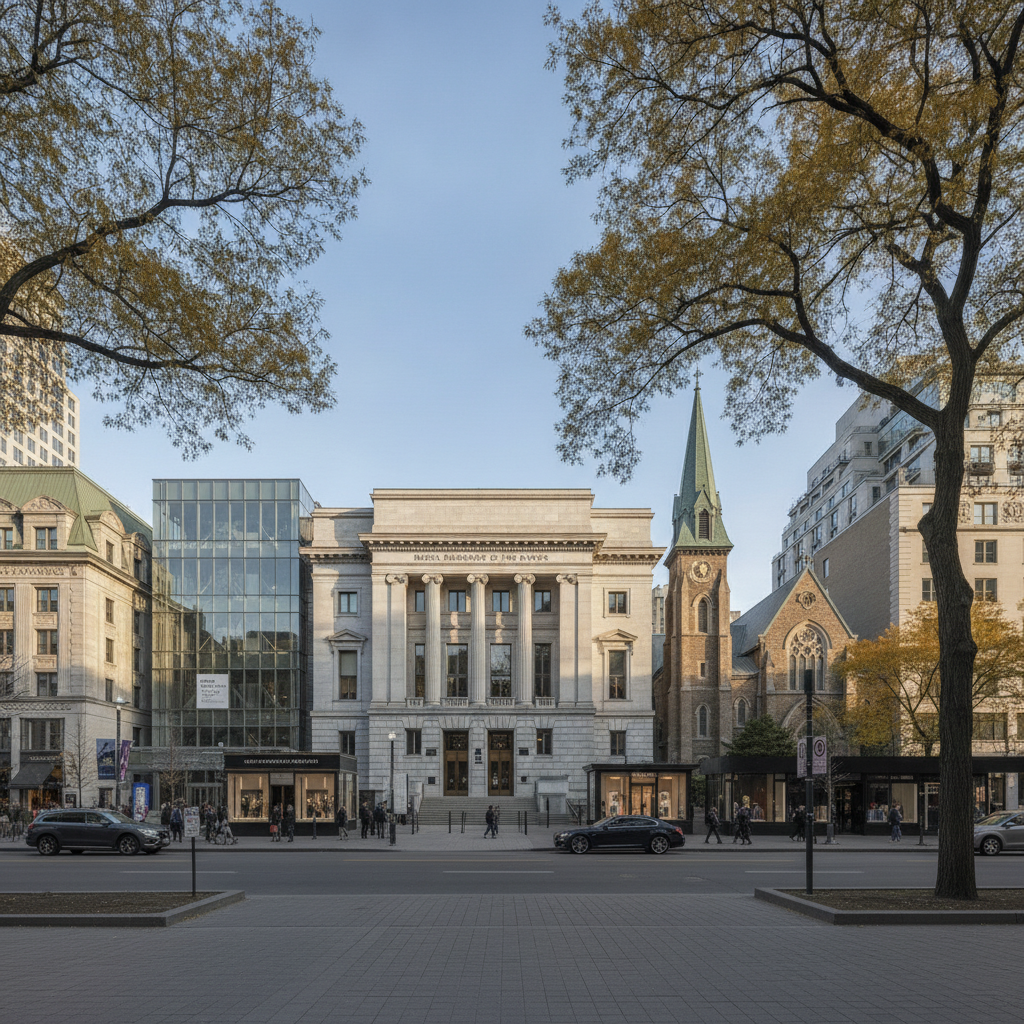
Montreal's francophone culture (the culture of the largest French-speaking city in the world outside of Paris — the city whose French language and culture have been the source of some of the most significant cultural productions in 20th and 21st-century North America): the Cirque du Soleil (the circus company founded in Montreal in 1984 by the street performers Guy Laliberté and Gilles Ste-Croix — the company that revolutionized the circus art form and grew into the largest theatrical producer in the world), the National Film Board of Canada (the NFB — the federal film production and distribution agency established in Montreal in 1939, responsible for some of the most celebrated documentary and animated films in cinema history), and the Montreal Museum of Fine Arts define Montreal's cultural output.
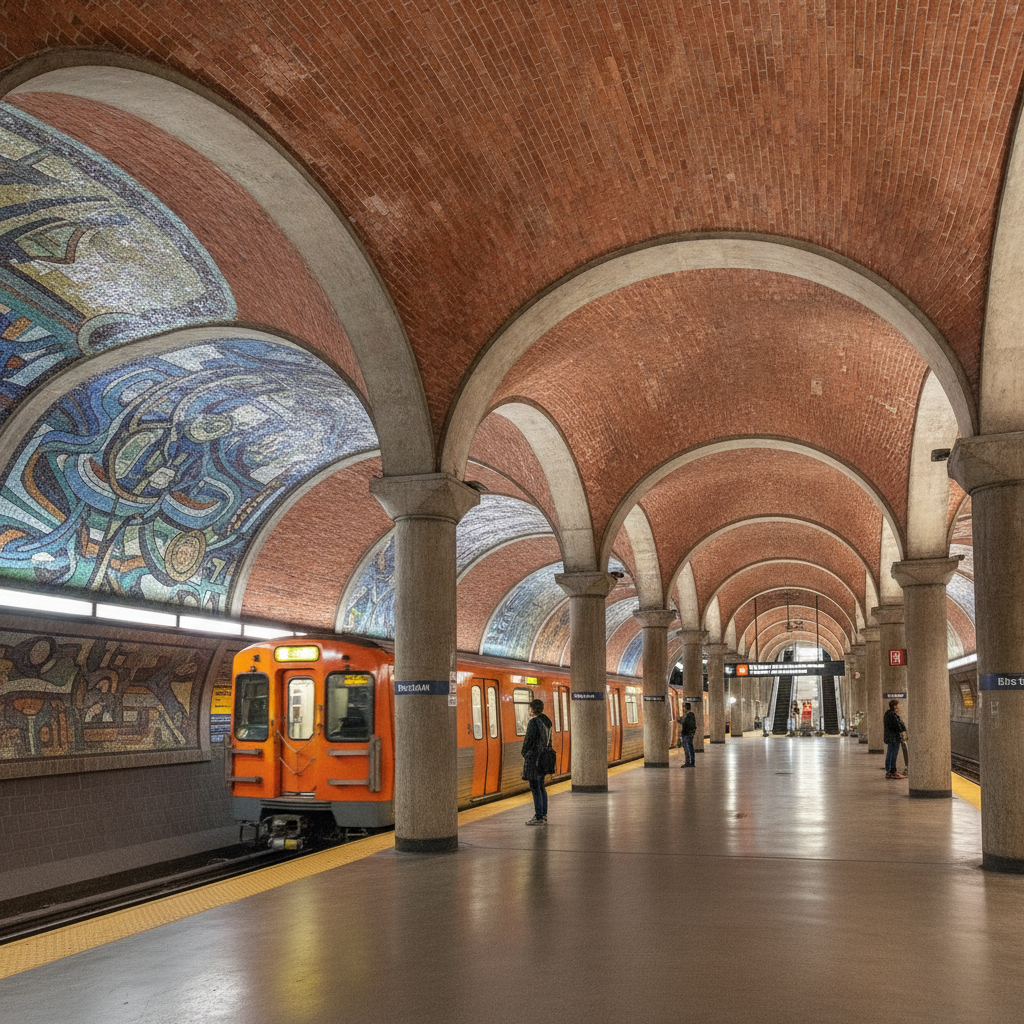
The Underground City, Montreal Metro & Winter Culture
The Montreal underground city (RÉSO — the world's largest underground pedestrian network, connecting 33 km of tunnels with 60+ building complexes, 2,000 shops, 200 restaurants, and 10 metro stations in downtown Montreal) and the Montreal metro (the Montréal Métro — the rubber-tired rapid transit system opened 1966, whose 68 stations are each individually designed by a different architect, making the metro the largest collection of commissioned public art in Canada) define how Montrealers navigate their city during the brutal Quebec winter (the average January temperature in Montreal is -10°C (14°F), with average snowfall of approximately 235 cm (92 inches) per year).