Mount Royal Park, the Plateau & Montreal's Bohemian Heart
Mount Royal (the 233-metre (765-foot) hill at the centre of Montreal island that gives the city its name ('Mont-Réal' — the name given to the hill by Jacques Cartier when he climbed it on October 3, 1535, which he described as 'une grande montagne' (a great mountain))) is the most beloved natural landmark in Montreal, and the Plateau-Mont-Royal neighbourhood at its eastern foot is the most culturally vibrant neighbourhood in the city.
- 1
Parc du Mont-Royal — Frederick Law Olmsted's Canadian Masterpiece
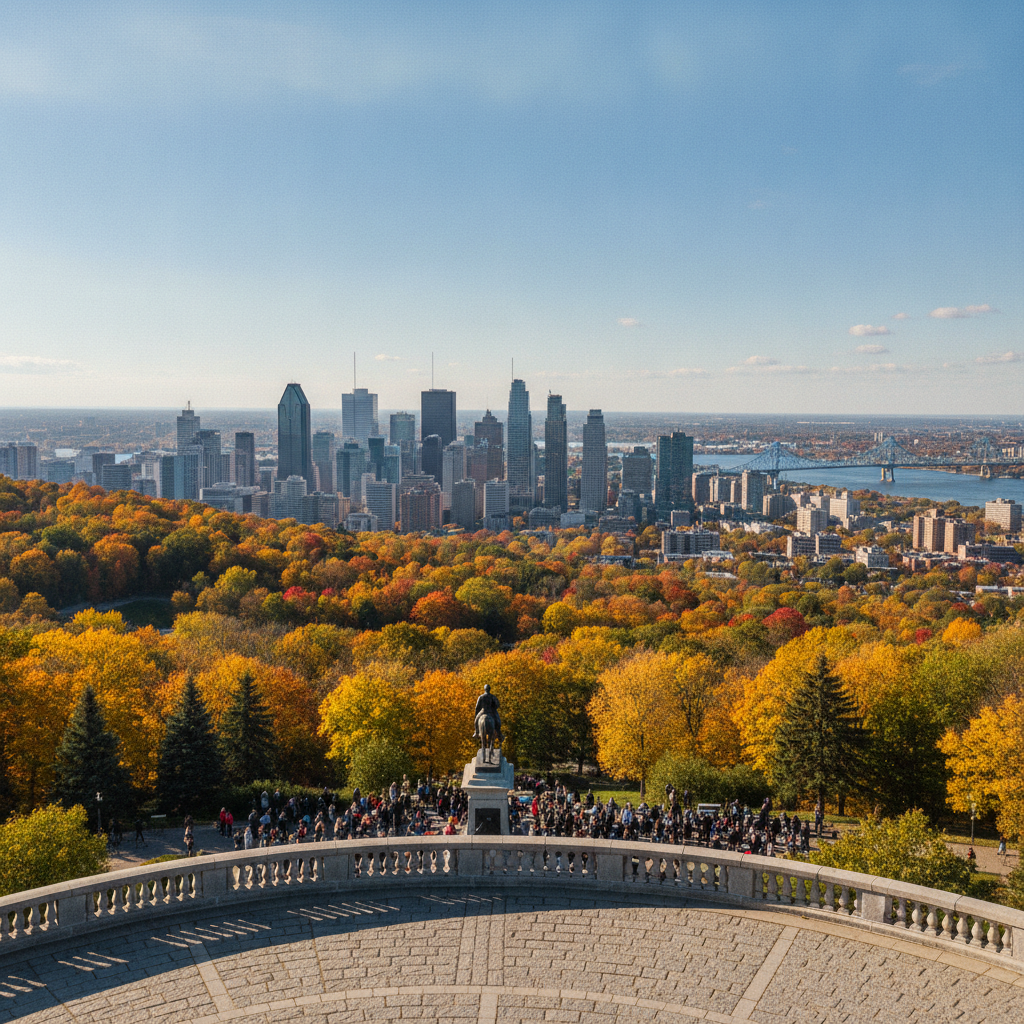
Parc du Mont-Royal (the 190-hectare (470-acre) urban park on and around the three summits of Mount Royal, designed by Frederick Law Olmsted (1822-1903) — the landscape architect who designed Central Park in New York, Prospect Park in Brooklyn, and the grounds of the US Capitol, and who designed Parc du Mont-Royal in 1876-1881 as his only Canadian commission): the Olmsted design (the naturalistic park design that preserves the natural character of the forested slopes of Mount Royal while creating a system of carriage drives, pedestrian paths, and scenic overlooks that maximize the visual experience of the park): the Kondiaronk Belvedere (the semicircular stone terrace at the main summit of the park (the 'Chalet du Mont-Royal' — the 1931 Beaux-Arts building at the top of the great staircase, the building used as a public rest house and event venue, its interior decorated with 17 paintings depicting scenes from the history of Canada and Quebec by the painter Jobson Paradis) that is the principal scenic overlook of Montreal: the view east from the Kondiaronk Belvedere encompasses the entire Montreal skyline (the downtown skyscrapers, the St. Lawrence River, the South Shore suburbs, and on clear days the Adirondack Mountains of New York State)): the Lac aux Castors (Beaver Lake — the artificial lake in the western portion of the park, the most popular winter destination in Montreal (the flooded meadow that freezes in winter for skating) and a summer gathering space for picnics and cycling): the Sunday Tam-Tams (the informal Sunday drum circle at the foot of the George-Étienne Cartier Monument at the base of the park — the institution that has operated every Sunday from May through October for over 40 years, attracting hundreds of drummers and thousands of spectators).
- 2
Le Plateau-Mont-Royal — Montreal's Most Beloved Neighbourhood
Le Plateau-Mont-Royal (the neighbourhood east of Parc du Mont-Royal and north of Rue Sherbrooke — the most densely populated and most culturally vibrant neighbourhood in Montreal, and one of the most distinctive urban neighbourhoods in Canada): the Plateau character (the neighbourhood defined by its distinctive residential architecture: the 'plex' (the Montreal triplex or duplex — the building type unique to Montreal in which 2-3 separate apartments are stacked vertically, each with their own exterior staircase (the 'escalier' — the wrought-iron or wooden exterior staircase that is the most characteristic architectural element of the Plateau neighbourhood, the feature that gives the streets of the Plateau their distinctive visual character), the spiral staircase in winter (the spiral exterior staircase, covered in ice and snow, that is the most photographed urban architectural element in Montreal)): the Plateau's cultural identity (the neighbourhood that has been home to the artistic, intellectual, and literary bohemian culture of French Montreal since the 1960s — the neighbourhood where the novelist Michel Tremblay set his 'Hosanna' plays, where the singer-songwriter Leonard Cohen (1934-2016) grew up (on the Plateau's west edge, in the Golden Square Mile), and where the Cirque du Soleil was founded (1984, in the adjacent Rosemont-La Petite-Patrie neighbourhood)): the main streets (Rue Saint-Denis (the principal commercial street of the Plateau, lined with restaurants, café terrasses, and boutiques), Rue Rachel, Rue Duluth, and the Avenue du Mont-Royal (the neighbourhood's main shopping street, home to independent boutiques, record shops, and the Marché Jean-Talon connection)).
- 3
Jean-Talon Market — Montreal's Greatest Food Market
Marché Jean-Talon (7070 Avenue Henri-Julien, in the Little Italy neighbourhood adjacent to the Plateau — the largest and most celebrated farmers' market in Canada, and one of the finest outdoor food markets in North America): the Jean-Talon Market (the open-air and covered market established 1933 in the former Canadian Pacific Railway freight yards, operating year-round (the covered indoor section operates year-round; the outdoor stalls operate from May through October)): the market experience (the 300+ vendors occupying the outdoor stalls and the interior market hall — the vendors selling Quebec-grown produce (the Québec strawberries, the corn-fed Quebec chickens, the Gaspésie fiddleheads (the curled fronds of the ostrich fern (Matteuccia struthiopteris), harvested in spring from the forests of the Gaspé Peninsula — the finest fiddleheads in North America), the locally foraged morel and chanterelle mushrooms, and the Lac Saint-Jean wild blueberries (Vaccinium angustifolium — the tiny, intensely flavoured wild blueberry that is the most prized seasonal ingredient in Quebec cuisine)): the cheese shops (the Fromagerie Hamel — the cheese shop at the Jean-Talon Market famous for the finest selection of Quebec artisan cheeses in Montreal, including the Île-aux-Grues Cheddar (the 3-year aged cheddar from Île-aux-Grues in the St. Lawrence River), the Sir Laurier d'Arthabaska (the washed-rind cheese), and the Oka cheese (the semi-soft washed-rind cheese produced by the Trappist monks of the Abbey of Notre-Dame d'Oka since 1893 — the most historically significant Canadian cheese)).
- 4
Rue Sainte-Catherine & Montreal's Shopping Culture
Rue Sainte-Catherine (the main commercial street of downtown Montreal, running east-west for approximately 15 kilometres (9 miles) through the heart of the city — the longest commercial street in Canada): the Sainte-Catherine experience (the street that is the primary retail, entertainment, and nightlife artery of downtown Montreal, lined with department stores (the Hudson's Bay Company (La Baie — the Beaux-Arts 1891 building at the corner of Sainte-Catherine and Union, the flagship Montreal store of the oldest department store in North America), Simons (the Quebec-founded fashion retailer), the Complexe Desjardins (the indoor shopping centre) and the luxury retailers (the Holt Renfrew luxury department store, the Montreal flagship stores of international luxury brands on the parallel Sherbrooke Street (the 'Golden Square Mile' — the luxury retail district on Rue Sherbrooke between Guy and University Streets))): the Village (the Gay Village — the stretch of Rue Sainte-Catherine between Rue Amherst and Rue Papineau in the Centre-Sud neighbourhood that is the largest, most vibrant, and most internationally celebrated gay neighbourhood in Canada, and one of the most important LGBTQ+ cultural districts in the world): the underground city (the RÉSO — the underground pedestrian network connecting the major buildings, hotels, shopping centres, and transit stations in downtown Montreal via 33 kilometres (20 miles) of underground passages — the largest underground city in the world, connecting more than 60 building complexes (including 2,000 shops and 200 restaurants) and allowing Montreal residents to move through downtown during the severe Quebec winters without going outside.
- 5
Mile End — Montreal's Most Creative Neighbourhood
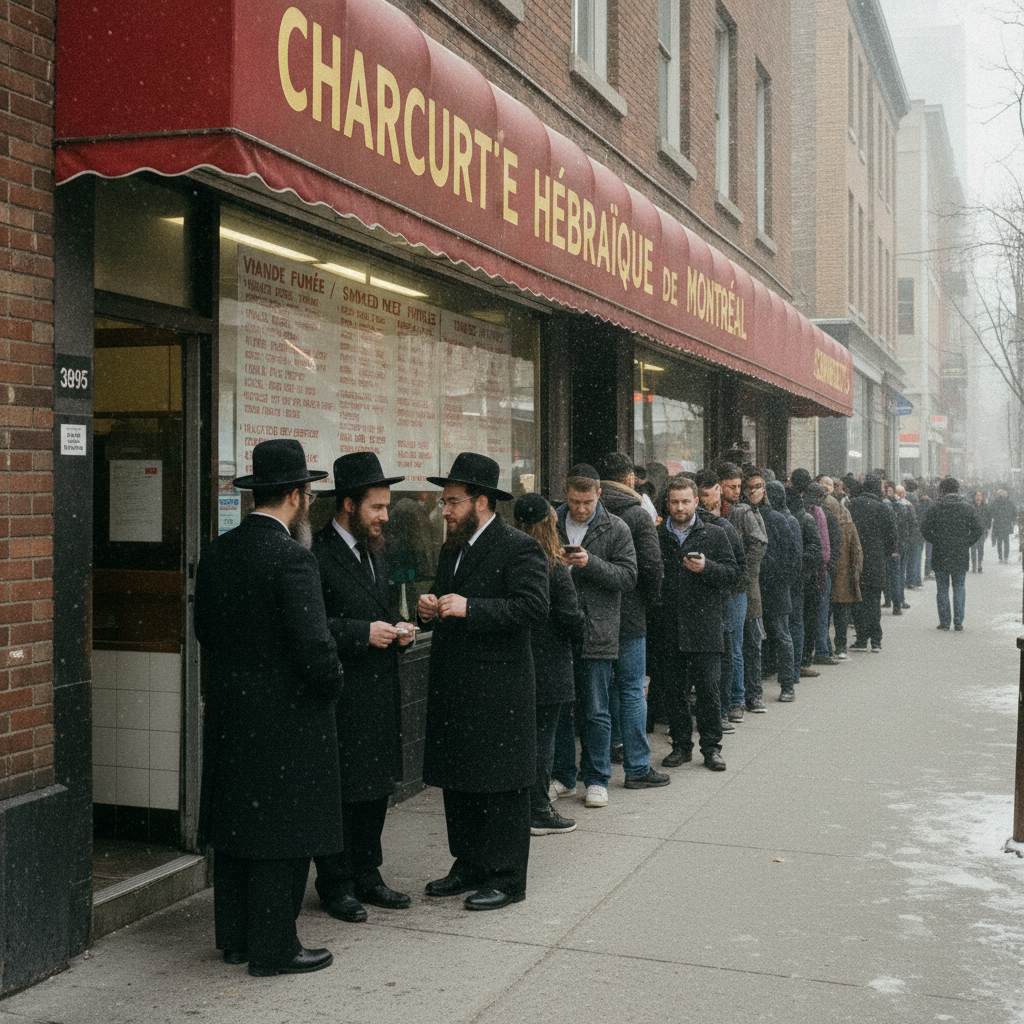
Mile End (the neighbourhood in the northern Plateau-Mont-Royal borough, bounded roughly by Avenue Van Horne, Avenue du Parc, Rue Saint-Laurent, and Rue Bernard — the neighbourhood that is the most creative, most internationally celebrated, and most artistically productive square kilometre in Canada): the Mile End cultural identity (the neighbourhood that was home to the Hasidic Jewish community (the Mile End Hasidic community centred on the Grand Synagogue of Montreal on Rue Hutchison and the Lubavitch yeshiva on Avenue de l'Épée), the Greek immigrant community (the Mile End's Greek community operated the Mile End's Greek restaurants and cafés on Rue Saint-Viateur), and the Portuguese community (the Portuguese-Canadians who operated the bakeries and cafés on Rue Saint-Laurent) before being colonized by artists, musicians, and creative professionals in the 1990s-2000s): the Mile End music scene (the neighbourhood that produced the most critically acclaimed Canadian music of the 21st century: Arcade Fire (the Montreal indie rock band formed 2001 in the McGill University neighbourhood, who recorded their debut album 'Funeral' (2004) — the album that is considered the finest Canadian rock album of the decade — in the Mile End), Godspeed You! Black Emperor (the Montreal post-rock collective formed 1994, one of the most critically acclaimed instrumental bands in the history of alternative music), and numerous other critically celebrated bands): the Fairmount Bagel (74 Avenue Fairmount Ouest — the bagel bakery established 1919 (the oldest continuously operating bagel bakery in Montreal), famous for the Montreal bagel (the 'Montreal bagel' — the smaller, denser, sweeter, wood-fire-baked bagel that is demonstrably superior (by the consensus of bagel experts) to the New York bagel)).
- 6
Tam-Tams, Street Art & the Montreal Summer Festival Scene
Montreal's summer festival culture (the city that hosts more summer festivals than any other city its size in the world — the 'Festival City' (the unofficial title that Montrealers give their city, with some justification)): the major festivals: the Montreal International Jazz Festival (Festival International de Jazz de Montréal — the annual jazz festival held in late June and early July in the Quartier des Spectacles (the entertainment district north of Old Montreal), the largest jazz festival in the world (the Guinness World Record holder for attendance — approximately 3 million people attend the 11-day festival, making it the most-attended music festival in the world), with approximately 3,000 performances (500 free outdoor performances and 150 indoor ticketed shows) across 18 stages and 10 outdoor spaces): the Just for Laughs comedy festival (Juste pour rire — the annual comedy festival held in July, the largest comedy festival in the world, with approximately 2 million attendees and 2,200 artists from 20+ countries): the Osheaga Music and Arts Festival (the annual outdoor music festival held at Parc Jean-Drapeau on Île Sainte-Hélène in early August — the largest music festival in Quebec and the finest major music festival in Canada, with approximately 150,000 attendees over 3 days): the Tam-Tams (the Sunday drum circle at the foot of the George-Étienne Cartier monument at the base of Parc du Mont-Royal — the informal institution that has operated every Sunday from May through October since the late 1970s, when hippie drummers began gathering at the monument, and that has grown into the most beloved unofficial event in Montreal, attracting hundreds of drummers, thousands of spectators, and an informal flea market of Quebec artisan goods.
Walk this route with audio
Stories play automatically as you reach each stop — no tapping needed.
More in montreal
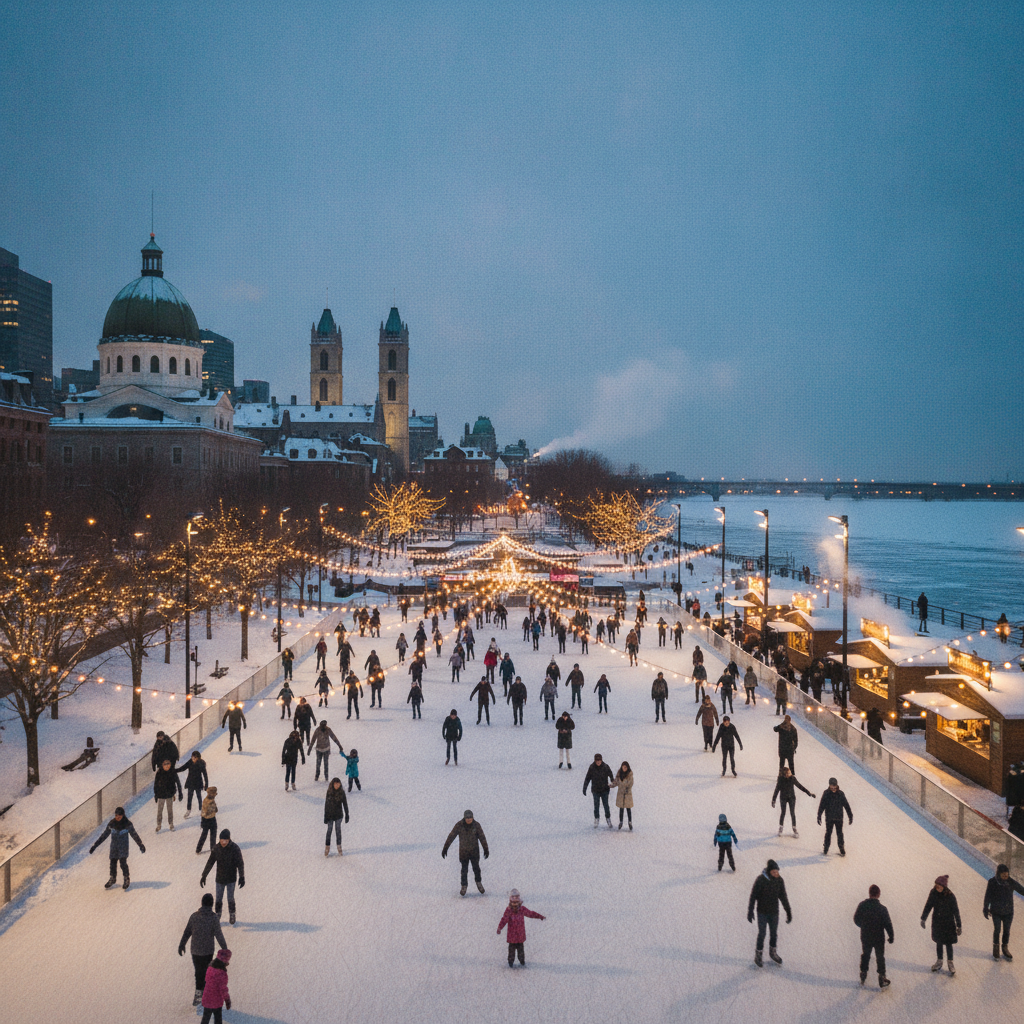
Montreal in Winter — Skating, Snowshoeing & Embracing the Cold
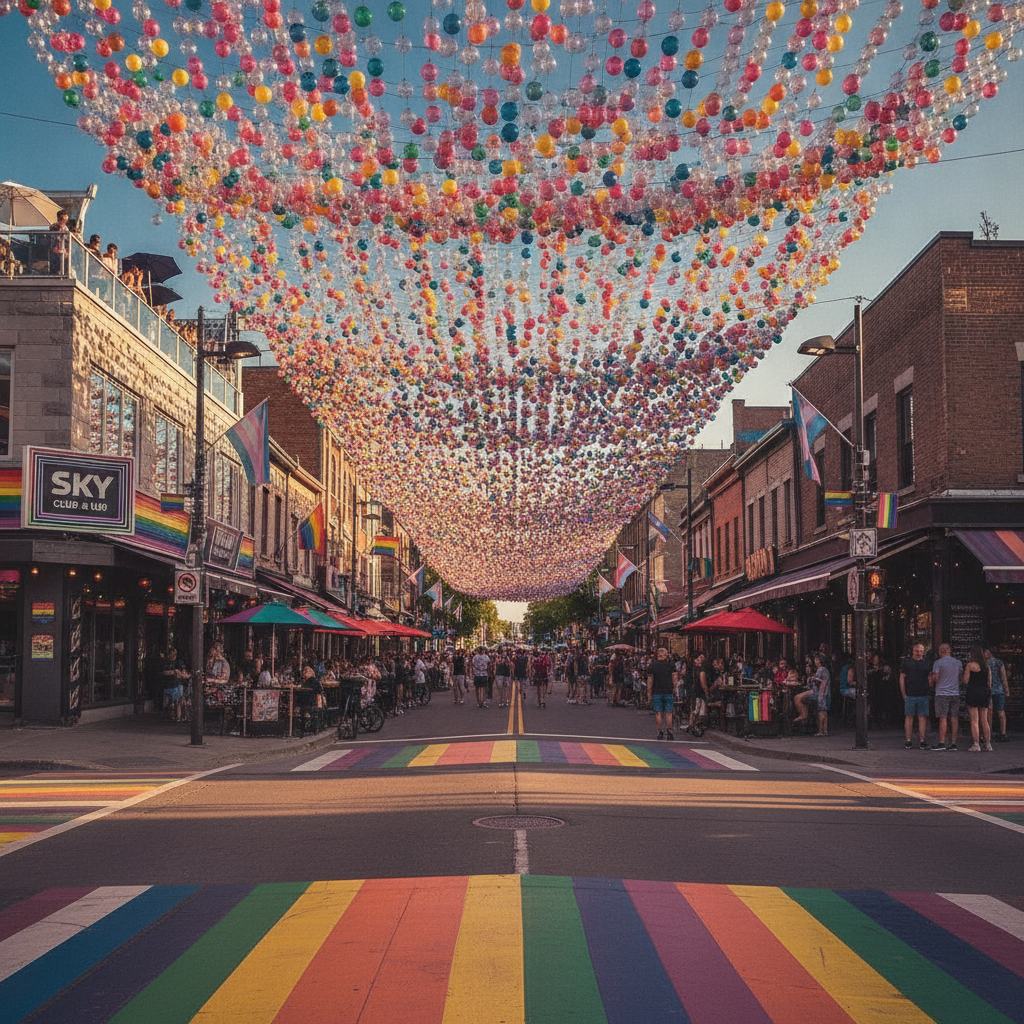
Montreal's Gay Village, Pride Festival & LGBTQ+ Culture
The Olympic Stadium, Biodôme & Parc Jean-Drapeau
Saint Joseph's Oratory, Brother André & Montreal's Religious Heritage
Old Montreal, Notre-Dame Basilica & the History of New France