Marrakech
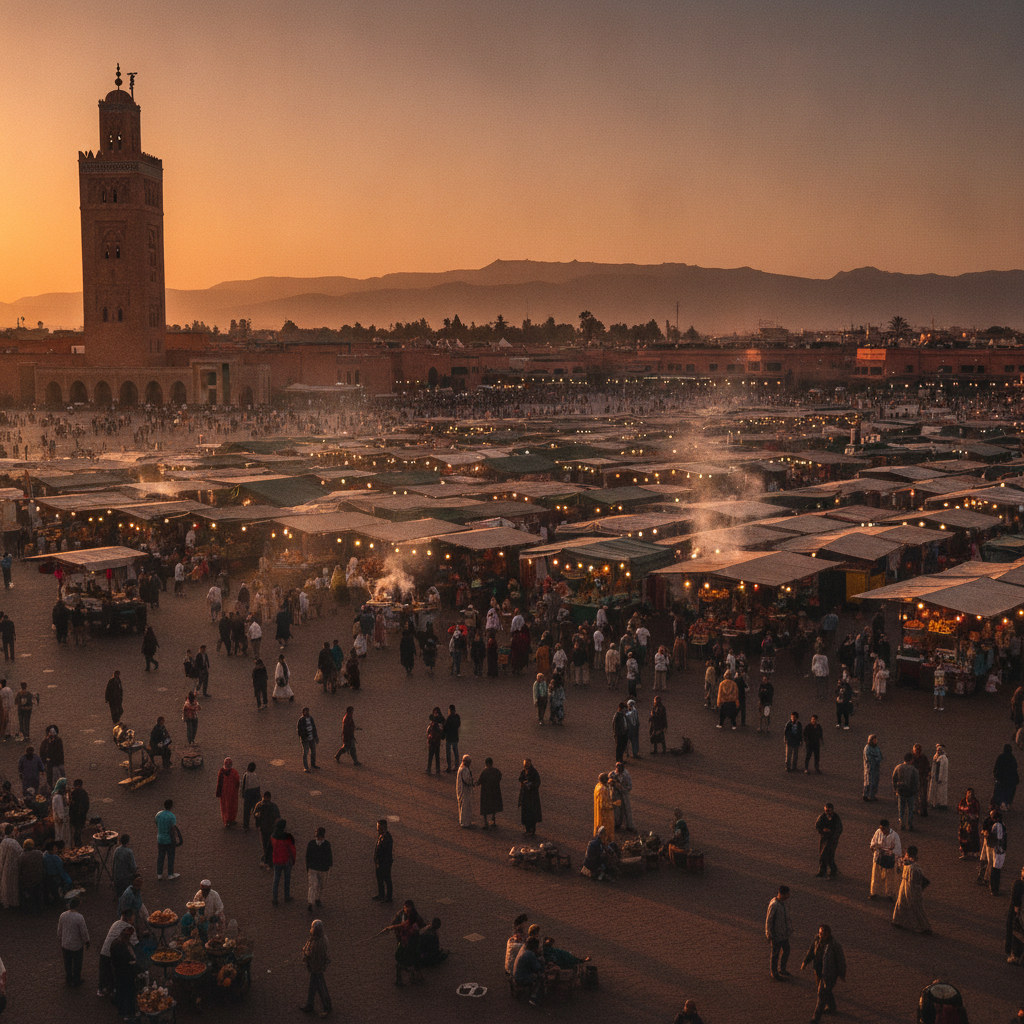
Djemaa el-Fna, the Medina & the Souks — Marrakech's Living UNESCO Heritage
Marrakech (the 'Red City' — the ochre-walled imperial city in the foothills of the Atlas Mountains, population approximately 1 million, founded 1062 by the Almoravid dynasty): Marrakech is the most visited city in Africa and the most internationally recognized Moroccan destination, its medina (the historic walled city, UNESCO World Heritage since 1985) a living medieval urban organism of souks, mosques, palaces, and riads centred on the spectacular Djemaa el-Fna square.
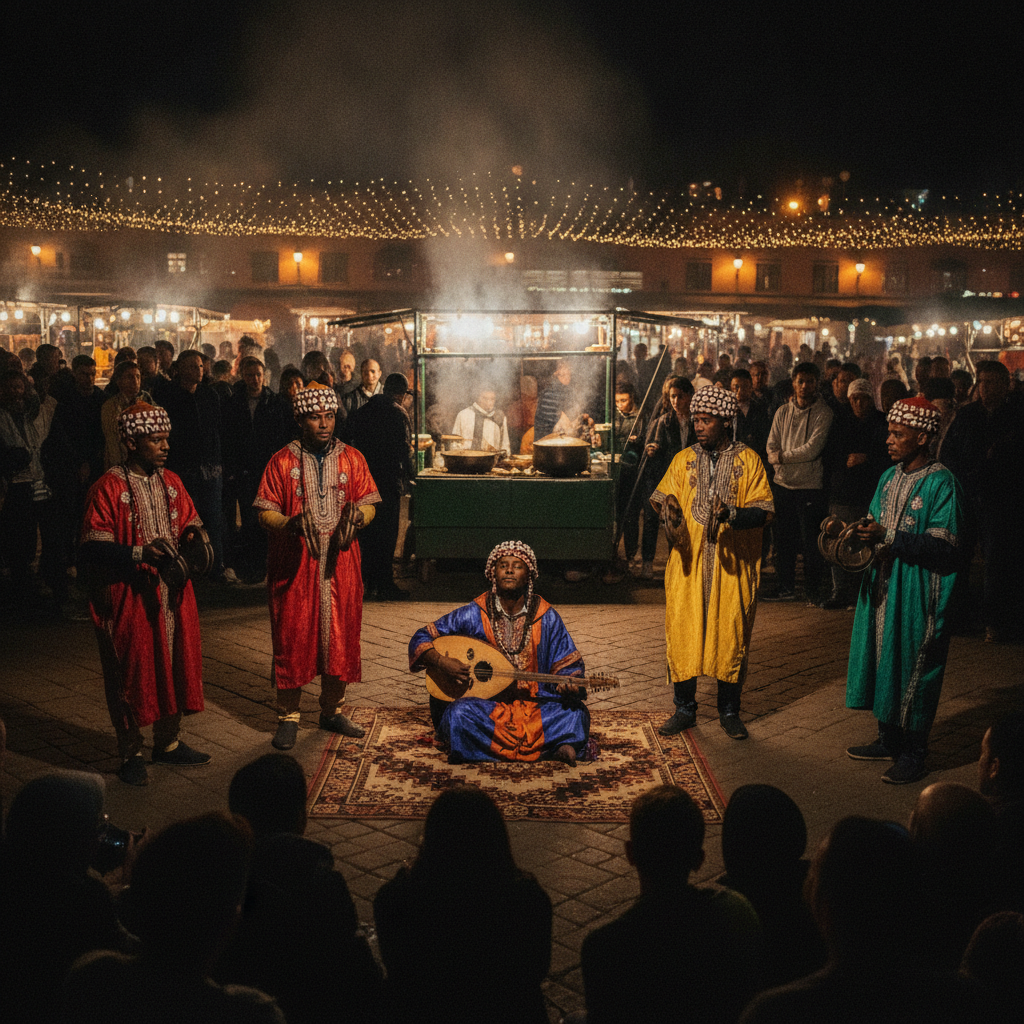
Gnawa Music, Sufi Culture & the Spiritual Heart of Marrakech
Marrakech is the spiritual capital of Moroccan musical culture, the city where the Gnawa tradition (the music of the descendants of sub-Saharan African enslaved people, recognized by UNESCO as an Intangible Cultural Heritage in 2019) is most alive, and where Sufi brotherhoods (tariqas) continue the devotional musical traditions of the Islamic world.
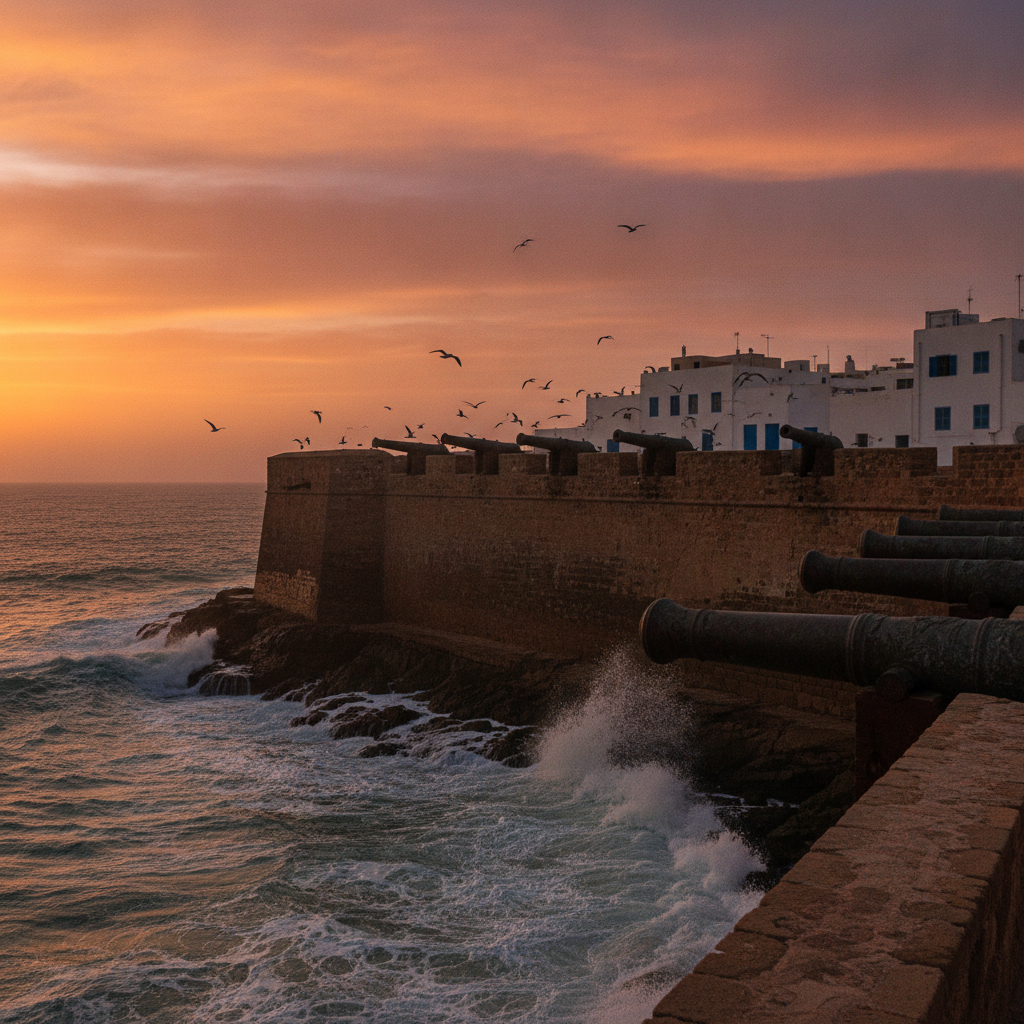
Essaouira — Marrakech's Atlantic Escape
Essaouira (the Atlantic coastal city 180 km west of Marrakech (2.5-3 hours by bus or private transfer) — the wind-swept fortified city on the Atlantic coast, UNESCO World Heritage since 2001): Essaouira (the name means 'the well-designed' in Amazigh) was built as a new city in 1765 by the Alaouite Sultan Mohammed III, designed by the French military architect Théodore Cornut, creating a European-designed medina with wide straight streets within a Moroccan context — unique in Morocco; Essaouira was the most important port in Morocco from the 18th to the early 20th century, a cosmopolitan city of Jewish, European, Arab, and Amazigh communities.
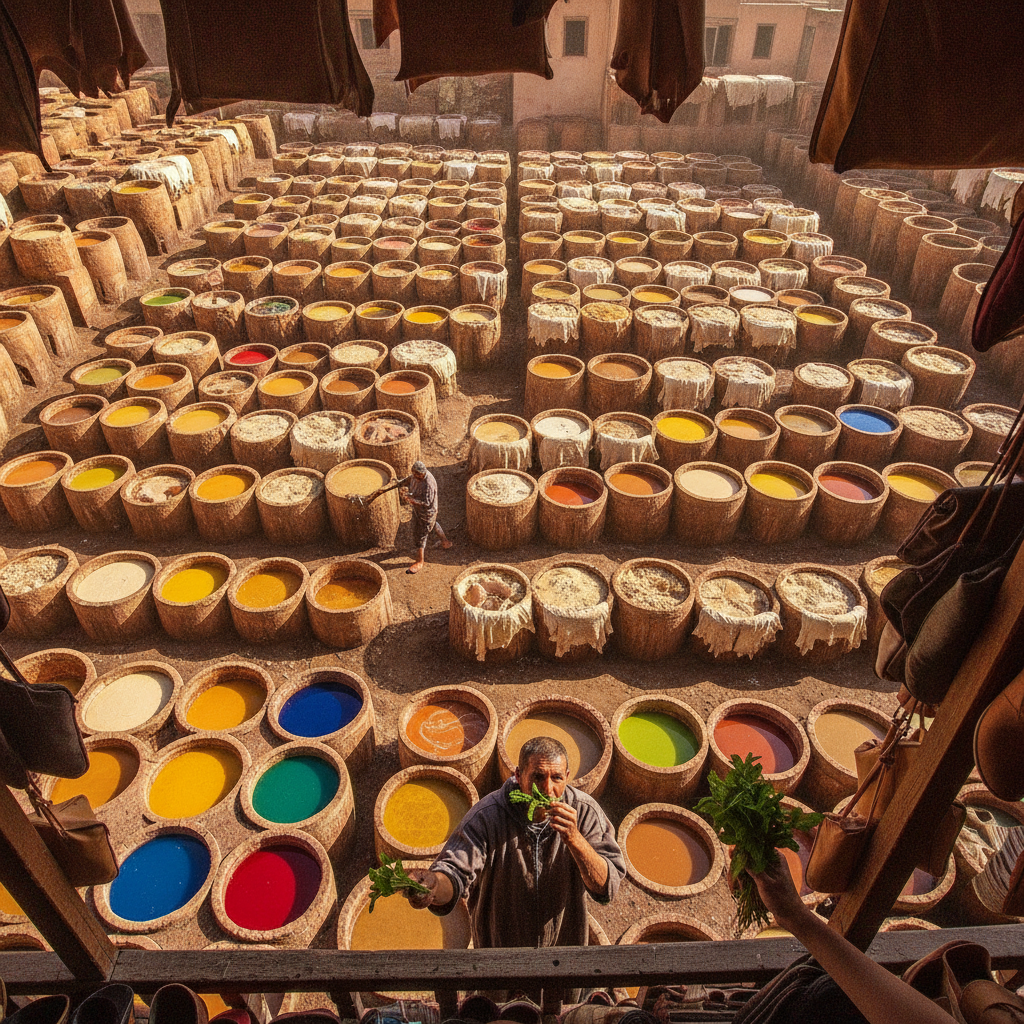
Moroccan Crafts — Leather Tanneries, Pottery & Artisans
Moroccan traditional crafts (the body of skills and techniques that has been practiced in Moroccan artisan workshops (the medersas (ateliers)) for centuries, representing one of the richest and most intact craft traditions in the world): the most important Moroccan crafts are: leather (the Moroccan leather industry, centred on the tanneries of Fez (the most famous, though Marrakech also has traditional tanneries), producing babouche (the Moroccan leather slipper), bags, belts, and decorative items), pottery (the traditional Moroccan painted pottery, particularly the distinctive black-on-white geometric designs of Salé and the multi-coloured painted pottery of Safi), and the zellij (the cut ceramic tilework that covers floors, walls, and fountains in traditional Moroccan architecture).
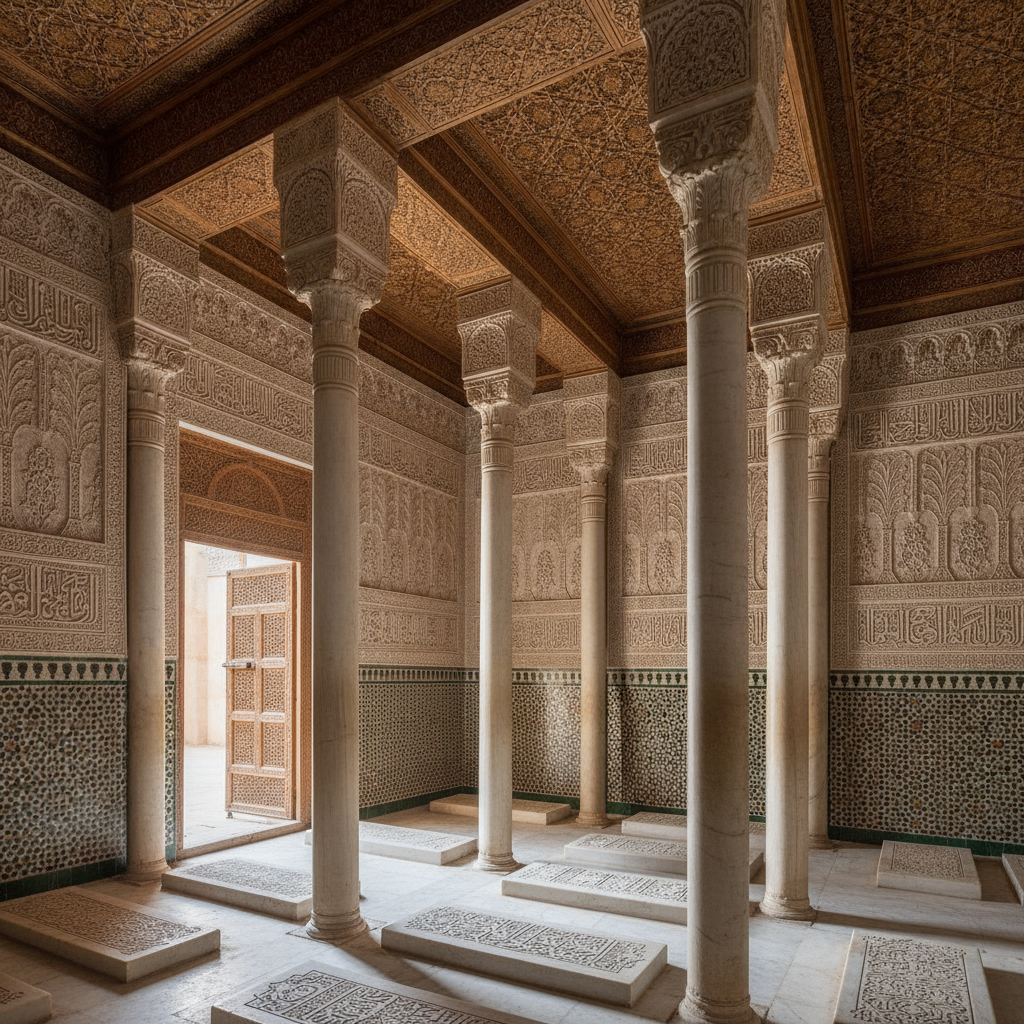
Saadian Tombs & the Imperial History of Marrakech
The Saadian Tombs (the royal necropolis of the Saadian dynasty (1549-1659), the most important dynasty in Moroccan history, who made Marrakech the capital of a Moroccan empire that stretched from sub-Saharan Africa to the Mediterranean): the tombs were sealed by the Alaouite Sultan Moulay Ismail (who despised the Saadians) in the 17th century and rediscovered in 1917 from aerial photography by the French — the best-preserved Saadian monuments in Morocco.
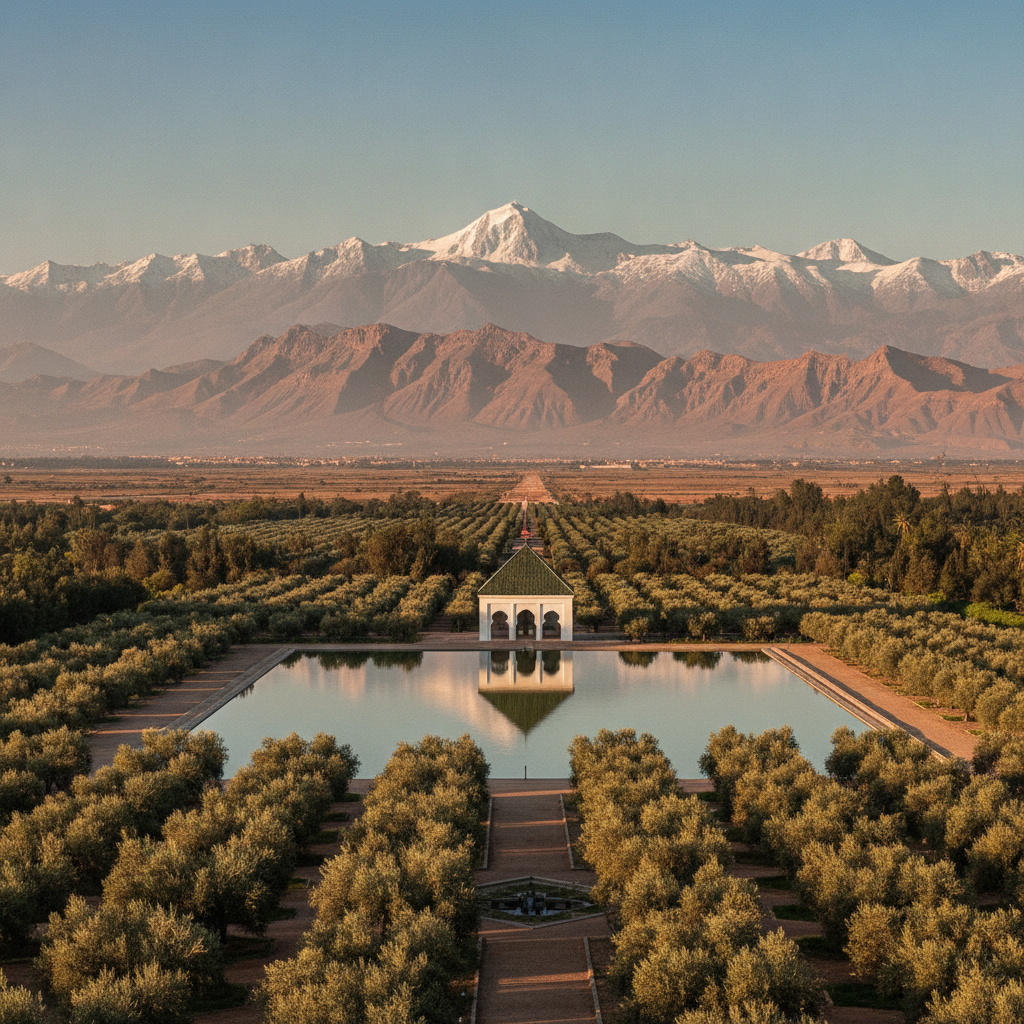
Atlas Mountains, Ourika Valley & Berber Villages — Day Trips from Marrakech
The High Atlas Mountains (the Haut-Atlas — the mountain range rising immediately south of Marrakech, visible from the city on clear days as a wall of peaks including Jbel Toubkal (4,167 metres — the highest peak in North Africa)) are accessible from Marrakech as day trips (Ourika Valley, 60 km) or multi-day trekking expeditions (Toubkal Base Camp and summit, 2-3 days from Imlil, 60 km from Marrakech).
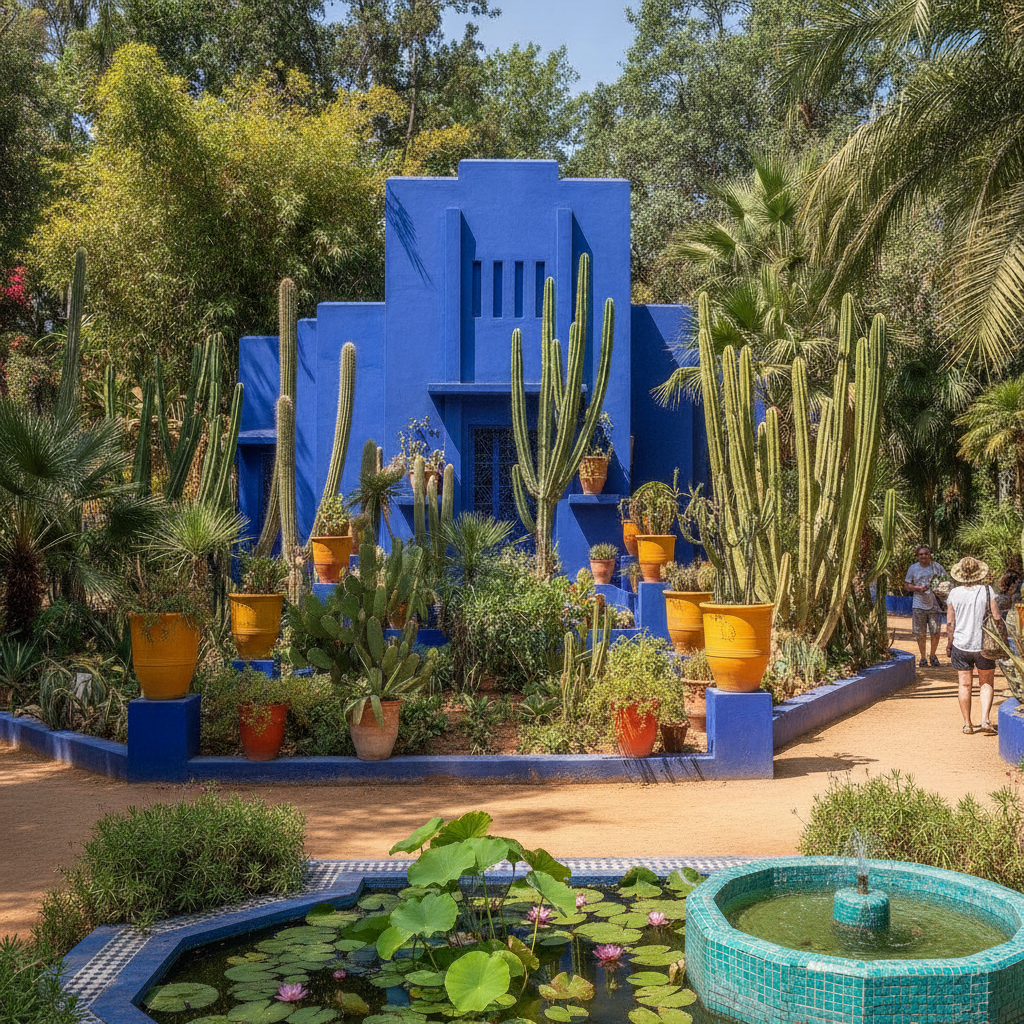
Majorelle Garden, the YSL Museum & Gueliz — Marrakech's Modern Quarter
Beyond the medina, Marrakech's Gueliz district (the French-planned ville nouvelle built from 1912 as the administrative and commercial centre of the French Protectorate) contains two of the most visited attractions in Morocco: the Majorelle Garden (the botanical garden and Art Deco villa created by the French painter Jacques Majorelle and subsequently owned by Yves Saint Laurent) and the Musée Yves Saint Laurent.
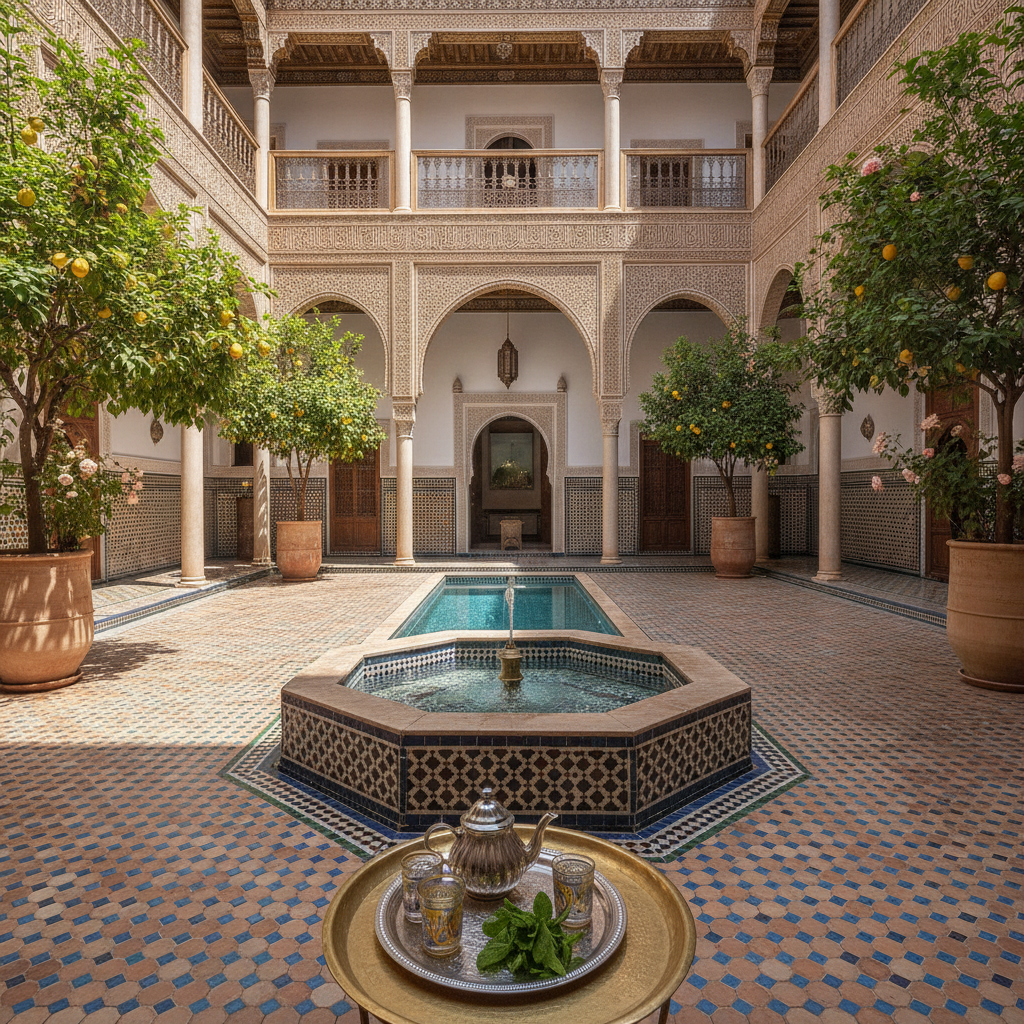
Riad Living — Traditional Moroccan Courtyard Houses
The riad (the traditional Moroccan courtyard house of the medina — from the Arabic riad, meaning garden) is the defining architectural form of Marrakech: the inward-facing design (blank exterior walls, all rooms opening onto a central courtyard garden with a fountain or pool) reflects both the Islamic preference for private domestic space and the need for shade and cooling in the North African climate; the conversion of riads into boutique hotels began in the 1990s and has transformed the Marrakech accommodation industry, with over 1,000 riad guesthouses now operating in the medina.
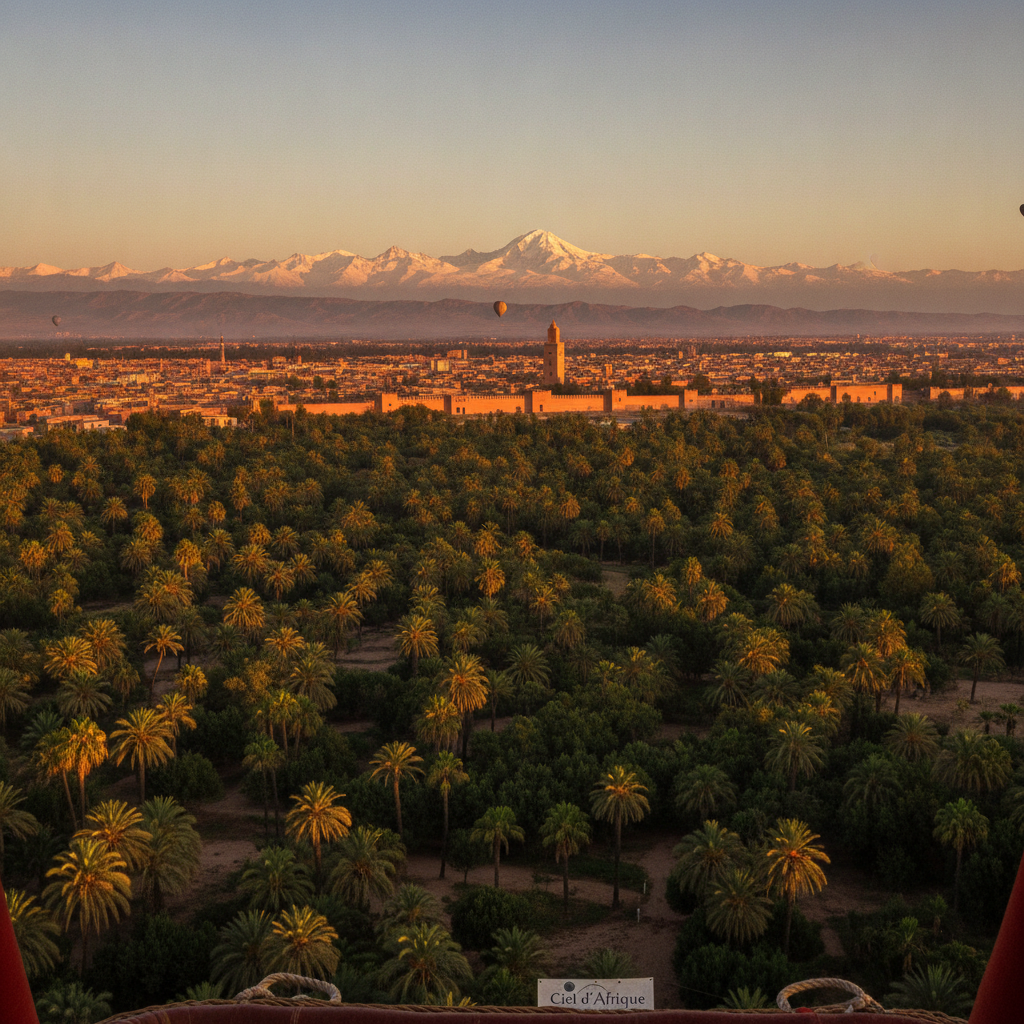
The Palmeraie — Camel Riding, Hot Air Balloons & Desert Activities
The Palmeraie (the palm grove of Marrakech — the large area of date palms (Phoenix dactylifera) on the northeastern outskirts of the city, covering approximately 13,000 hectares and containing an estimated 100,000 date palms, traditionally associated with the legend that Almoravid soldiers planted the dates they had brought from the Sahara on the site): the Palmeraie is the primary destination for tourist activities in Marrakech — camel (dromedary) riding through the palm groves, quad biking, horse riding, and (from March-November on calm mornings) hot-air ballooning over the city and the Atlas Mountains — the finest way to see the relationship between Marrakech, the Palmeraie, and the Atlas.