London
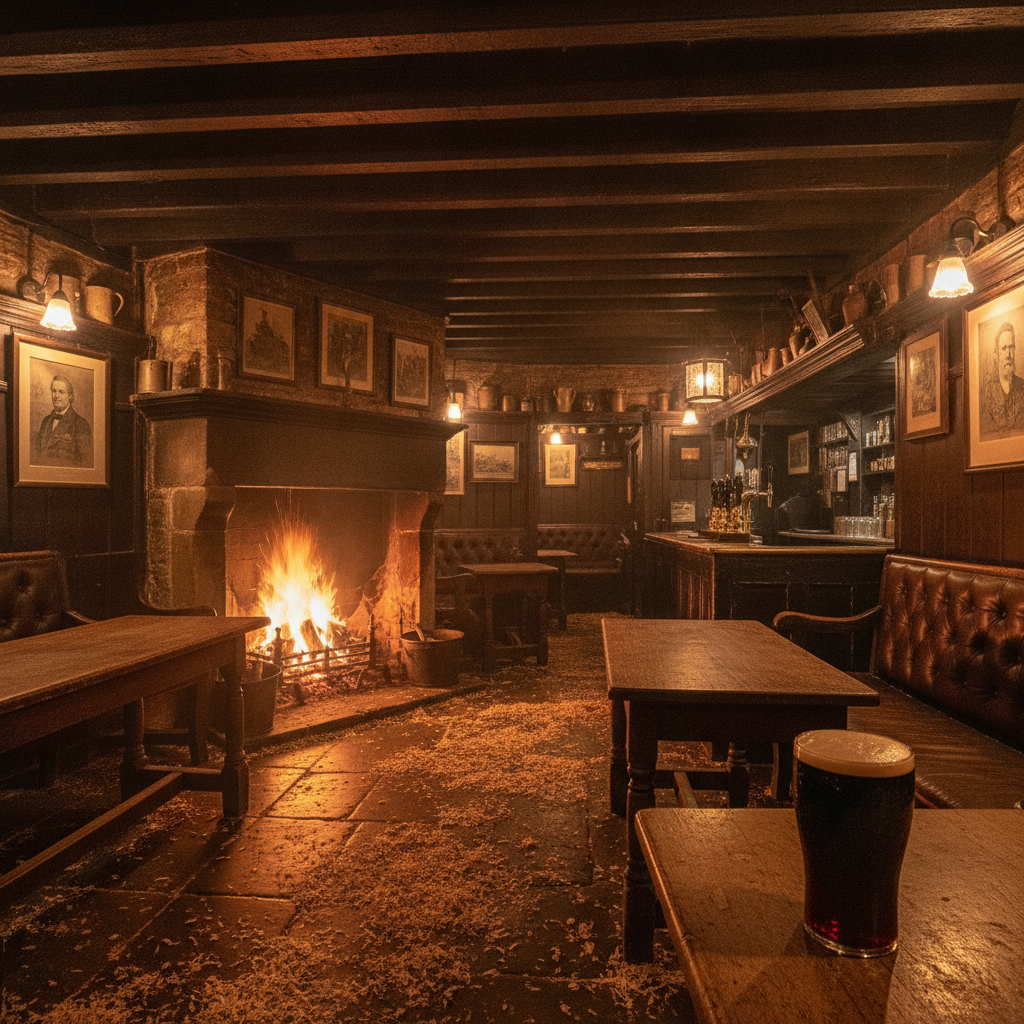
The Square Mile: City of London Pub Walk
The City of London—the 'Square Mile', the ancient walled Roman city on which all of modern London grew—is the world's oldest financial district and contains some of the most extraordinary architecture in Britain: Christopher Wren churches, the Georgian Bank of England, Norman Foster's Lloyd's building, Rafael Viñoly's Walkie-Talkie. But under and between all of this modernity sits a layer of medieval city that survived the Great Fire of 1666 (barely), the Blitz, and centuries of property development: Roman pavements, Victorian covered markets, and pubs that were serving ale before Shakespeare was born. This walk visits the financial heart of London while weaving through history in a way that no other square mile on Earth can match.
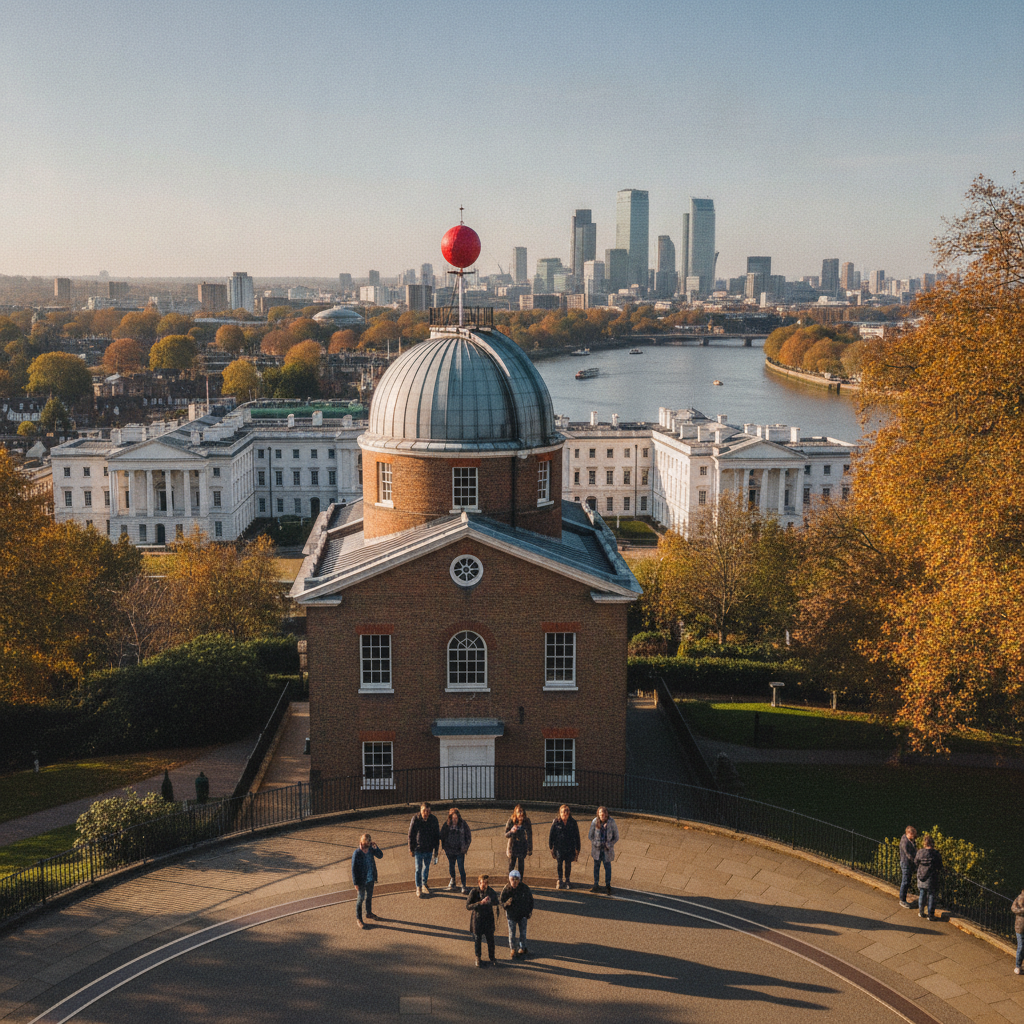
Greenwich & the Prime Meridian: Time, Ships & the Edge of the World
Greenwich—accessible by riverboat from central London in 40 minutes—is where Greenwich Mean Time was invented, where the line divides East and West, and where Britain's greatest maritime heritage is preserved. The Royal Observatory sits on the hill above a town that was the centre of British naval power for three centuries. This route takes in the Cutty Sark (the world's fastest tea clipper), the Old Royal Naval College (Baroque architecture on the grandest scale), the National Maritime Museum, the Royal Observatory, and the best view of London from any hill in the city.
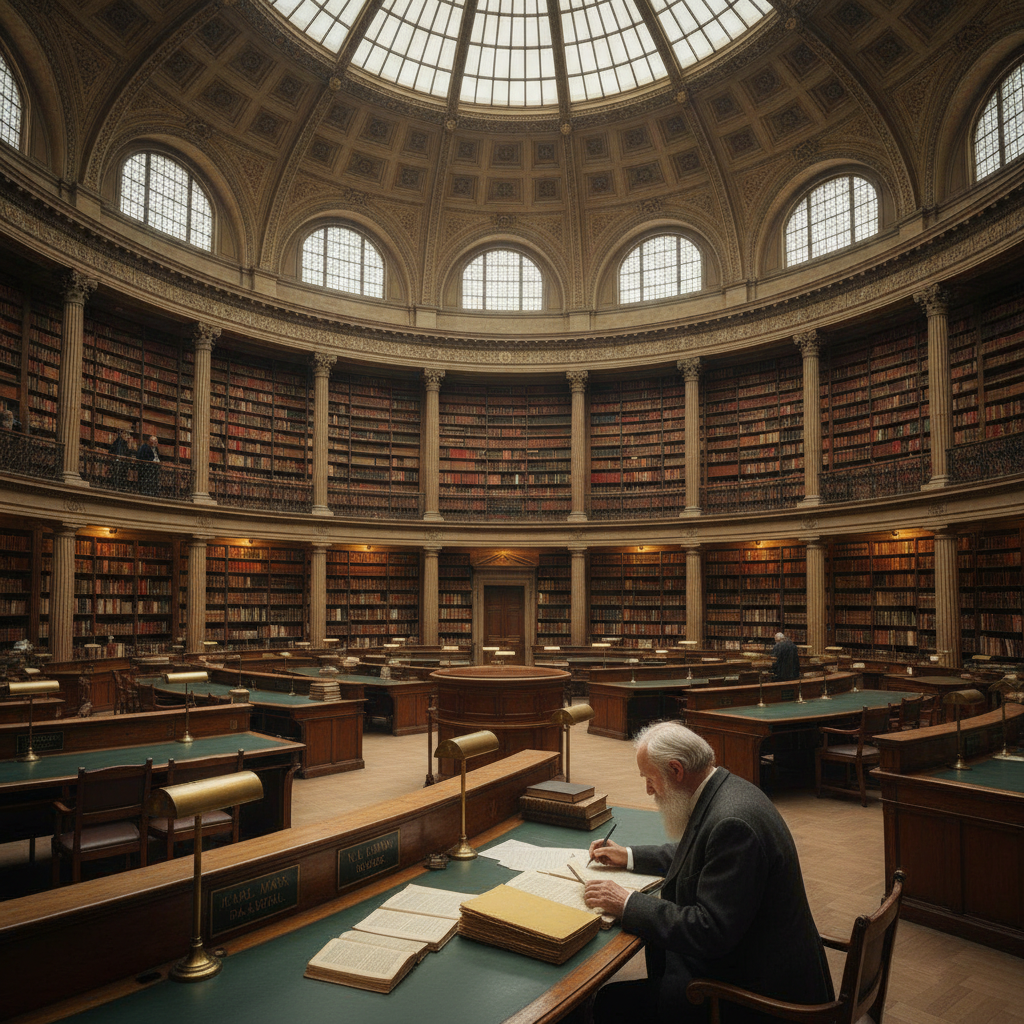
Literary Bloomsbury & Covent Garden: Books, Philosophers & Street Theatre
Bloomsbury—the area around the British Museum and Russell Square—has been the intellectual heart of London for 300 years. Virginia Woolf, T.S. Eliot, Bertrand Russell, John Maynard Keynes and the Bloomsbury Group lived and worked in these streets. Charles Dickens had his most productive years in a house on Doughty Street. Karl Marx spent 11 years writing Das Kapital in the British Museum's Reading Room. This route takes in the British Museum (one of the world's greatest), the Dickens Museum, the Bloomsbury squares, Covent Garden's piazza and street performers, and the Inns of Court—the medieval lawyers' quarter that still functions as it did in the 14th century.
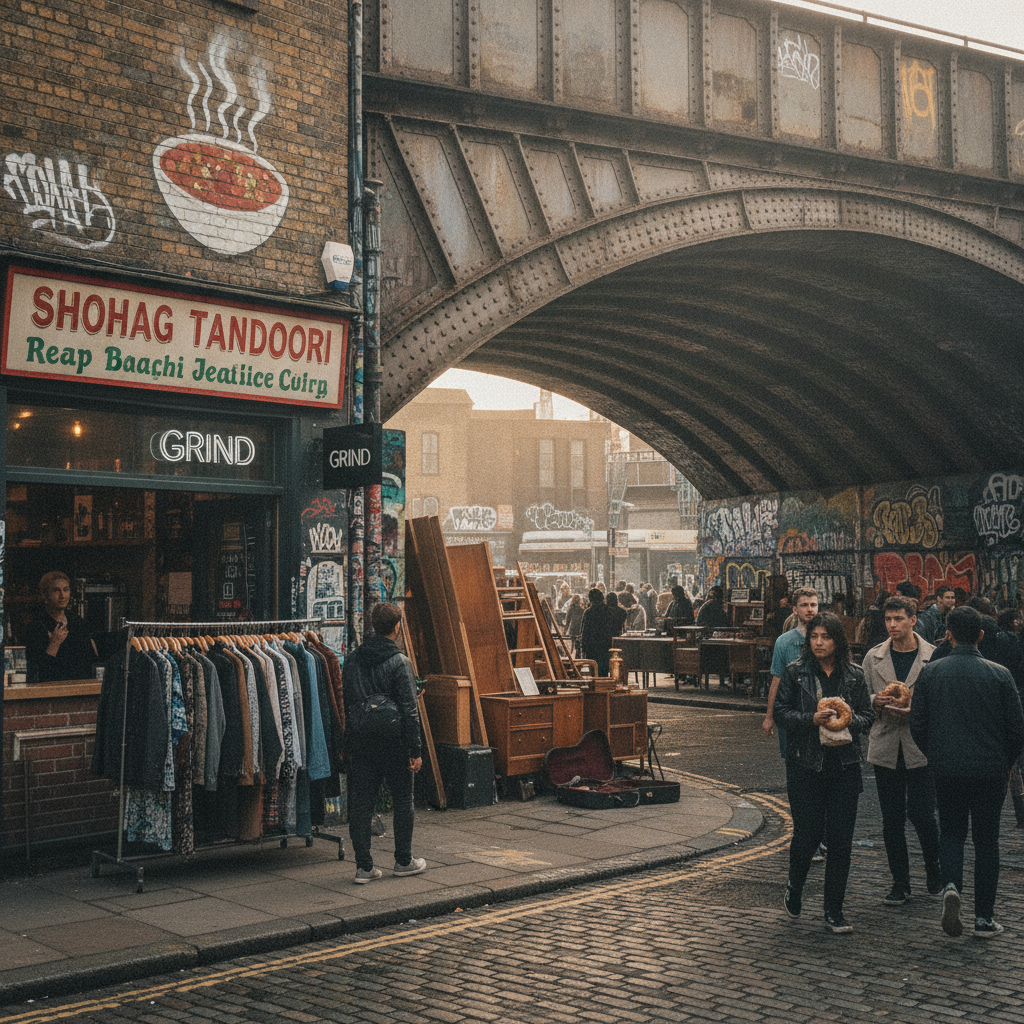
East End & Brick Lane: Street Art, Bagels & Bangladeshi Curry
The East End—the area east of the City of London—has always been London's first port of call for new arrivals: Huguenot silk weavers in the 17th century, Jewish migrants fleeing Eastern European pogroms in the late 19th century, Bangladeshi communities from the 1970s onwards, and most recently a wave of creative industries that has transformed Shoreditch into London's most vibrant cultural district. This walk takes in the street art of Shoreditch, the Sunday market and curry houses of Brick Lane, the Victorian grandeur of Spitalfields Market, and the galleries and coffee shops that define the neighbourhood today.
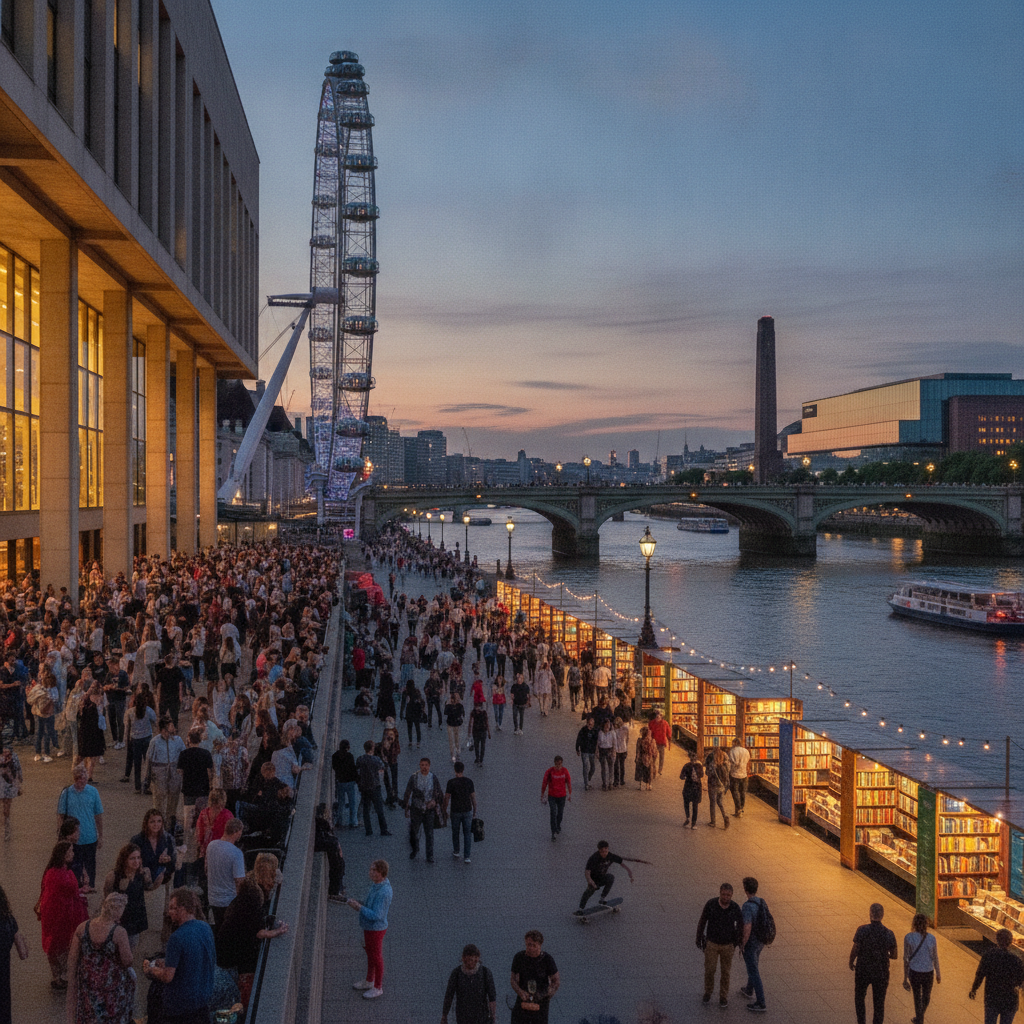
South Bank Arts Trail: Waterloo to Borough Market
The South Bank is London's arts and culture quarter—a 2-kilometre stretch of riverside walkway that links the Southbank Centre (home to the Royal Festival Hall, the Hayward Gallery and the National Theatre) with Tate Modern and Borough Market. It is also London's most democratic public space: free to walk, lined with outdoor cafés, book stalls under Waterloo Bridge (operating since 1982), street performers, and—under the concrete arches near the NFT—the oldest surviving skate park in Europe. Best on a summer evening when the terraces fill and the river catches the last light.
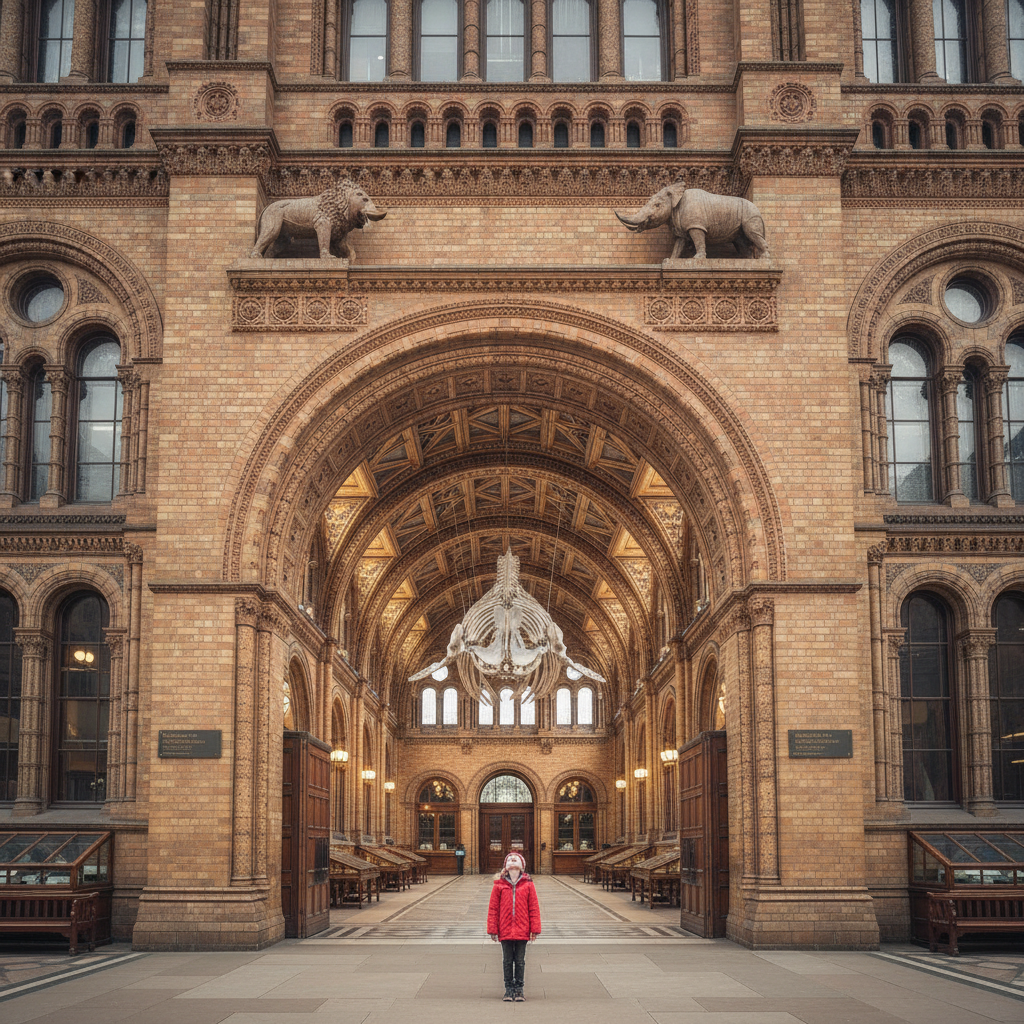
Museum District & Hyde Park: Science, Art & the Great Outdoors
South Kensington's 'Albertopolis'—the cluster of world-class cultural institutions built with the profits from the 1851 Great Exhibition—contains the Natural History Museum, the Victoria & Albert Museum (the world's largest museum of art and design) and the Science Museum, all free to enter and all within a 10-minute walk of each other. Add Hyde Park (the most famous Royal Park, with Speakers' Corner and the Serpentine Gallery) and Kensington Palace to make this a full day of some of London's richest public culture, most of it completely free.
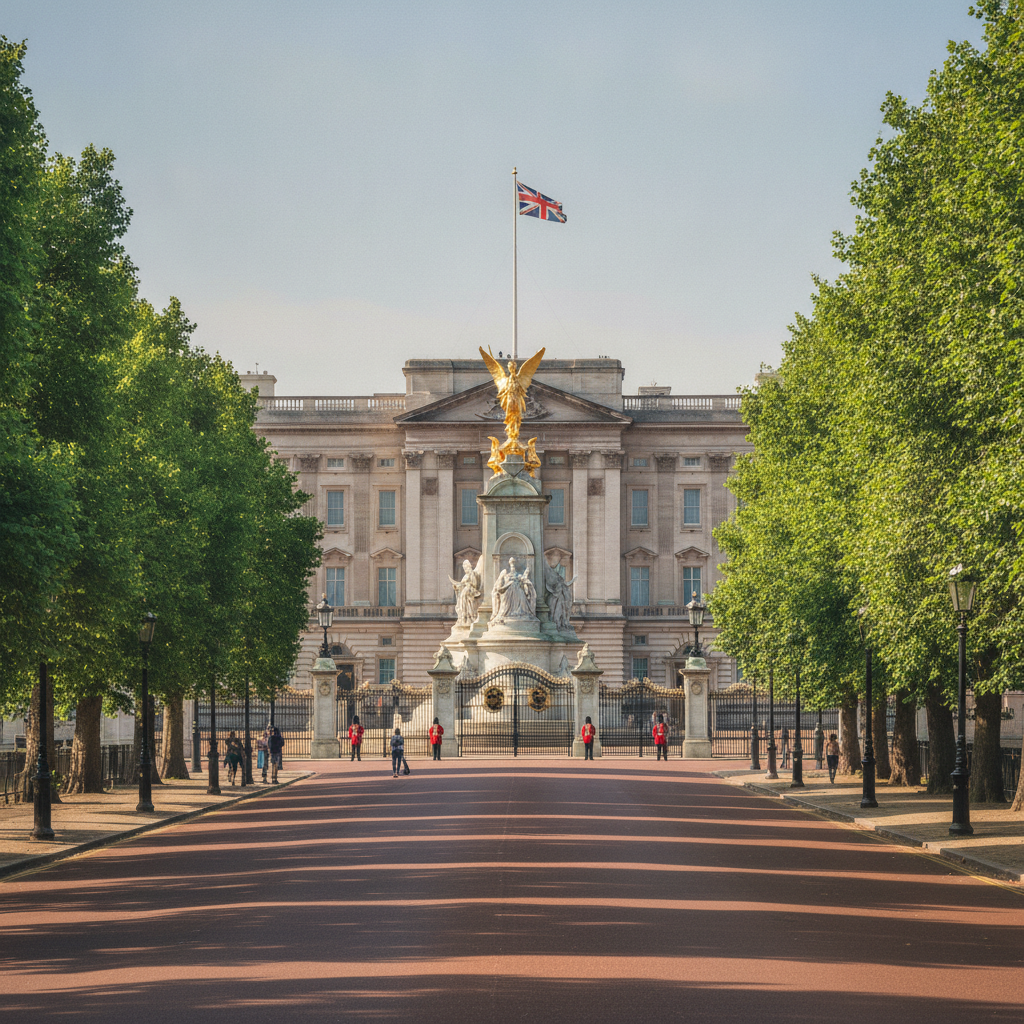
Royal Westminster: Palaces, Parliament & the Changing of the Guard
Westminster is the seat of British royal and political power—a compact area of London where a 15-minute walk takes you from Buckingham Palace to the Houses of Parliament. The route covers: the Changing of the Guard ceremony (one of the great pieces of military pageantry in the world), St James's Park (the oldest of London's Royal Parks), Horse Guards Parade, Westminster Abbey (where every British monarch has been crowned since 1066), the Houses of Parliament and Big Ben, and the National Gallery at Trafalgar Square.
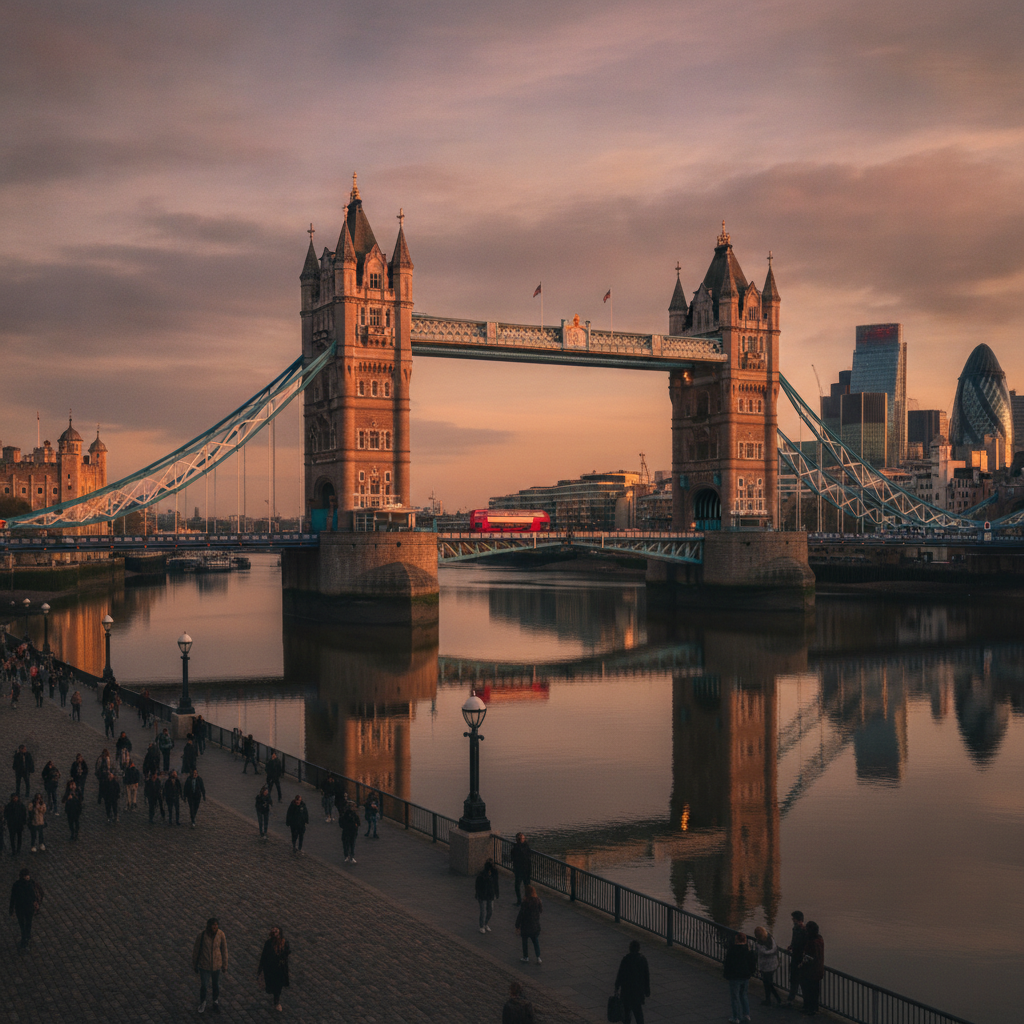
Tower Bridge, Southwark & the Thames Path
The stretch of the Thames between London Bridge and Blackfriars is the most historically dense mile in Britain. On the north bank: the Tower of London, where Henry VIII sent his wives to be executed, where the Crown Jewels are kept, and where ravens have been resident since at least the 17th century. Cross Tower Bridge—a Victorian masterpiece built in 1894—to reach the south bank, where Borough Market, Shakespeare's Globe and Tate Modern line the river in a sequence of food, theatre and art that is uniquely London. End at St Paul's Cathedral, Wren's masterpiece that survived the Blitz.