The Square Mile: City of London Pub Walk
The City of London—the 'Square Mile', the ancient walled Roman city on which all of modern London grew—is the world's oldest financial district and contains some of the most extraordinary architecture in Britain: Christopher Wren churches, the Georgian Bank of England, Norman Foster's Lloyd's building, Rafael Viñoly's Walkie-Talkie. But under and between all of this modernity sits a layer of medieval city that survived the Great Fire of 1666 (barely), the Blitz, and centuries of property development: Roman pavements, Victorian covered markets, and pubs that were serving ale before Shakespeare was born. This walk visits the financial heart of London while weaving through history in a way that no other square mile on Earth can match.
- 1
The Monument — Where the Great Fire Started
The Monument to the Great Fire of London—a plain Doric column 61 metres tall designed by Christopher Wren and Robert Hooke, completed 1677—stands exactly 61 metres from the baker's house on Pudding Lane where the fire broke out on 2 September 1666. The fire burned for three days and nights, destroying 13,200 houses, 87 churches, St Paul's Cathedral and most of the buildings of the City of London. The Monument was one of the first things rebuilt: its height (61m) is not accidental—if it were laid flat, its tip would touch the exact spot where the fire started. There are 311 steps to the top. The view from the top (paid entry) takes in the whole of the rebuilt city and gives you a sense of the scale of the catastrophe.
- 2
Leadenhall Market — The Most Beautiful Victorian Market in London
Leadenhall Market, on Gracechurch Street, is a covered Victorian market in an ornate cast-iron and glass structure designed by Horace Jones in 1881, painted green and cream and burgundy, with a cobblestone floor. A market has stood on this site since Roman times (the forum of Roman Londinium was here), and the covered market has been in continuous use since 1440. Today it is occupied by wine bars, restaurants and a few shops. The market was used as Diagon Alley in the early Harry Potter films. On weekday lunchtimes it fills with City workers; at weekends it is quiet. The architecture is among the finest in London.
- 3
Lloyd's of London — The Future of Insurance, Since 1688
Lloyd's of London—the world's leading insurance market—is housed in Richard Rogers' extraordinary 1986 building at Lime Street: a high-tech, inside-out structure with all its services (ducts, stairs, lifts) on the outside, and the vast underwriting room (the 'Room', with its famous Lutine Bell) on the inside. The building is Grade I listed (one of the youngest buildings ever to receive this designation) and sits next door to the neo-Baroque Lloyd's Register building (designed by T.E. Colcutt, 1901). Lloyd's itself traces its origins to a coffee house on Tower Street opened by Edward Lloyd in 1688, where ship captains, merchants and underwriters would meet to discuss marine insurance. You cannot enter the main Lloyd's building, but you can see it from outside.
- 4
Bank of England & Royal Exchange — The Heart of Finance
The Bank of England, founded 1694, sits in a massive neoclassical fortress on Threadneedle Street (designed by Herbert Baker, 1925–39, rebuilding an earlier Soane structure). It is the central bank of the UK and holds the gold reserves. The Bank of England Museum (free entry, accessed via the Bartholomew Lane entrance) has an actual gold bar you can pick up, displays of banknotes from 1694 to the present, and explanations of how modern monetary policy works. Directly opposite is the Royal Exchange (founded 1565 by Thomas Gresham as London's first dedicated centre of commerce), now a luxury shopping arcade. The intersection of Bank, Threadneedle Street and Cornhill—with the Mansion House (the Lord Mayor's official residence) on one corner—is the financial and historical epicentre of the City.
- 5
Ye Olde Cheshire Cheese — The Pub That Outlasted Empires
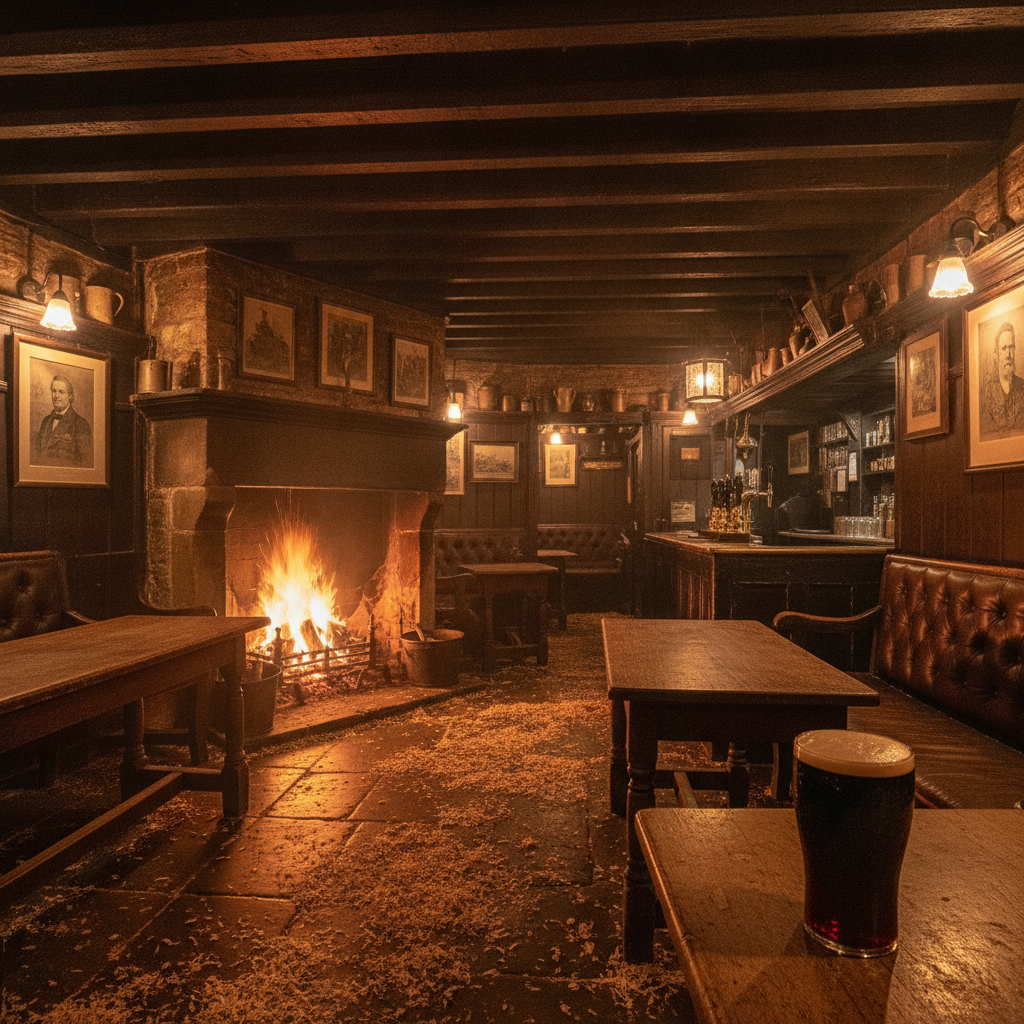
Ye Olde Cheshire Cheese on Wine Office Court, off Fleet Street, was rebuilt after the Great Fire of 1666 and has been serving ale ever since. It has the lowest ceilings of any pub in London (coal-blackened 17th-century timber), multiple small rooms on three floors (including a famous dining room in the cellar), sawdust on the stone floors, and an open fireplace. Its regulars over the centuries have included Samuel Johnson, Charles Dickens, G.K. Chesterton, Arthur Conan Doyle, Mark Twain and W.B. Yeats. The pub serves traditional British food—steak and kidney pudding, roast beef—and has a range of real ales. Enter through the narrow alley off Fleet Street; the low doorway has a sign noting it was established in 1538 (though the current building dates from 1667).
- 6
Temple Church & the Inns of Court — 900 Years of English Law
Temple Church, hidden in a courtyard between Fleet Street and the Thames Embankment, was built by the Knights Templar in 1185—a round church modelled on the Church of the Holy Sepulchre in Jerusalem, with the stone effigies of medieval knights lying on the floor of the rotunda. The church (entry paid) has survived the dissolution of the Knights Templar (1312), the Great Fire (just), the Blitz (severe damage, rebuilt 1958) and became famous again after appearing in The Da Vinci Code. Surrounding the church is the Temple complex: one of the Inns of Court (Middle Temple and Inner Temple), the legal communities where barristers have been trained since the 14th century. The gardens, courtyards and buildings of the Inner and Middle Temple are some of the best-preserved medieval and Tudor legal buildings in the world and can be visited freely. End here with a drink at the Devereux pub on Devereux Court—a former coffee house that has been an Inn of Court pub since the 1840s.
Walk this route with audio
Stories play automatically as you reach each stop — no tapping needed.
More in london
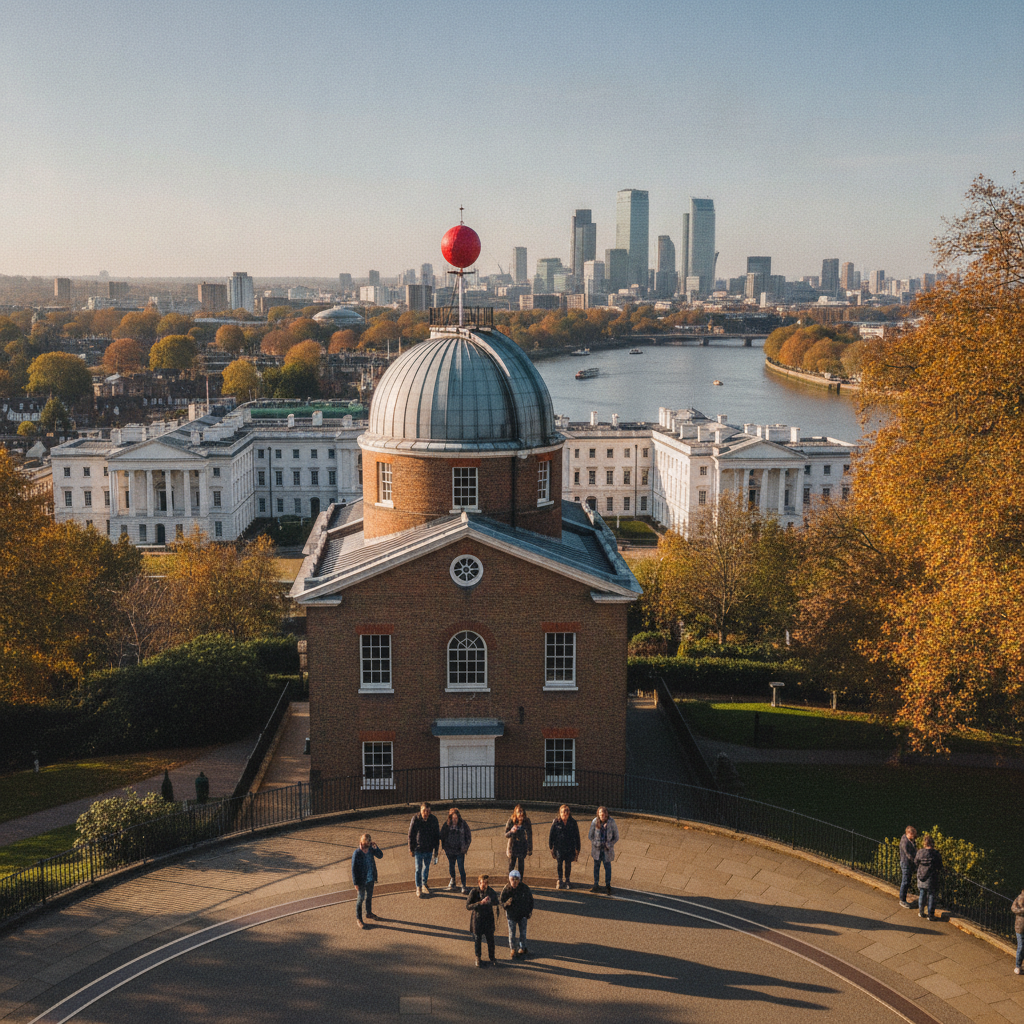
Greenwich & the Prime Meridian: Time, Ships & the Edge of the World
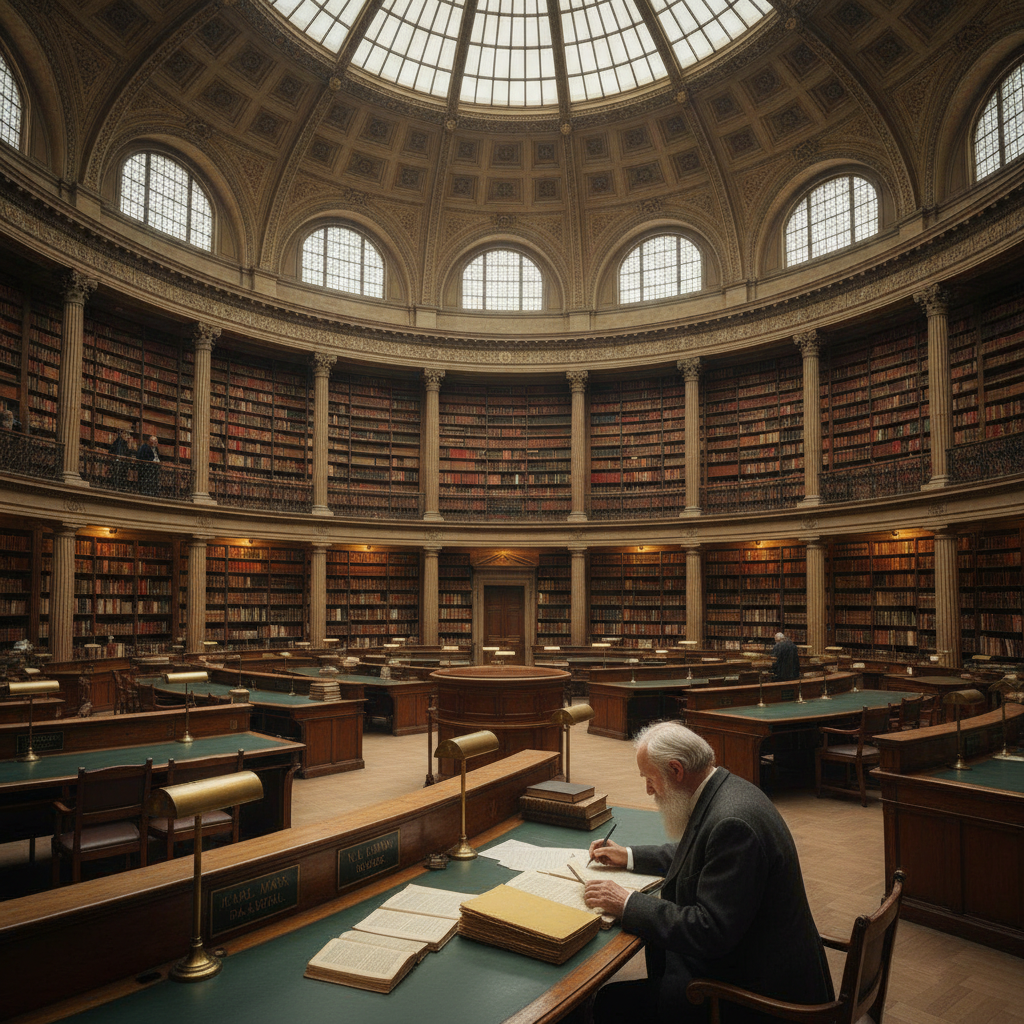
Literary Bloomsbury & Covent Garden: Books, Philosophers & Street Theatre
East End & Brick Lane: Street Art, Bagels & Bangladeshi Curry
South Bank Arts Trail: Waterloo to Borough Market
Museum District & Hyde Park: Science, Art & the Great Outdoors