Gdansk
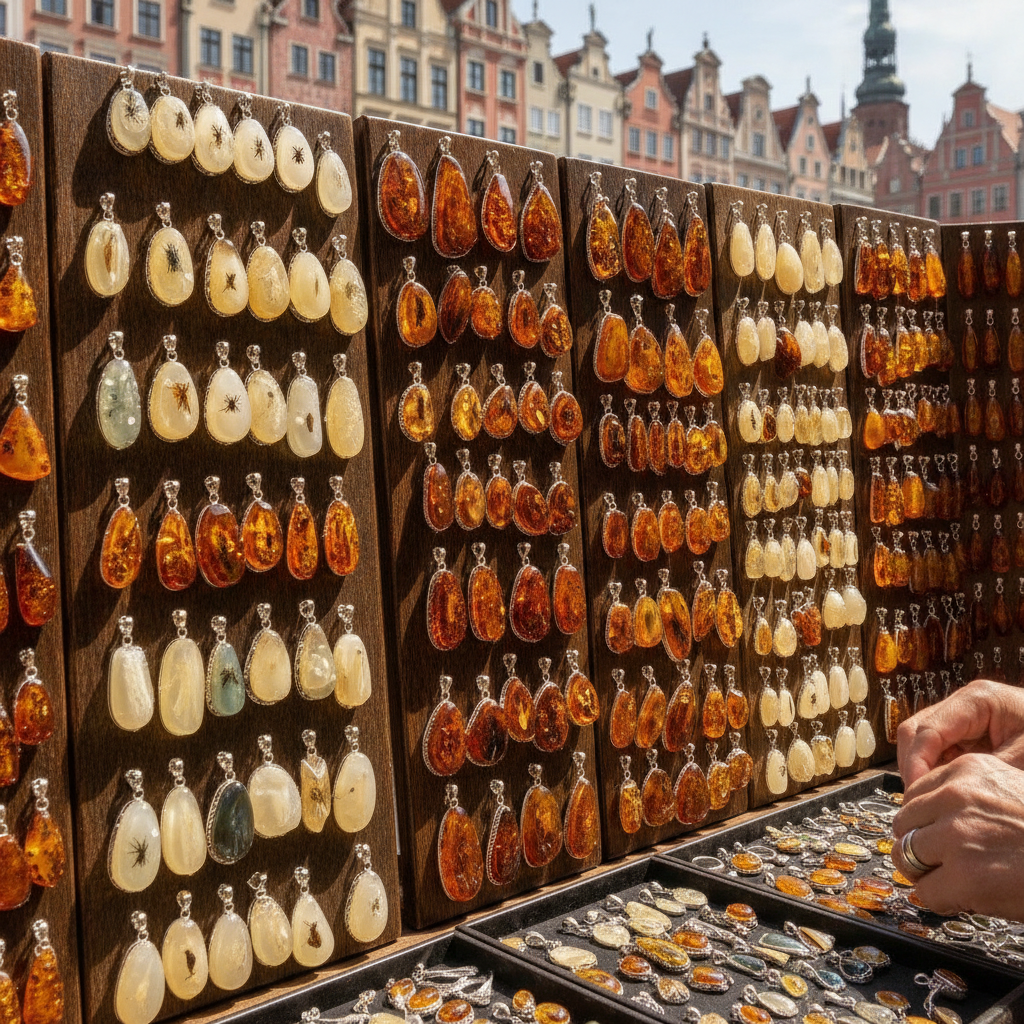
Gdańsk Amber, Food & the St. Dominic's Fair — the Baltic Amber Capital
Gdańsk is the world capital of Baltic amber — the fossilized resin of the ancient Scandinavian forests, 40-50 million years old, washed by the sea onto the Baltic beaches and traded through Gdańsk for 3,000 years — and the city's food tradition (the Baltic herring, the Gdańsk Goldwasser liqueur, the local dark beer) reflects its position at the confluence of the Baltic Sea, the Vistula River, and the north European grain trade.
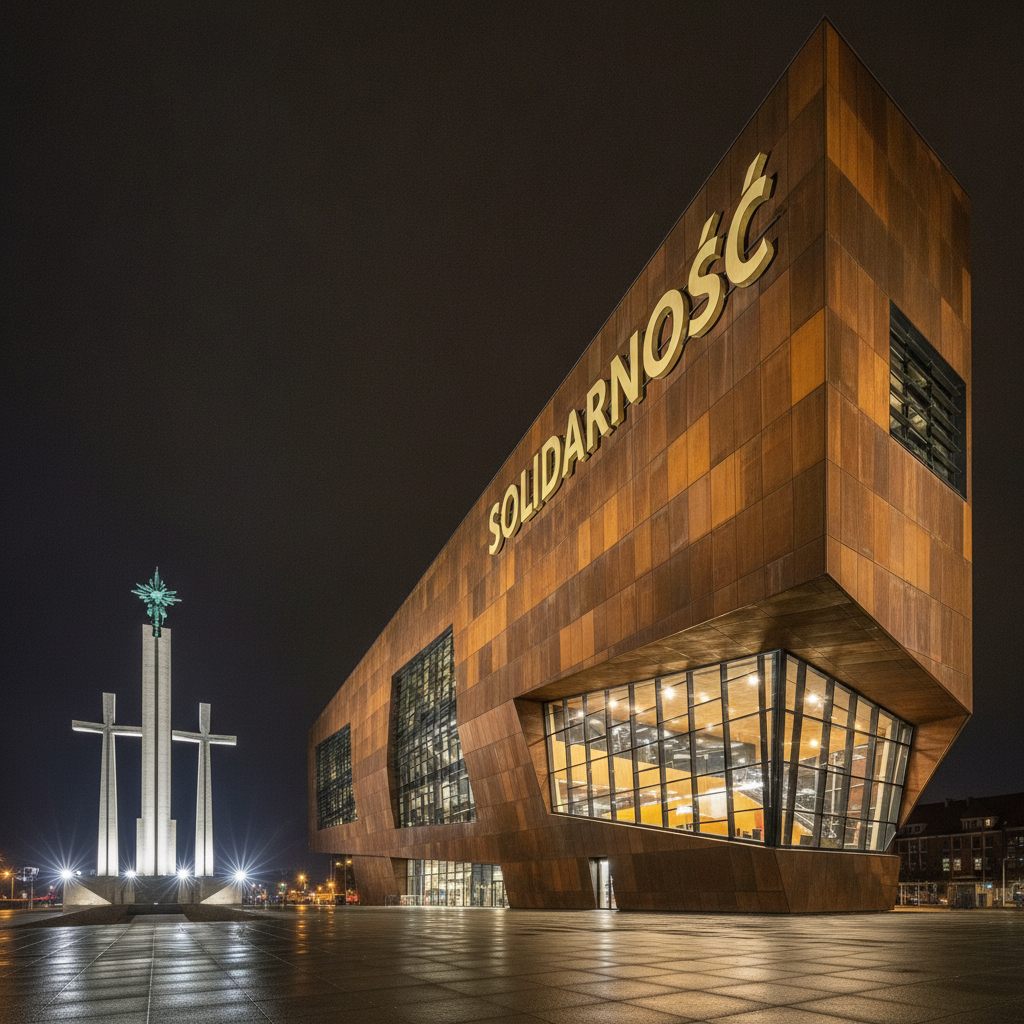
Gdańsk Solidarity Heritage — the European Solidarity Centre, the Shipyard & the End of Communism
Gdańsk's Lenin Shipyard was the birthplace of the Solidarity trade union movement — the mass trade union that challenged communist rule in Poland and whose success in 1989 triggered the democratic revolutions across Eastern Europe. The European Solidarity Centre (ECS), opened 2014, is the world's most important museum of non-violent resistance.
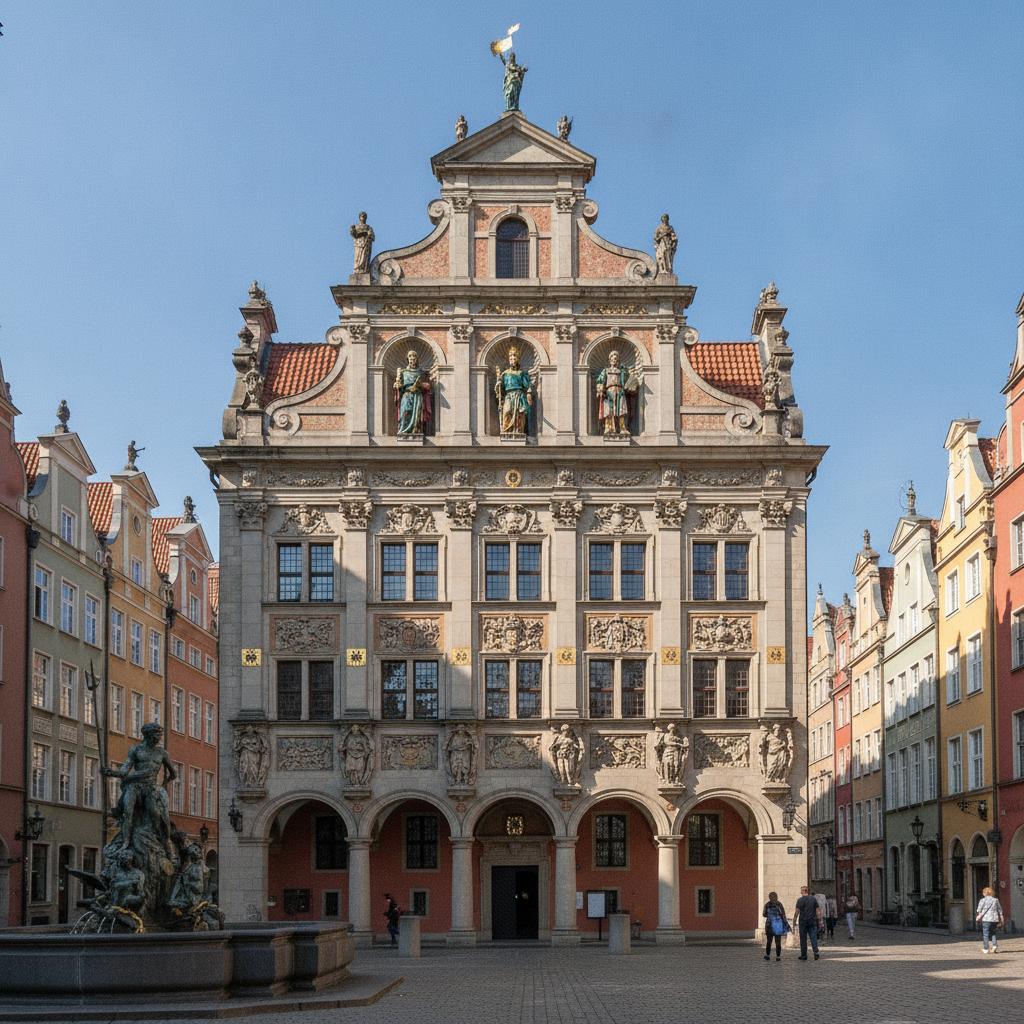
Gdańsk Practical Guide — Reconstruction, Flemish Architecture & the National Museum
Gdańsk's 95 percent destruction in 1945 and its post-war reconstruction into the most complete Hanseatic streetscape in the Baltic region is itself one of the most remarkable stories in European urban history — the rebuilt city often more architecturally accurate than the preserved originals in other cities.
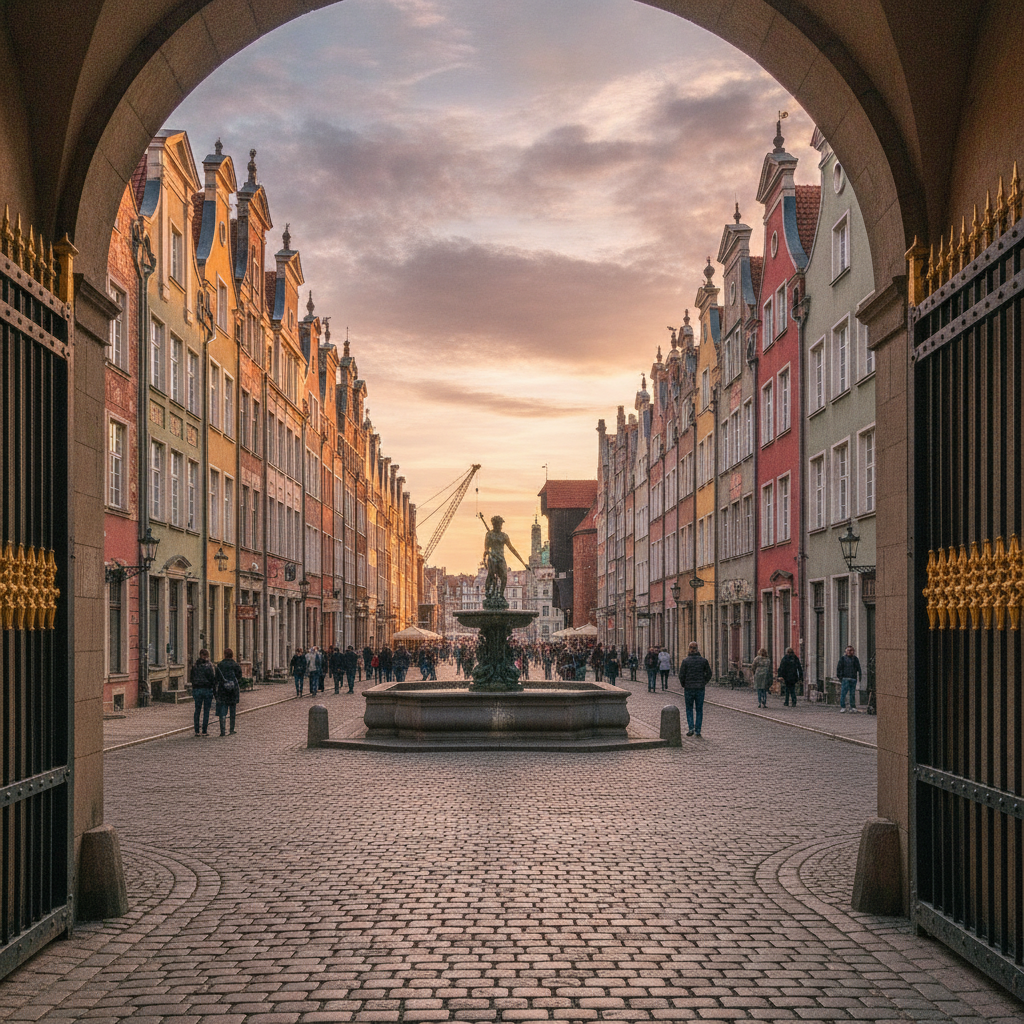
Gdańsk Long Lane & the Old Town — Neptune's Fountain, the Crane & Hanseatic Heritage
Gdańsk (the Baltic port city at the mouth of the Vistula River, population 470,000, one of Poland's most historically significant cities — the Free City, the Hanseatic port, the birthplace of the Solidarity trade union movement, the site of the first shots of World War II on 1 September 1939 at the Westerplatte peninsula) was 95 percent destroyed in 1945 and rebuilt building-by-building from historical records into the most complete post-war urban reconstruction in Poland.
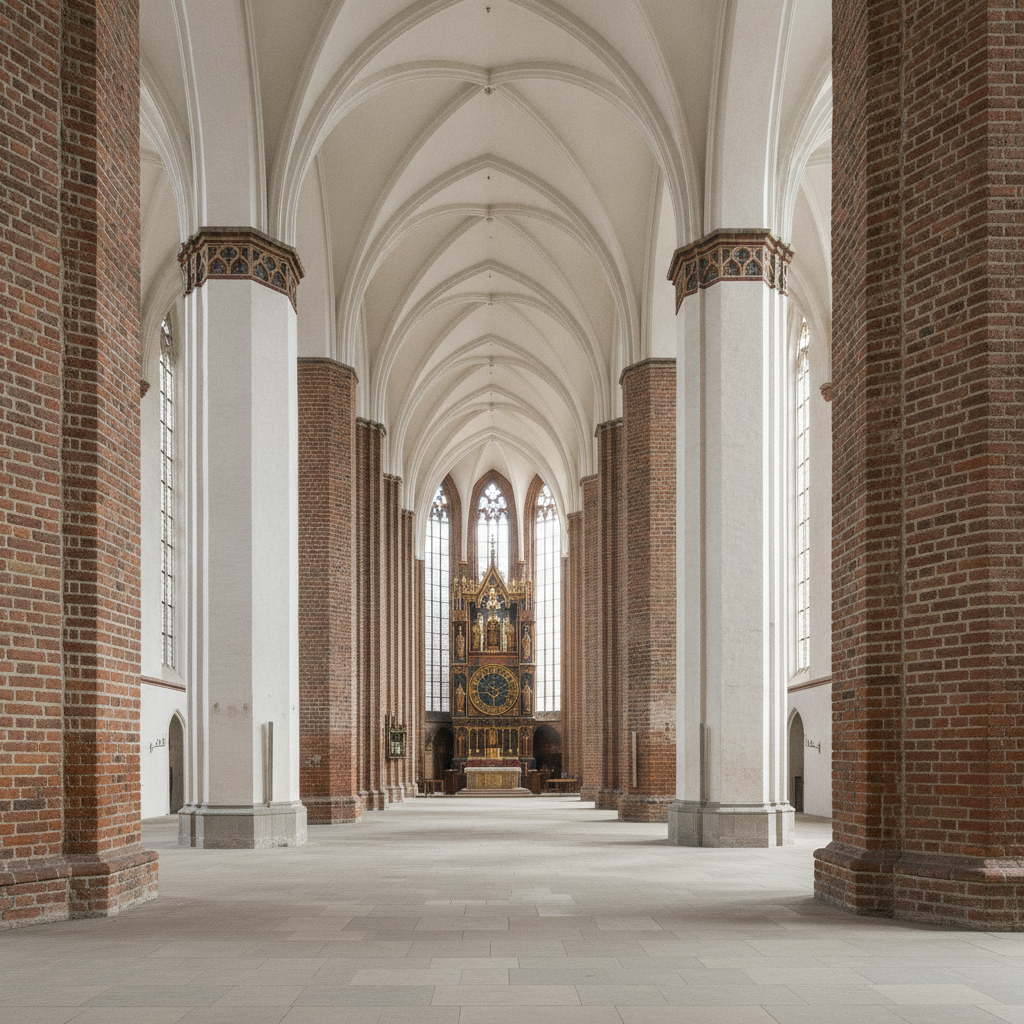
Gdańsk Churches & Art — St. Mary's Basilica, the Teutonic Legacy & the Memling Altarpiece
Gdańsk's ecclesiastical and artistic heritage reflects the city's position at the intersection of the Teutonic Order's Baltic state, the Polish-Lithuanian Commonwealth, and the Hanseatic trading network — three distinct political and cultural systems that each left their mark on the city's churches, civic buildings, and art collections.
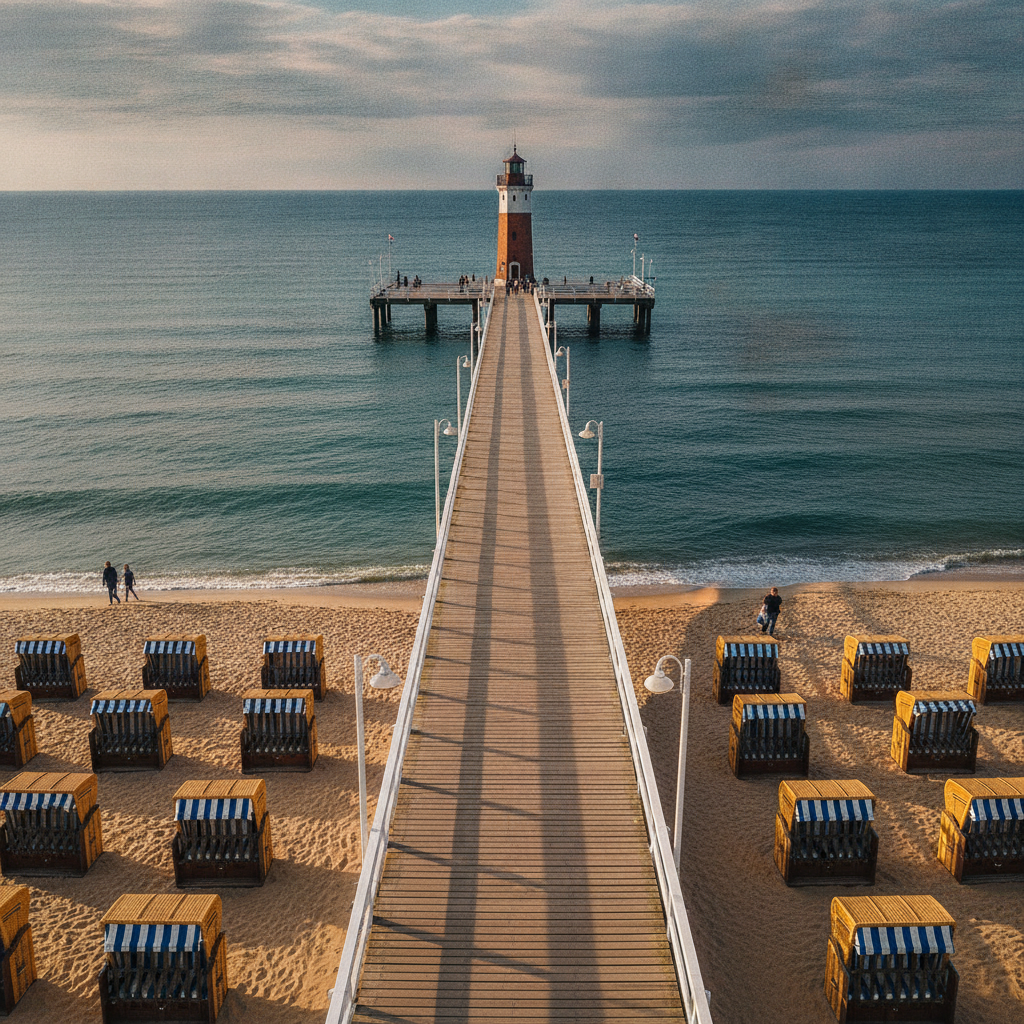
The Tri-City — Gdańsk, Sopot & Gdynia on the Baltic Coast
The Tri-City (Trójmiasto, the conurbation of Gdańsk, Sopot, and Gdynia connected by the SKM commuter railway, the total population 750,000, the three cities sharing the Baltic coastline for 60km with the Hel Peninsula visible across the Bay of Gdańsk to the east) offers beach resorts, modernist architecture, and the longest wooden pier in Europe.