The Tri-City — Gdańsk, Sopot & Gdynia on the Baltic Coast
The Tri-City (Trójmiasto, the conurbation of Gdańsk, Sopot, and Gdynia connected by the SKM commuter railway, the total population 750,000, the three cities sharing the Baltic coastline for 60km with the Hel Peninsula visible across the Bay of Gdańsk to the east) offers beach resorts, modernist architecture, and the longest wooden pier in Europe.
- 1
Sopot — the Baltic Riviera
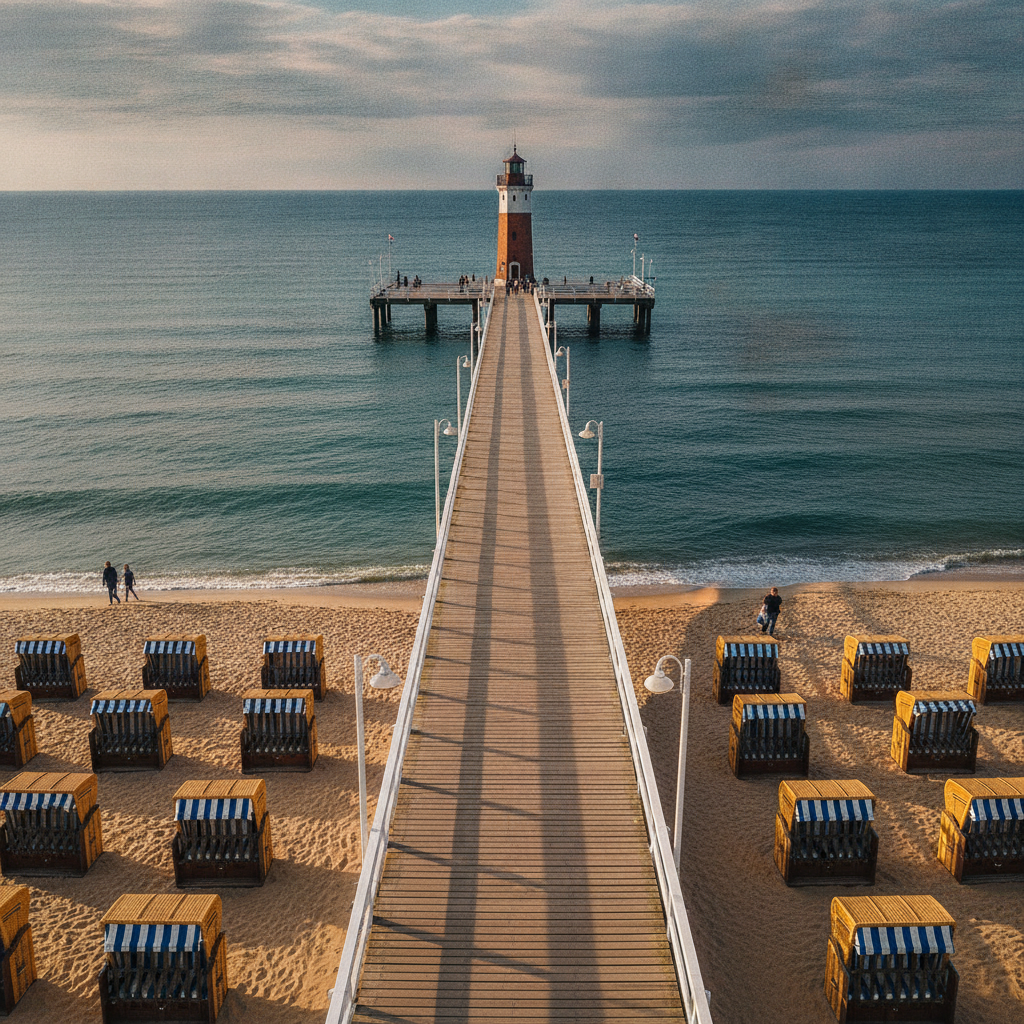
Sopot (the Baltic spa resort between Gdańsk and Gdynia, population 35,000 but serving 1.5 million summer visitors, the most fashionable beach resort on the Polish Baltic coast since the 19th century — the Grand Hotel Sopot built 1927 in the Art Deco style the most famous hotel in Poland, the terrace overlooking the Baltic, the rooms used by de Gaulle, Kennedy, and Khrushchev in successive visits) is accessible from Gdańsk by SKM commuter train in 20 minutes at €2. The Molo (the pier, the 511m wooden pier extending into the Baltic — the longest wooden pier in Europe, the original built 1827 and rebuilt to the current length in 1928, the pier entrance at €5, the walk to the end and back 1.2km, the view from the pier end back to the Sopot beach and the wooded moraine hills behind the resort the definitive image of the Polish Baltic coast). The Sopot beach (the sandy Baltic beach 4km long, the rented wicker Strandkörbe beach chairs at €10-15 per day, the traditional Baltic beach furniture imported from the German resort tradition, the beach at capacity from July 1 to August 31, the water temperature reaching 20-22 degrees in July-August).
- 2
Gdynia — the Modernist Port City
Gdynia (the northernmost city of the Tri-City, population 245,000, the youngest major city in Poland — built from 1926 as the new Polish port after the Treaty of Versailles cut Poland off from the port of Danzig/Gdańsk, the rapid construction of a deep-water port and a city from scratch producing the most coherent Modernist urban plan in Poland, the city essentially built in 15 years between 1926 and 1939 in the Functionalist and Art Deco styles — the Gdynia modernist district the largest concentration of interwar Modernist architecture in Central Europe) is accessible from Gdańsk by SKM in 35 minutes at €2.50. The modernist quarter (the Świętojańska Street, the Skwer Kościuszki, and the adjacent streets lined with the 1930s apartment buildings, the Functionalist facades in the distinctive cream-coloured render or red brick, the building entrances with the decorative metalwork and carved stone — the Polish Art Deco, the PKO Bank building the most cited example, the whole quarter walkable in 1-2 hours with the Gdynia Modernism guide available at the tourist office). The Sea Towers (the modernist twin residential towers on the Kościuszko Square waterfront, the highest buildings in the Tri-City).
- 3
The Hel Peninsula — the Baltic Spit
The Hel Peninsula (Półwysep Helski, the 35km sand spit extending east from the Tri-City into the Bay of Gdańsk, the peninsula 100-200m wide at the base and 3km wide at the Hel town end, the peninsula formed by the longshore drift of the Baltic, the peninsula having been several separate islands until the 19th century when the sand deposits connected them, accessible by the boat from the Long Quay in Gdańsk in 2 hours at €20 return or by train from Gdańsk Główny in 1.5 hours at €6): the peninsula beaches (the Baltic Sea beach on the northern side and the calmer Bay of Gdańsk beach on the southern side, the dual-coast experience the unique feature of the peninsula, the Baltic side rough and dramatic in wind, the bay side calm and shallow, the dual beach allowing visitors to choose the sea condition), the Hel town (the fishing village at the tip of the peninsula, the most remote inhabited point on the Polish coast, the harbour with the Baltic seal rehabilitation centre — the rescued Baltic grey seals in recovery pens, visible to visitors at €5, the only Baltic seal rescue centre in Poland), and the fishing port restaurants (the fresh Baltic cod, the smoked eel, and the herring at the fish restaurants of Hel harbour, the freshest fish available within 2 hours of Gdańsk).
- 4
The SKM Commuter Rail — Tri-City Transport
The SKM (Szybka Kolej Miejska — the Fast City Railway, the commuter train connecting Gdańsk Główny to Gdańsk Wrzeszcz, Gdańsk Oliwa, Sopot, Gdynia Główna, and the intermediate stations, the trains running every 10-15 minutes during peak hours, every 20-30 minutes in the evenings and on weekends, the journey from Gdańsk Główny to Sopot in 20 minutes at €2, to Gdynia in 35 minutes at €2.50, the trains air-conditioned and punctual) is the correct transport for the Tri-City day trip circuit. The SKM day pass (€6 for the full SKM network for 24 hours, the correct purchase for a day visiting all three cities) and the extended network (the SKM connecting at Gdańsk Główny to the PKM city metro — the elevated railway to the Gdańsk airport and the northern suburbs — the full Tri-City transport network requiring only the SKM and the PKM cards for comprehensive coverage). The train journey itself (the SKM route between Gdańsk and Sopot passing through the Gdańsk Wrzeszcz district — the most commercially developed suburb of Gdańsk, the Forum Gdańsk shopping centre the largest in Pomerania — and through the Sopot forest, the trees visible on both sides of the track giving the unusual impression of a nature reserve adjacent to the coastal resort).
- 5
Oliwa — the Cathedral and the Organ
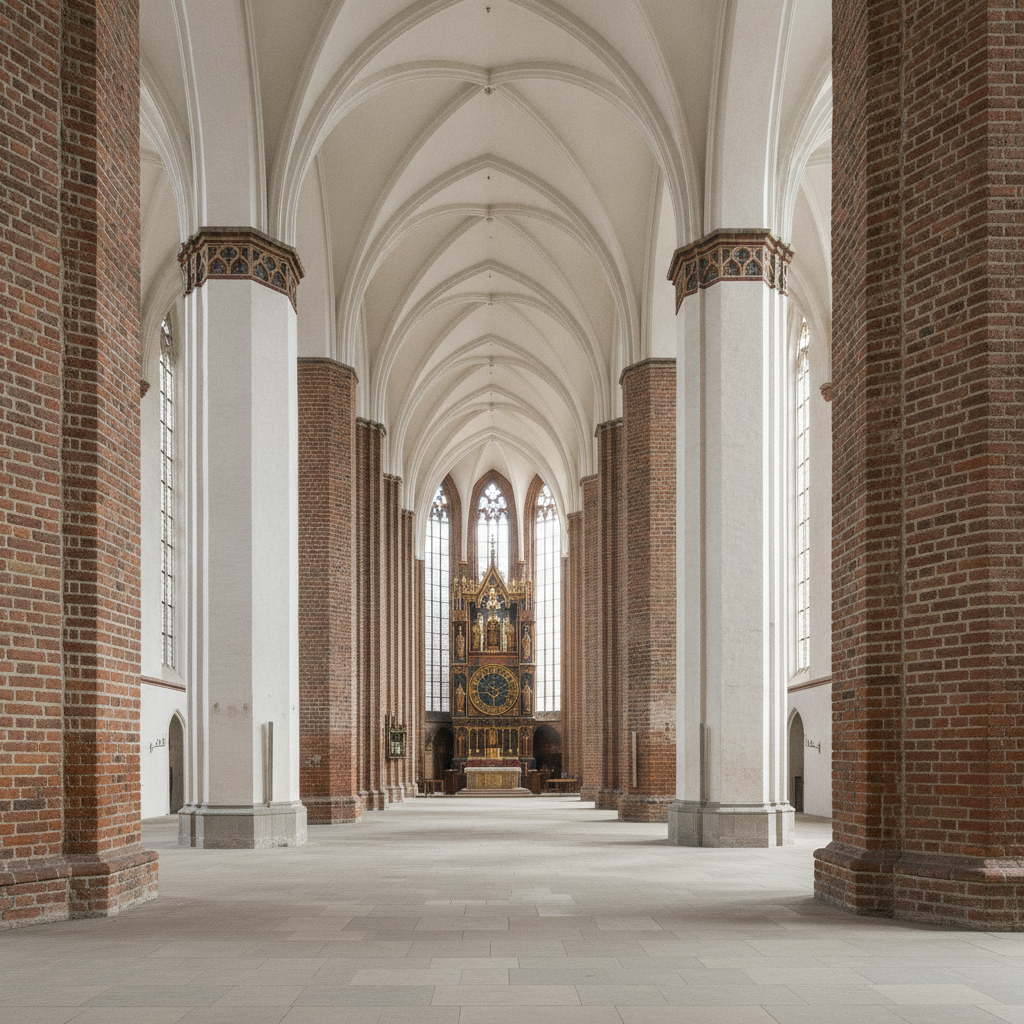
Oliwa (the Gdańsk district 10km north of the Old Town, accessible by SKM in 12 minutes at €1.60, the district centred on the Oliwa Cathedral — the Cistercian abbey church of 1186, the Gothic cathedral extended to 107m length — the longest church interior in Poland, the cathedral famous throughout Europe for its Baroque organ: the instrument built 1763-1788 by Franz Rudolf Dalitz, the 110 stops and 7,876 pipes, the mechanical angels and stars activating when the organ plays the largest pipes, the demonstration concerts twice daily in summer at noon and 1pm at €5 per person, the 30-minute programme of Bach and Polish Baroque demonstrating the full range of the instrument — the largest mechanical Baroque organ in Poland) and the Oliwa Park (the formal Baroque garden behind the cathedral, the 18th-century French garden with the central water channel, the yew topiary, the fishpond, and the oak trees — the 5-minute walk from the cathedral to the park the correct cool-weather alternative to the beach, the park free and open from dawn to dusk). The Oliwa Zoo (the second zoo in Gdańsk, smaller and quieter than the Wrocław Zoo, the highlight being the elephant and giraffe enclosures, accessible from the park in 5 minutes walk, €15 adults).
- 6
Gdańsk Practical — Airport, Accommodation, Seasons
Gdańsk practical guide: the Gdańsk Lech Wałęsa Airport (airport code GDN, named after the Solidarity leader, 14km west of the Old Town, the SKM-PKM railway connection to the city centre in 25 minutes at €3.50, direct flights from London on Ryanair and easyJet, from Amsterdam, Dublin, Berlin, Vienna, Stockholm, and 25 other cities, the taxi to the Old Town at €25-35, Uber at €15-20); the Old Town accommodation (the boutique hotels in the restored Hanseatic burgher houses of the Long Lane and the adjacent streets, €80-180 for a double in season, the Radisson Blu Hotel Gdańsk the most prominent business hotel near the waterfront), the Śródmieście (the central district hotels, €60-120 for a 3-star double). Seasons: summer (June-August, the warmest Baltic weather, the Baltic temperature reaching 20-22 degrees in July, the Long Lane packed from 10am to midnight, the St. Dominic's Fair in late July-August the maximum density, the Hel Peninsula beaches at full capacity), spring and autumn (May and September, the recommended visiting period — cooler Baltic weather with 16-18 degree sea temperatures, the Old Town manageable without the July crowds, the amber shops and restaurants with better service ratios), winter (October-April, the Baltic storms and the darkest days of the northern European year, the Christmas market on the Long Market December 1-31, the amber at lowest prices, the city at its most local and least tourist-oriented).
Walk this route with audio
Stories play automatically as you reach each stop — no tapping needed.
More in gdansk
Gdańsk Amber, Food & the St. Dominic's Fair — the Baltic Amber Capital
Gdańsk Solidarity Heritage — the European Solidarity Centre, the Shipyard & the End of Communism
Gdańsk Practical Guide — Reconstruction, Flemish Architecture & the National Museum
Gdańsk Long Lane & the Old Town — Neptune's Fountain, the Crane & Hanseatic Heritage