Bilbao
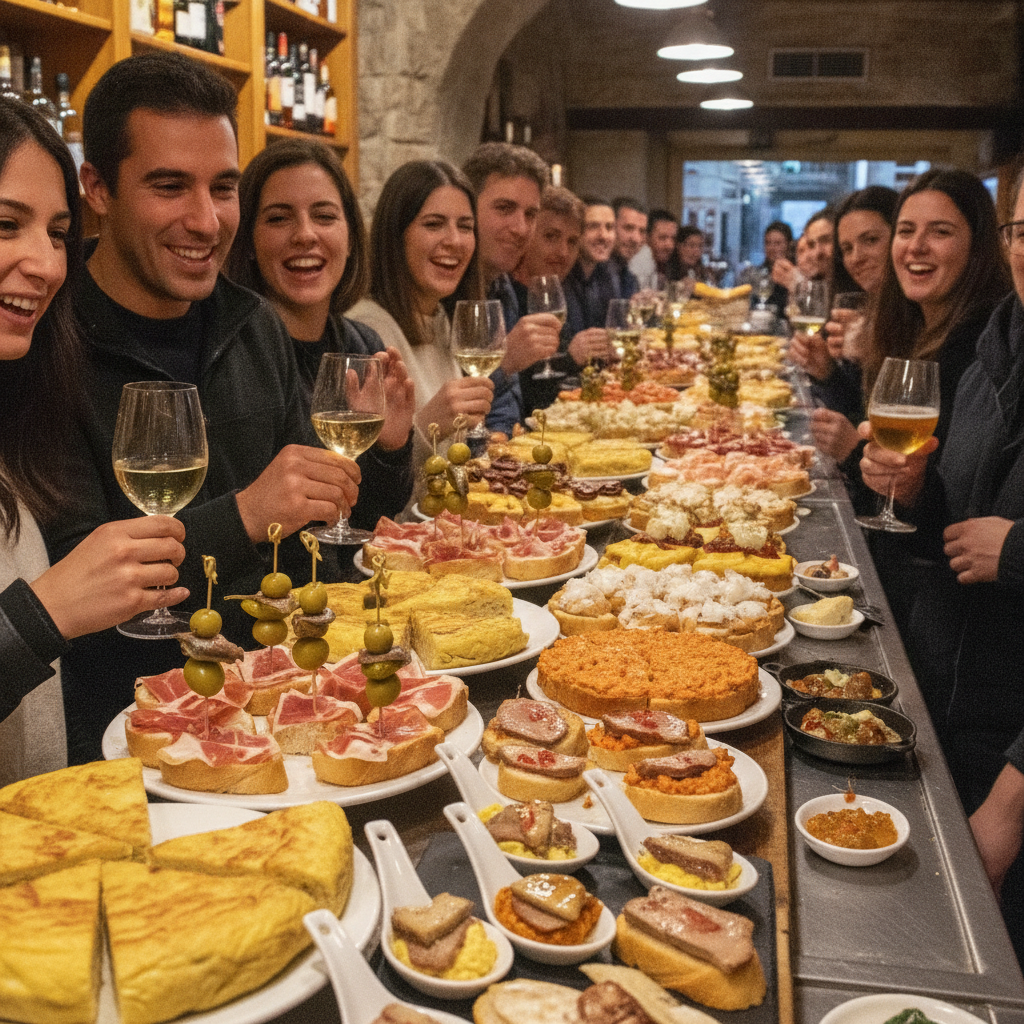
Pintxos, Casco Viejo & Bilbao's Basque Gastronomic Culture
The Casco Viejo (the 'Old Quarter' of Bilbao — the historic centre of the city, the medieval settlement on the right bank of the Nervión River, the neighbourhood of the 'Siete Calles' (the 'Seven Streets') that was founded in the 14th century) and the pintxos culture of Bilbao (the Basque bar snack tradition that is one of the great gastronomic traditions of Europe) together define the food and social culture of Bilbao — the city consistently ranked as one of the top gastronomic destinations in the world.
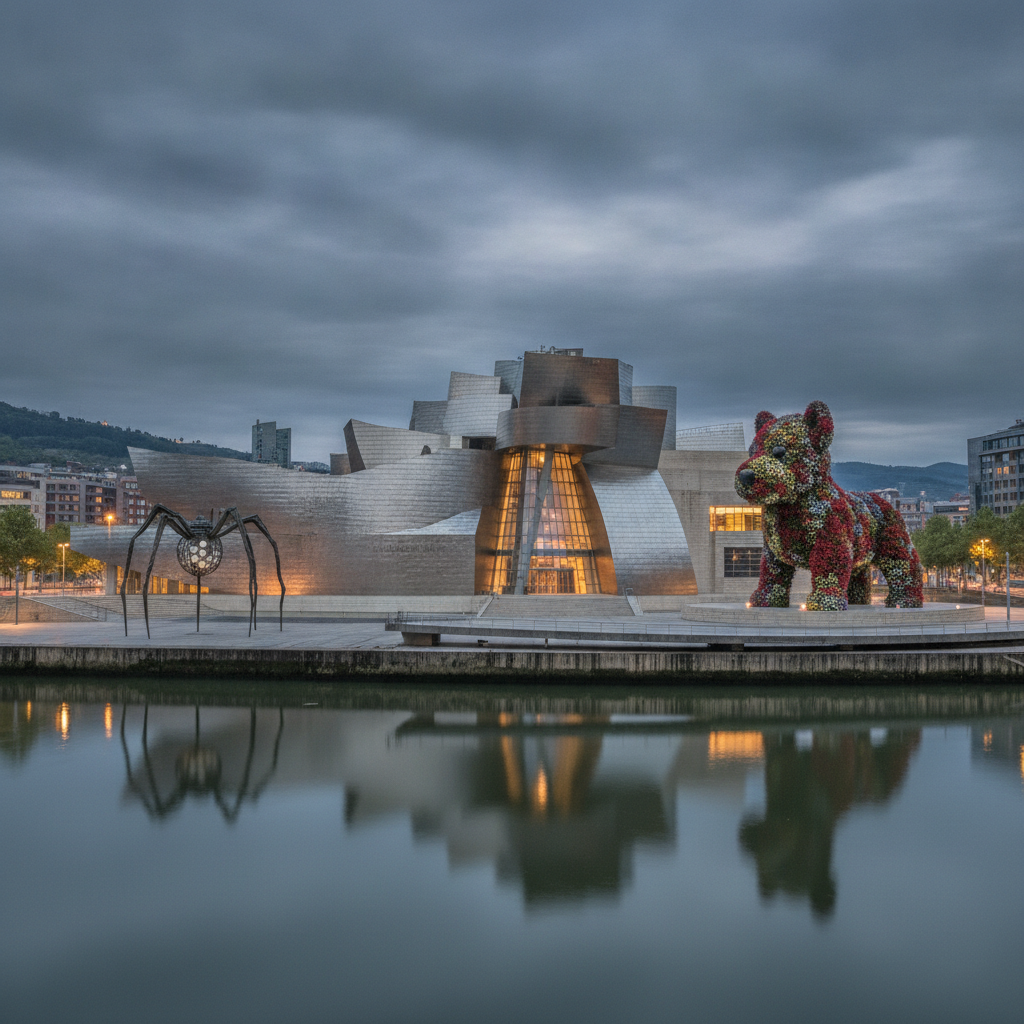
Guggenheim Bilbao, Frank Gehry & the Basque Renaissance
The Museo Guggenheim Bilbao (the Guggenheim Museum Bilbao — the contemporary art museum designed by Frank Gehry and opened in 1997) is universally acknowledged as the most important work of architecture of the late 20th century and the catalyst for the extraordinary urban renaissance of Bilbao (the 'Bilbao Effect' — the term coined by urban planners to describe the transformative impact of a single iconic cultural building on the economic and social regeneration of a post-industrial city, the effect first identified in Bilbao and subsequently replicated — with varying success — in cities across the world).
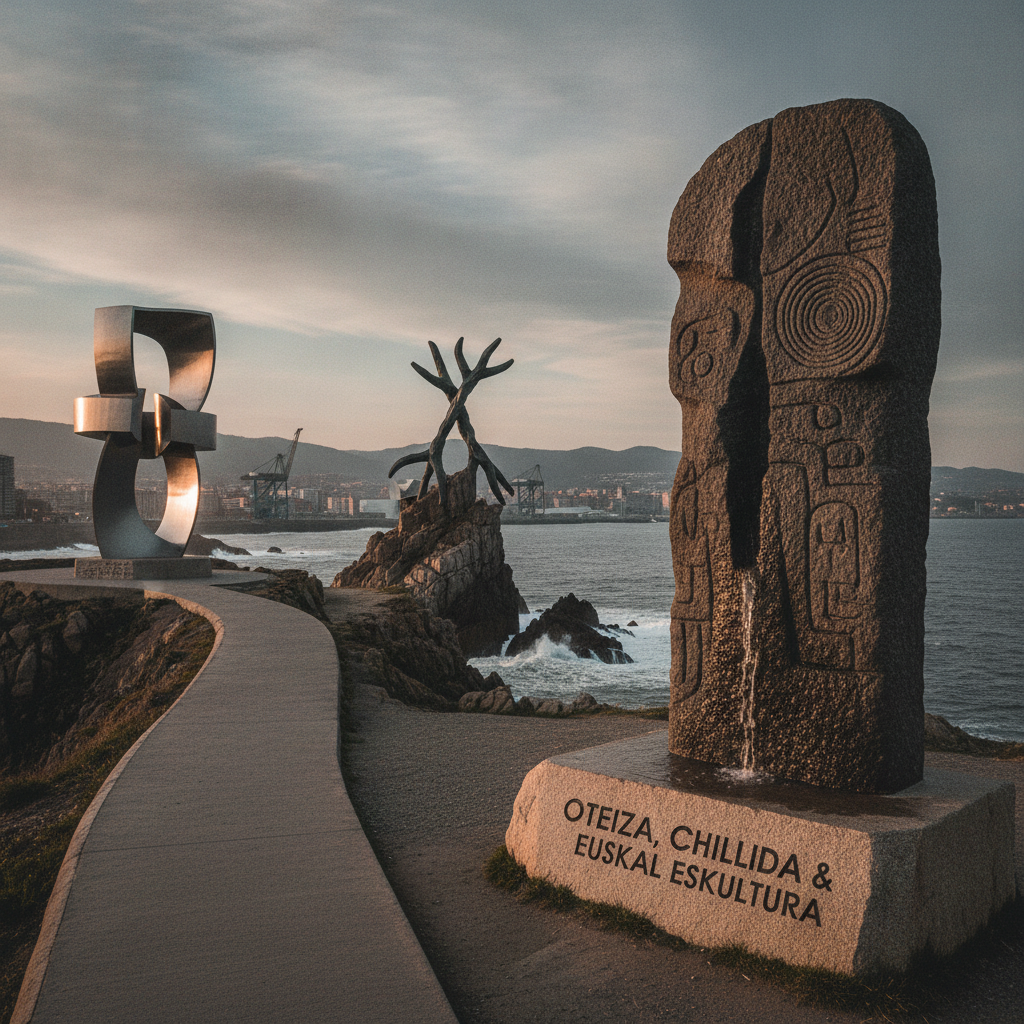
Oteiza, Chillida & the Basque Sculpture Tradition
The two great Basque sculptors of the 20th century — Jorge de Oteiza (1908-2003) and Eduardo Chillida (1924-2002) — are together the most important contribution of the Basque Country to the international art world: Oteiza's abstract 'empty forms' (the sculptures that explore the void and the emptiness as the primary sculptural element) and Chillida's monumental iron, steel, and granite works (including the iconic 'Peine del Viento' ('Comb of the Wind') on the San Sebastián waterfront) are among the defining sculptures of 20th-century European art.
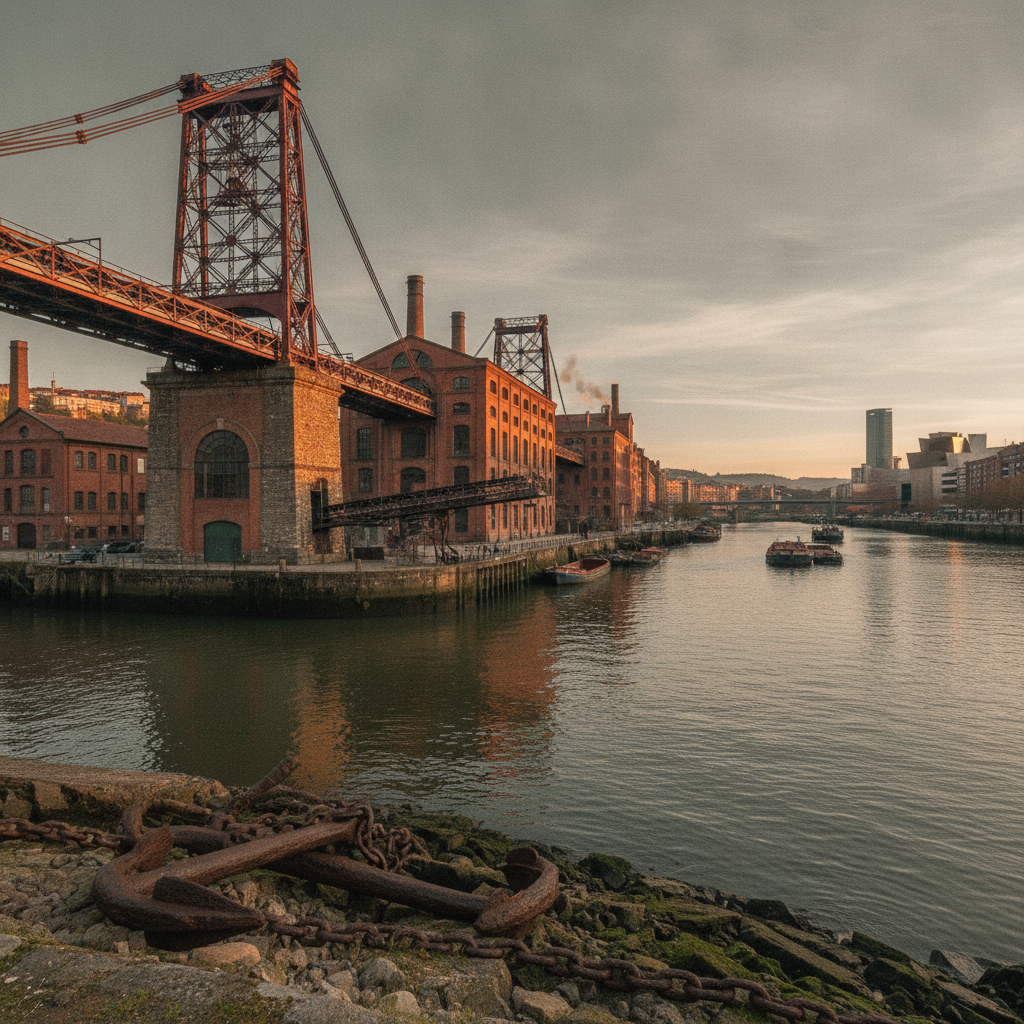
The Nervión River, Industrial Heritage & Bilbao's Iron History
The Nervión River ('Ría del Nervión' — the tidal estuary of the Nervión that runs 15 km from Bilbao to the Bay of Biscay) was the engine of the Basque industrial revolution — the river along whose banks the iron ore from the Basque mines was smelted in the steel mills of the 'Altos Hornos de Vizcaya' (the 'High Furnaces of Vizcaya' — the great steel complex that was the largest steel manufacturer in Spain from the late 19th century to the 1980s) and transformed into the steel that was shipped from the Nervión to the world.
Azkuna Zentroa, Alhóndiga & Bilbao's Cultural Renewal
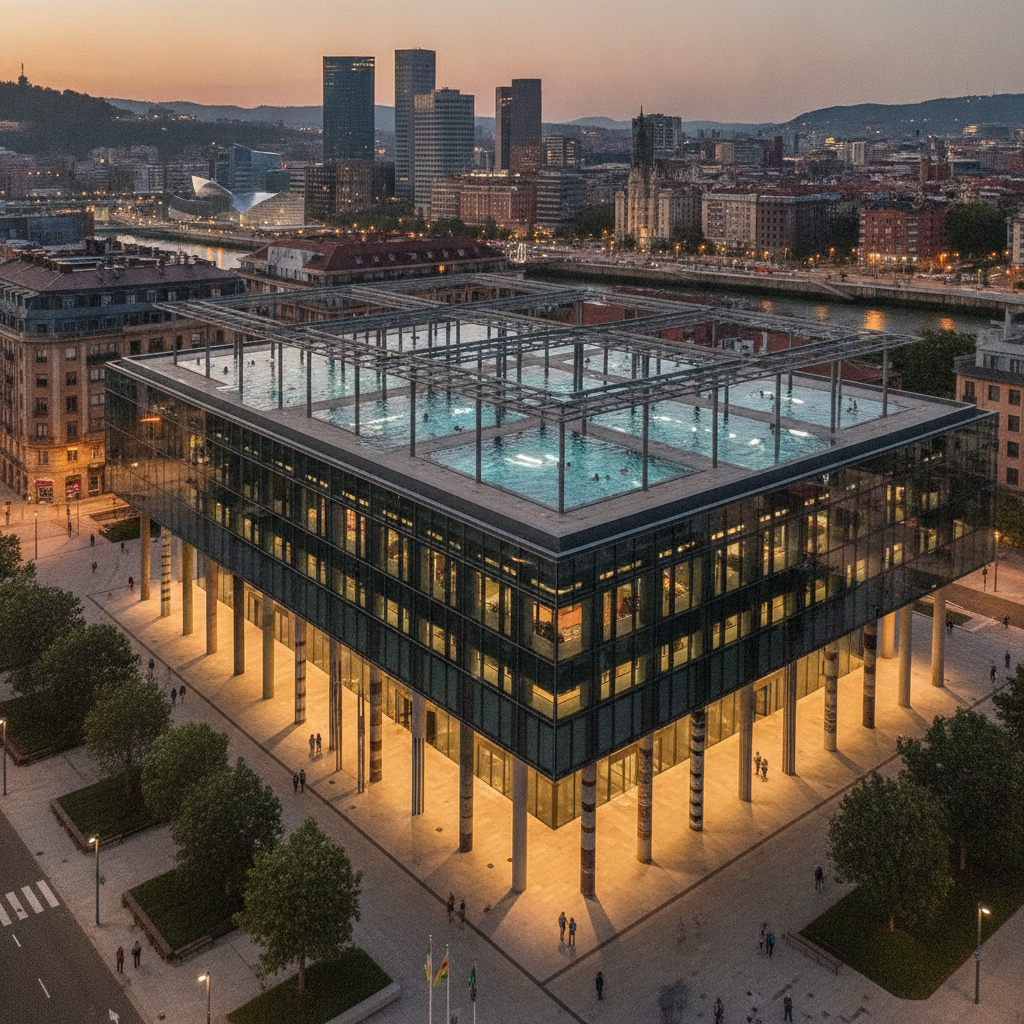
The Azkuna Zentroa (formerly the 'Alhóndiga de Bilbao' — the old wine warehouse of the Ensanche, converted by the designer Philippe Starck (b.1949) into the most original cultural centre in the Basque Country, opened 2010) is the most radical example of the cultural renovation programme that transformed Bilbao in the late 20th century — the old warehouse reinvented as the multi-purpose cultural and leisure centre with the 43 unique columns (each column designed in a different style by Starck), the swimming pool with the transparent glass bottom suspended above the atrium, and the cinema, library, and event spaces.
Rioja Wine Day Trip — Haro, Laguardia & the Wine Cellars of La Rioja
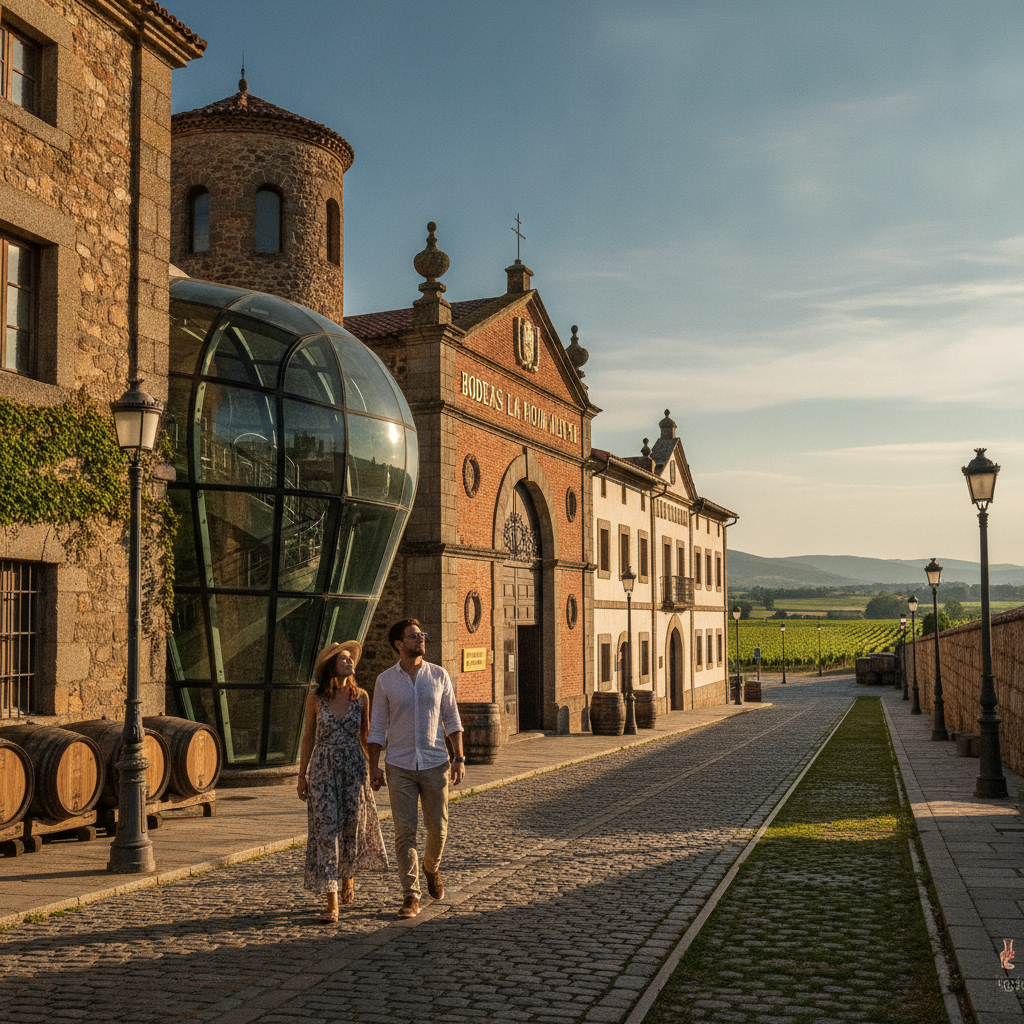
The Rioja wine region (the 'La Rioja' — the most famous wine region in Spain, the wine region that produces the Tempranillo-based red wines that are the most internationally recognized Spanish wines) is only 90 km south of Bilbao, making the Rioja wine country the most accessible day trip from Bilbao: Haro (the 'capital of Rioja wine', 90 km south of Bilbao, the town with the highest concentration of historic wine bodegas ('bodegas históricas') in Spain) and Laguardia (the medieval walled town of the Rioja Alavesa, 100 km south of Bilbao, the wine town perched on the hilltop above the Ebro River valley with the panoramic views of the Sierra de Cantabria).
Basque Michelin Stars, Arzak & the Capital of World Gastronomy
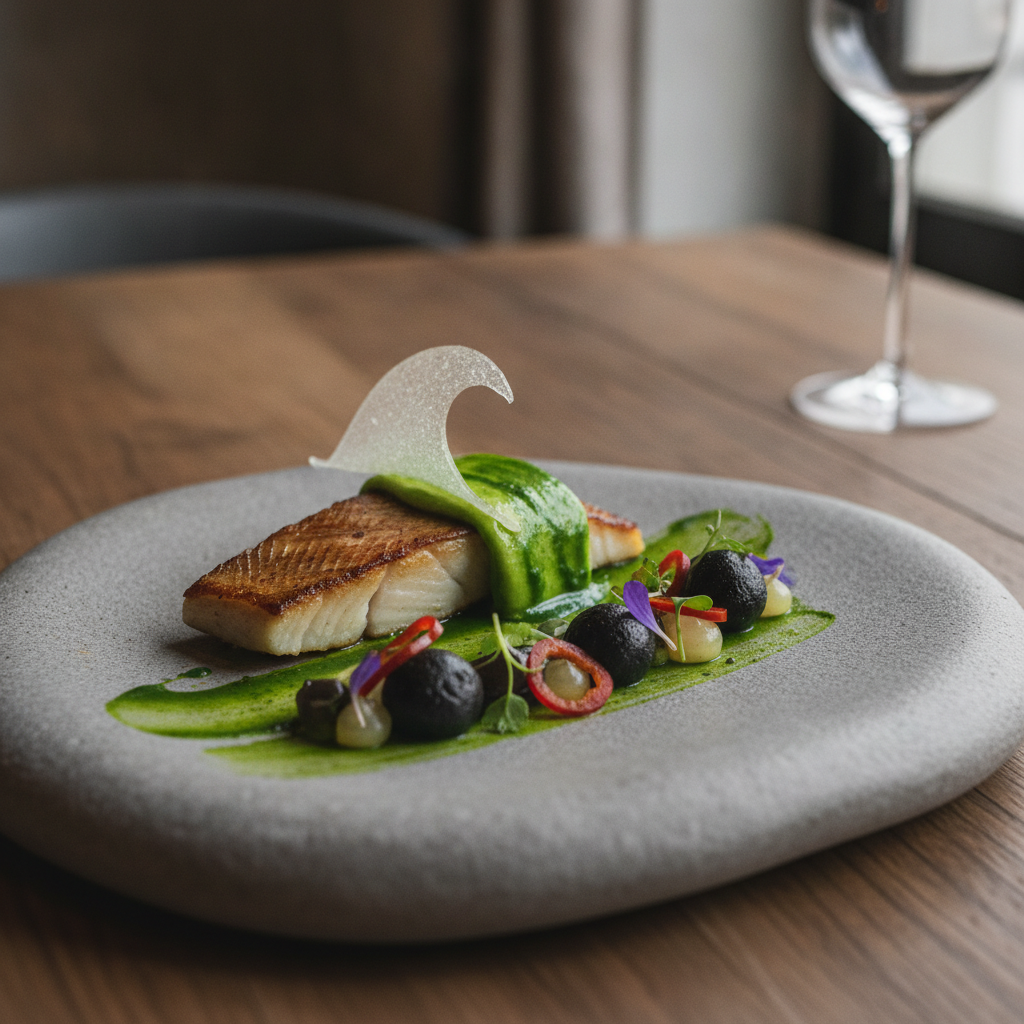
The Basque Country has the highest concentration of Michelin stars per capita in the world — the region of 2.2 million people that has earned more than 30 Michelin stars (including 3 restaurants with 3 stars: Arzak in San Sebastián, Akelarre in San Sebastián, and Azurmendi in Larrabetzu near Bilbao) and that gave birth to the 'nueva cocina vasca' (the 'new Basque cuisine') movement of the 1970s-1980s that transformed the world of haute cuisine.
Basque Coast, Getxo, Urdaibai Biosphere Reserve & Atlantic Nature
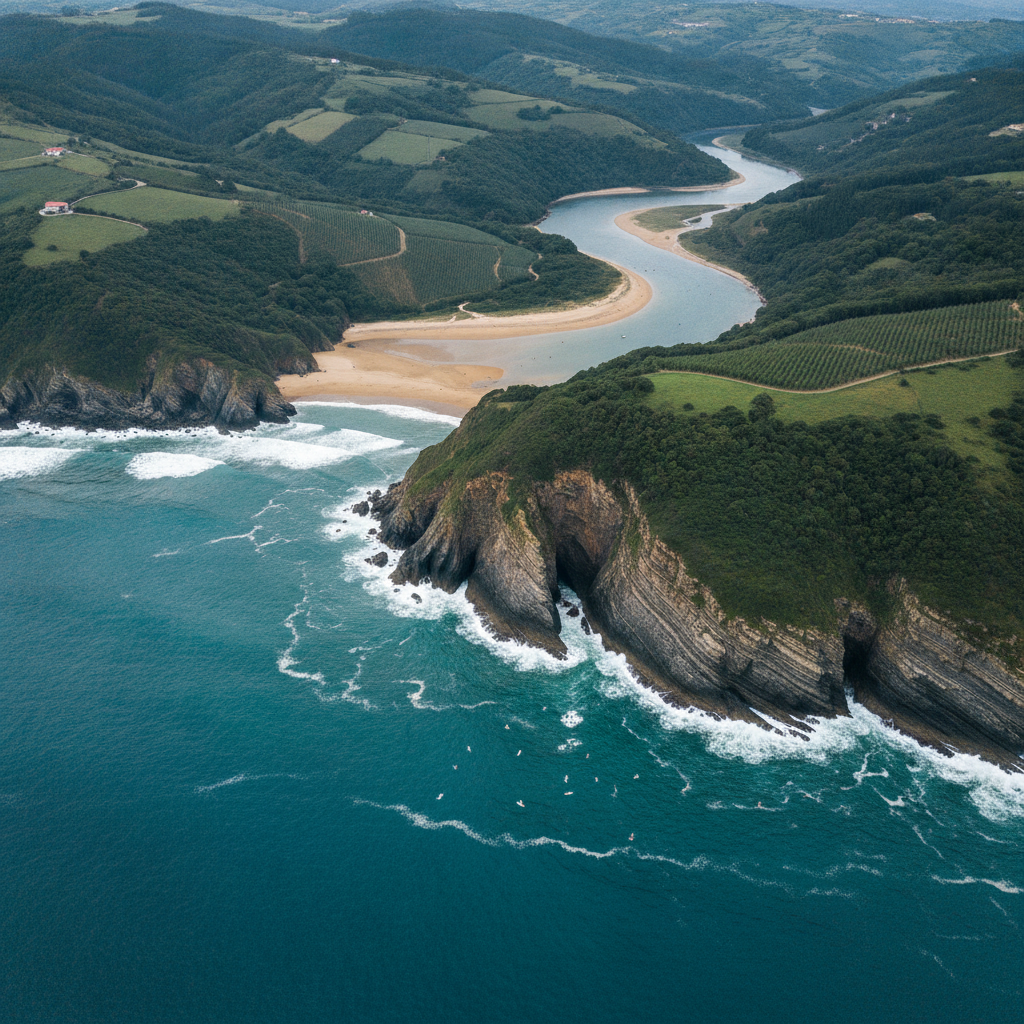
The Basque Coast around Bilbao — from the bourgeois seaside resort of Getxo (15 km north of Bilbao, at the mouth of the Nervión estuary) to the UNESCO Urdaibai Biosphere Reserve (the pristine estuarine ecosystem 30 km northeast of Bilbao, one of the most important wetland habitats in the Iberian Peninsula) — is the most dramatic and the most diverse section of the Atlantic coast of Spain, the coast of the surfing beaches, the sea cliffs, the fishing villages, and the extraordinary Basque rural landscape.
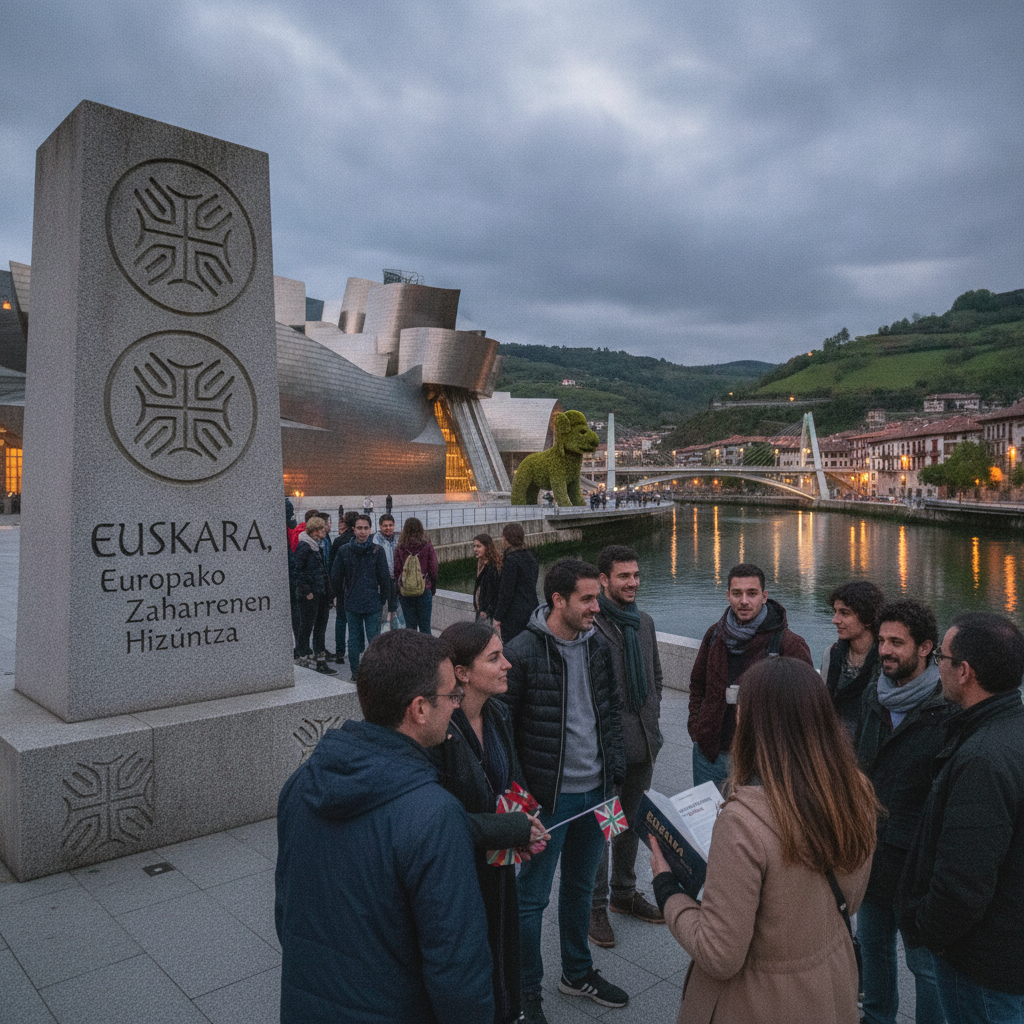
Euskara, Basque Identity & the Language of the Oldest People in Europe
Euskara (the Basque language — the most remarkable linguistic mystery in Europe: the language of the Basque people that is the only surviving pre-Indo-European language in Western Europe, the language with no known genetic relationship to any other language in the world (a 'language isolate' — a language that has no demonstrable relationship to any language family), the language spoken by approximately 750,000 people in the Basque Country and Navarre and by the Basque diaspora communities worldwide) and the Basque cultural identity it expresses are the defining characteristics of the Basque people and the foundation of the political and cultural project of the Basque Country.