Monteverde

Monteverde Cloud Forest: Quetzals, Suspension Bridges, and the Quaker Colony
Monteverde is the most visited cloud forest destination in Costa Rica and one of the most influential conservation sites in the world. The reserve was established on land purchased by American Quaker settlers who relocated from Alabama in 1951, creating an unlikely alliance between pacifist farmers and conservation biologists that produced one of the earliest community-based conservation models. The resplendent quetzal, the hanging bridge canopy walks, and the extraordinary biodiversity of the elfin cloud forest have made Monteverde a global reference for ecotourism. This route covers the biological, cultural, and practical foundations of the Monteverde experience.
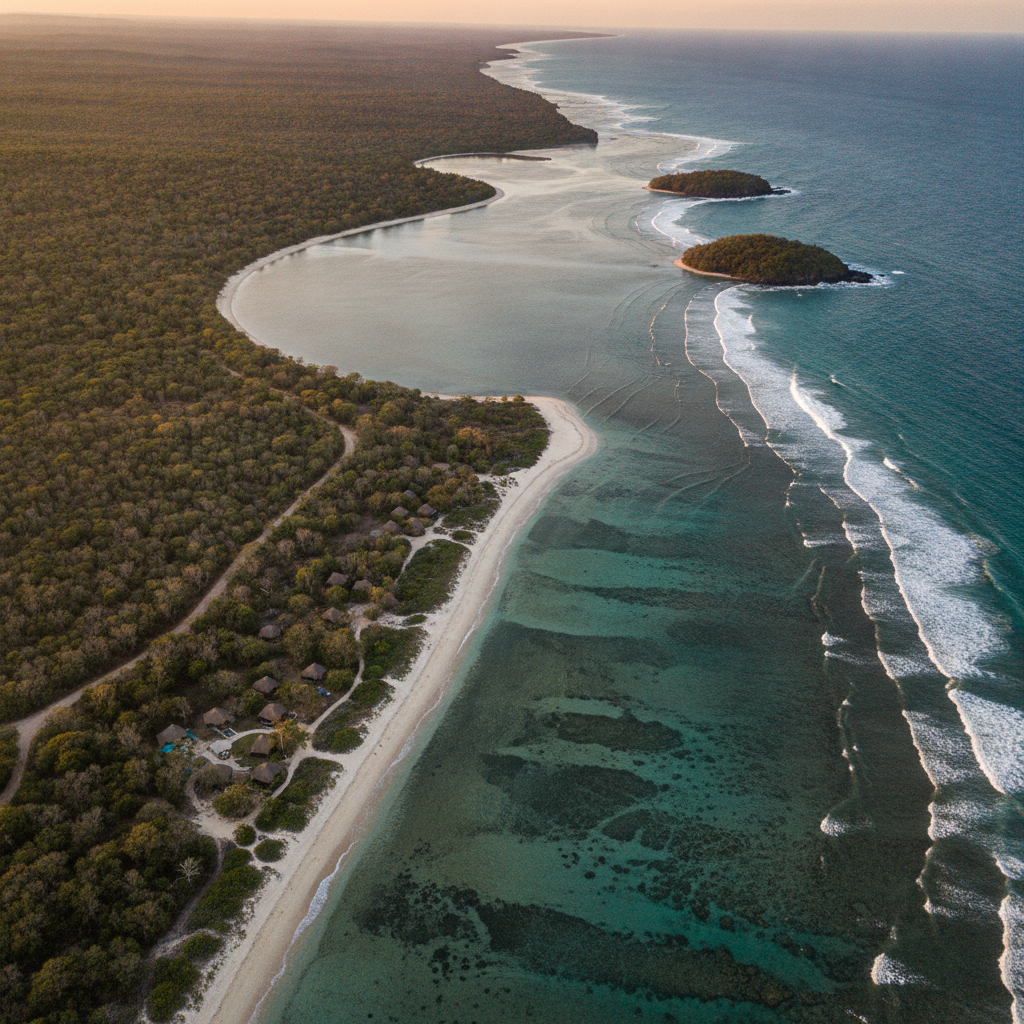
Guanacaste and the North Pacific: Day Trips from Monteverde
Monteverde sits at the edge of the Tilaran highlands overlooking the Guanacaste province, one of the driest and most ecologically distinct regions of Costa Rica. The Pacific coast beaches of Guanacaste are two to three hours from Monteverde through an extraordinary ecological transition from cloud forest to tropical dry forest to white-sand coast. This route maps the day trip and short excursion options from Monteverde toward the Guanacaste coast and the Santa Rosa and Rincon de la Vieja national parks of the dry northwest.
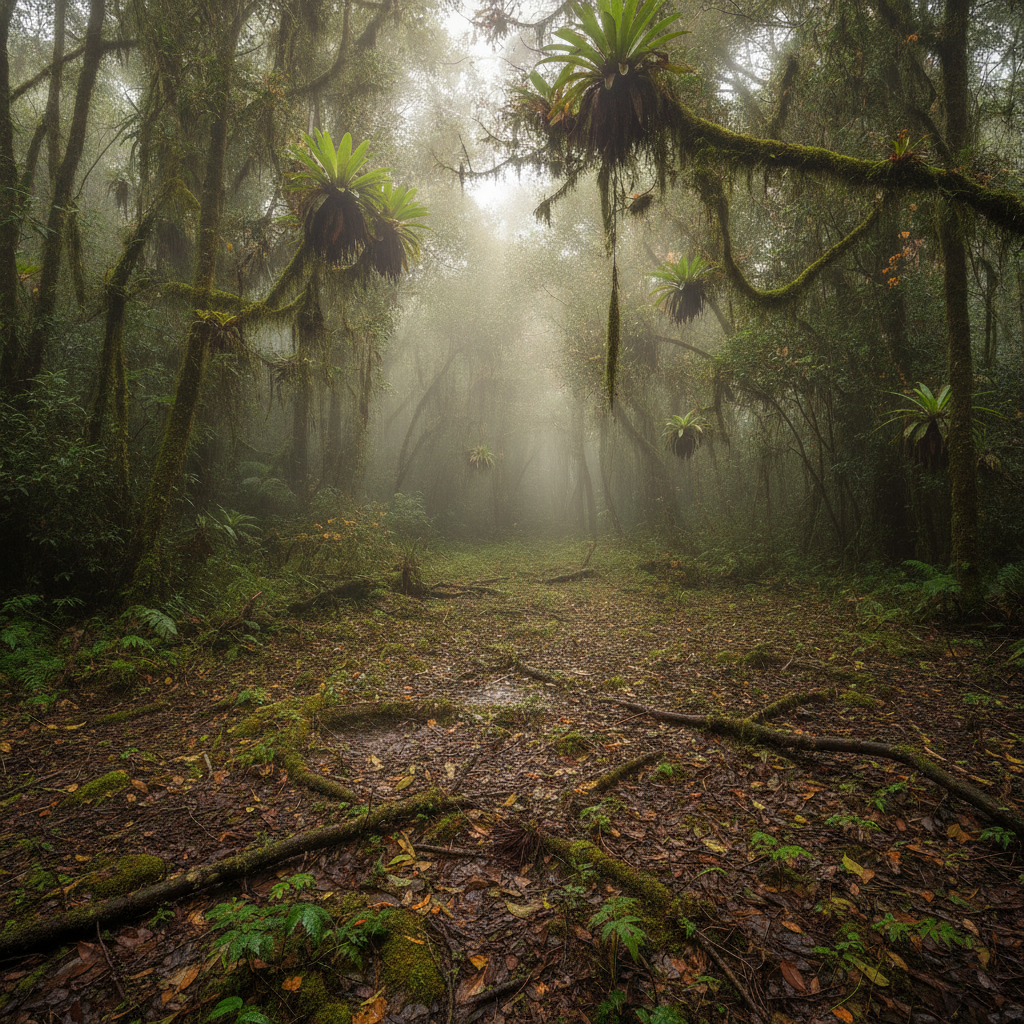
Climate Change and the Future of Monteverde Cloud Forest
Monteverde has become one of the most cited case studies in climate change impact on biodiversity. The disappearance of the golden toad in 1989, the rising cloud base altitude documented since the 1970s, and the shifting range boundaries of species dependent on specific temperature and moisture regimes have made the cloud forest a real-time laboratory for observing biological responses to warming. This route examines the scientific documentation of climate change in the Monteverde ecosystem and the adaptive strategies being pursued by the conservation community.
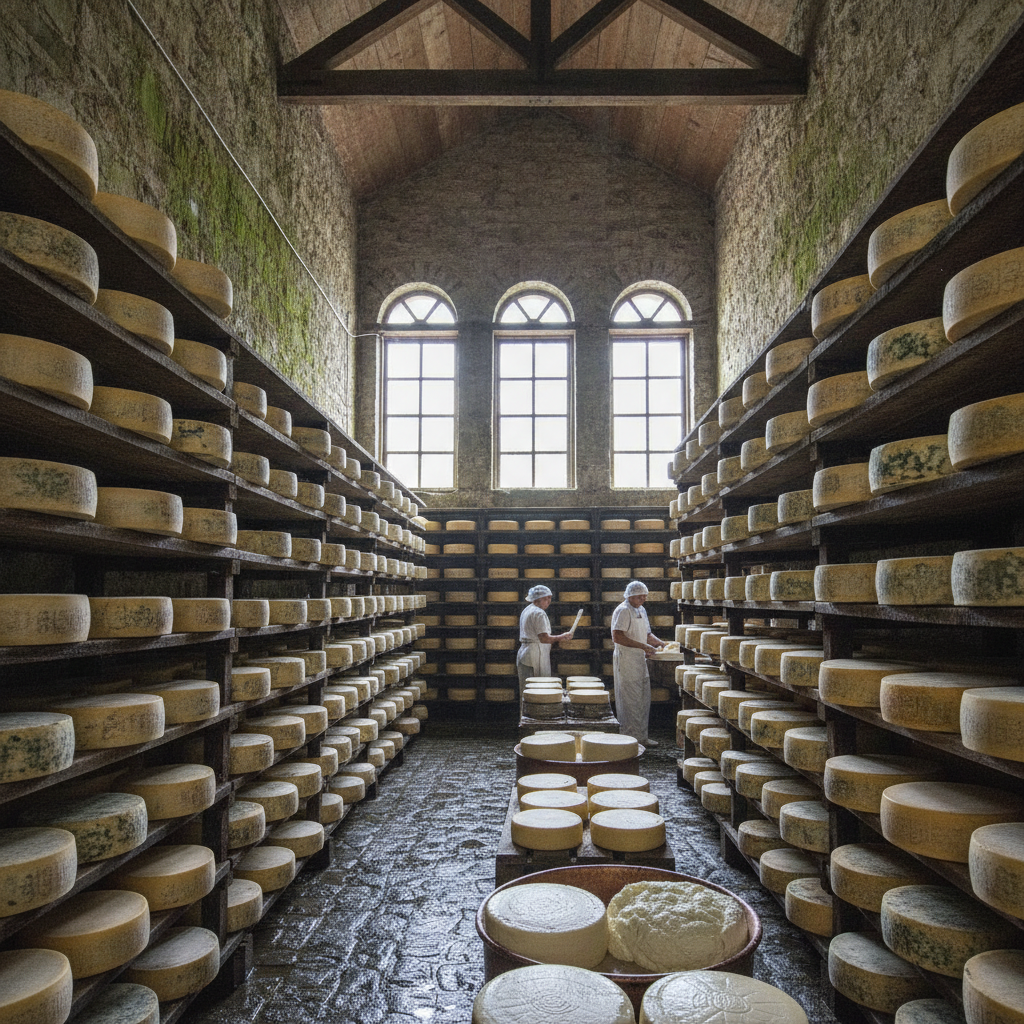
Monteverde Cheese, Coffee, and the Agricultural Community Economy
Beneath the ecotourism economy, Monteverde remains an agricultural community producing dairy, coffee, and artisanal food products that predate the conservation reserve by decades. The Monteverde Cheese Factory, founded by the Quaker settlers in 1953, produces Costa Ricas most recognized artisanal cheeses and continues to support the highland dairy farming community. The specialty coffee grown at altitude around Monteverde and Santa Elena reaches premium markets in the US, Japan, and Europe. This route examines the agricultural foundation that gave the conservation story its human dimension.

Conservation History: How Monteverde Became a Global Model for Ecotourism
The Monteverde story is one of the most studied cases in conservation history. The sequence of events connecting the 1951 Quaker settlement, the 1972 establishment of the Tropical Science Center reserve, the 1987 Children's Rainforest campaign, and the development of an ecotourism economy that funds conservation rather than competing with it has been documented in dozens of academic papers and books. This route examines the conservation history and the lessons that have been extracted from the Monteverde case by researchers, development practitioners, and conservation organizations worldwide.
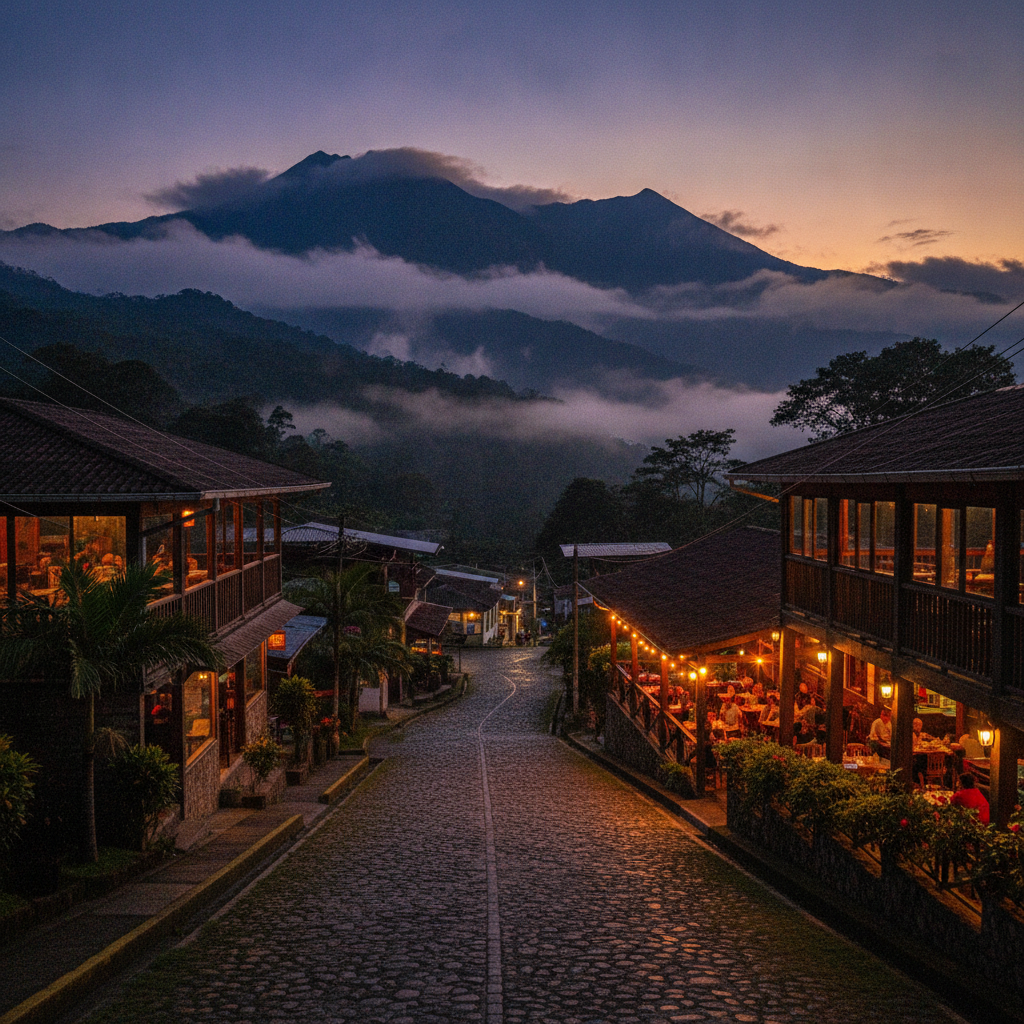
Santa Elena Village: Food, Nightlife, and the Social Hub of the Monteverde Area
Santa Elena is the service village for the Monteverde area, three kilometers from the main reserve entrance and considerably more animated than the smaller Monteverde community below. The village has developed a concentrated tourist infrastructure over the past two decades: restaurants, bars, souvenir shops, tour offices, and accommodation of all price ranges occupy a compact grid that is walkable in twenty minutes. This route covers the food and social life of Santa Elena, the restaurants serving highland Costa Rican cuisine alongside international options, and the modest nightlife scene of a highland village that shuts down early by coastal standards.
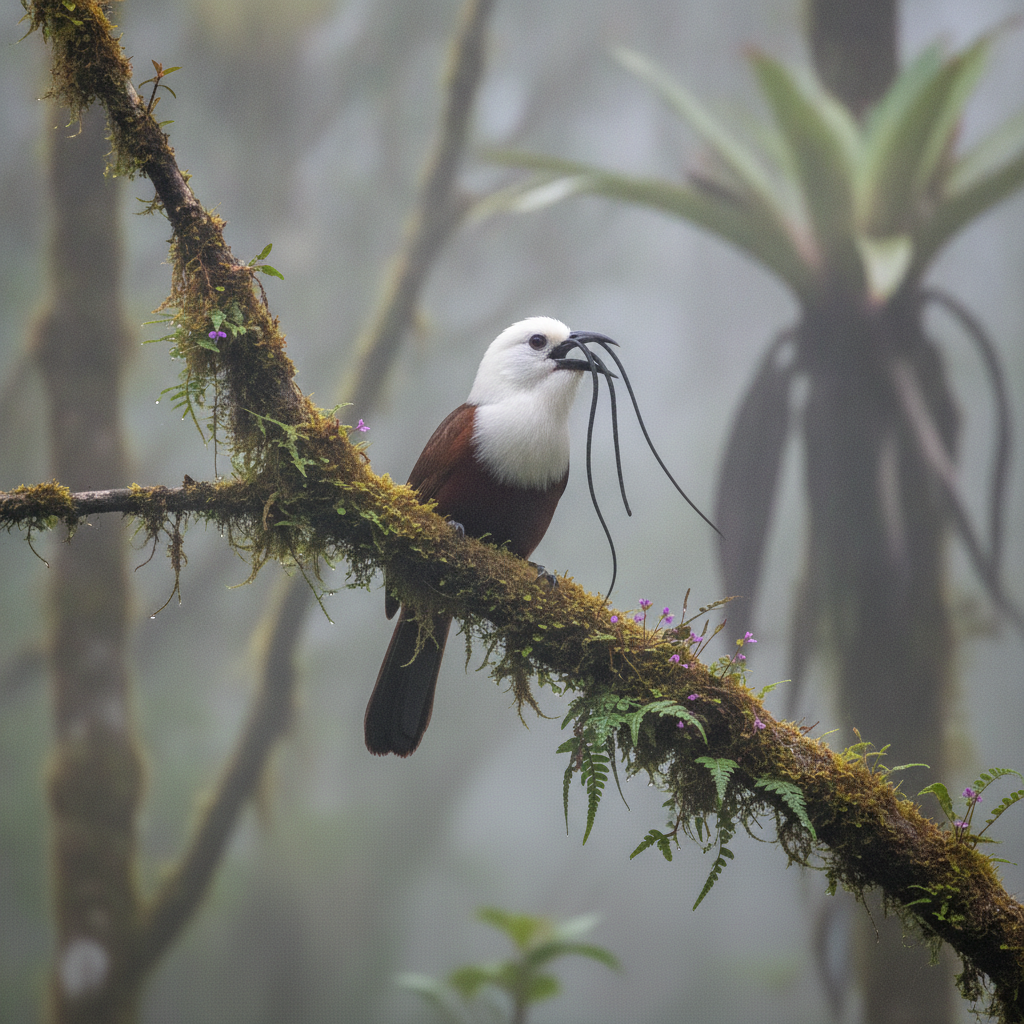
Birdwatching in Monteverde: 500 Species, Hummingbird Gardens, and Dawn Walks
Monteverde holds one of the most concentrated birdwatching opportunities in the Americas, with 500 recorded species across the reserve and surrounding private forests representing approximately 10 percent of all bird species on Earth in an area of a few dozen square kilometers. The combination of cloud forest, forest edge, and the hummingbird feeders maintained at several lodges and gardens produces a visitor experience of extraordinary avian diversity. This route maps the birdwatching landscape of Monteverde from the pre-dawn reserve walks to the afternoon hummingbird gardens and the specialized nightjar and owl walks.