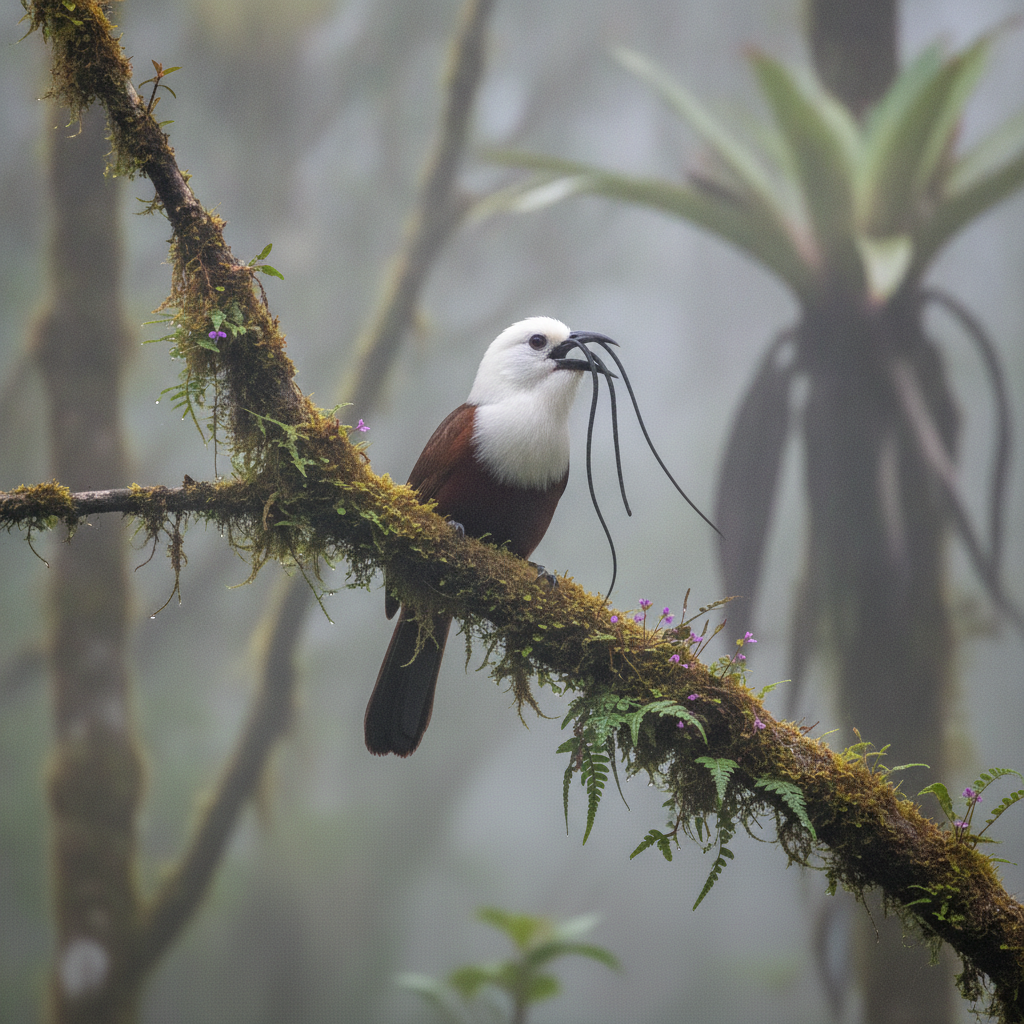
Monteverde Cloud Forest: Quetzals, Suspension Bridges, and the Quaker Colony
Monteverde is the most visited cloud forest destination in Costa Rica and one of the most influential conservation sites in the world. The reserve was established on land purchased by American Quaker settlers who relocated from Alabama in 1951, creating an unlikely alliance between pacifist farmers and conservation biologists that produced one of the earliest community-based conservation models. The resplendent quetzal, the hanging bridge canopy walks, and the extraordinary biodiversity of the elfin cloud forest have made Monteverde a global reference for ecotourism. This route covers the biological, cultural, and practical foundations of the Monteverde experience.
- 1
Monteverde Cloud Forest Reserve: The Biological Station and the Forest
The Monteverde Cloud Forest Reserve, managed by the Tropical Science Center since 1975, covers 10,500 hectares of primary cloud forest straddling the continental divide at 1,440 to 1,800 meters altitude. The forest is perpetually in cloud from the Caribbean trade winds that push moisture up the Atlantic slope and over the ridge, producing the high humidity and continuous condensation that defines the cloud forest ecosystem. Over 500 bird species, 120 mammal species, 2,500 plant species, and 6,000 insect species have been recorded in the reserve. The biological richness at this altitude is a function of the year-round moisture and the position at the intersection of multiple biogeographic zones.
- 2
Resplendent Quetzal: The Cloud Forest Icon
The resplendent quetzal (Pharomachrus mocinno) is the most sought-after bird in the neotropics for birdwatchers, and Monteverde is one of the most reliable sites for seeing it in Costa Rica. The male quetzal in breeding condition has tail streamers up to 65 centimeters long and a brilliant emerald-green plumage that was considered sacred by Maya and Aztec civilizations; the bird remains the national symbol of Guatemala and appears on the Guatemalan currency. In Monteverde, quetzals are most reliably seen from February through May when they are nesting in hollow trees and feeding on wild avocado (aguacatillo) fruits. Experienced guides can locate specific nest trees and feeding sites, making early morning guided birdwatching the highest-probability quetzal experience.
- 3
Quaker Colony: The 1951 Founders and the Conservation Legacy
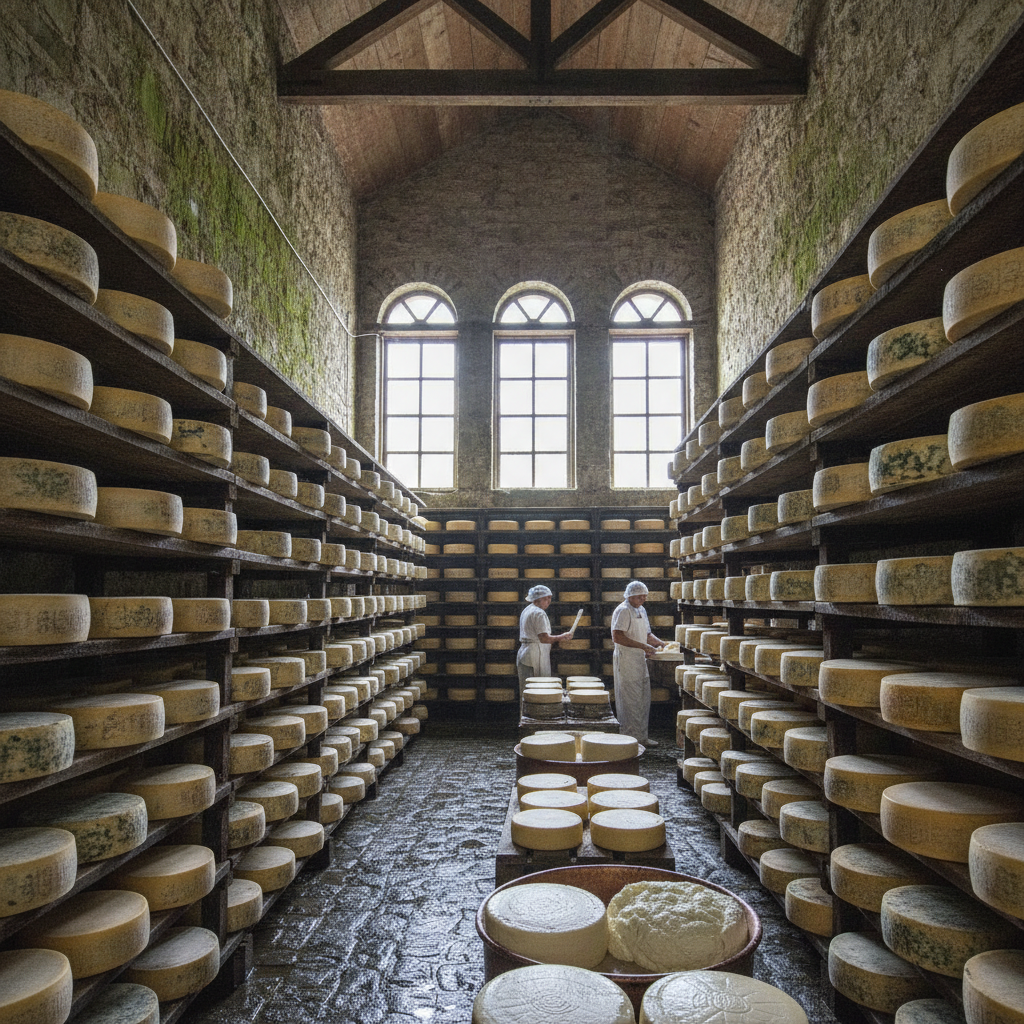
The Monteverde community was founded in 1951 by 44 American Quakers from Fairhope, Alabama, who refused military registration during the Korean War and chose to emigrate to the only country in the Americas without a standing army. The Quaker settlers selected Monteverde for its cool highland climate suitable for dairy farming and its distance from the government in San Jose. They established a dairy cooperative that became the Monteverde Cheese Factory, still operating and famous throughout Costa Rica. The settlers also set aside a portion of their land as a private forest reserve, the founding act that eventually led to the establishment of the Monteverde Cloud Forest Reserve. The Quaker community is now in its third generation and continues to be active in conservation and community governance.
- 4
Suspension Bridges and Canopy Access
The hanging bridge systems of Monteverde provide the most accessible above-canopy experience in the cloud forest. The Original Canopy Tour established the first commercial zipline operation in Costa Rica in Monteverde in 1994, and the format has since spread worldwide. The suspension bridge parks operated by Selvatura, Sky Adventures, and other operators provide a slower alternative to ziplines: walking-pace bridge crossings at canopy level, allowing observation of epiphytes, bromeliads, mosses, and the birds and insects of the mid-canopy zone. The Monteverde Reserve itself has a system of shorter bridges integrated into the trail network. The above-canopy perspective reveals the structure of the cloud forest in a way that ground-level trails cannot.
- 5
Santa Elena Cloud Forest Reserve: The Alternative and the Community Story
Santa Elena Cloud Forest Reserve, three kilometers north of Monteverde, was established in 1992 by the local high school as a community conservation project and continues to be managed by the Santa Elena community, with revenue going directly to school funding. The reserve is slightly higher and colder than the Monteverde reserve, with a different species composition and substantially fewer visitors. The quetzal, puma, and tapir are all recorded here. The community management model of Santa Elena is cited in conservation literature as a successful alternative to the NGO-managed reserve model, demonstrating that local community institutions can effectively manage and benefit financially from protected area ecotourism. The lower visitor numbers make Santa Elena preferable for visitors seeking a less crowded cloud forest experience.
- 6
Cloud Forest Ecology: Epiphytes, Bromeliads, and the Water Factory
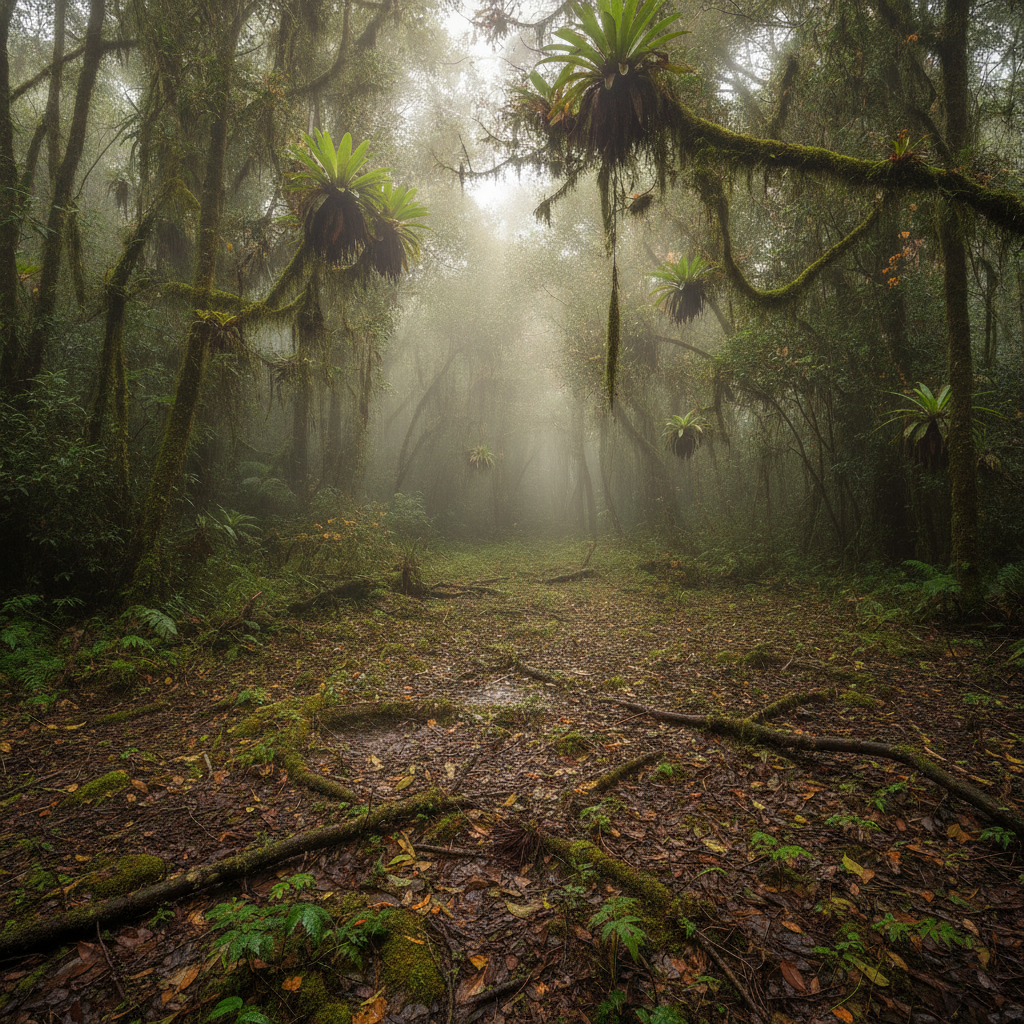
The cloud forest of Monteverde functions as a water factory for the surrounding lowlands: the vegetation intercepts cloud moisture that would otherwise pass as fog, converting it to liquid water that drips from leaves and mosses into the soil and stream network. Studies have estimated that Monteverde cloud forest produces two to three times more water input from fog interception than from rainfall alone. The biological community built on this moisture is characterized by extraordinary epiphyte diversity: more than 500 orchid species and 200 fern species live on the surfaces of trees rather than in the soil. The bromeliads that trap water in their leaf rosettes create miniature aquatic ecosystems supporting frogs, invertebrates, and hummingbirds. The cloud forest is the most structurally complex terrestrial ecosystem in Costa Rica.
Walk this route with audio
Stories play automatically as you reach each stop — no tapping needed.
More in Monteverde
Guanacaste and the North Pacific: Day Trips from Monteverde
Climate Change and the Future of Monteverde Cloud Forest
Monteverde Cheese, Coffee, and the Agricultural Community Economy

Conservation History: How Monteverde Became a Global Model for Ecotourism
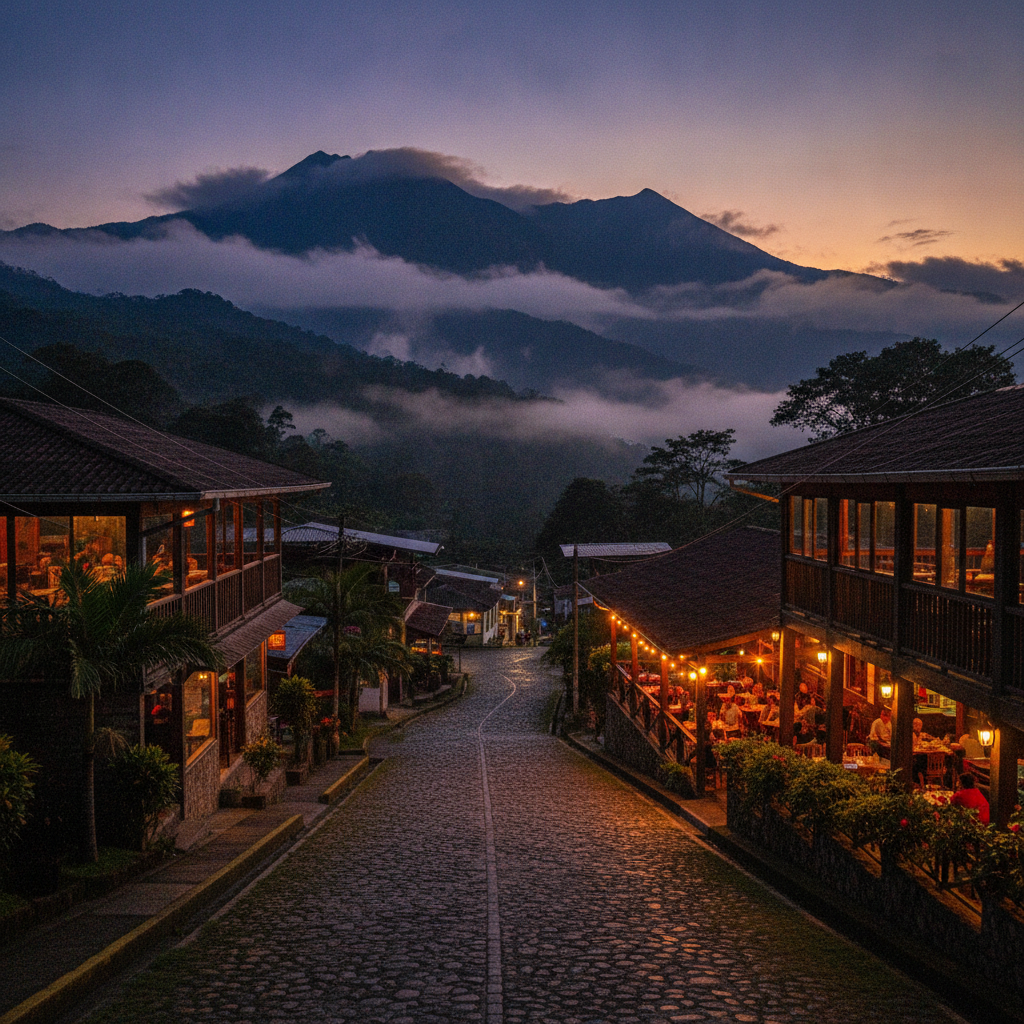
Santa Elena Village: Food, Nightlife, and the Social Hub of the Monteverde Area