Manila
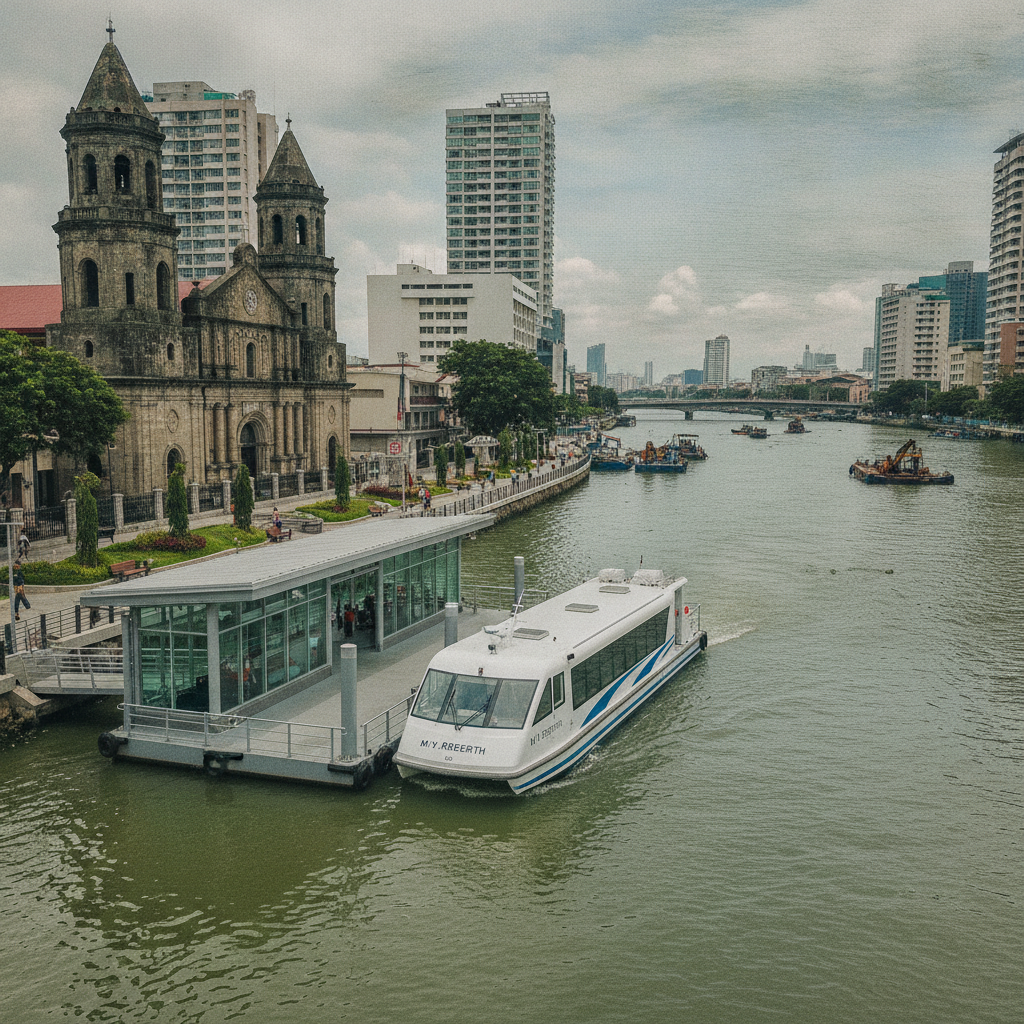
Manila's Hidden Layers: Poblacion's Craft Cocktail Scene, Pasig River's Biological Death & Revival & the Jollibee Sweet Spaghetti That Conquered the Filipino Diaspora
Poblacion's 2014 craft cocktail transformation of pre-war Makati shophouses into a 12-block bar district that the travel press discovered and the Malate KTV scene didn't; the Pasig River's biological death in the 1990s (zero dissolved oxygen) and the 2022 ferry service running on a river that now technically has fish but is still unsafe for swimming; Tsinoy community controlling an estimated 60–70% of large Philippine private sector despite 1.3% ethnic share—from the 1603 Binondo massacre rebuilding to SM Malls' Henry Sy; the 'Jolly Spaghetti' with hotdog slices that Filipino-Americans line up for when they come home; Typhoon Ondoy's 444mm in 6 hours flooding Marikina to 3-metre depth in 2009; and the BGC outdoor mural programme as institutional outdoor art compared to the Paco Park cemetery-walls-turned-community-art-project.
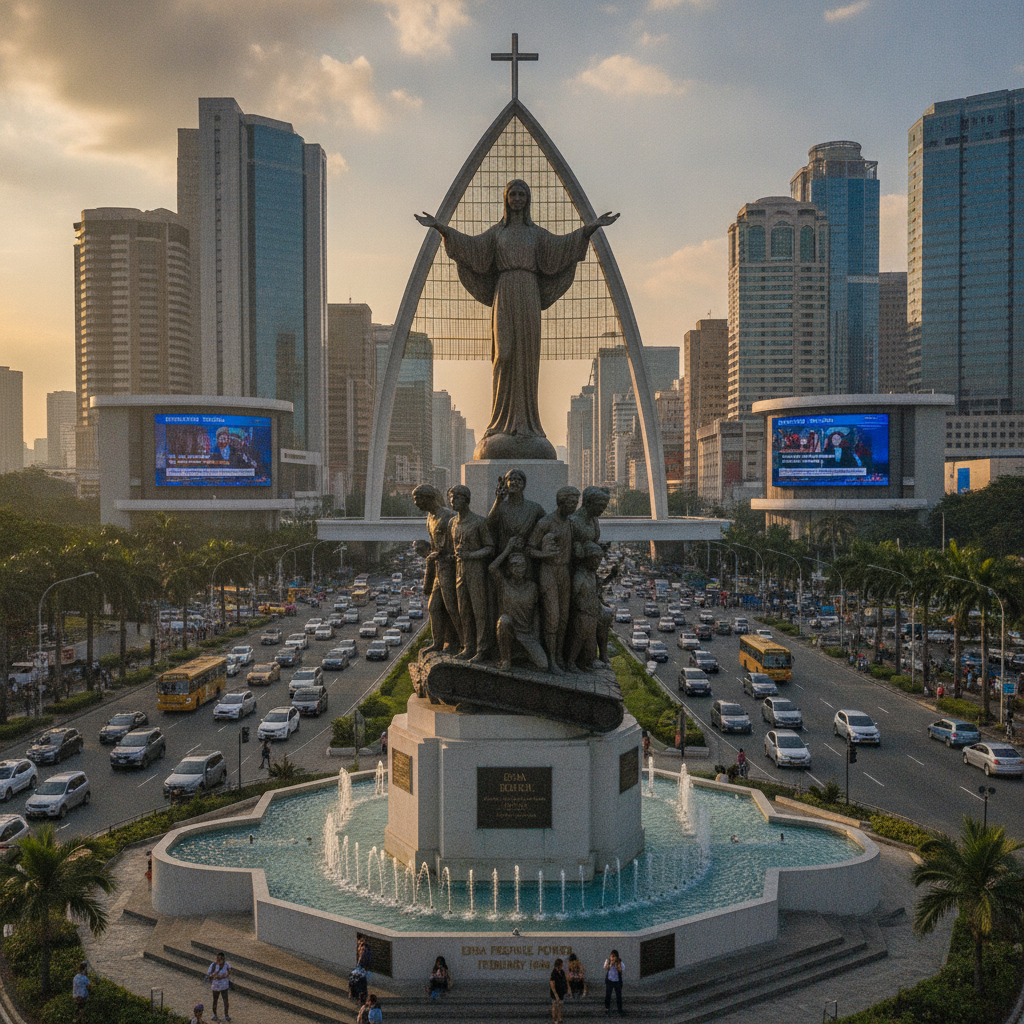
Manila's Modern Layers: The 'Thrilla in Manila' Coliseum, Eraserheads' 1993 Debut Album & the 1986 People Power 2-Million-Person EDSA Standoff
The Araneta Coliseum where Muhammad Ali fought Joe Frazier in 1975's 'Thrilla in Manila' is now the centre of the Cubao district's K-Pop fandom geography; Eraserheads' 'Ultraelectromagneticpop!' of 1993 defined Philippine alternative rock the same year the Taal eruption of 2020 sent pyroclastic surges 15 km and ash to NAIA; the Daniel Burnham 1905 City Beautiful plan for Manila that was only partly executed before WWI; Divisoria's 12-block wholesale market at 50–70% below mall prices in one of the world's most mall-dense countries (SM has 75+ locations); and Ferdinand Marcos Jr.'s 2022 election as President—son of the dictator whose $10 billion kleptocracy ended with 2 million civilians on EDSA in February 1986.
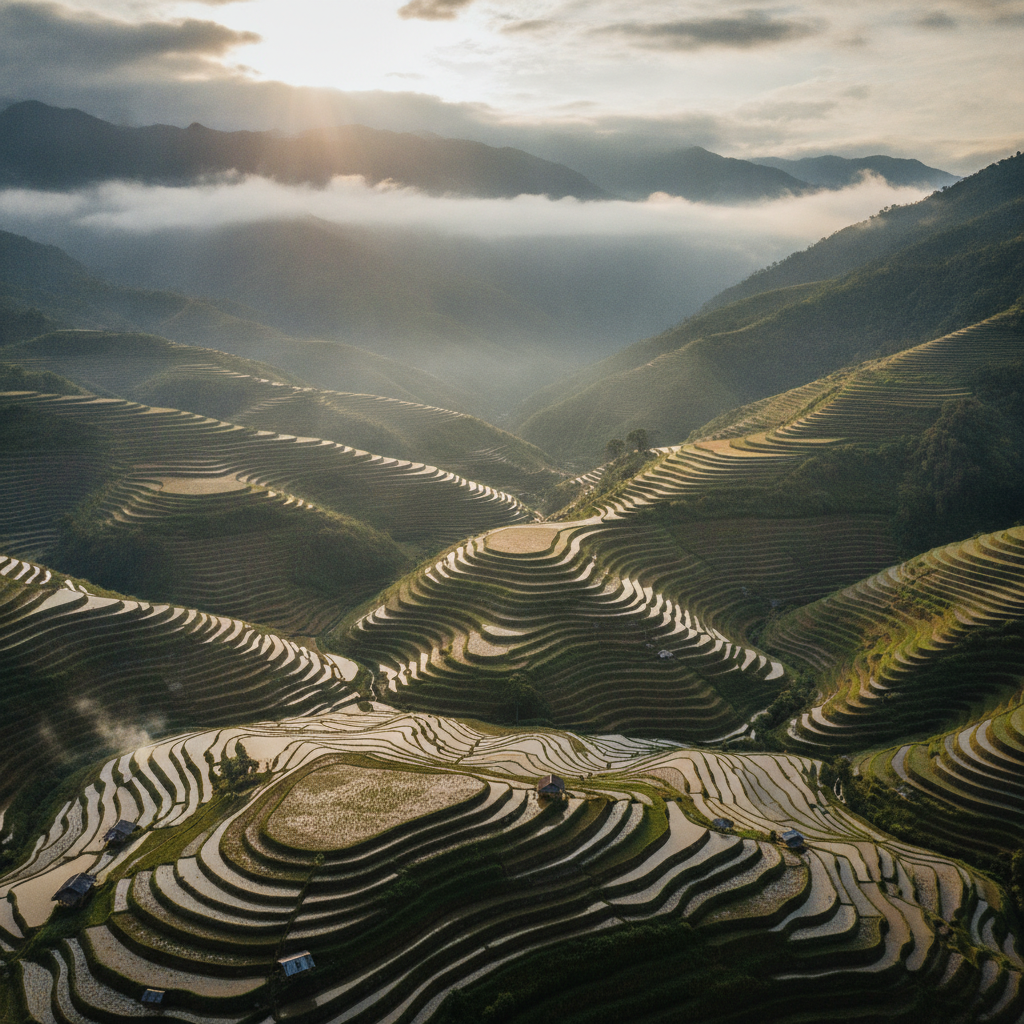
Manila's Philippines: Ifugao's 2,000-Year Terrace Gravity Irrigation, Vigan's 600m Cobblestone Street & Toyo Eatery's Filipino-Ingredients-Only Tasting Menu
The Batad terraces' amphitheatre bowl with no road access reachable by 40-minute trek—the payeo mud walls maintained for 2,000 years by Ifugao gravity-fed channels from forest to lowest paddy; Vigan's Calle Crisologo cobblestones and kalesa horse carriages where strict heritage codes preserved 200 structures that Manila demolished; BenCab in Baguio and Ronald Ventura's $715,000 Sotheby's HK auction record defining the contemporary Philippine art market; the Binondo Chinese New Year tikoy distribution at San Lorenzo Ruiz Basilica where the patron saint of the Philippines was himself a Chinese-Filipino mestizo; ube purple yam on Brooklyn café menus; and Metro Manila sinking 10 cm per year from aquifer extraction as the 1,900-hectare Manila Bay reclamation proceeds above water.
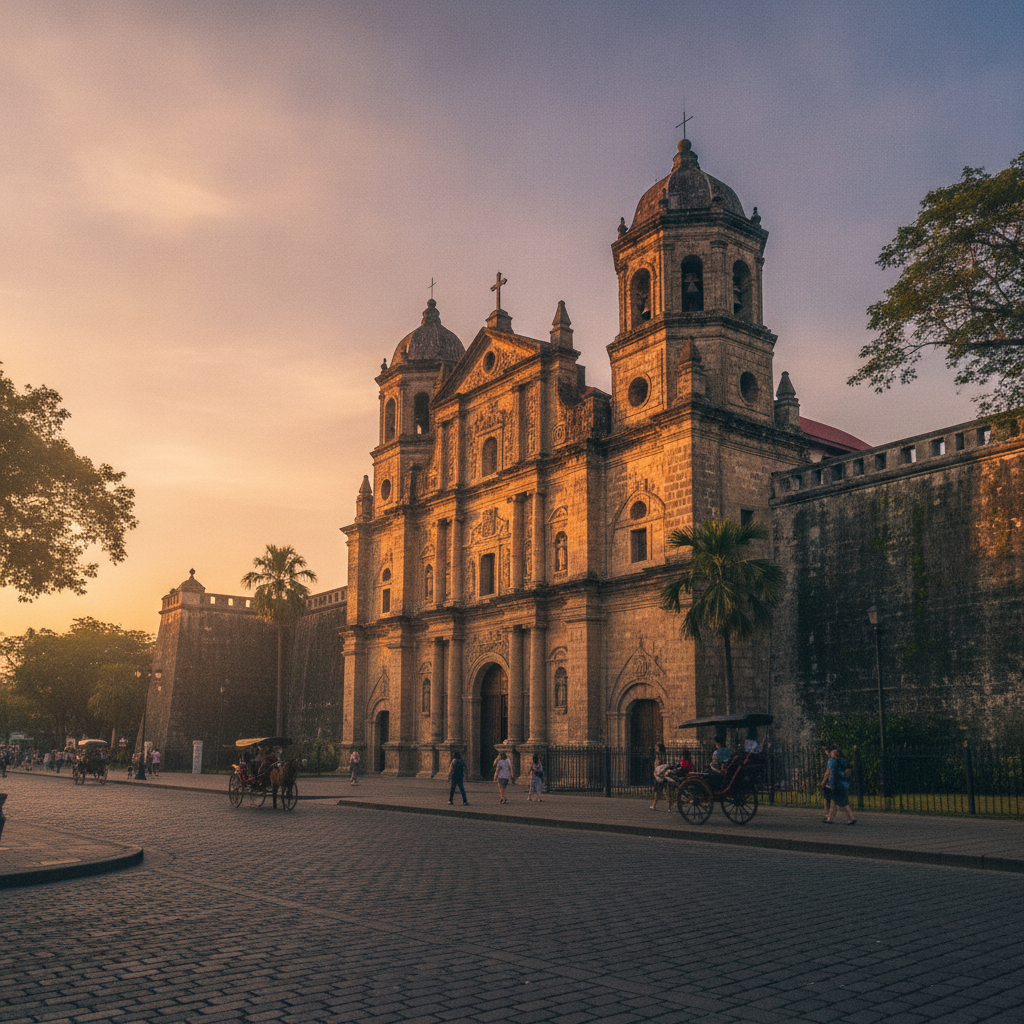
Manila: Intramuros' 1571 Spanish Walls, Binondo's 400-Year-Old Chinatown & the Spoliarium's Gold Medal in Madrid
José Rizal's farewell poem hidden in an oil lamp in Fort Santiago's cell before his 1896 execution—the walled city he died defending independence from is also where he was imprisoned; the world's oldest Chinatown in Binondo where the Spanish confined the sangley Chinese merchants in 1594 while depending entirely on their trade; the National Museum's Spoliarium—Juan Luna's 1884 Rome gladiator painting that won the Madrid Gold Medal and became the symbol of Filipino artistic ambition during the colonial period; BGC's mural programme on former Fort Bonifacio military land now covered in glass towers; balut vendors on the Roxas Boulevard bayside at sunset; and the NAIA Terminal 1 taxi cartel situation that every Manila arrival guide warns about.
Manila's Spanish Palimpsest: The 1607 Trompe-l'Oeil Church Ceiling That Survived 1945, Lapu-Lapu Killing Magellan & 8 Million People Carrying the Black Nazarene
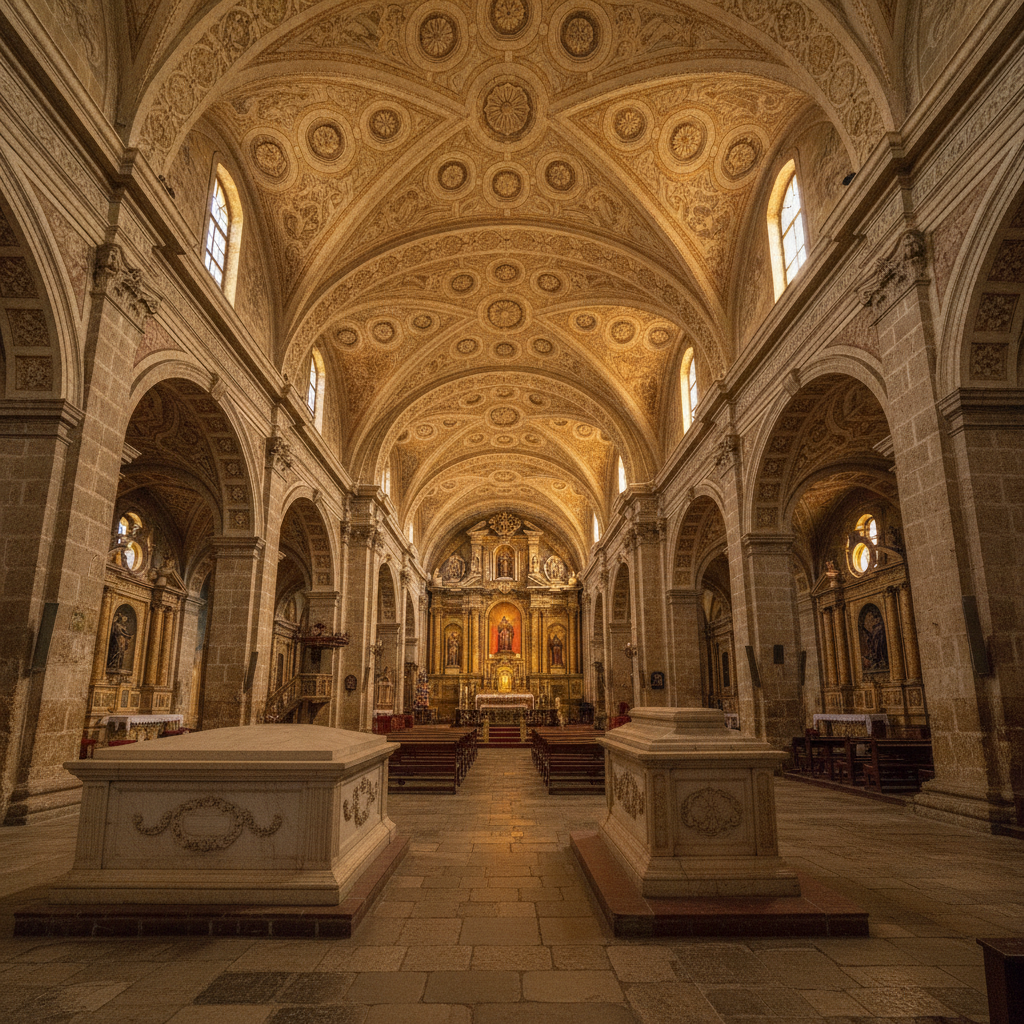
San Agustín's 1607 painted vault ceiling survived the 1945 Battle of Manila where 100,000 Filipino civilians died in Japanese massacres—only Warsaw saw comparable proportional WWII urban destruction; Ferdinand Magellan arriving in the Philippines in 1521, converting 800 people in Cebu, then dying at Mactan killed by chieftain Lapu-Lapu 44 years before Legazpi founded Manila on a Muslim sultanate site; Henry Sy's SM Group from a single Quiapo shoe shop in 1958 to the world's most attended malls (400,000 visitors per day at SM City North EDSA); Tagalog's 170–180 Philippine languages and 'Filipino' as a contested post-independence identity project; and the January 9 Black Nazarene procession where 8 million Filipinos compete to touch a 400-year-old darkwood statue of Christ carried through Quiapo's streets.
Manila's Daily Reality: 10 Million OFWs, the Jeepney Modernisation Fight & Kapeng Barako's Liberica Coffee Revival from 1889's Rust Epidemic
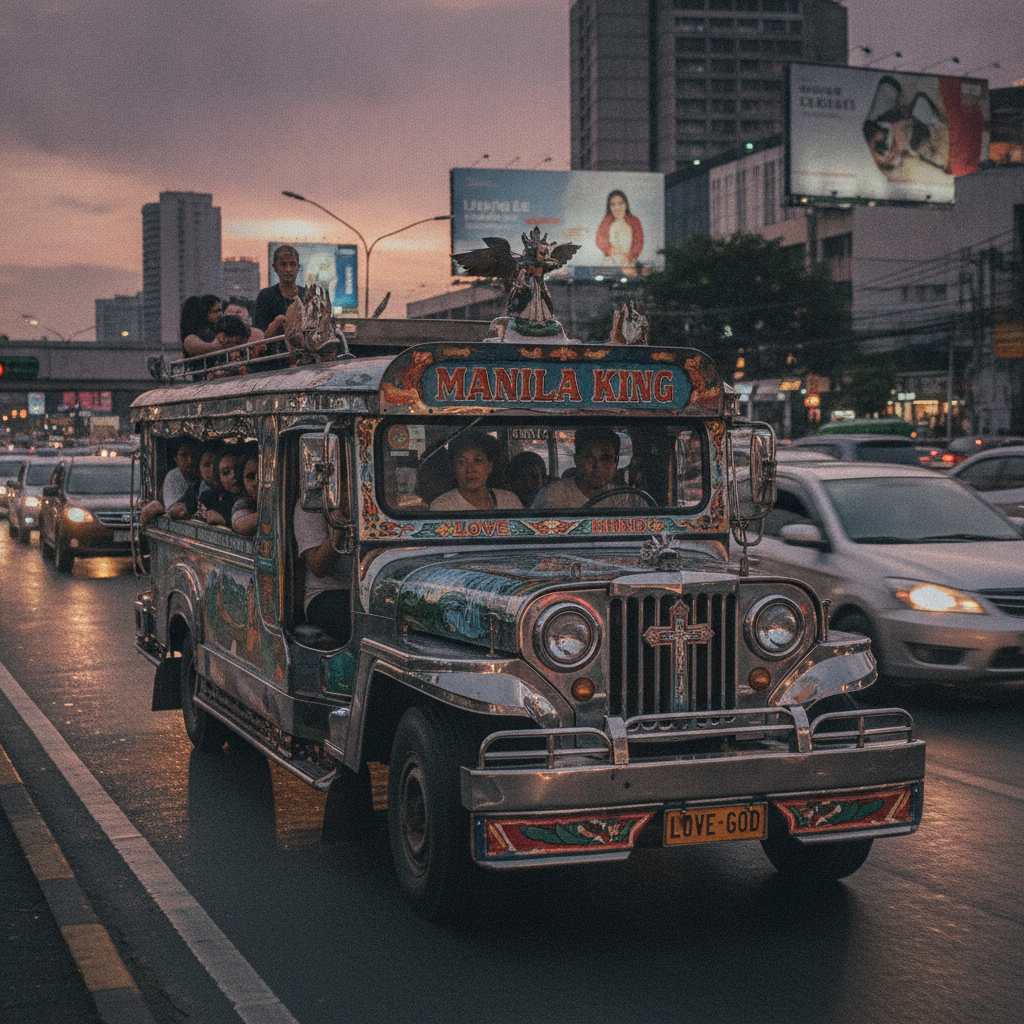
10 million Overseas Filipino Workers globally at any given time sending $34 billion annually—9% of Philippine GDP—back in Balikbayan boxes; TomTom's 2019 most-congested city ranking (67 minutes per 10 km) and the MRT-3 running at 20% capacity while WWII jeeps decorated with chrome saints carry 20 passengers each through the gridlock; the Laguna Copperplate Inscription of 900 CE—Old Malay in Kawi script, the oldest written record in the Philippines, found in 1989; the Escolta Art Deco revival with the First United Building's monthly heritage market; the 1889 coffee rust that destroyed Batangas Barako Liberica and the specialty scene now reviving it; and the bamboo organ of Las Piñas built by a Friar in 1824 from local bamboo, still playable, still the subject of an international festival.