Tambor de Crioula: São Luís's Afro-Brazilian Circle Dance
Tambor de Crioula — a circle dance performed by women to the sound of large barrel drums — is one of São Luís's most powerful Afro-Brazilian cultural expressions; the ceremony honours the enslaved Africans who created it
- 1
The drum circle
The tambor de crioula ceremony revolves around three large barrel drums (tambores) - played by standing men who beat them from above - while women (coreiras) dance in the circle; the drum rhythms and the dance are inseparable
- 2
Purse (the Touch of Grace)
The defining moment for the tambor - punga - occurs when a dancing woman touches another woman to invite her into the circle; the gesture, seemingly simple, has enormous social and spiritual weight within the
- 3
tradition African origin
Tambor de crioula has clear African origins - mainly from the Bantu-speaking peoples of central and southern Africa who were enslaved and taken to Maranhão; the ceremony has evolved in Brazil over three centuries
- 4
São João Festival Integration
Tambor de crioula performances peak during the São João festival season in June in São Luís — along with bumba meu boi; the two traditions coexist in the city's June festival calendar without merging or competing
- 5
UNESCO protection
Tambor de Crioula was registered as an Intangible Cultural Heritage in Brazil in 2007 — one of the first registrations under the National Cultural Heritage Act; the registration has substantiated documentation and the transmission of tradition
- 6
Women as guardians of culture
The tambor de crioula tradition is carried and transmitted primarily by women - the female coreiras are the dance experts and the social organizers of the ceremonies; the tradition is a powerful expression of the Afro-Maranhense women's cultural agency
Walk this route with audio
Stories play automatically as you reach each stop — no tapping needed.
More in São Luís
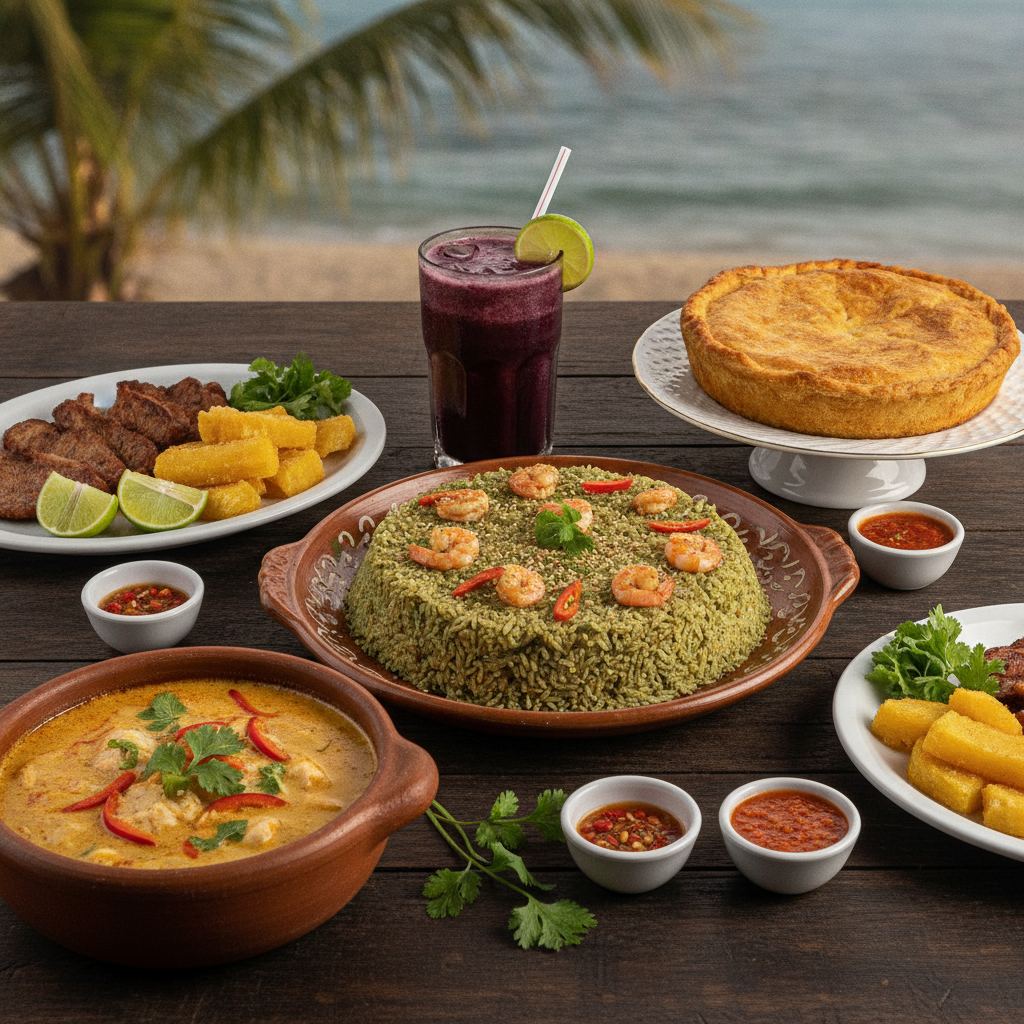
Maranhão at the Table: Cuxá, Moqueca & Caranguejo
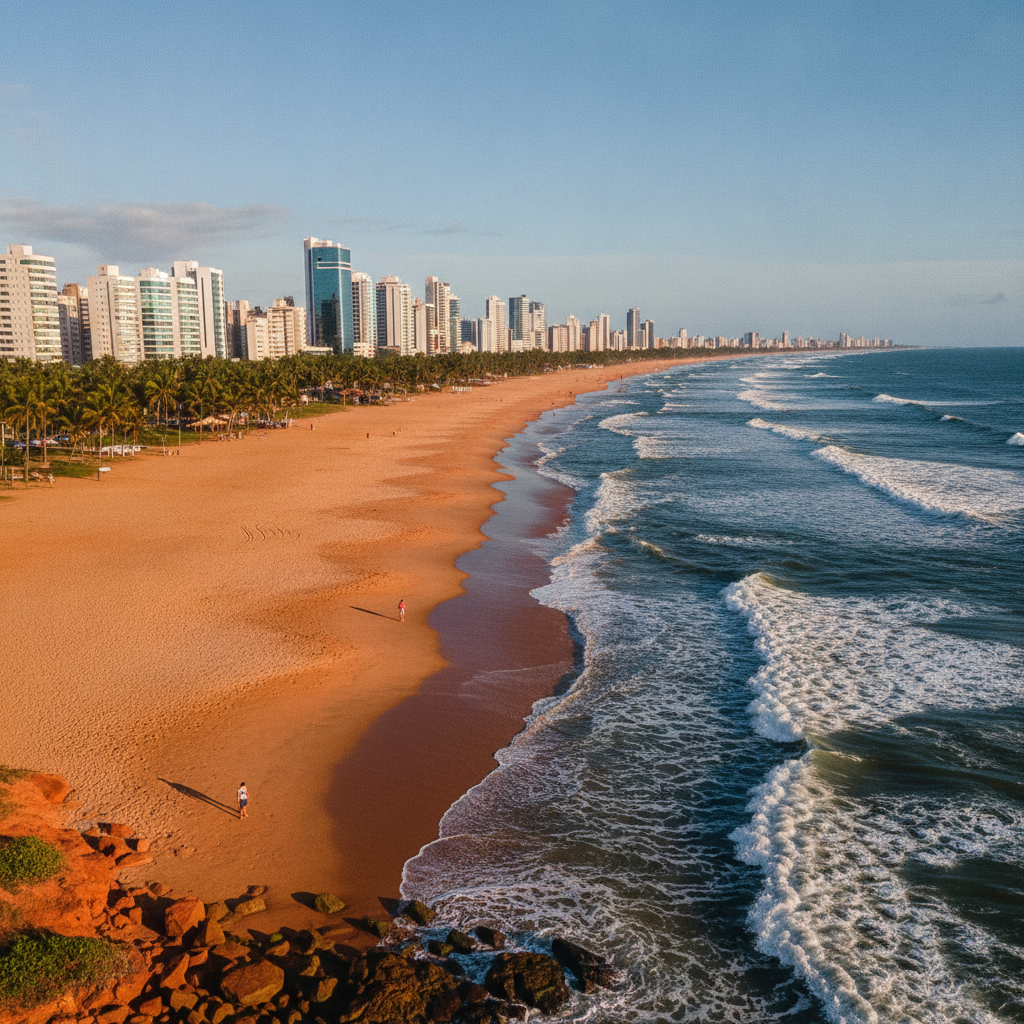
São Luís Beaches: Atlantic Shores of the Capital Island
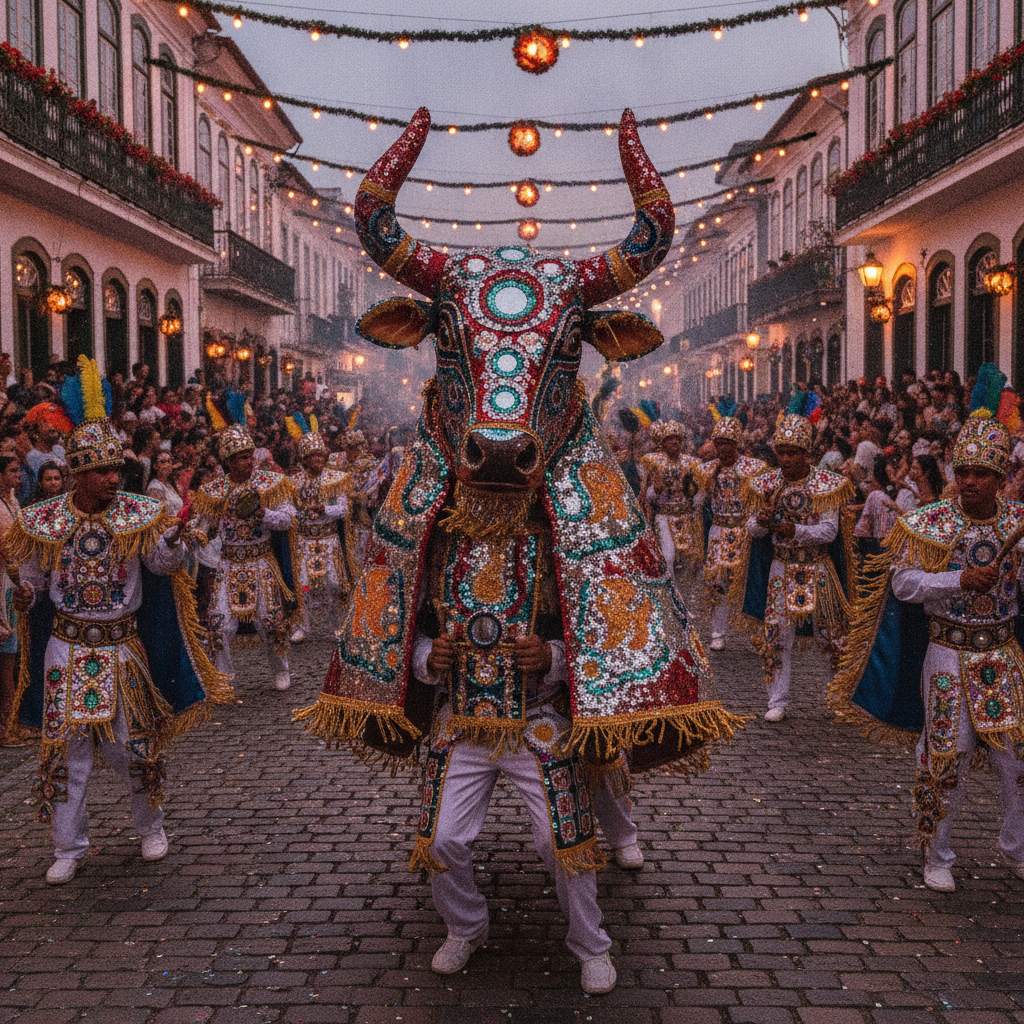
Bumba Meu Boi: Maranhão's Great Festival of the Bull
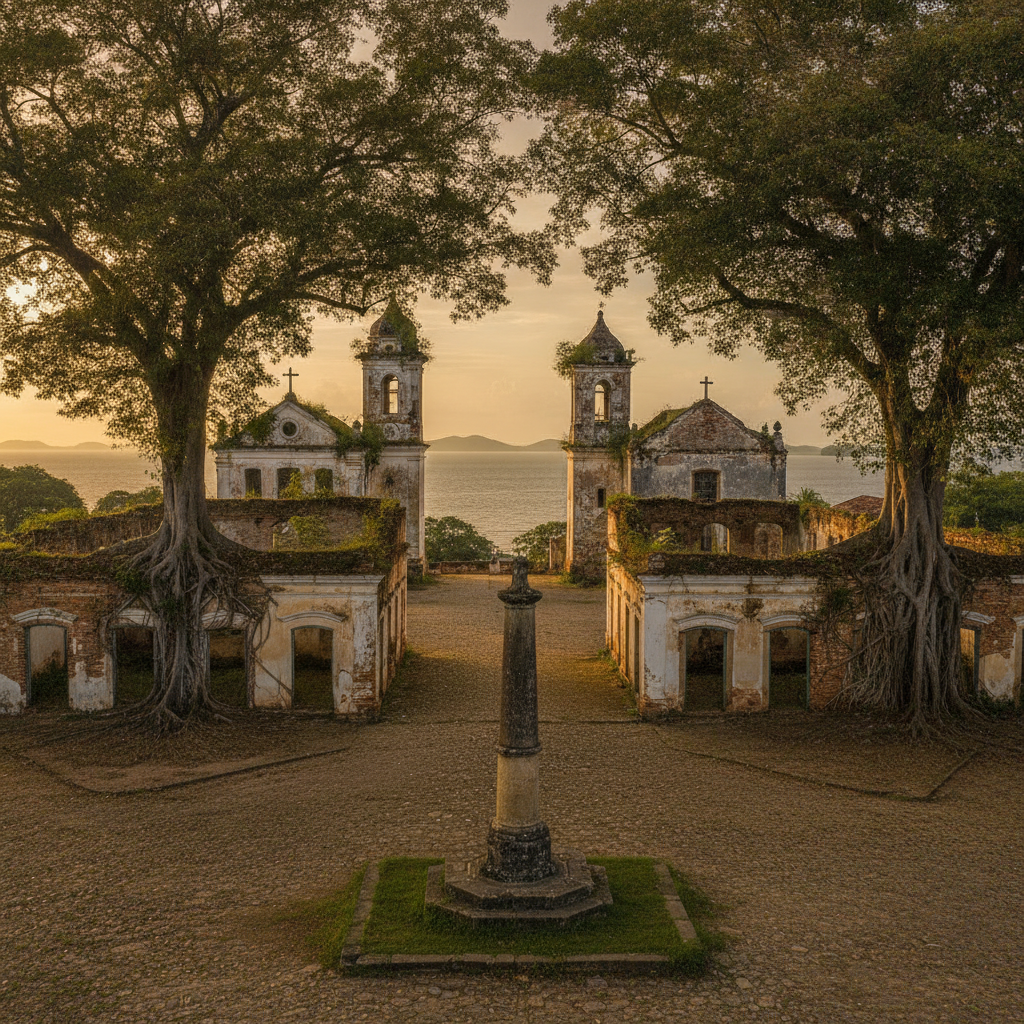
Alcântara: The Ghost Capital of Colonial Maranhão

São Luís: The City of Azulejos