Maranhão at the Table: Cuxá, Moqueca & Caranguejo
São Luís has one of Brazil's most distinctive regional cuisines — the Maranhense table blends African, Indigenous, and Portuguese influences with exceptional seafood from the São Luís bay and the cerrado ingredients of the interior
- 1
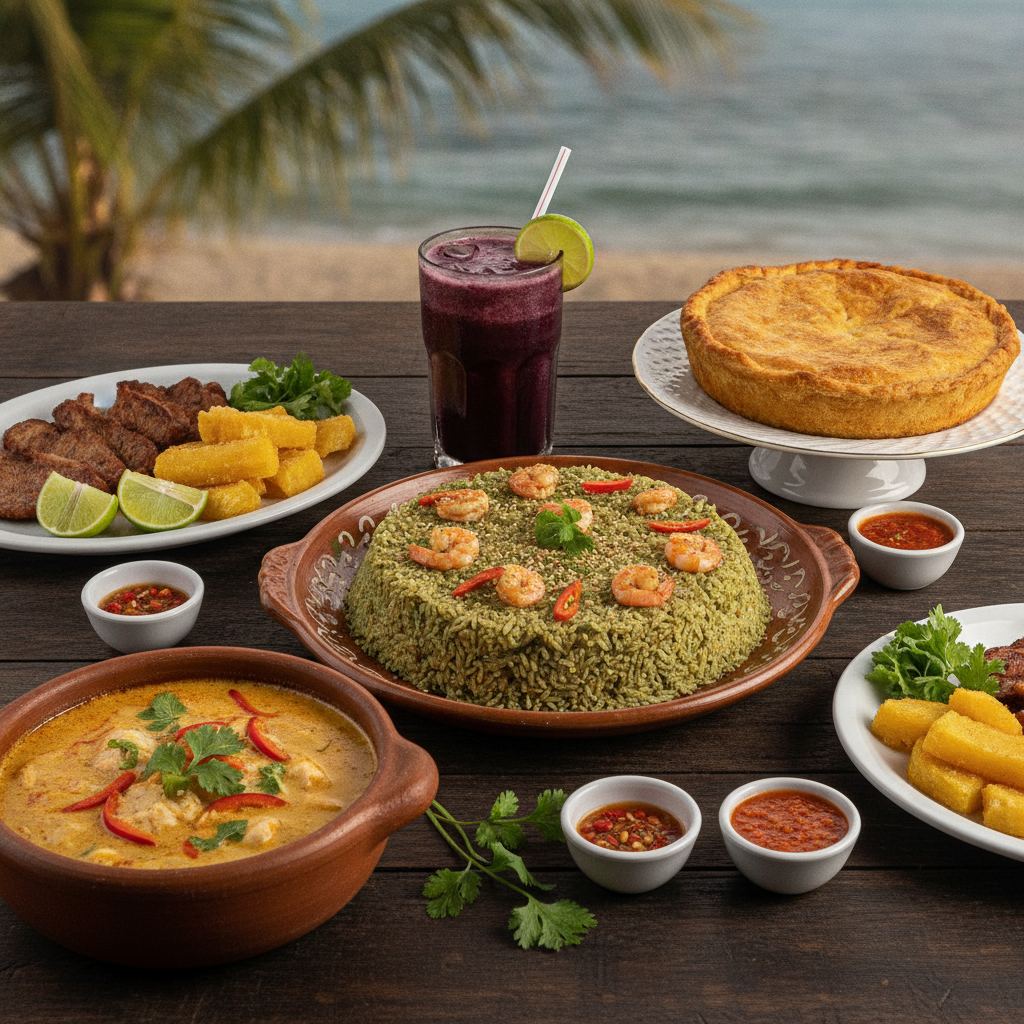
Arroz de Cuxá
São Luís' signature dish – rice cooked with vinagreira (sorrel) leaves and sesame seeds – has a tangy, earthy complexity unlike anything else in Brazil; the African origin of the dish and the distinct tartness of the vinagreira make it instantly identifiable
- 2
Moqueca Maranhense
Maranhão moqueca – fish or shellfish stewed with tomato, cilantro and the local tucupi-like broth – differs from the better-known Bahian and Capixaba versions; The São Luís version is lighter, more tart and uses local fish
- 3
Caranguejo (Mangrove Crab)
The mangrove crab – eaten at long communal tables with hammers and mallets – is São Luís' greatest social eating tradition; the messy, labor-intensive meal eaten with ice-cold beer is the city's most convivial dining experience
- 4
Torta de Camarão
The shrimp pie (torta de camarão) – a deep pastry filled with dried shrimp, egg and spices – is São Luís' most distinctive street pastry; available at every bakery, it combines African drying techniques with Portuguese pastry tradition
- 5
Babaçu Oil in Maranhense Cooking
Babaçu palm oil — from the palms that dominate Maranhão's rural landscape — is the cooking fat of the interior; its mild, nutty flavor sets Maranhense cooking apart from neighboring states
- 6
Açaí Berry Culture
The açaí berry — the purple-black Amazonian palm fruit — has been eaten in Maranhão and Pará for centuries; São Luís's açaí is consumed plain as breakfast pasta with farinha de tapioca, a very different tradition from the sweetened smoothie version sold worldwide
Walk this route with audio
Stories play automatically as you reach each stop — no tapping needed.
More in São Luís

Tambor de Crioula: São Luís's Afro-Brazilian Circle Dance
São Luís Beaches: Atlantic Shores of the Capital Island
Bumba Meu Boi: Maranhão's Great Festival of the Bull
Alcântara: The Ghost Capital of Colonial Maranhão

São Luís: The City of Azulejos