Acre's Rubber Boom Legacy: History, Art & Forest Economy
The Amazon rubber boom (1880-1912) made Acre briefly wealthy — the Palácio Rio Branco, the opera house, and the infrastructure built on rubber money are the physical legacy of a boom that ended with Asian plantation competition
- 1
Palácio Rio Branco
The pink neoclassical Palácio Rio Branco – the state government building – was built during the rubber boom of the early 20th century; its architectural ambition reflects the brief period when Acre was among Brazil's richest territories
- 2
Teatro dos Natais
The Rio Branco Theater – built with rubber money in imitation of Manaus' famous opera house – is a monument to the cultural ambitions of the rubber barons who got rich from forestry work
- 3
Seringal Social Structure
The seringal (rubber estate) was a system of debt peonage - rubber tappers were tied to their employer through debts for supplies that could never be repaid; the system was legally abolished in 1888 but continued informally
- 4
Rubber Money Art Collection
The Museu de Arte do Acre has works collected by wealthy rubber barons — the European paintings, sculptures and decorative arts bought with rubber profits and taken to the Amazon forest are striking inconsistencies
- 5
Amazonian Architectural Heritage
The riverside warehouses, colonial buildings and early 20th century commercial architecture that remain in Rio Branco document the material culture of the rubber era; the city is its own museum of the boom
- 6
End of the Boom: Asian Rubber
The British smuggling of rubber seeds from the Amazon to Singapore in 1876 – leading to Asian plantations undercutting Amazon prices – ended the boom in 1912; the story of henry wickham's seed theft is the basic story of the amazon
Walk this route with audio
Stories play automatically as you reach each stop — no tapping needed.
More in Rio Branco
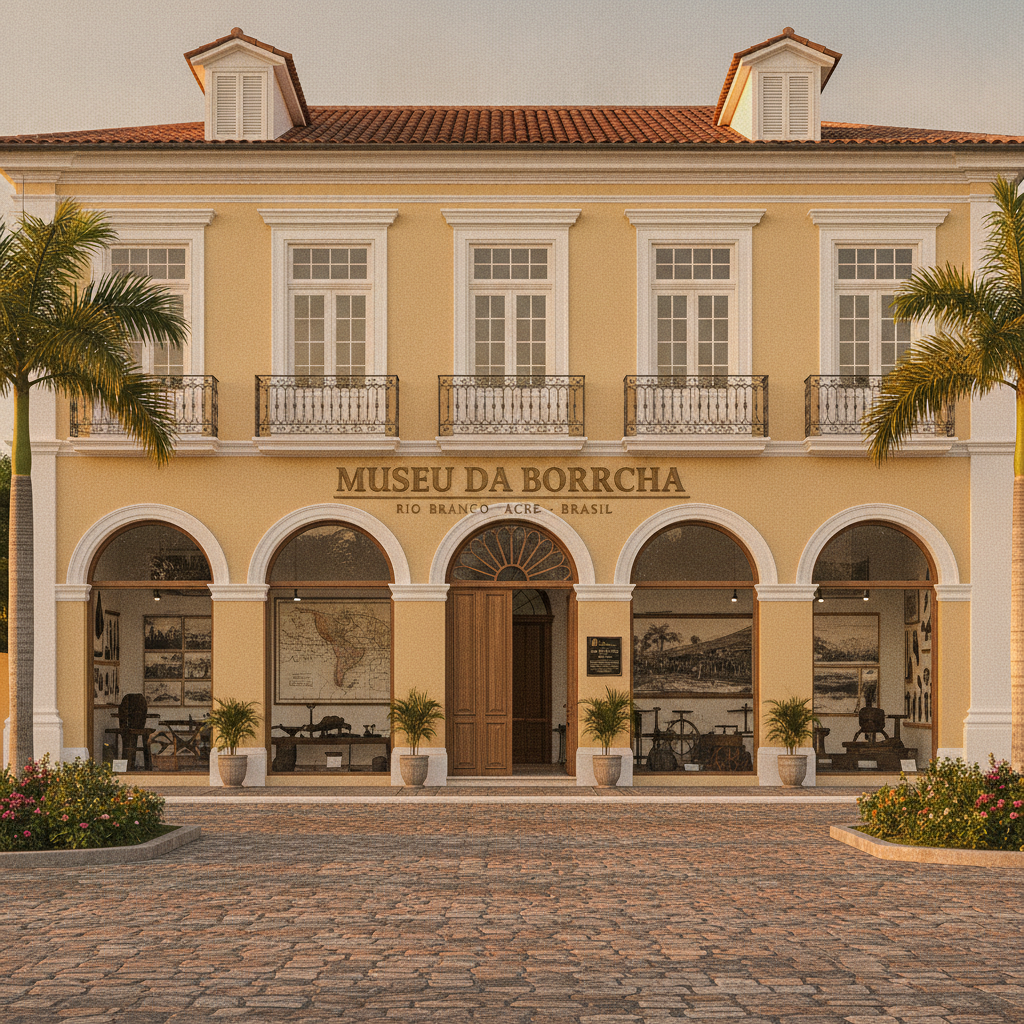
Rio Branco's Cultural Scene: Museums, Identity & Forest Art

Acre's Amazon: Brazil's Most Intact Western Forest
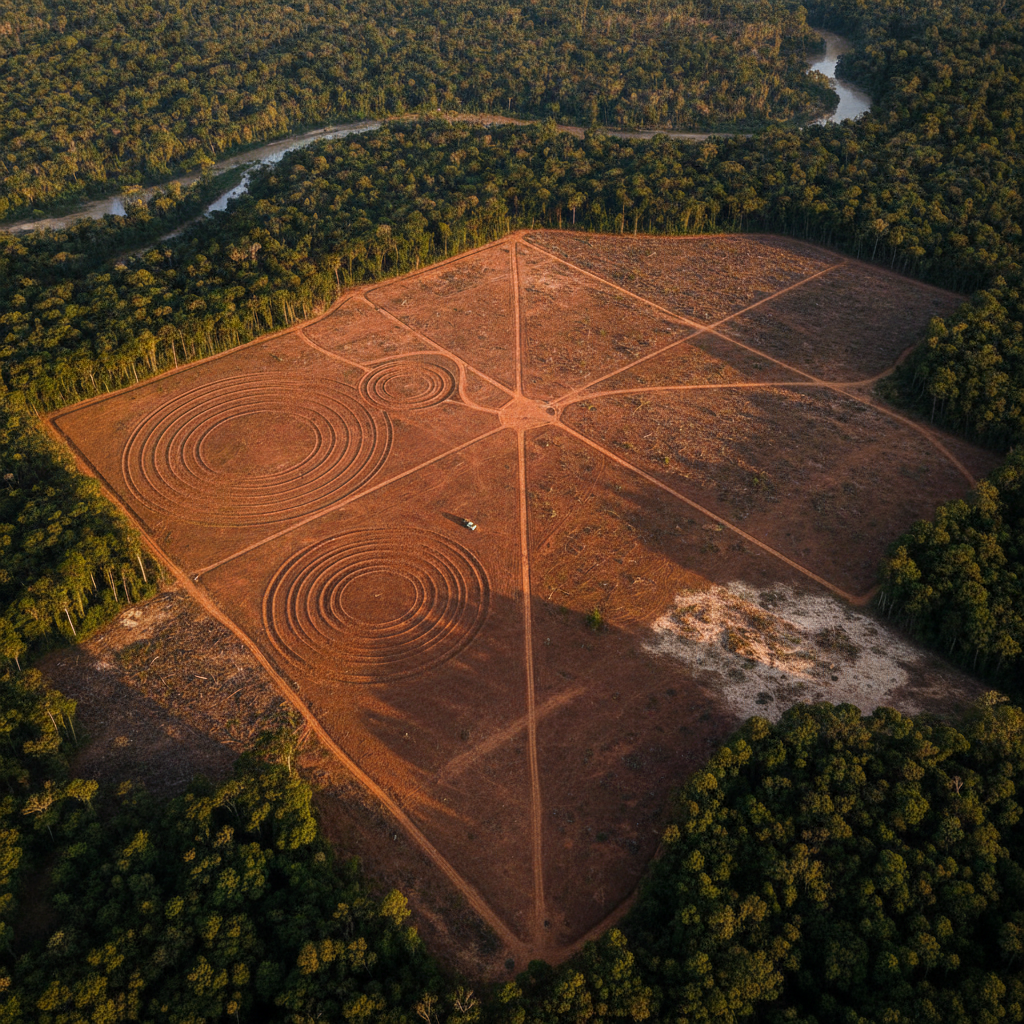
Amazon Geoglyphs: Pre-Columbian Cities Hidden in Acre's Forest
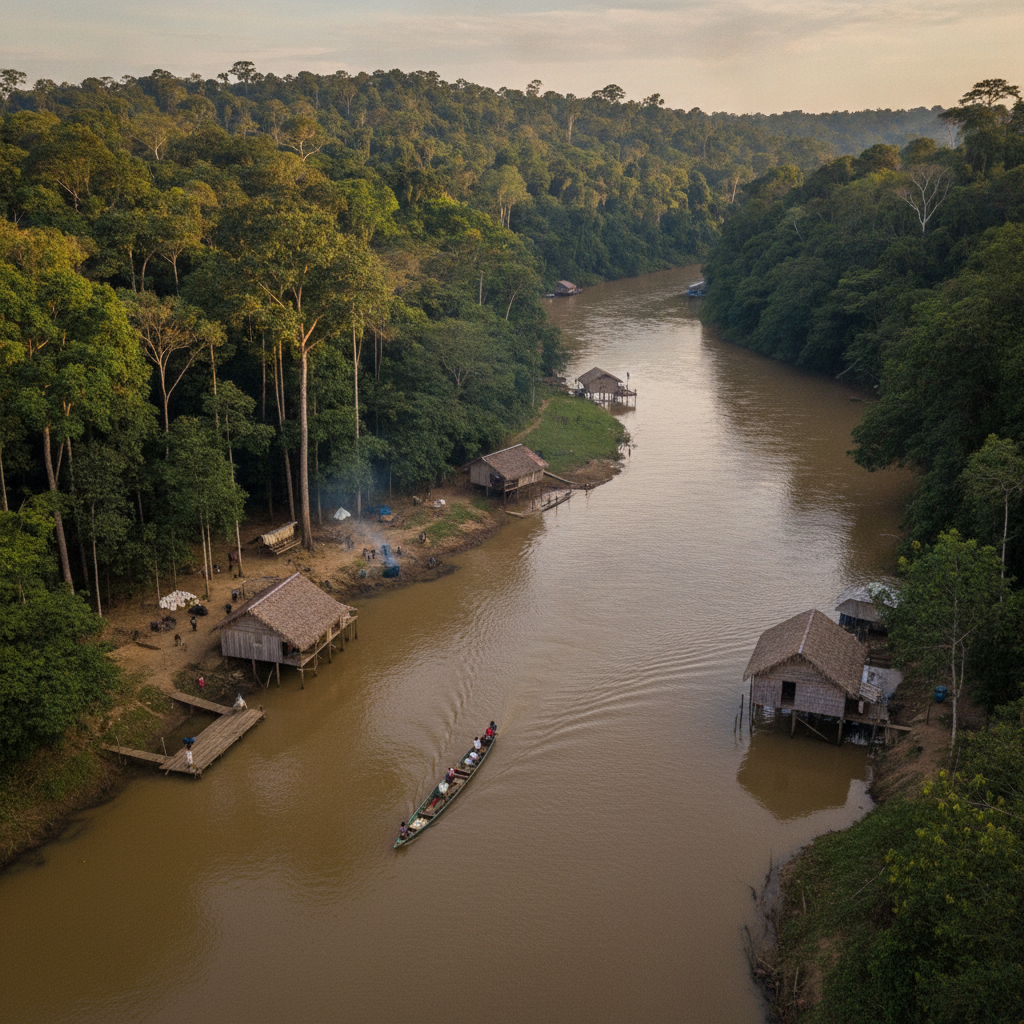
Juruá River: Acre's Remote Amazon Heartland