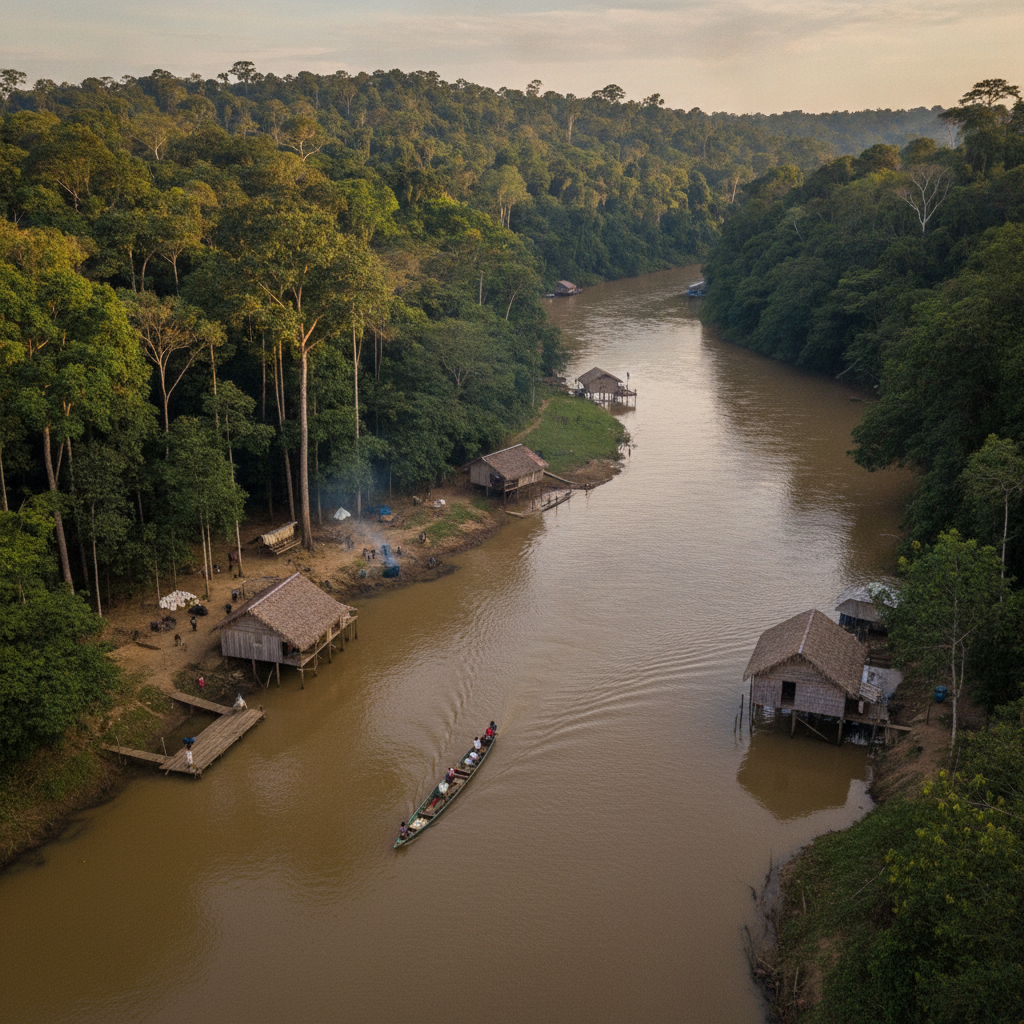
Juruá River: Acre's Remote Amazon Heartland
The Juruá River in western Acre — accessible only by small plane or long river journey — is one of the Amazon's most isolated regions; rubber tapper communities, indigenous peoples, and intact forest define the deep interior
- 1
River Journey to Marechal Thaumaturgo
The river trip from Cruzeiro do Sul to Marechal Thaumaturgo takes several days on Juruá — the forest on both banks is intact, the communities are remote and the river wildlife is extraordinary
- 2
Cruzeiro do Sul: Juruá Gateway
The Acre city of Cruzeiro do Sul - reached by daily flights from Rio Branco - is the gateway to the Juruá River; the city is surrounded by intact forest and has its own distinct cuisine and culture
- 3
Juruá Biodiversity
The Juruá River basin is among the Amazon's most biodiverse — the flooded forests, oxbow lakes (igapós) and the intact gallery forest support species rarely seen elsewhere; river dolphins are abundant
- 4
Rubber Tapper Communities
The remaining rubber tapping communities in the Juruá Valley sustain the forest economy - Brazil nut, copaiba oil and rubber still provide income along with government programs; the communities oppose logging and cultivation
- 5
Voluntary isolation in Acre
The extreme western border region of Acre-Peru has several groups of indigenous peoples in voluntary isolation — the most significant population of uncontacted peoples in South America; their territory is legally protected and entry is prohibited
- 6
Acre River System
The Acre River that flows through the Rio Branco is the state's central waterway – riverside life, community waterways and the seasonal floods that shape the cities and countryside of Acre are all centered around this Amazonian tributary
Walk this route with audio
Stories play automatically as you reach each stop — no tapping needed.
More in Rio Branco
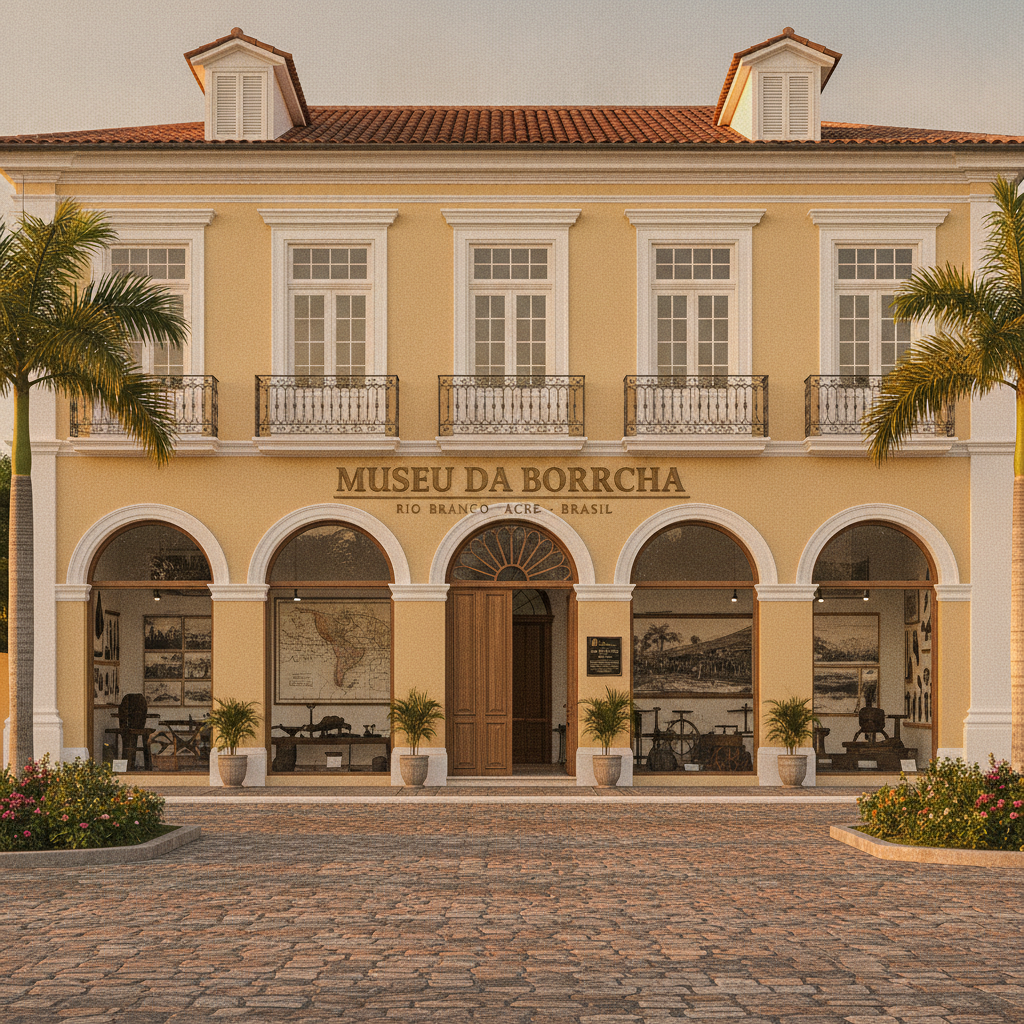
Rio Branco's Cultural Scene: Museums, Identity & Forest Art

Acre's Amazon: Brazil's Most Intact Western Forest
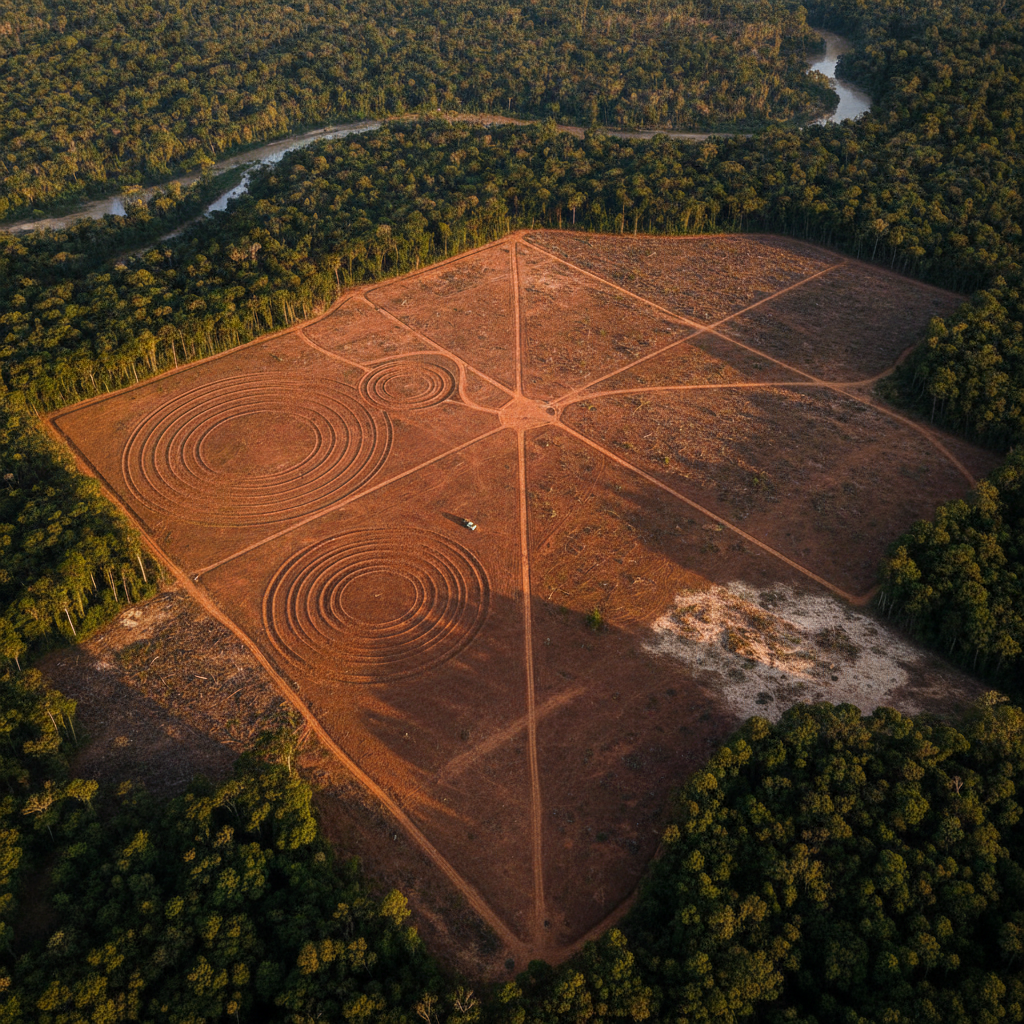
Amazon Geoglyphs: Pre-Columbian Cities Hidden in Acre's Forest
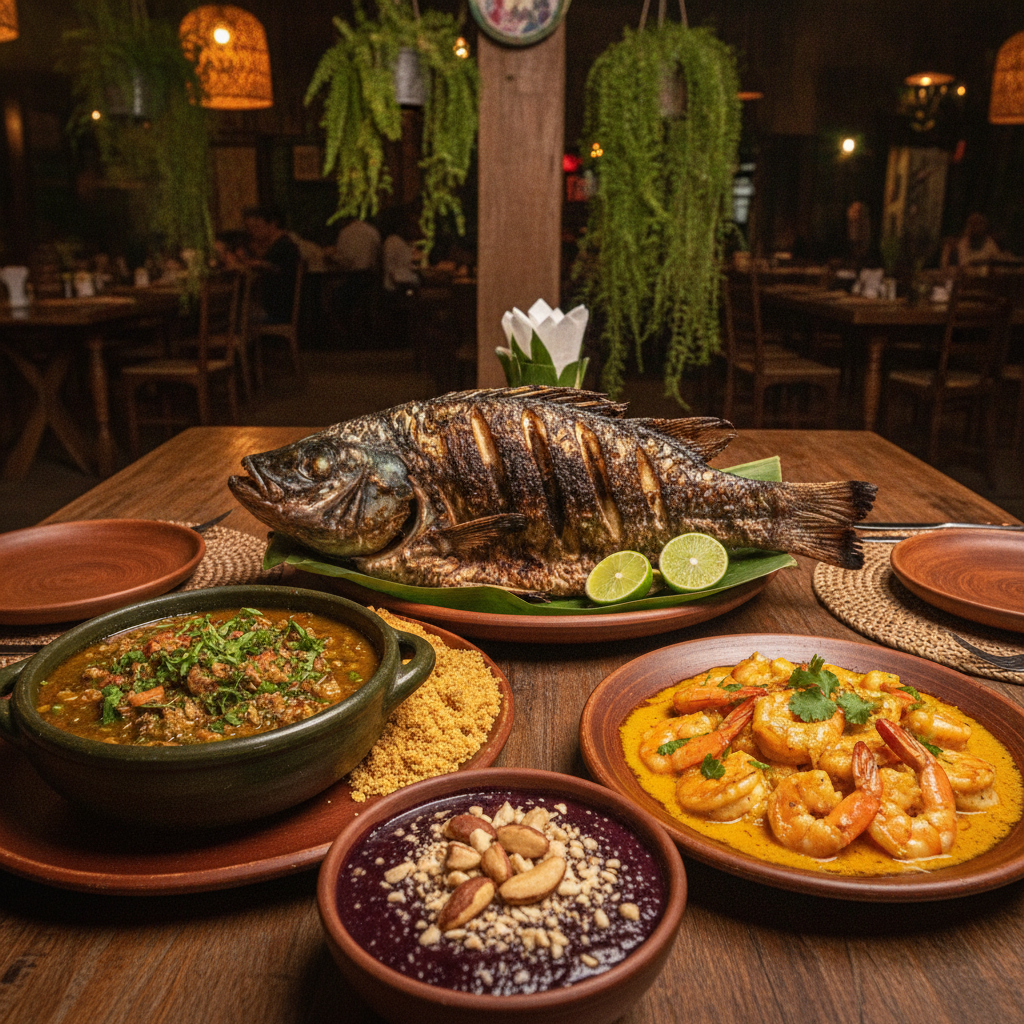
Acre's Amazon Table: Forest Foods & Rubber Tapper Cuisine
