
Petra Geology: The Rose-Red Sandstone Colors, the Nabataean Water Engineering, the Desert Ecology, and the Natural Environment
The Petra geology route covers the rose-red sandstone as the most dramatically colored single ancient building material in the world, the Nabataean water engineering as the most sophisticated single ancient desert water management, the desert ecology, and the Petra natural environment.
- 1
Rose-Red Sandstone: The Petra Color Signature
The Petra sandstone (the Cambrian Nubian Sandstone formation, 500 million years old, the most dramatically colored single ancient building material in the world) owes the rose-red, yellow, purple, white, and orange color bands to the varying iron oxide concentrations and the mineral impurities in the most geologically diverse single sandstone formation in the Middle East. The phrase rose-red city half as old as time from the 1845 John William Burgon sonnet is the most frequently quoted single description of any ancient city.
- 2
Nabataean Water Engineering: The Desert Hydrology
The Nabataean water engineering system in Petra (the most sophisticated single ancient desert water management in the Middle East with the 200+ cisterns, the 12+ dams, the ceramic pipe distribution network, and the 6 springs managed to supply the most densely inhabited single ancient desert city of approximately 30,000 people) is the most archaeologically impressive single ancient hydraulic engineering achievement in the Arabian peninsula and the system most directly responsible for the Nabataean Petra commercial success.
- 3
The Wadi Musa Flash Floods: The Geological Force
The Wadi Musa flash floods (the most destructive single natural force acting on the Petra archaeological site, generated by the most intense single rainfall events in the Shara Mountains that can fill the Siq to 3 meters depth in 20 minutes) have carved the Siq canyon, filled the Nabataean cisterns, and periodically killed Petra visitors (most tragically in 1963 when 23 French tourists drowned in the Siq). The modern flood diversion tunnel built in 1963 is the most practically essential single Petra archaeological site protection measure.
- 4
Desert Ecology: The Petra Flora and Fauna
The Petra Archaeological Park desert ecology supports the most diverse single Jordanian desert flora with the Sinai rosebay (Nerium oleander, the most spectacularly flowering single Petra canyon plant in summer), the Palestine iris (Iris palaestina, the most dramatically blue single winter Petra wildflower), and the Acacia tortilis (the most drought-tolerant single Petra tree). The rock hyrax (the most surprisingly abundant single Petra mammal, the small rodent-like animal occupying the rock crevices of all the major Petra cliffs) and the Sinai agama lizard are the most easily observed single Petra wildlife.
- 5
Petra from the Air: The Aerial Archaeology
The aerial photography of Petra (available via the drone tours authorized by the Jordan Tourism Board) reveals the most completely visible single ancient urban plan in the Middle East with the 800+ rock-cut monuments, the Nabataean street network, the ancient dam systems, and the quarry sites visible in the most comprehensively documented single ancient city from above. The aerial view of the Petra basin most completely conveys the Nabataean engineering ambition.
- 6
The Petra Earthquake of 363 AD: The City Collapse
The catastrophic earthquake of May 18, 363 AD (the most geologically destructive single event in the Petra history, estimated at magnitude 7.4, the most powerful single ancient earthquake documented in the Levant) destroyed half of Petra in the most concentrated single moment of ancient city damage in the Middle East and began the most precipitous single ancient Mediterranean city decline from the most commercially active to the most completely abandoned Roman provincial capital.
Walk this route with audio
Stories play automatically as you reach each stop — no tapping needed.
More in Petra
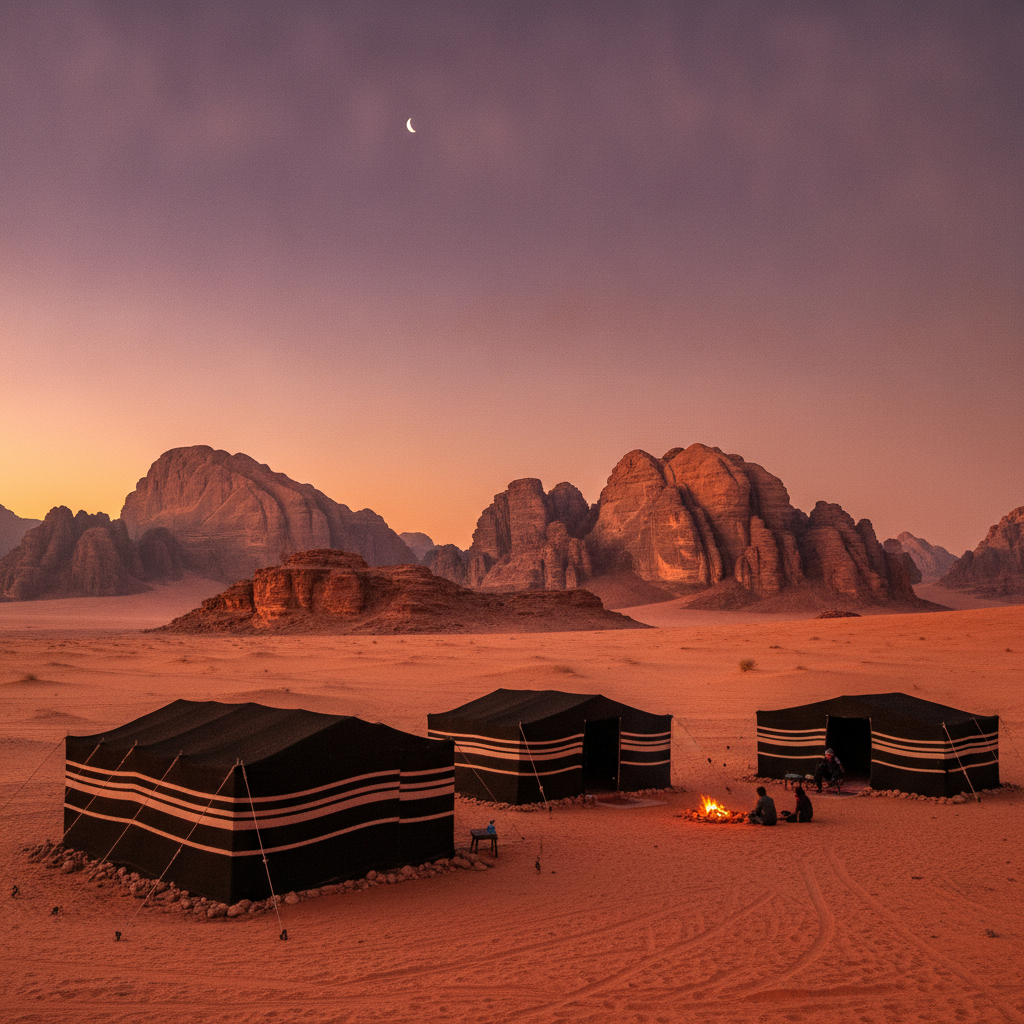
Petra Day Trips: Little Petra Free, Wadi Rum's Martian Landscape & Dana Canyon Trek
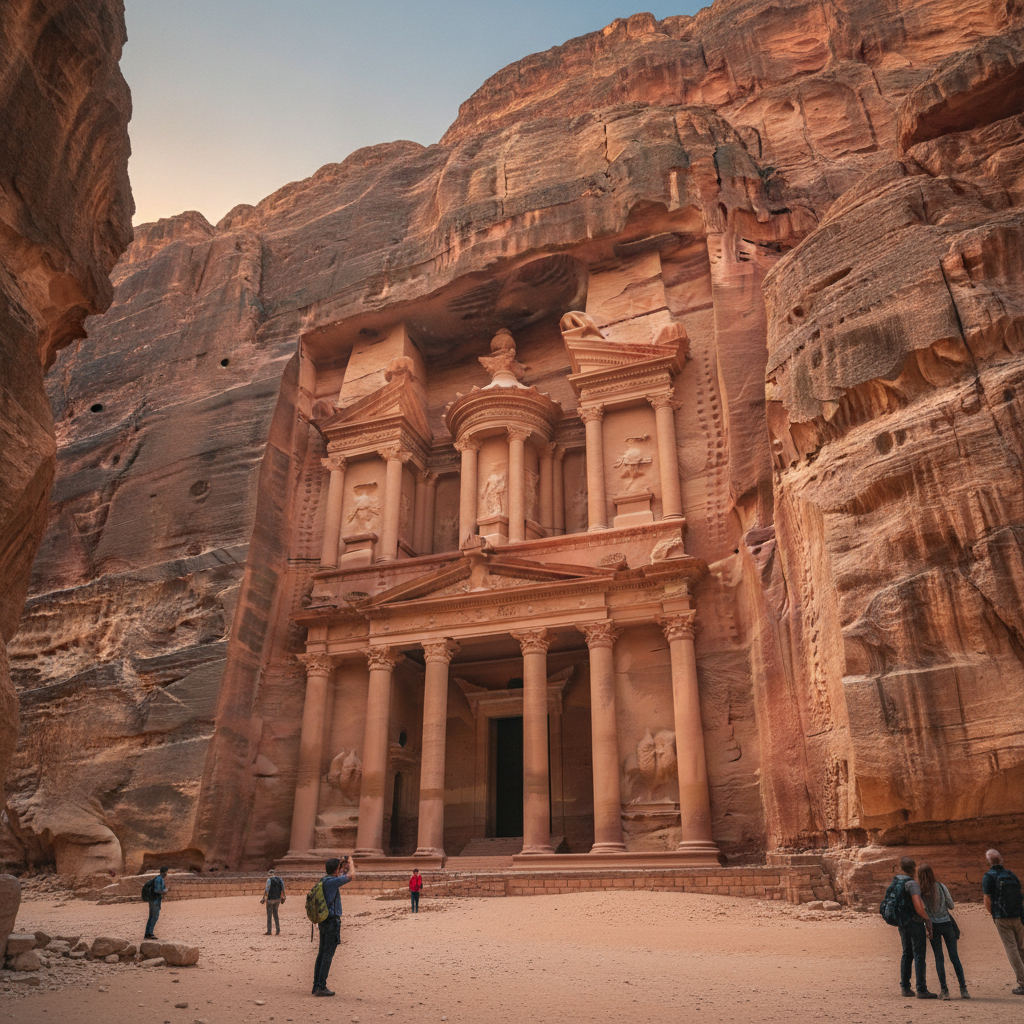
Petra Essential: The Siq Canyon, the Treasury Al-Khazneh, the Street of Facades, the High Place of Sacrifice, the Monastery Ad-Deir, and the Nabataean Capital
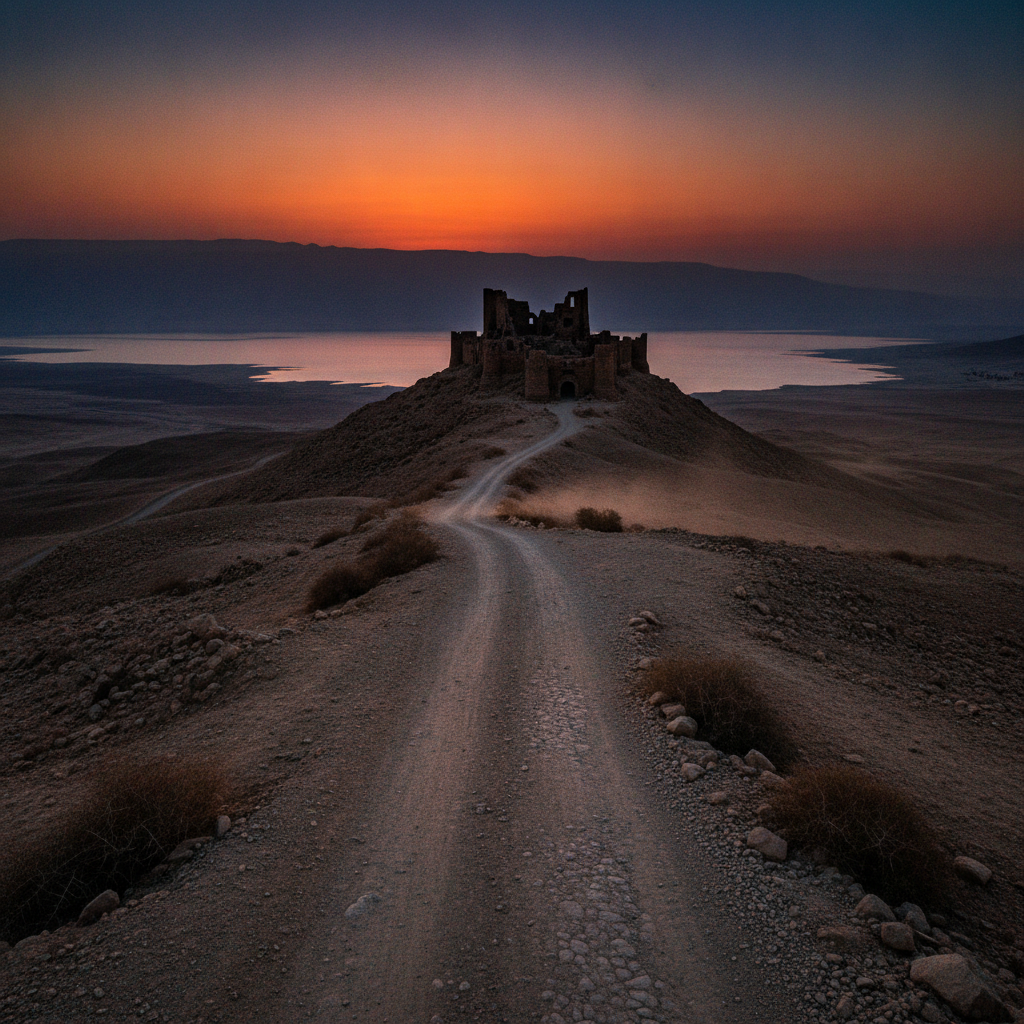
Petra's Jordan: The King's Highway, Byzantine Mosaics & the Grand Canyon of Wadi Mujib
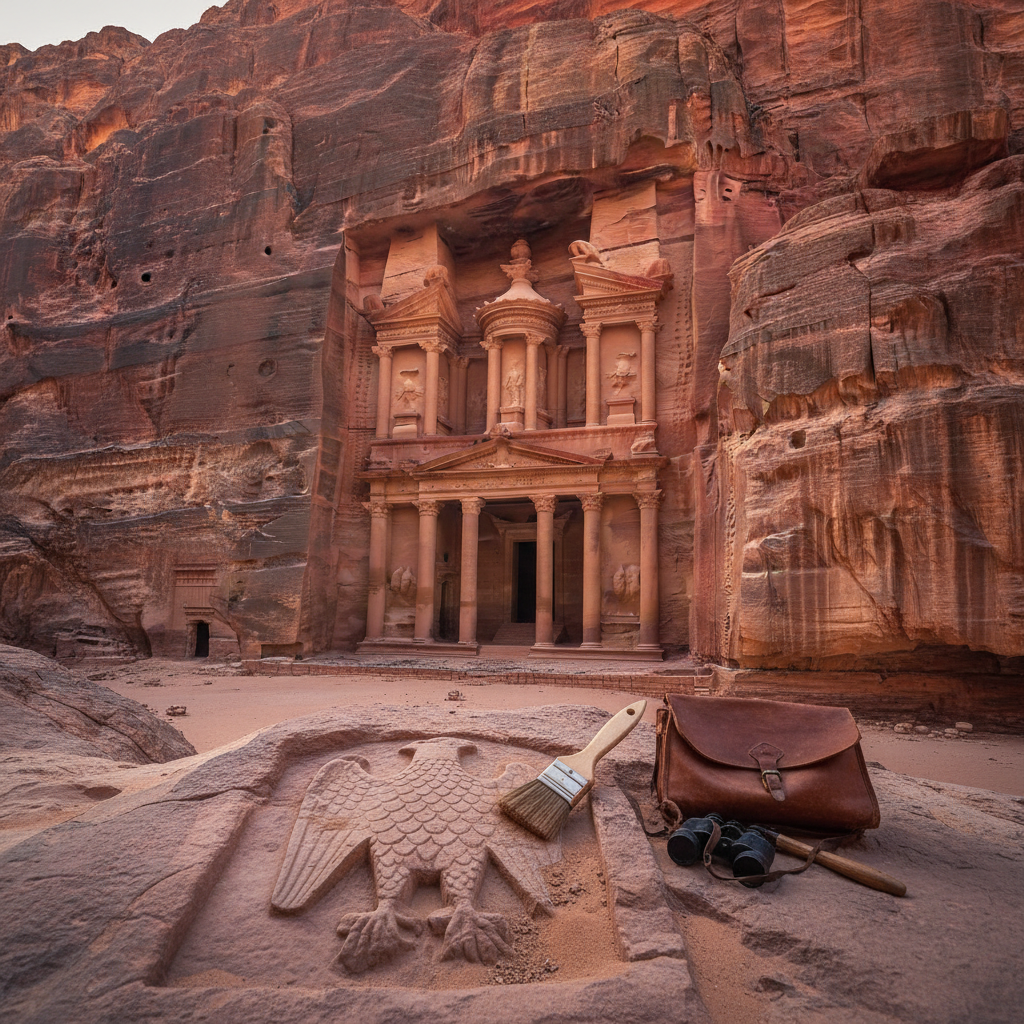
Petra Deep Dive: Only 15% Excavated, the Nabataean Water System & Indiana Jones
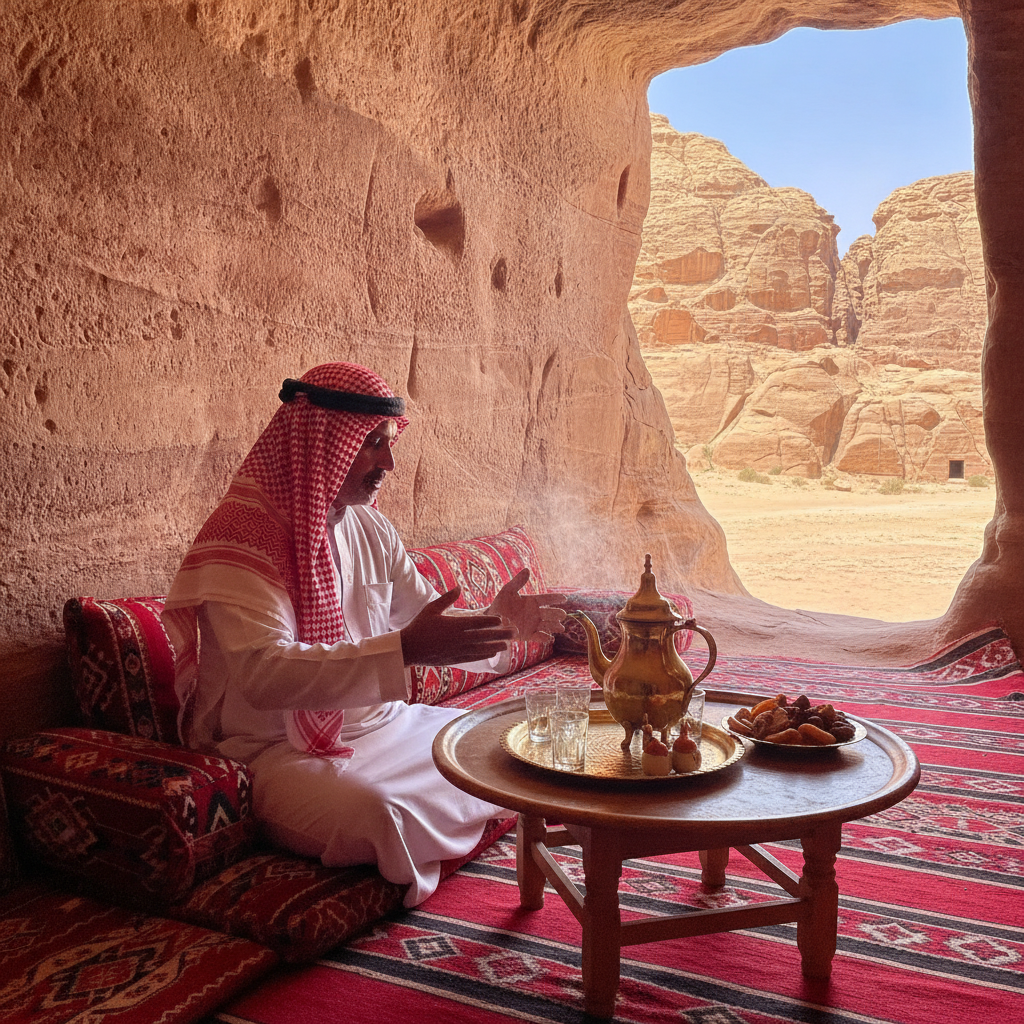
Petra Bedouin: The Bdul Tribe, the Cave Dwelling Heritage, the Desert Hospitality Tradition, and the Bedouin Cultural Identity
