Patan Newari Food & Local Culture Walk
Taste Patan's Newari culture — the food of the Newar community is the most complex and distinctive single culinary tradition accessible in Nepal, the buffalo meat preparations, the fermented foods, the bara lentil pancakes, and the local aila spirit creating the most ethnically-specific single food experience accessible in the Kathmandu valley.
- 1
Newari Breakfast Stalls
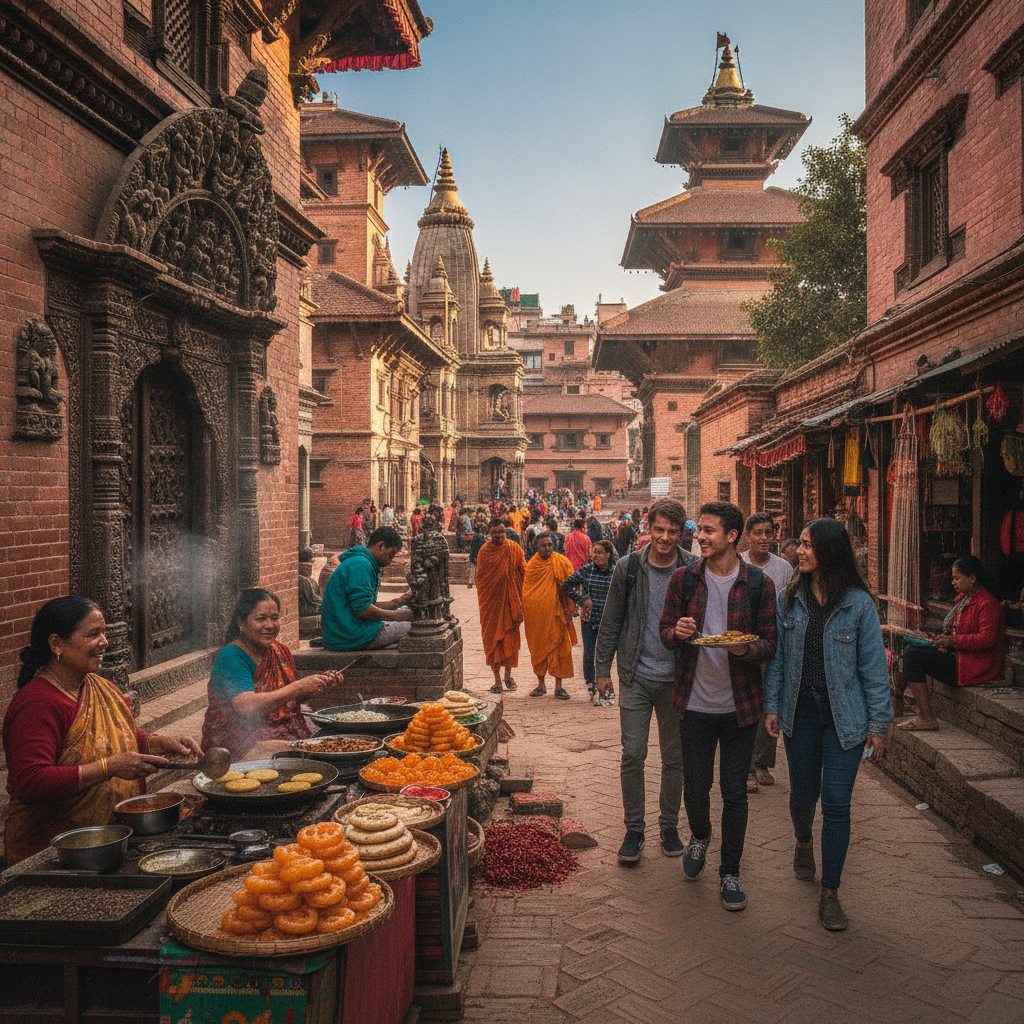
The Newari breakfast stalls in the Patan morning market (the most early-morning-active single food encounter accessible in the Patan heritage area — the bara lentil pancakes, the juju dhau yoghurt, and the various fried snack preparations that are the most distinctively Newari single morning food accessible in Nepal, visible in the food stalls around the Durbar Square and the adjacent lanes from 6am) are the most directly Newari-gastronomically informative single morning food encounter accessible in the Kathmandu valley — the bara's specific character (the ground black lentil batter poured onto the griddle and the egg cracked on top, the most protein-rich single traditional morning food accessible in the Newari cuisine, served with the spiced pickle that is the most flavour-intensely condiment-paired single food item accessible in the Patan morning market) and the juju dhau's Bhaktapur origins (the thick, sweetened buffalo milk yoghurt that is available in Patan but produced most famously in Bhaktapur, the most regionally-specifically sourced single traditional dairy product accessible in the valley food culture) create the most completely Newari-morning-food-experiencing single encounter available in Patan.
- 2
Patan Bazaar Food Lane
The Patan Bazaar food lane (the market street running north from the Durbar Square where the most concentrated single collection of Newari food shops, spice vendors, and prepared food stalls accessible in Patan is visible, the most organically food-market-active single street accessible in the city outside the main market day) is the most directly daily-food-culture-observing single walk accessible in the Patan heritage area — the lane's specific food culture (the dried fish vendors, the fresh vegetable market with the distinctive highland and lowland produce varieties, the butcher stalls with the buffalo meat that is the most important single protein in the Newari food tradition, and the spice grinders whose stone mills produce the fresh masala that is the most aromatic single food preparation visible in the lane) and the lane's community character (the women shoppers in the traditional patasi dress, the older Newari men at the tea stalls, and the schoolchildren buying their morning snacks creating the most completely daily-life-active single market street accessible in Patan) create the most directly food-market-culturally-immersive single walk available in the city.
- 3
Newari Feast Bhoj House
The traditional Newari bhoj restaurant in central Patan (one of the guesthouses or restaurants serving the traditional Newari feast — the most elaborate single traditional meal accessible in Nepal, the bhoj involving 20+ separate dishes served in the traditional beaten-metal plates with the most culturally specific single dining protocol accessible in the Newari food tradition) is the most completely Newari-gastronomically educating single restaurant encounter accessible in the Kathmandu valley — the bhoj's specific dishes (the samaybaji — the beaten rice, the roasted soybeans, the dried fish, and the various buffalo preparations that are the most symbolically important single set of foods in the Newari ritual feast — alongside the spiced buffalo blood sausage, the marinated buffalo intestine, and the various vegetable preparations creating the most complex single ethnic meal accessible in Nepal) and the bhoj's serving tradition (the dishes arriving in a specific sequence at the most traditionally managed single dining pace accessible in Nepal, the local aila spirit served between courses in the most culturally specific single dining ritual accessible in the Kathmandu valley) create the most completely Newari-food-traditionally-experiencing single meal available in Patan.
- 4
Local Aila Distillery
The local aila experience in Patan (the traditional home-distilled millet or rice spirit of the Newar community — the most culturally central single alcoholic beverage of the Newari tradition, produced in household distilleries in the Patan lanes and served at the traditional brass vessel shops and the bhoj restaurants that maintain the most directly traditional single spirit-serving culture accessible in Nepal) is the most directly ethnic-beverage-culturally-specific single food encounter accessible in Patan — the aila's specific character (the clear, grain-distilled spirit with the warm mellow quality that distinguishes the traditional Newari aila from the commercial raksi accessible elsewhere in Nepal, served in the small traditional brass cup at the most convivially social single drinking establishment accessible in the city) and the aila's cultural significance (the beverage that marks every significant social occasion in the Newari community — the wedding, the naming ceremony, the harvest festival, and the street feast — making it the most socially central single food item accessible in the Patan community culture) create the most directly traditional-food-culturally-immersive single beverage encounter available in the Kathmandu valley.
- 5
Indra Chowk Market
The Indra Chowk market in northern Patan (the traditional textile market square where the Newar cloth merchants display the most colourful single collection of traditional fabric accessible in the Kathmandu valley — the dhaka fabric, the Bhaktapur silk, and the various traditionally-woven textile types that are the most directly artisanal single fabric market accessible near the Patan heritage area) is the most visually spectacular single traditional market accessible in the city's commercial heritage — the market square's character (the stacked bolts of fabric in the traditional patterns visible on both sides of the lane approach to the square, the merchants' skilled display of their wares creating the most colour-saturated single market visual accessible in Nepal, and the textile craftswomen's presence with the handlooms visible in the upper rooms of the buildings surrounding the market) and the market's specific product range (the traditional dhaka weave in the geometric patterns that are the most immediately Nepal-textile-identifying single fabric design accessible in the valley, the handwoven pashmina, and the various synthetic fabric that has entered the market alongside the traditional textiles) create the most completely textile-market-experiencing single encounter accessible near the Patan heritage circuit.
- 6
Evening Newari Quarter
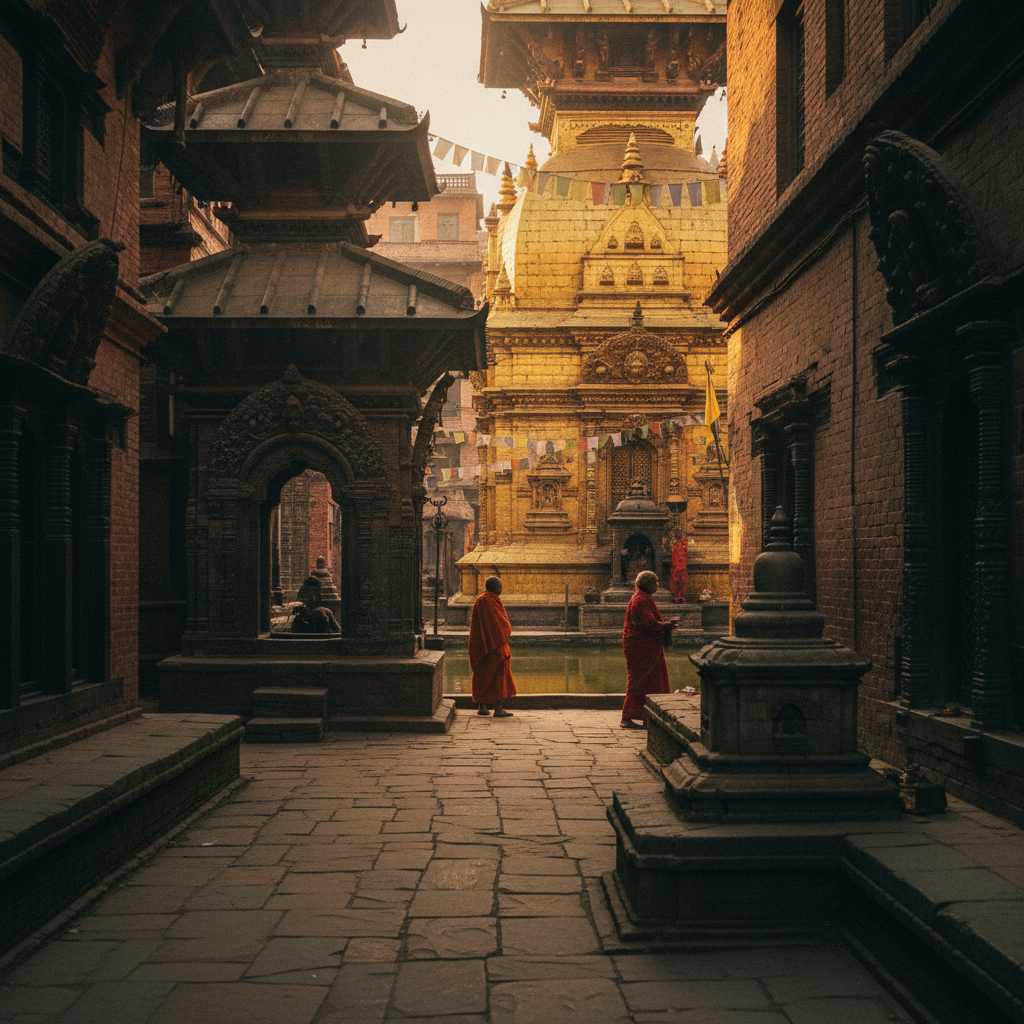
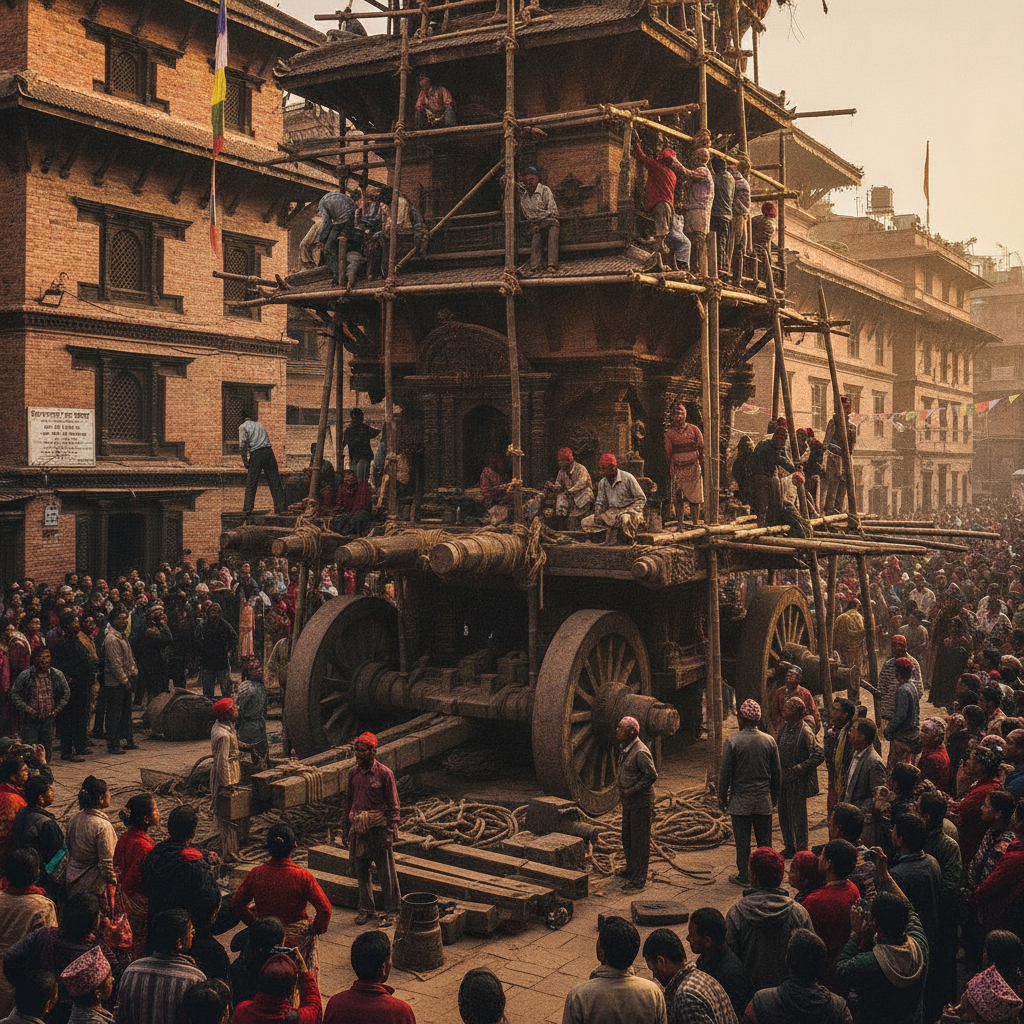
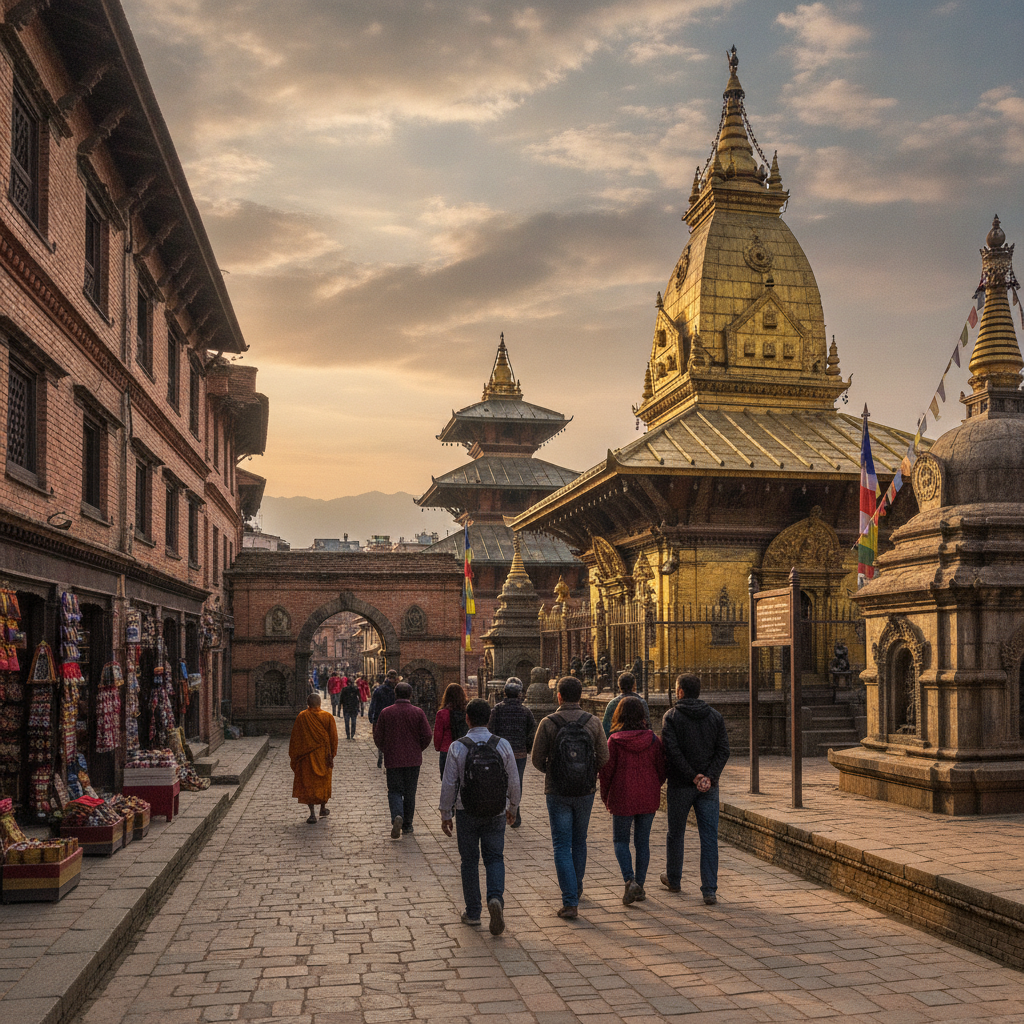
The evening in the Newari quarter of Patan (the late afternoon walk through the lanes of the residential old city as the community begins the evening activities — the temple bells audible at multiple shrines, the women carrying the puja offering plates to the neighbourhood temples, and the evening food preparation beginning in the ground floor kitchens of the traditional Newari houses visible through the open doorways) is the most atmospherically traditional single evening encounter accessible in the Kathmandu valley — the evening's specific activities visible in the Newari quarter (the neighbourhood jatra — the carrying of the neighbourhood deity image through the lane on the auspicious calendar days, the most directly religiously animated single evening community event accessible in Patan's daily life) and the quarter's architectural character in the evening light (the brick lane and the traditional houses lit by the first household lights, the carved wooden windows creating the most atmospheric single traditional building facade visible in Nepal's heritage city at dusk) complete the most completely Newari-urban-life-experiencing single evening available in the Kathmandu valley's three medieval cities.
Walk this route with audio
Stories play automatically as you reach each stop — no tapping needed.