Patan Metalwork & Traditional Crafts Walk
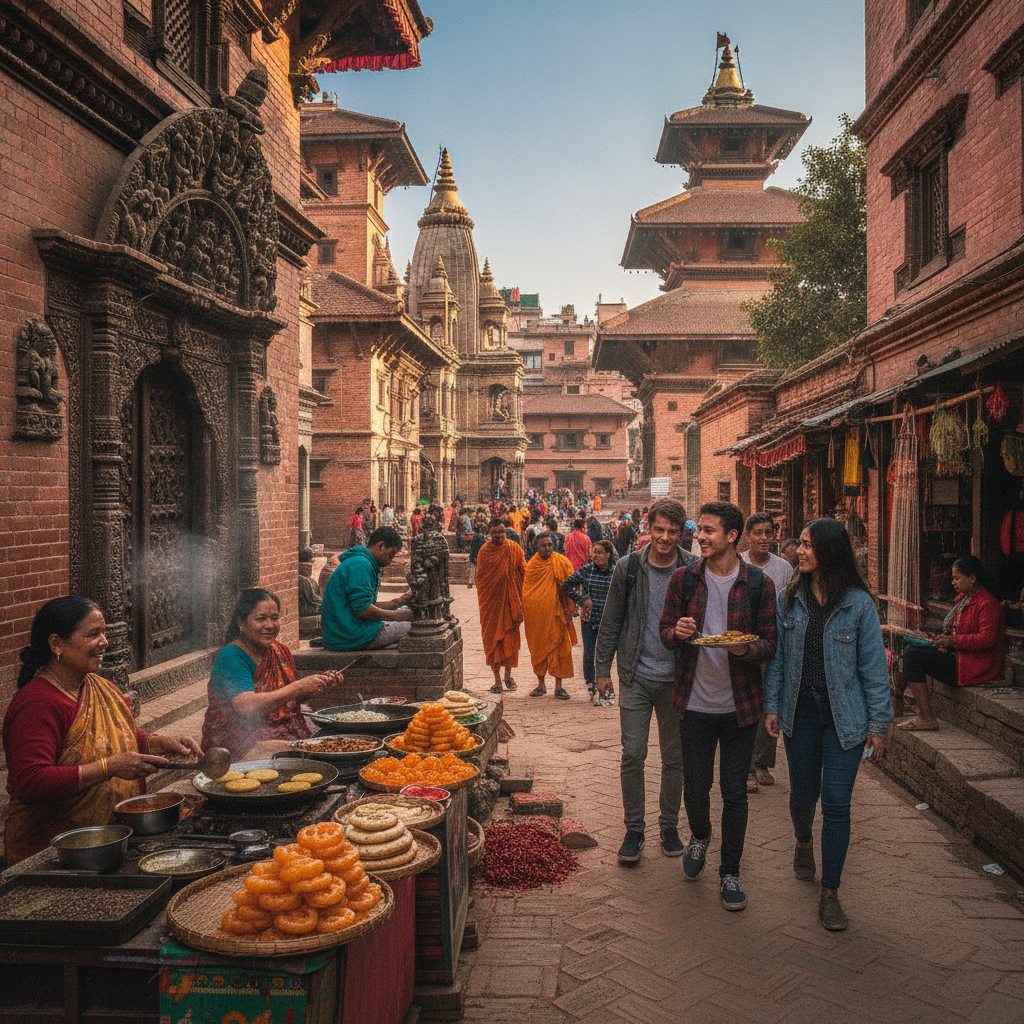
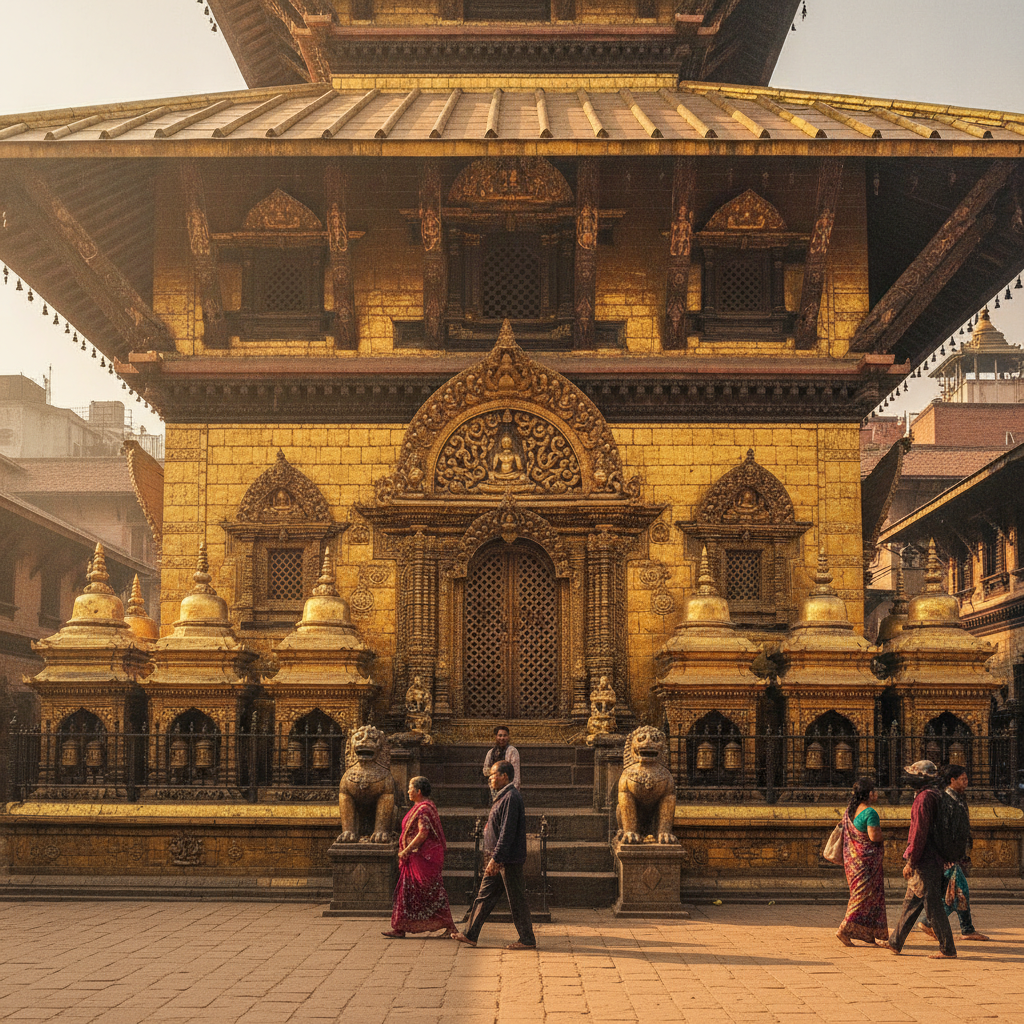
Watch Patan's artisans at work — Patan is the most completely craft-active single city accessible in Nepal, the lost-wax bronze casting, the repoussé metalwork, the Newari woodcarving, and the thanka painting all practiced in the open-fronted workshops of the old city, creating the most directly craft-production-observing single walk accessible in the Kathmandu valley.
- 1
Bronze Casting Workshop
The lost-wax bronze casting workshops in Patan's artisan quarter (the most traditionally practiced single metalwork technique accessible in Nepal, the Patan craftsmen producing the Buddhist and Hindu religious icons using the same cire-perdue technique that has been maintained in the city for more than a thousand years) are the most directly traditional-craft-encountering single workshop visit accessible in the Kathmandu valley — the casting process visible to the workshop visitor (the wax model preparation, the clay mold construction around the wax original, the bronze pouring, and the finishing and gilding that transform the raw cast into the completed religious icon) and the workshops' specific location (the Mahabouddha area and the lanes around the Golden Temple where the highest concentration of traditional casting workshops accessible in Nepal is maintained, the sound of the hammering and the smell of the hot metal creating the most sensorially distinctive single craft quarter accessible in Nepal) create the most directly traditional-craft-process-observing single encounter available in Nepal's artistic heritage.
- 2
Repoussé Copper Craft
The repoussé copper and gilded brass craft workshops in Patan (the technique of hammering the metal from the reverse to create the raised relief decoration visible on the temple roofs, the shrine decorations, and the ritual vessels throughout the Kathmandu valley — the most ubiquitous single craft product accessible in the Newar religious material culture) are the most directly heritage-building-material-production-observing single workshops accessible in Patan — the repoussé process (the craftsman working from a sketch on the back of the flat copper sheet, the hammer and the various punches creating the most precisely controlled single metalwork technique accessible in the Nepal craft tradition, the finished piece showing the exact same technique used to create the gilded toranas visible on every significant temple in the valley) and the products' destination (the workshop's commission book demonstrating the direct connection between the craft studio and the temple restoration projects that are the most actively traditional-craft-consuming single heritage activity accessible in Nepal) create the most completely heritage-connected single craft workshop encounter available in the Kathmandu valley.
- 3
Newari Woodcarving Studio
The Newari woodcarving studios in Patan's old city (the most skilled single traditional woodcarving accessible in Nepal maintained by the Patan craftsmen who produce the window frames, the carved door surrounds, and the peacock windows that are the most immediately recognisable single craft product accessible in the Newari architectural tradition) are the most directly architectural-heritage-craft-producing single workshops accessible in the Kathmandu valley — the carving process visible in the studios (the selection of the seasoned sal wood, the initial design transfer using the traditional geometric pattern vocabulary that is the most directly geometry-based single craft design system accessible in Nepal, and the progressive detailing from the broad chisel cuts to the most delicate single leaf and petal forms accessible in the finished Newari window) and the products' specific designs (the traditional patterns — the Peacock Window design most famously accessible at Bhaktapur and reproduced in Patan's studios, the lotus rosette, and the lattice pattern that are the most frequently commissioned single traditional woodcarving designs accessible in the Newar craft market) create the most directly traditional-pattern-preserving single craft encounter accessible in Patan.
- 4
Thanka Painting Workshop
The thanka painting workshops in the Patan Buddhist heritage quarter (the traditional Buddhist scroll paintings produced by the hereditary Chitrakars — the painter caste of the Newar community whose lineage-transmitted painting knowledge is the most directly traditional-skill-preserving single artistic profession accessible in Nepal) are the most devotionally-motivated single art production accessible in the Kathmandu valley — the thanka production process (the preparation of the cotton canvas with the chalk and the glue ground, the grid transfer of the traditional iconographic composition, and the application of the stone-mineral pigments in the sequence that builds from the darkest shadows to the brightest highlights and the gold details last) and the finished thanka's iconographic content (the Mandala, the life of the Buddha, and the various deity images that are the most commonly commissioned single thanka subjects accessible in the Patan workshop, each requiring the exact geometric precision in the composition that the grid preparation allows) create the most completely traditional-spiritual-art-process-experiencing single workshop visit accessible in Nepal's Buddhist artistic heritage.
- 5
Pottery Quarter Bungamati
The Bungamati pottery quarter adjacent to Patan (the Newar village 4km south of Patan where the traditional wheel-thrown pottery production is the most completely maintained single ceramics craft accessible in the Kathmandu valley — the village square filled with the drying pots and the potters visible at their traditional kick wheels in the open-fronted workshops) is the most directly traditional-ceramics-production-observing single village visit accessible from the Patan craft circuit — the pottery production process (the preparation of the local red clay, the wheel throwing, the sun-drying, and the wood-firing in the traditional kiln that are all visible in the Bungamati village as the most completely traditional single ceramics production process accessible in Nepal) and the village's specific cultural significance (the Bungamati as the winter home of the Rato Machhindranath deity — the most important single protective deity of the Newar farming community — the village's religious and craft identity intertwined in the most completely traditional single community accessible near Patan) create the most completely traditional-village-craft-experiencing single excursion accessible from the Patan heritage visit.
- 6
Craft Market Shopping
The craft market shopping in Patan's Durbar Square area and the surrounding lanes (the most completely traditional-craft-product-accessible single shopping area in Nepal — the bronze Buddhas, the Tibetan and Newari thanka paintings, the hand-woven textiles, and the silver jewellery that are the most craft-diverse single tourist market accessible in the Kathmandu valley) is the most directly craft-economy-supporting single consumer encounter accessible in Nepal — the market's specific advantage over the Kathmandu tourist markets (the proximity of the Patan craft workshops to the market stalls meaning that many products available in the Patan market are produced within walking distance of the selling point, the most directly workshop-to-market single craft supply chain accessible in Nepal's traditional craft economy) and the market's quality range (from the mass-produced tourist souvenirs to the signed works of the master craftsmen whose names are known in the international collector community, the Patan craft market offering the most quality-stratified single craft shopping experience accessible in the Kathmandu valley) create the most comprehensively craft-market-surveying single shopping encounter available in Nepal.
Walk this route with audio
Stories play automatically as you reach each stop — no tapping needed.