Mary Regional Museum Turkmen History Collection
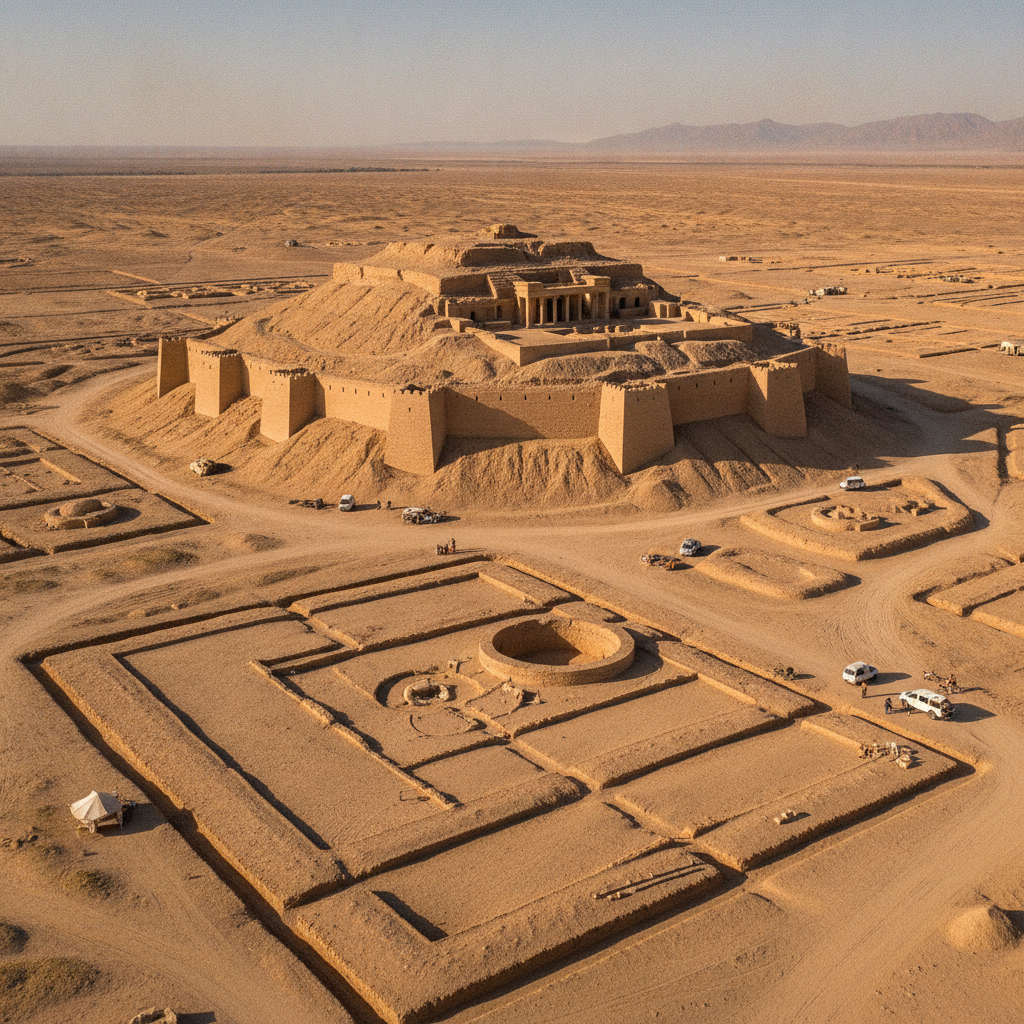
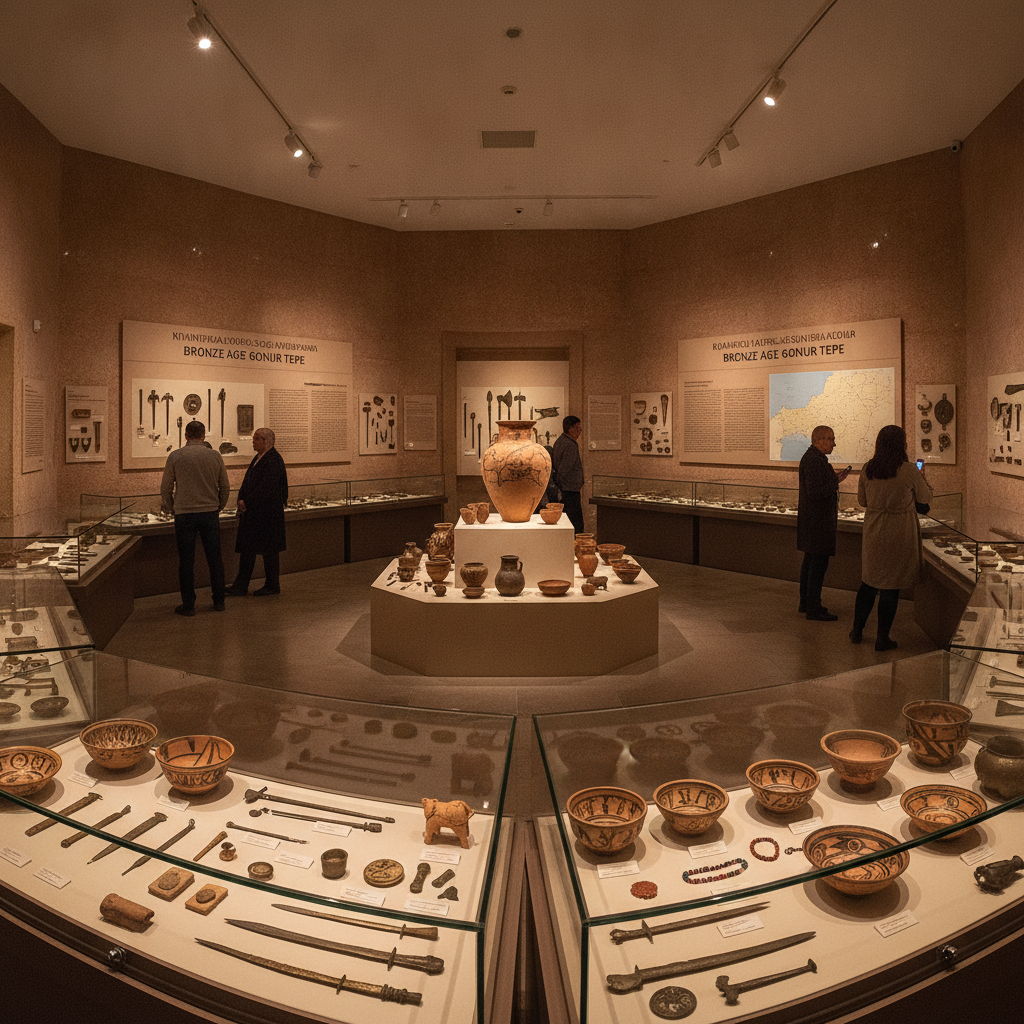
Visit the Mary Regional Museum — the museum housing the archaeological finds from the Ancient Merv sites and the broader Mary province, one of the most significant collections of Central Asian material culture spanning the Bronze Age Gonur Tepe civilization through the Silk Road period and the Turkmen tribal culture of the modern era.
- 1
Bronze Age Gonur Gallery
The Bronze Age Gonur Tepe gallery — the artifacts from the 3rd-2nd millennium BCE civilization discovered in the Murghab delta east of Mary, the pottery, bronze tools, and decorative objects showing a sophisticated urban culture that flourished in the Turkmen desert 4,000 years ago and then disappeared as the river changed course.
- 2
Silk Road Commercial Objects
The Silk Road commercial objects from Merv — the glass vessels, bronze weights, and ceramic storage jars showing the commercial infrastructure of one of the Silk Road's great entrepôts, the objects reflecting the trade connections that brought goods from China, India, and the Mediterranean world through the Merv oasis.
- 3
Seljuk Period Art Collection
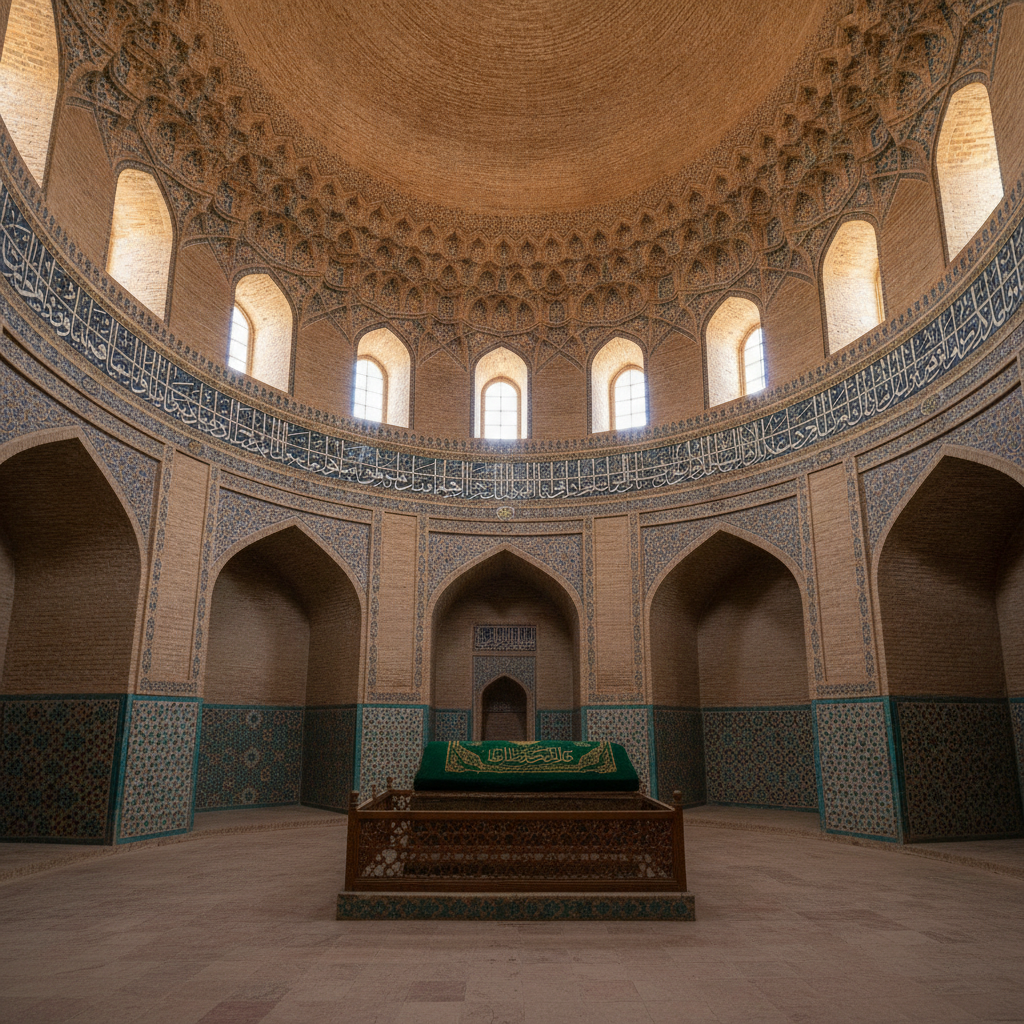
The Seljuk period art collection — the architectural tiles, glazed ceramics, and metalwork from the 11th-12th century peak of medieval Merv, the objects showing the artistic achievements of the Great Seljuk Empire whose capital at Merv produced innovations in architecture, ceramics, and decorative arts that influenced the entire Islamic world.
- 4
Ethnographic Textile Collection
The ethnographic textile collection of Mary province — the Tekke and Ersari tribal carpets, the embroidered women's dress, and the decorated household items showing the material culture of the Turkmen tribes who occupied the Merv oasis after the medieval city's decline, the textiles a living tradition connecting the contemporary region to its nomadic past.
- 5
Numismatic Collection Merv Coins
The numismatic collection of Merv coins — the coins minted at the Merv mint through the successive periods of Achaemenid, Seleucid, Parthian, Sasanian, Arab, Abbasid, Samanid, Seljuk, and Khwarazmian rule, the sequence of coins providing the most precise dating tool for the archaeological layers at the Merv site.
- 6
Natural History Desert Displays
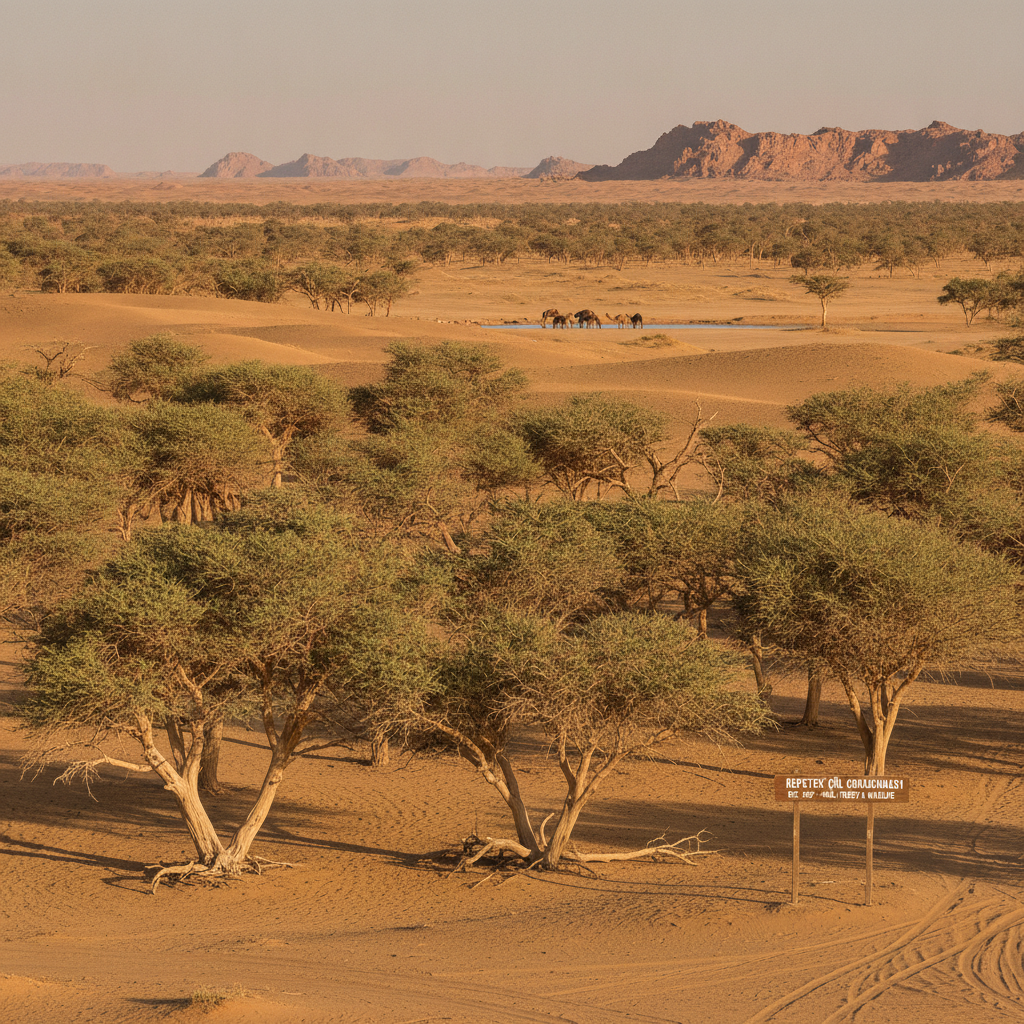
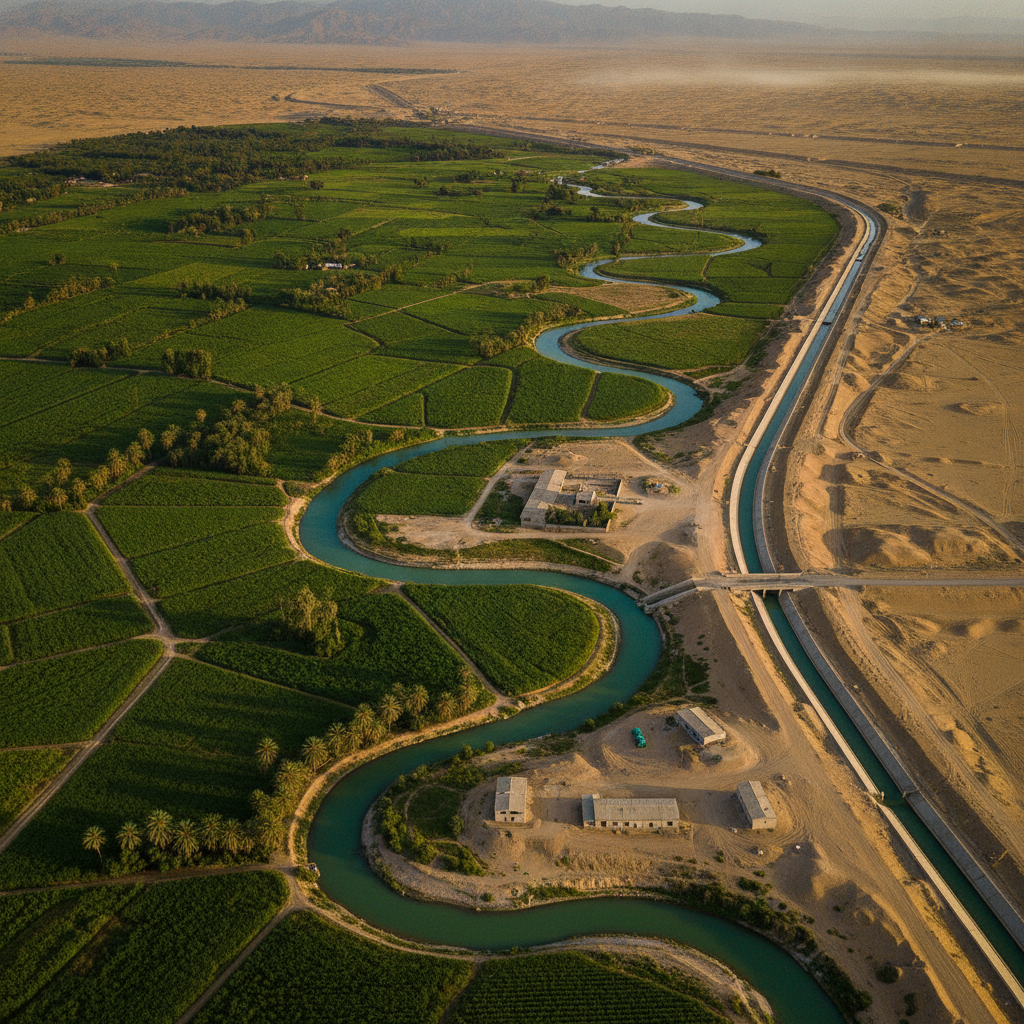
The natural history displays of the Karakum Desert ecosystem — the flora and fauna of Turkmenistan's dominant landscape, the exhibits explaining how the Murghab river oasis supports agricultural civilization in the middle of one of Asia's driest deserts, the geological and ecological context for the human history preserved in the museum's archaeological collections.
Walk this route with audio
Stories play automatically as you reach each stop — no tapping needed.