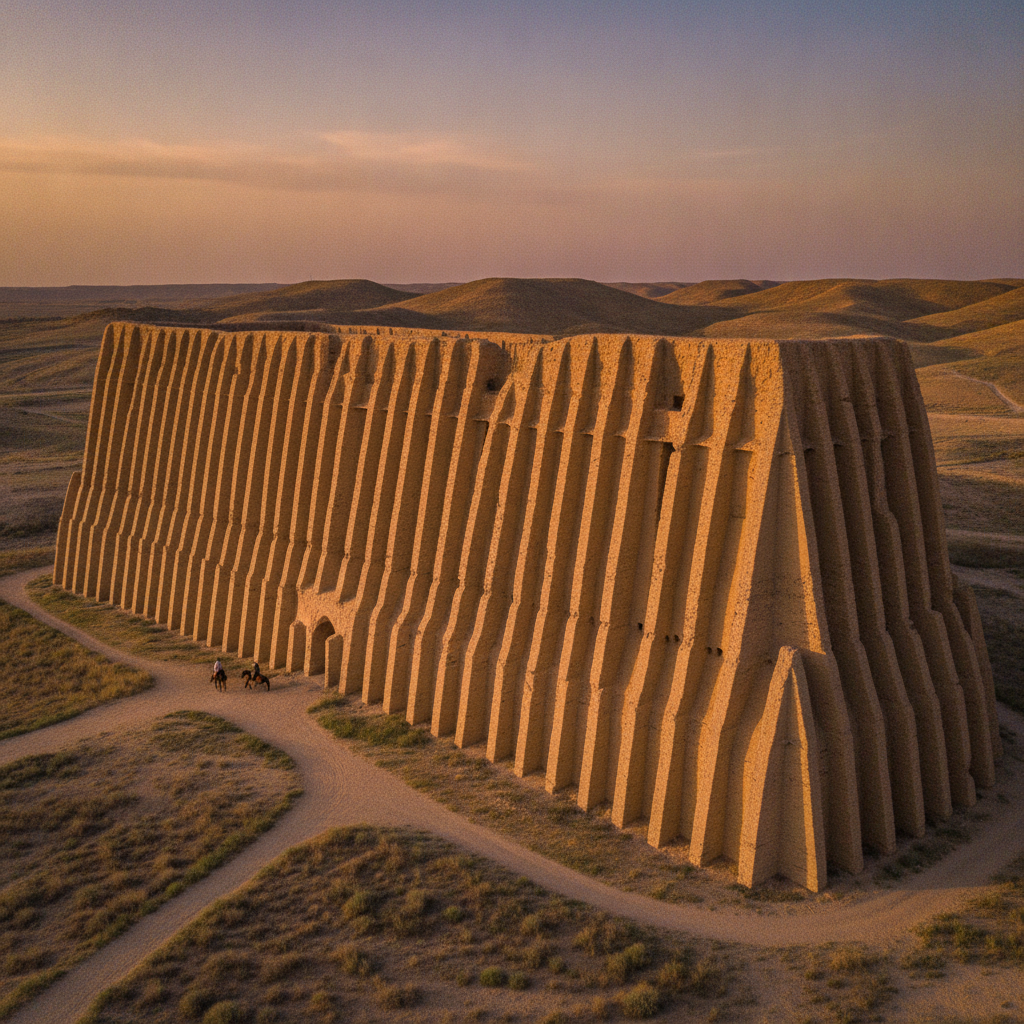

Merv Kiz Kala Sasanian Palace Architecture
Study the Kiz Kala buildings at Ancient Merv — the pair of Sasanian-period palaces with their distinctive corrugated exterior walls that are the most visually striking ruins at the site, the ribbed facade design unique in Central Asian architecture and the subject of ongoing scholarly debate about its structural and aesthetic purpose.
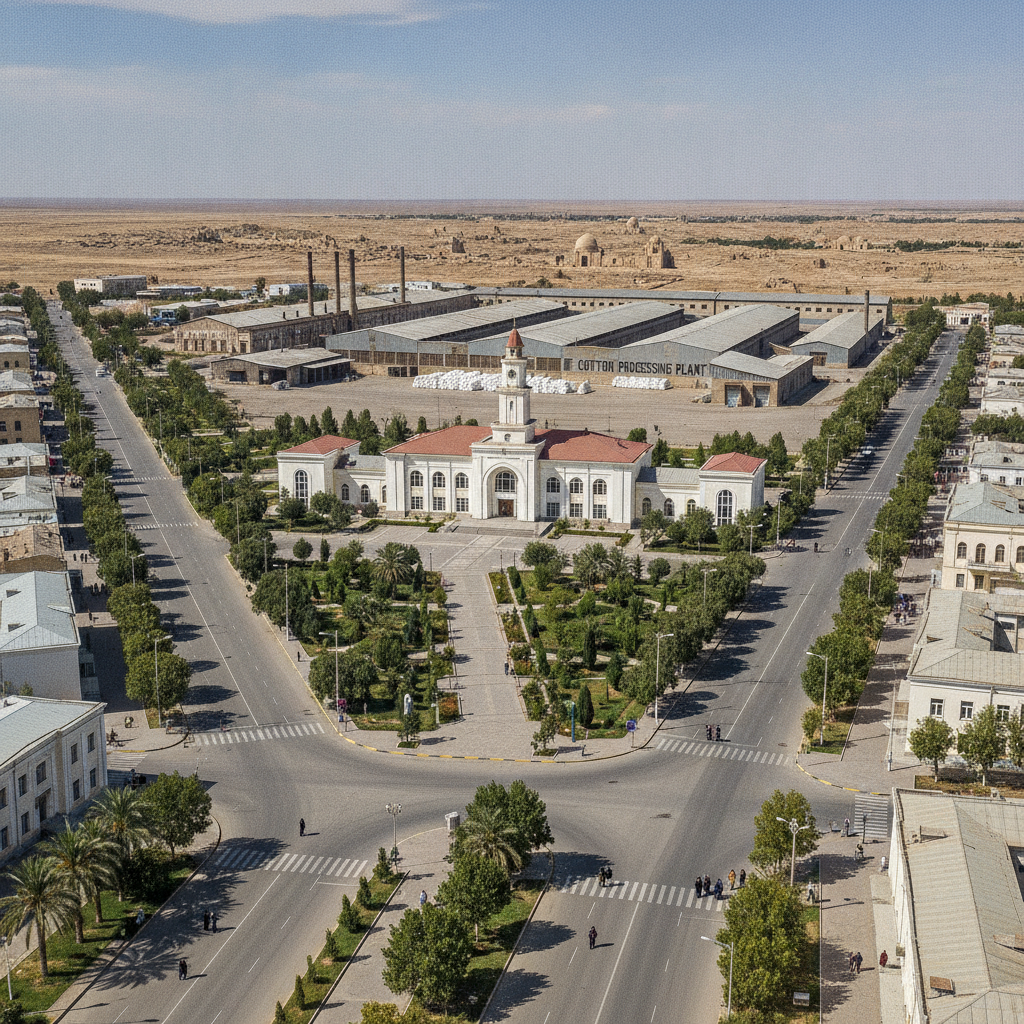
Merv Oasis Bayramali Town and Agriculture
Explore the modern Bayramali town adjacent to the Ancient Merv sites — the settlement that has developed beside the UNESCO heritage zone, the cotton-processing infrastructure of the Soviet agricultural transformation, and the Murghab river oasis landscape that has sustained human settlement at this desert oasis for 5,000 years.
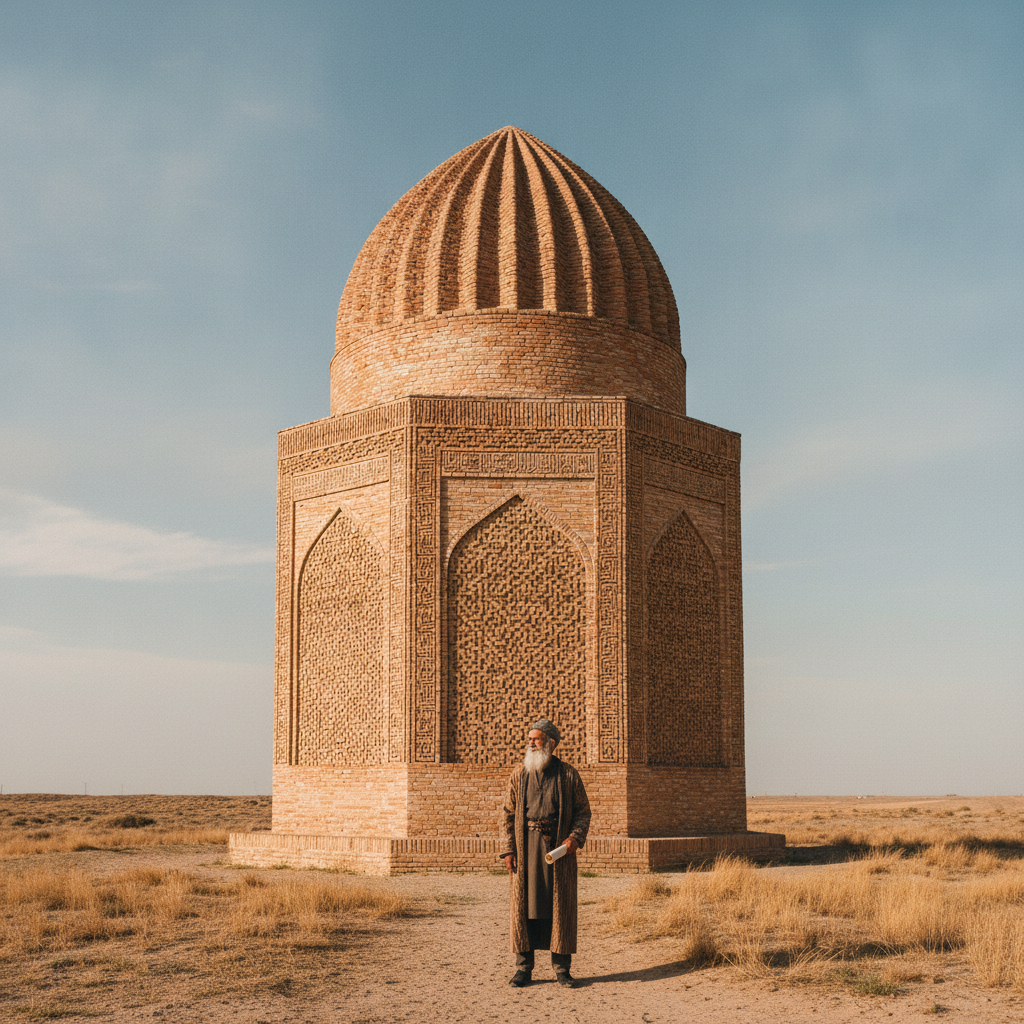
Merv Tim Ibn Ali and Medieval Islamic Monuments
Visit the medieval Islamic monuments of Merv beyond the Sultan Sanjar mausoleum — the 11th-century mausoleum of Tim ibn Ali, the Muhammad ibn Zayd tomb, and the scattered monuments of a city that in its Seljuk peak hosted a university, hospitals, and libraries that made it one of the intellectual centers of the medieval Islamic world.
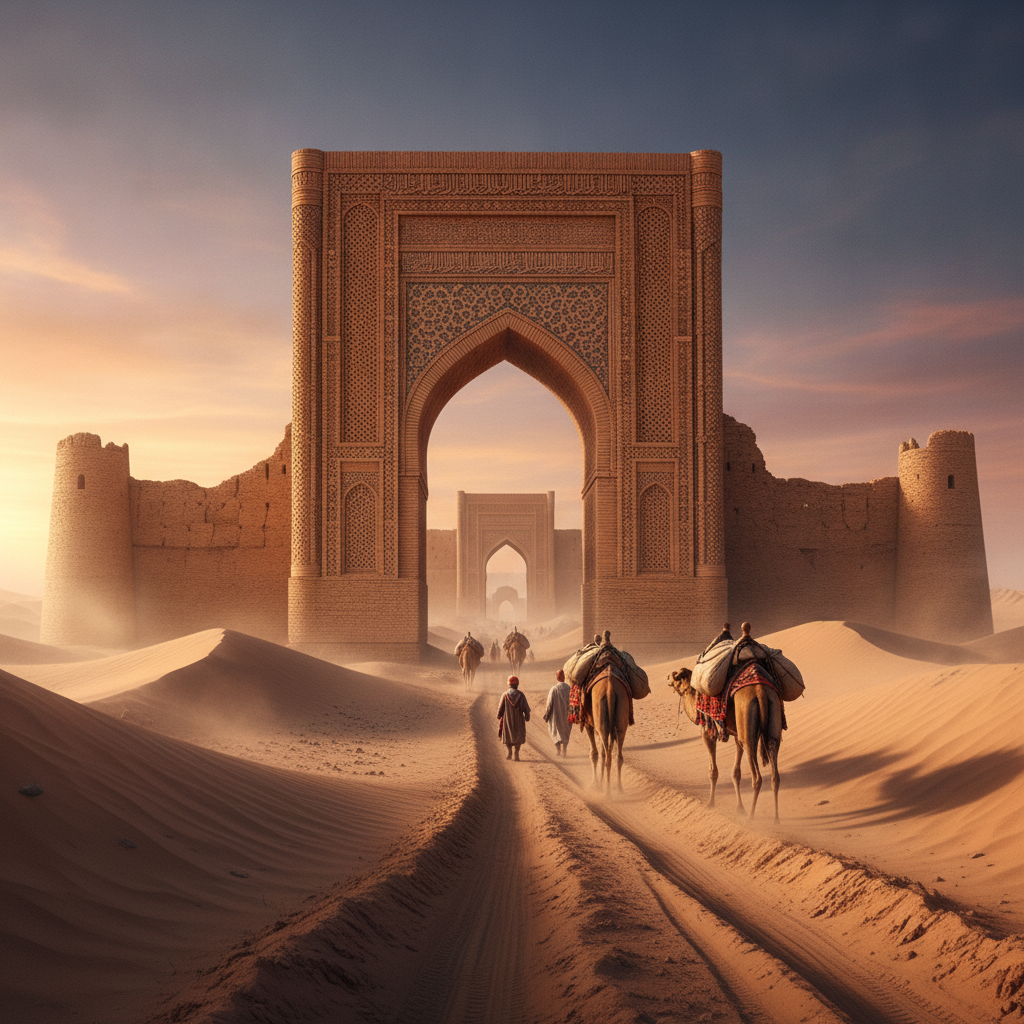
Merv Silk Road Caravanserai Trade Network
Explore the Silk Road caravanserai network around Merv — the stopping places for caravans carrying Chinese silk, Indian spices, and Central Asian horses along the ancient trade routes, Merv being the point where the northern and southern Silk Road branches met before crossing the Karakum Desert toward the Caspian.
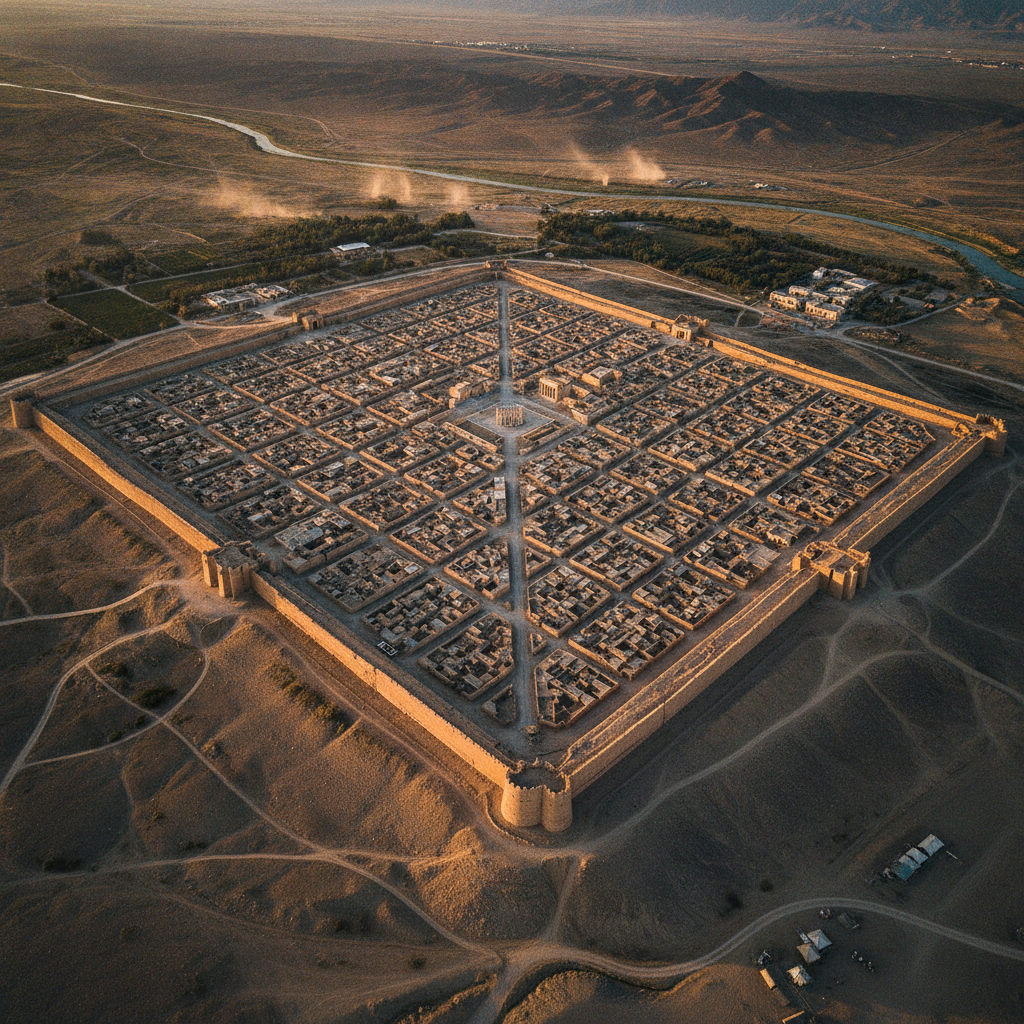
Merv Gyaur Kala Hellenistic and Parthian City
Explore Gyaur Kala — the large rectangular city enclosure established in the Hellenistic period after Alexander the Great's conquest, occupied through the Seleucid, Parthian, and Sasanian periods until the Arab Islamic conquest in 651 CE, the 3-kilometer square enclosure preserving traces of the Buddhist, Zoroastrian, and Christian communities that coexisted in pre-Islamic Merv.