Mary Gas Fields Turkmen Natural Gas Industry
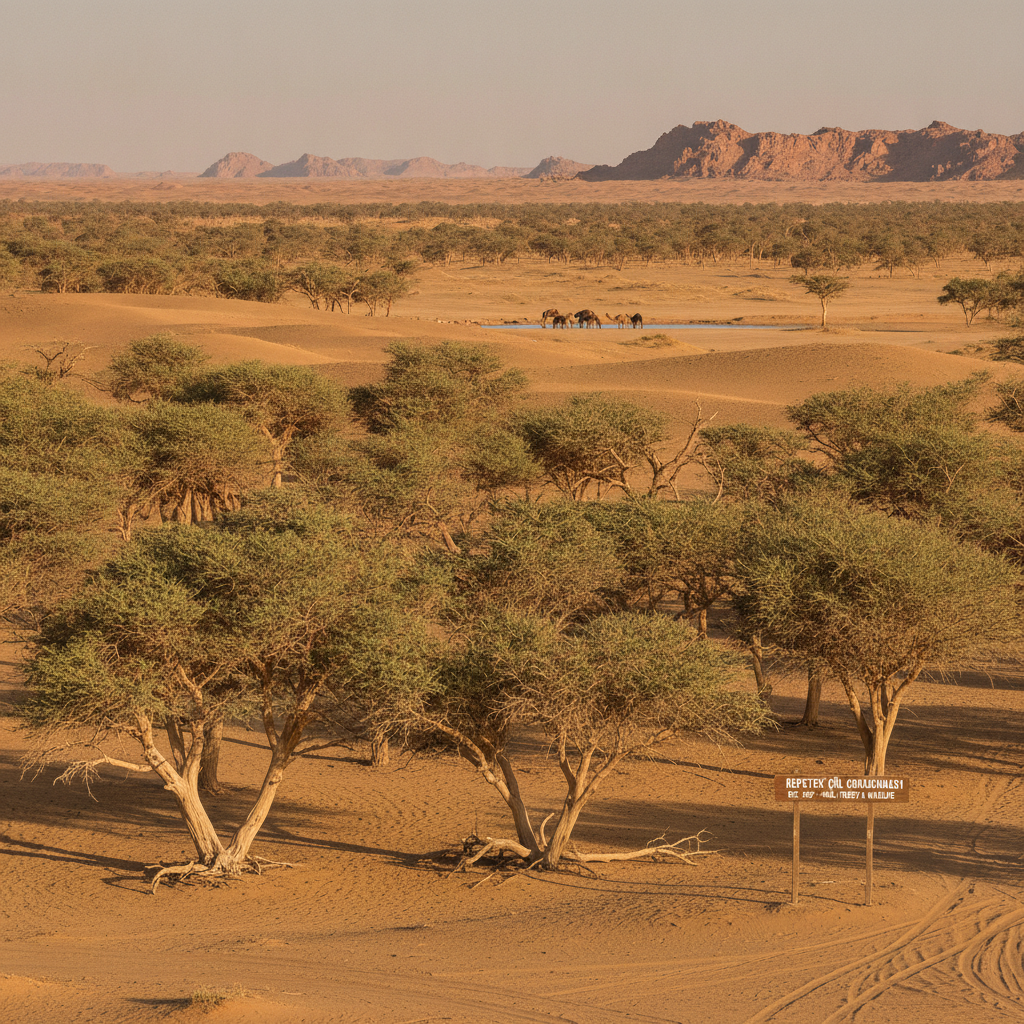
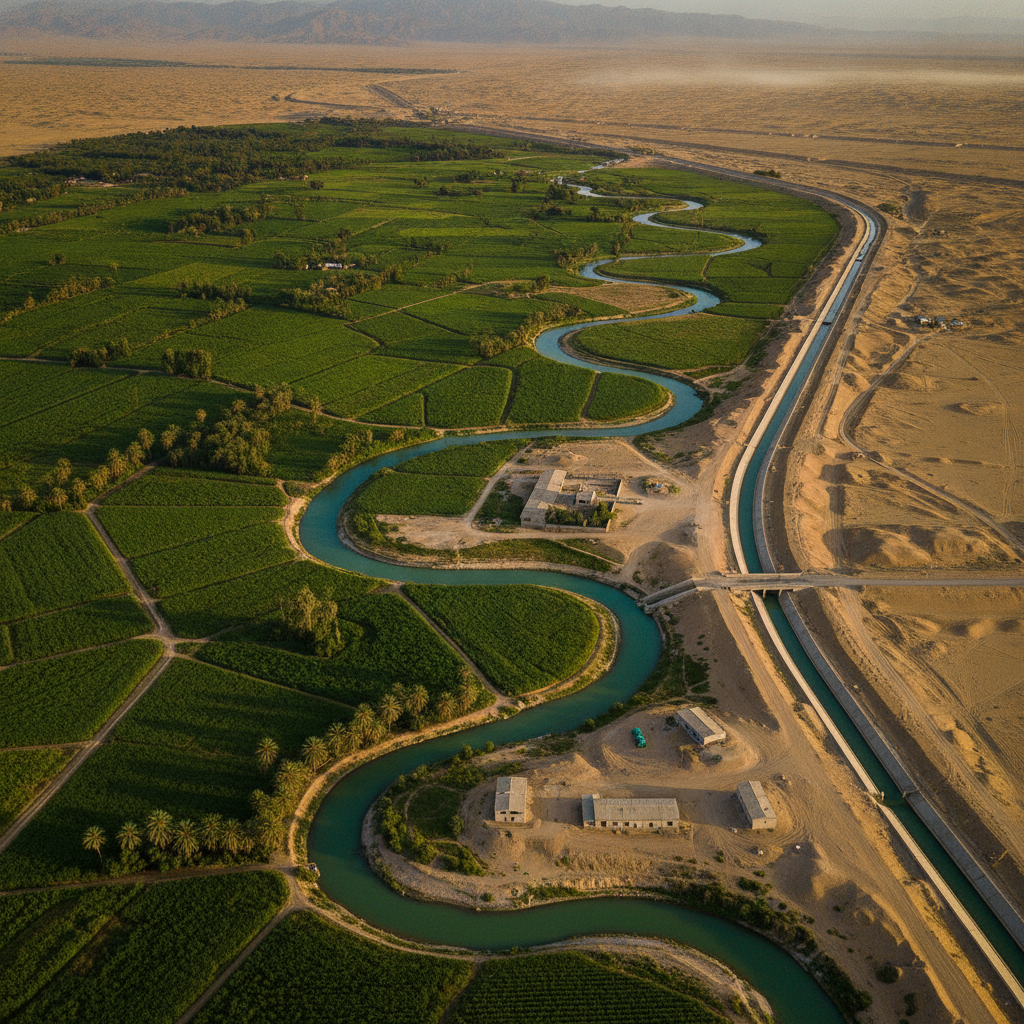
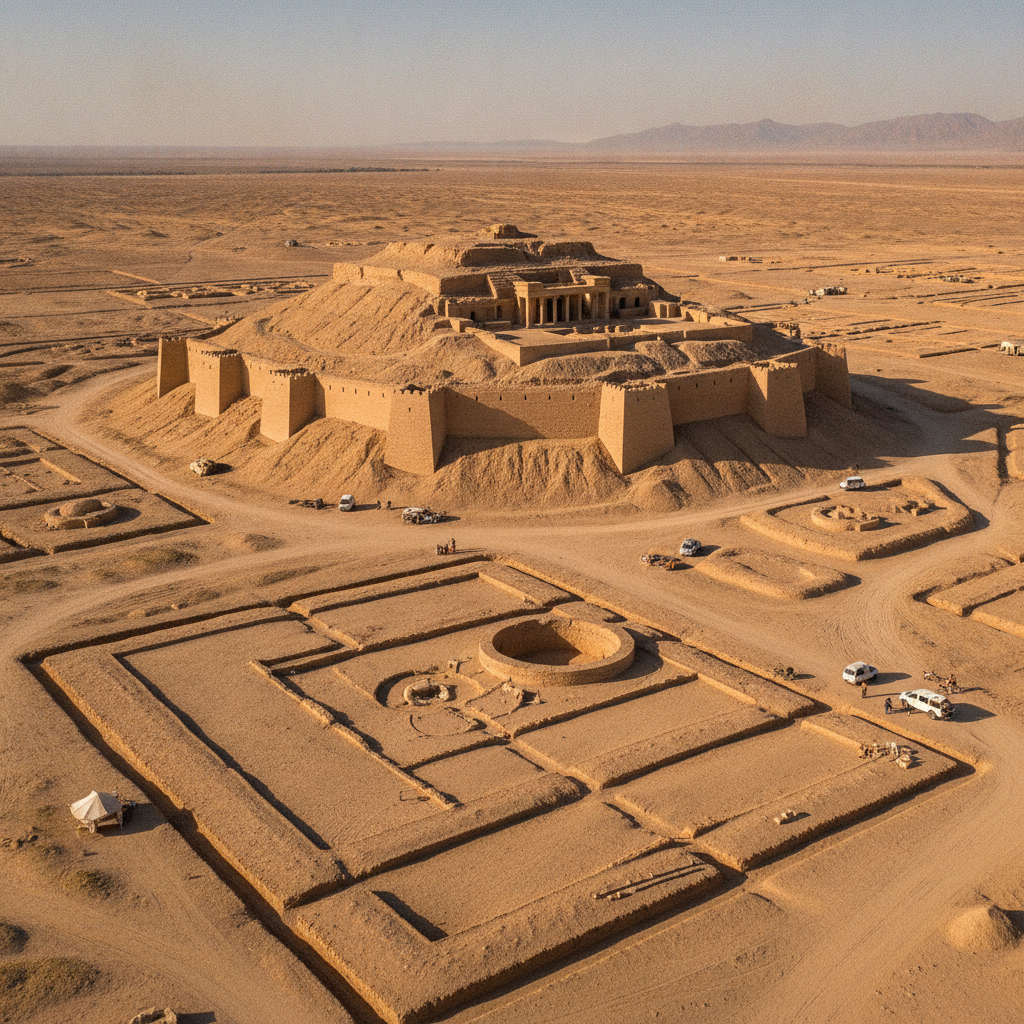
Explore the context of Turkmenistan's natural gas industry centered on the Mary region — the country sitting on the world's fourth-largest natural gas reserves, the Mary district containing the giant Galkynysh gas field discovered in 2006, the gas industry that funds the white marble palaces of Ashgabat and dominates the Turkmen economy.
- 1
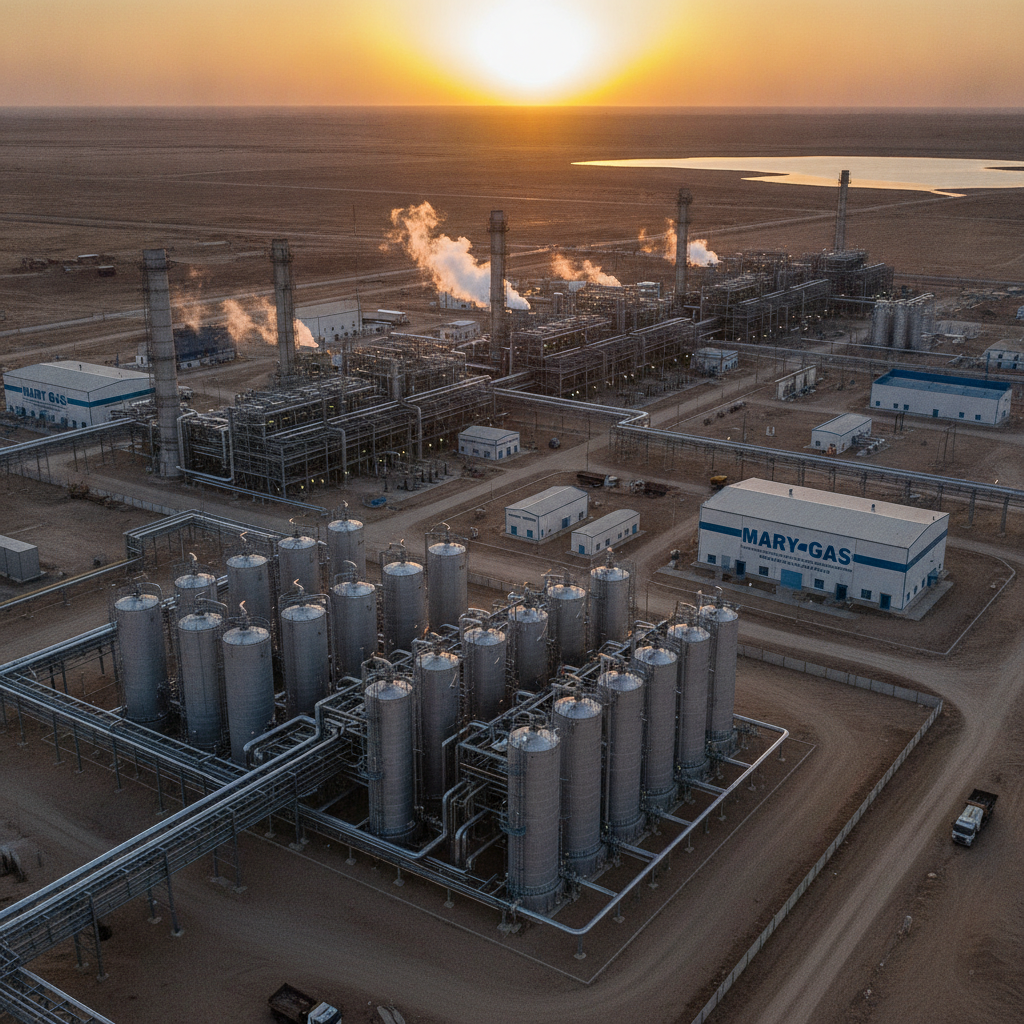
Mary Gas Processing Facility
The gas processing facilities of the Mary district — the industrial infrastructure treating the natural gas extracted from the giant Galkynysh field before pipeline transmission, the facilities visible from the road as the most significant economic investment in the region, the industry employing the largest workforce in the local economy.
- 2
Galkynysh Gas Field Context
The Galkynysh gas field context — the supergiant natural gas field discovered in the Mary district in 2006 and estimated to hold 26 trillion cubic meters of gas, the world's second-largest single natural gas field, the discovery that transformed Turkmenistan's negotiating position with Russia, China, and Iran over pipeline routes.
- 3
TAPI Pipeline Route
The TAPI pipeline route context — the planned Turkmenistan-Afghanistan-Pakistan-India pipeline that would carry Galkynysh gas 1,800 kilometers south to the Indian market, the project representing the economic logic of using the Mary gas fields to supply South Asian demand without routing through Russia or Iran.
- 4
Soviet Gas Infrastructure Legacy
The Soviet gas infrastructure legacy in the Mary region — the pipelines, compressor stations, and processing facilities built during the Soviet period when Turkmen gas was exported north to Russia, the infrastructure that Turkmenistan has been adapting for eastward export to China via the Central Asia-China gas pipeline completed in 2009.
- 5
China Pipeline Connection
The China gas pipeline connection from the Mary region — the pipeline carrying Turkmen gas east through Uzbekistan and Kazakhstan to China, Turkmenistan's largest export market receiving over 30 billion cubic meters annually, the pipeline that allowed Turkmenistan to reduce its dependence on Russian export routes.
- 6
Gas Revenue Architecture
The gas revenue architecture visible in modern Mary city — the public buildings, road improvements, and infrastructure investments funded by natural gas export revenues, the contrast between the Soviet-era residential districts and the newer public buildings financed by the gas wealth that has given Turkmenistan the highest per-capita natural resource income in Central Asia.
Walk this route with audio
Stories play automatically as you reach each stop — no tapping needed.