Mary Gonur Tepe Bronze Age Urban Civilization
Visit Gonur Tepe — the Bronze Age urban site in the Murghab delta east of Mary that has revealed one of Central Asia's most sophisticated ancient civilizations, the city of the Bactria-Margiana Archaeological Complex (BMAC) that flourished from 2300-1700 BCE, contemporary with the pyramids of Egypt and the cities of the Indus Valley.
- 1
Gonur Tepe Archaeological Mound
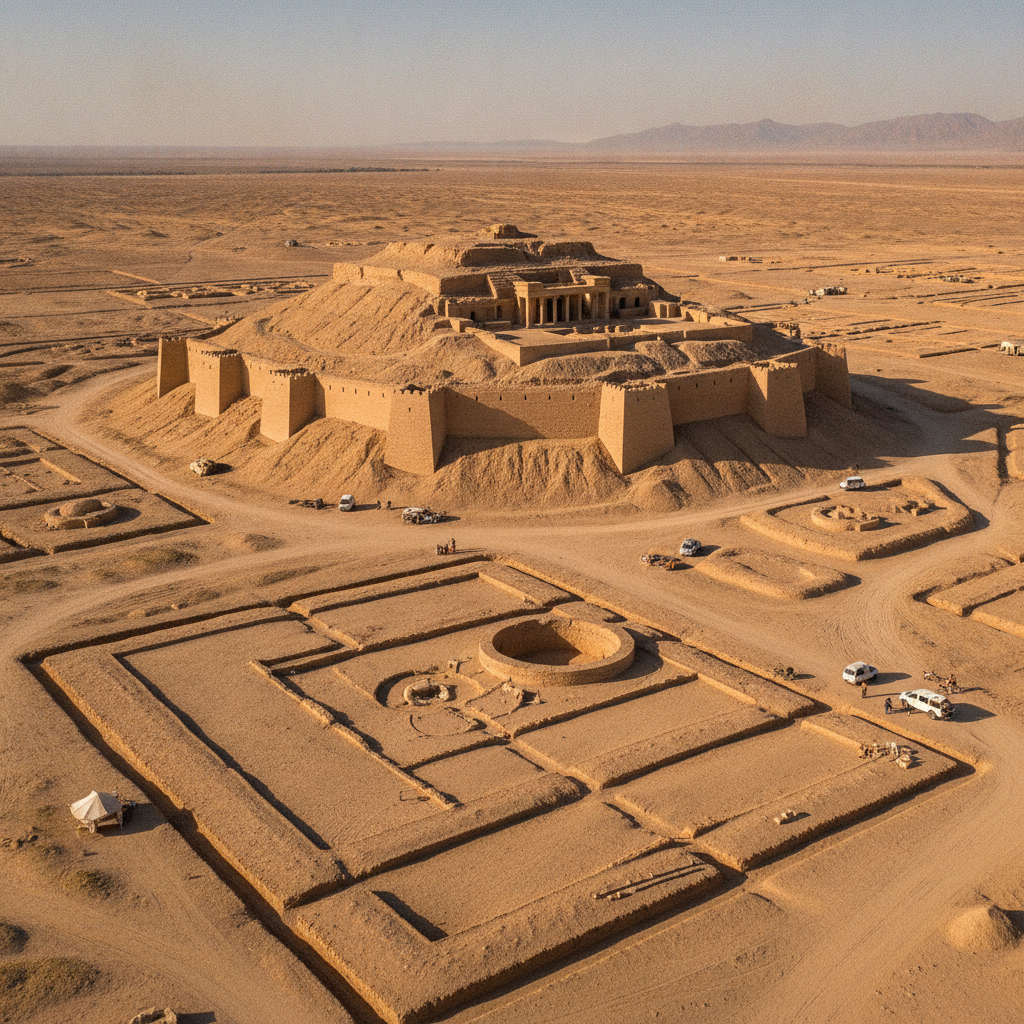
The Gonur Tepe archaeological mound — the palace and temple complex of the Bronze Age urban center rising above the desert floor, the excavations revealing a planned city with monumental architecture, palaces, temples, and a drainage system showing sophisticated urban organization 4,000 years ago in what is now the Turkmen desert.
- 2
Palace Complex Architecture
The palace complex of Gonur Tepe — the massive mudbrick building with its multiple courtyards, ritual spaces, and administrative rooms, the plan showing the combination of defensive, religious, and administrative functions in a single monumental complex typical of the Bronze Age urban centers of the ancient Near East.
- 3
Temple Fire Ritual Sites
The fire temple ritual sites at Gonur Tepe — the altars and sacred hearths where the ancient rituals of the BMAC civilization were performed, the fire worship connecting the Bronze Age religion of Margiana to the later Zoroastrian fire cult, suggesting that Zoroastrianism may have roots in this ancient Central Asian civilization.
- 4
Burial Ground Grave Goods
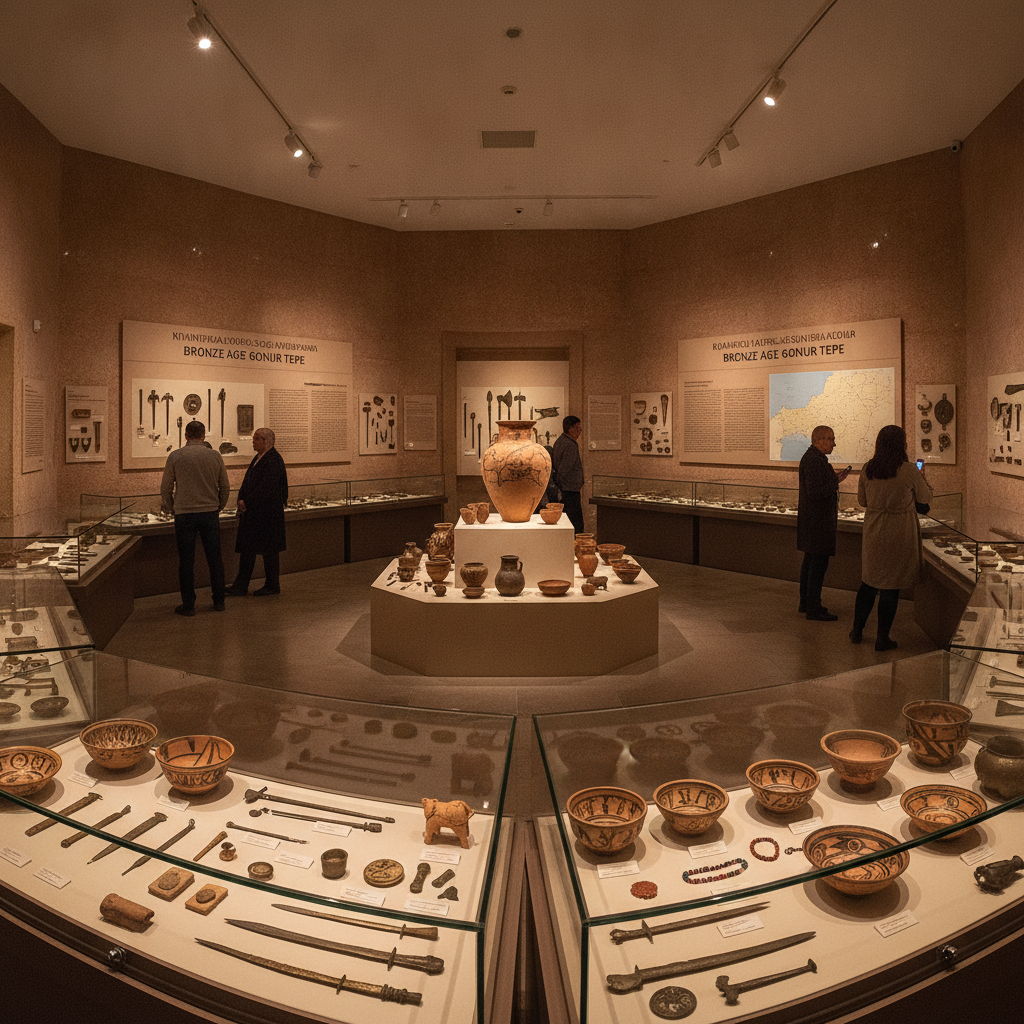
The burial ground of Gonur Tepe — the cemetery where the elite of the Bronze Age city were buried with extraordinary grave goods including alabaster vessels, gold and silver jewelry, bronze weapons, and the ceramic vessels that have made the BMAC assemblage recognizable across a huge area of ancient Central Asia.
- 5
BMAC Ceramic Assemblage
The BMAC ceramic assemblage visible in the excavated areas — the distinctive chlorite stone vessels with their carved decoration, the compartmented seals, and the ceramic forms unique to the BMAC culture that have been found from the Persian Gulf to the Indus Valley, indicating the wide commercial and cultural reach of this desert civilization.
- 6
Murghab River Delta Landscape
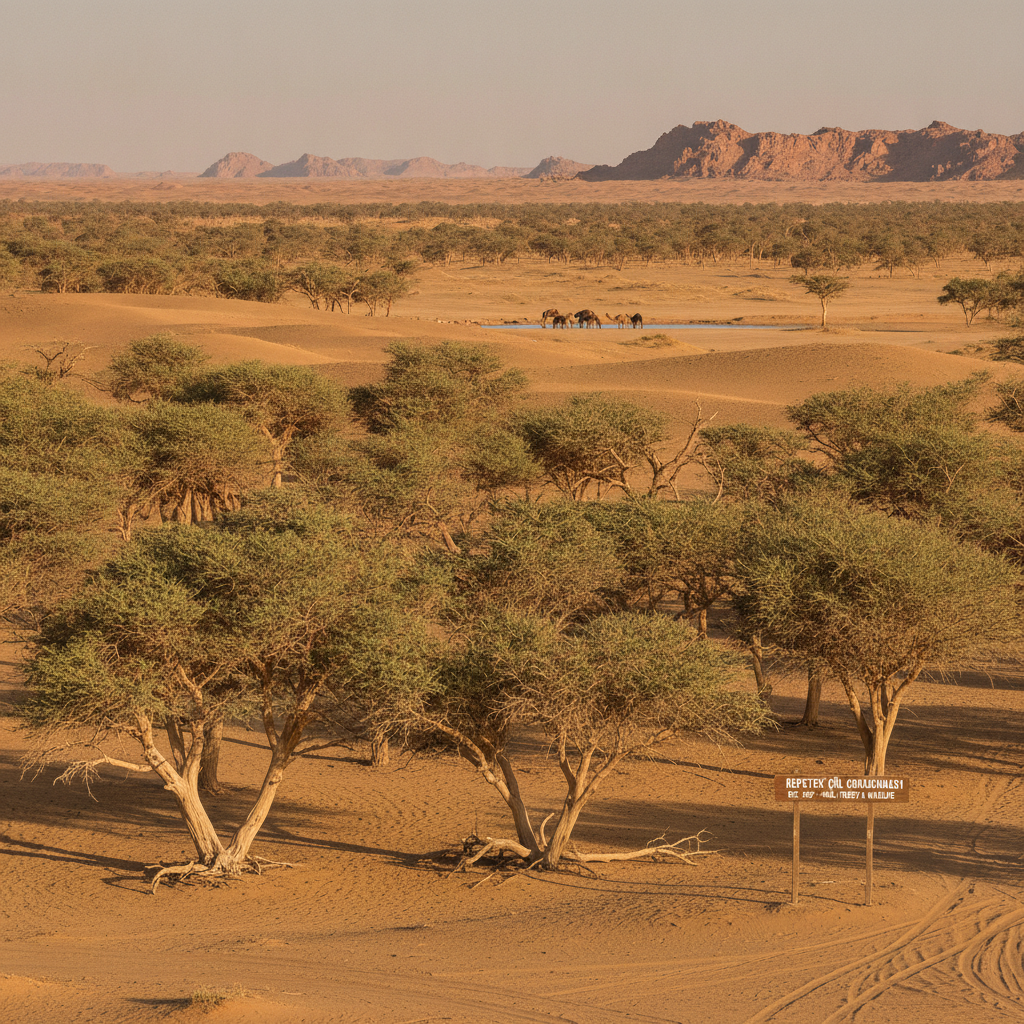
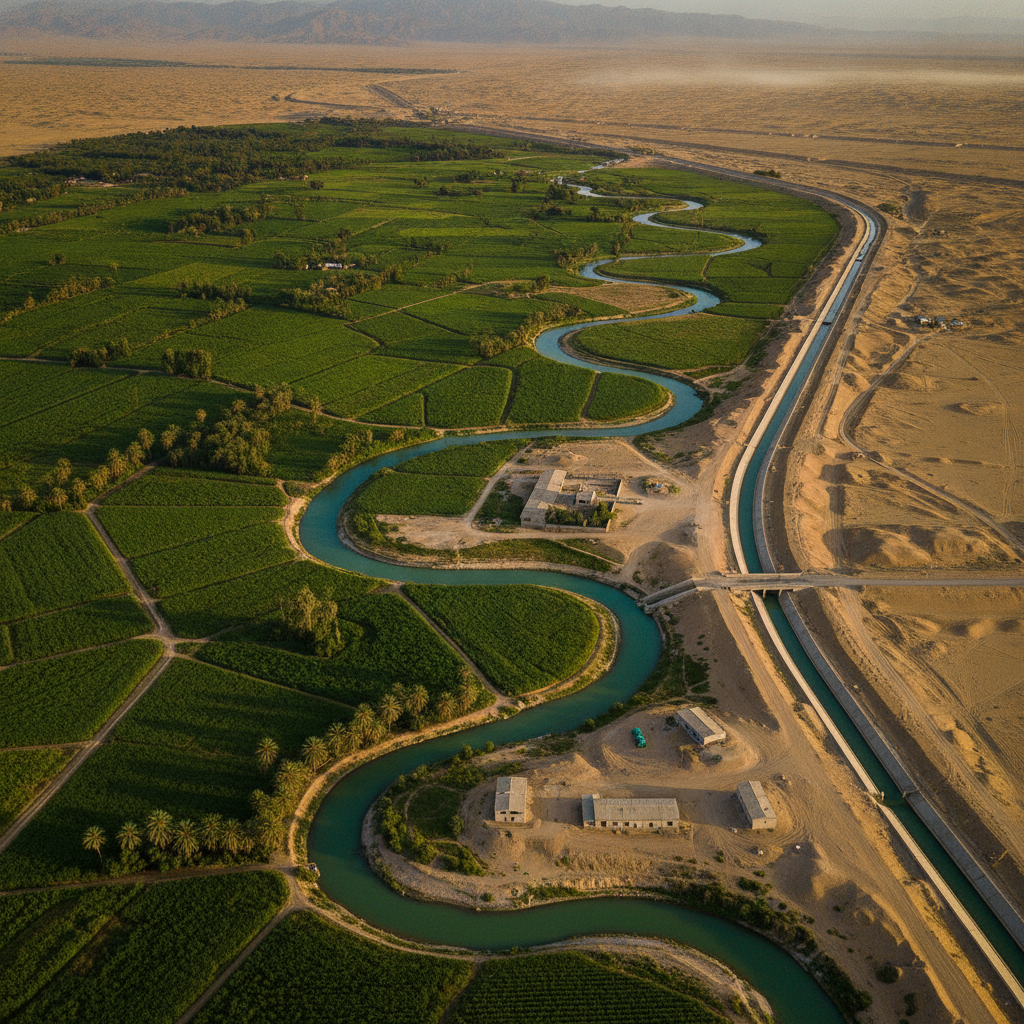
The Murghab river delta landscape surrounding Gonur Tepe — the ancient river channels that once watered the fertile delta where the Bronze Age cities flourished, now dry channels visible from the archaeological mound, the landscape change from fertile delta to desert explaining why the civilization that built Gonur Tepe disappeared around 1700 BCE.
Walk this route with audio
Stories play automatically as you reach each stop — no tapping needed.