Margaret River Wardandi Country & Culture Walk
Explore Margaret River through the lens of Wardandi Noongar culture — the custodians of this land for more than 45,000 years who named the rivers, caves, and coastal features that European settlers later renamed, and whose culture persists throughout the region.
- 1
Ngilgi Cave Wardandi Significance
Ngilgi Cave at Yallingup is the site of the Wardandi story where Ngilgi (good spirit) defeated Wolgine (evil spirit) — the cave's significance to the Wardandi Noongar people predates European discovery and gives the cave its name still used today.
- 2
Margaret River Noongar Heritage Trail
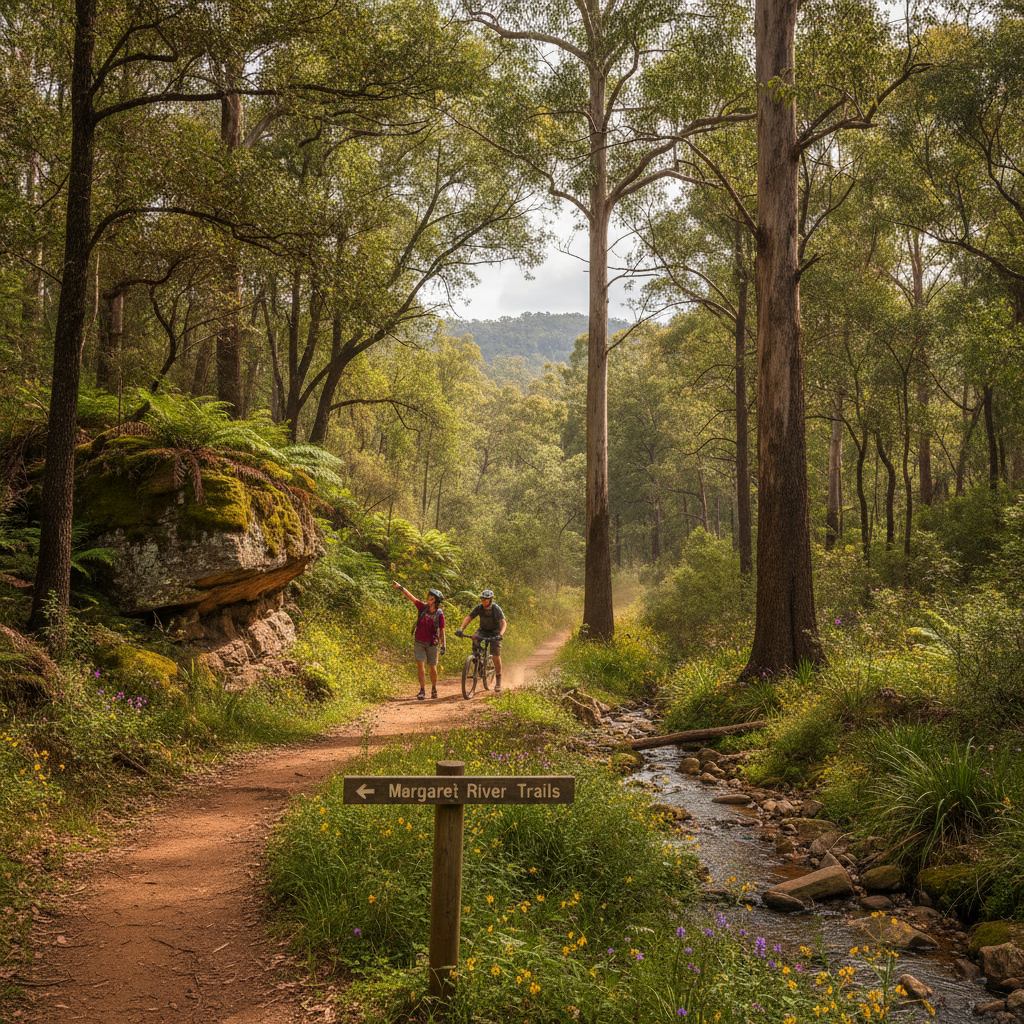
The Margaret River Noongar Heritage Trail marks significant sites in the river corridor — the river (Waginup in Noongar language) was a vital resource for the Wardandi people, who moved seasonally between the coast and inland forests.
- 3
Lake Carbanup Birdlife Site
Lake Carbanup near Yallingup is a Noongar seasonal camp site — the wetland attracted Wardandi families seasonally for bird hunting and fresh water, and the adjacent land now in private hands contains scar trees and other cultural evidence.
- 4
Cape Naturaliste Lighthouse
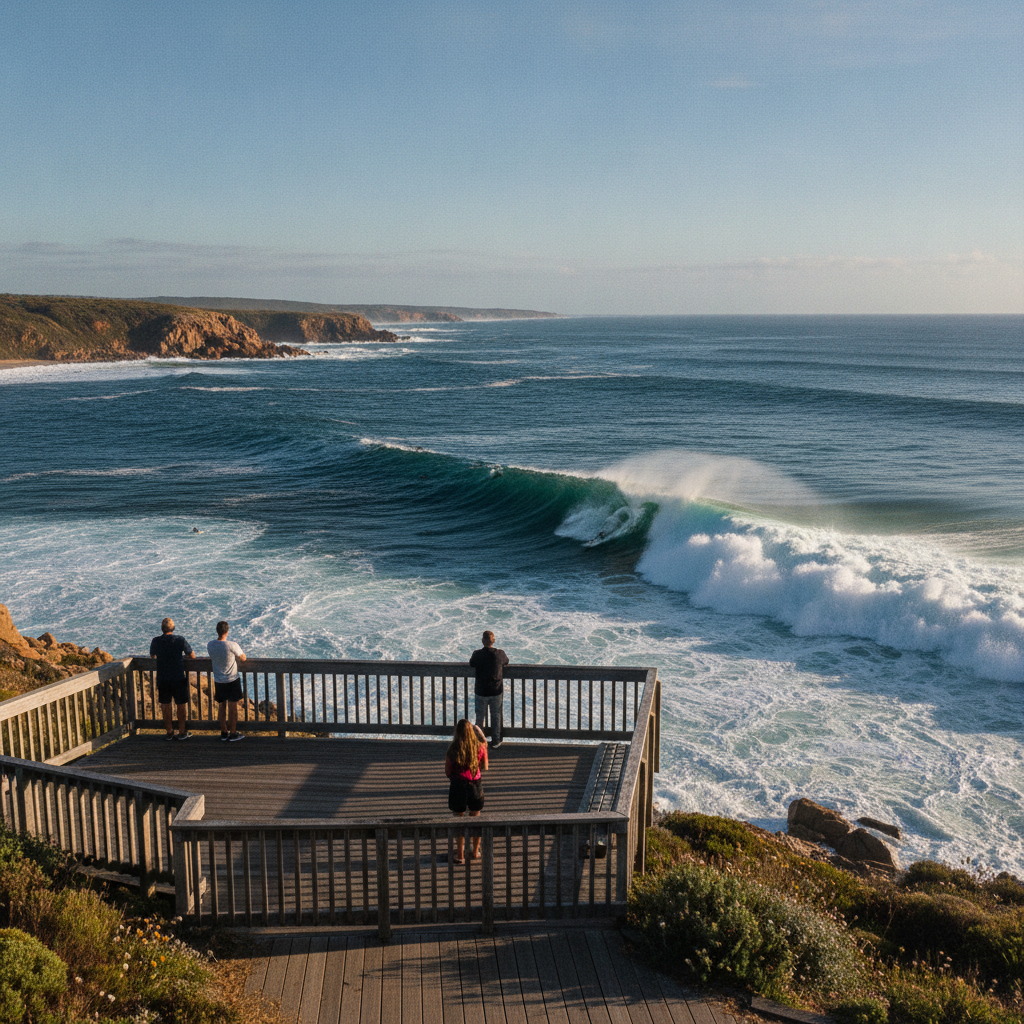
Cape Naturaliste Lighthouse (1903) stands on Wardandi country at the northern tip of the region — the cape walk provides whale watching from June to November as Southern Right and Humpback whales pass through Geographe Bay.
- 5
Quinninup Falls Noongar Country
Quinninup Falls in the Blackwood Valley are a Noongar freshwater site — the falls on the Blackwood River were a significant gathering place for Wardandi people moving between seasonal camps, and the river valley retains dense native vegetation.
- 6
Boranup Lookout Cultural Landscape
Boranup Lookout overlooks the karri forest plateau and coast — from this elevation, the extent of the Wardandi country becomes visible: the forest, the coast, the caves below, and the agricultural cleared land that replaced the woodland in which Wardandi culture developed.
Walk this route with audio
Stories play automatically as you reach each stop — no tapping needed.