Lucerne — the Chapel Bridge, the Old Town & Lake Lucerne
Lucerne (Luzern in German, the capital of the Canton of Lucerne, population 82,000, the most visited city in Switzerland after Zurich and Geneva — the city at the western end of Lake Lucerne with the Alps rising directly from the lake shores, the city that defines the Swiss postcard image: the wooden bridge, the mountain backdrop, the medieval old town)
- 1
The Kapellbrücke — Europe's Oldest Covered Wooden Bridge
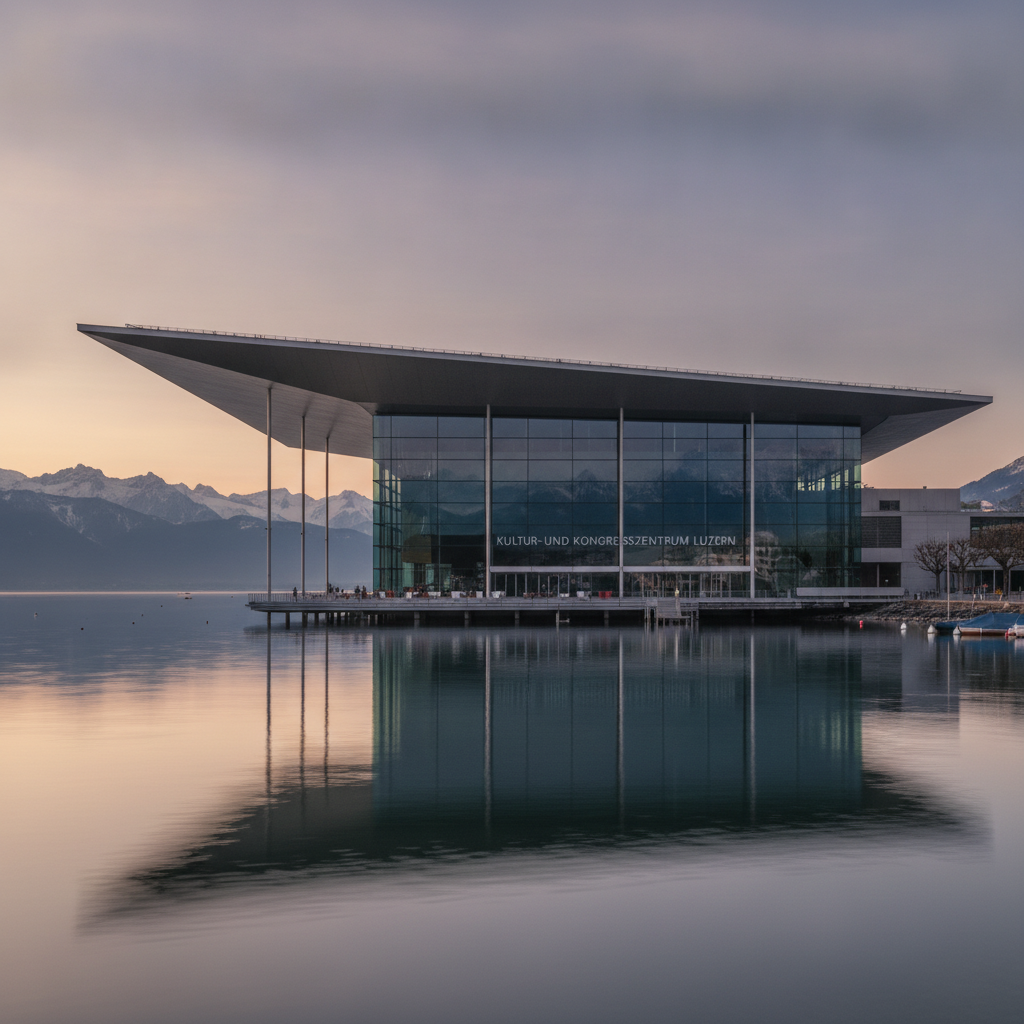
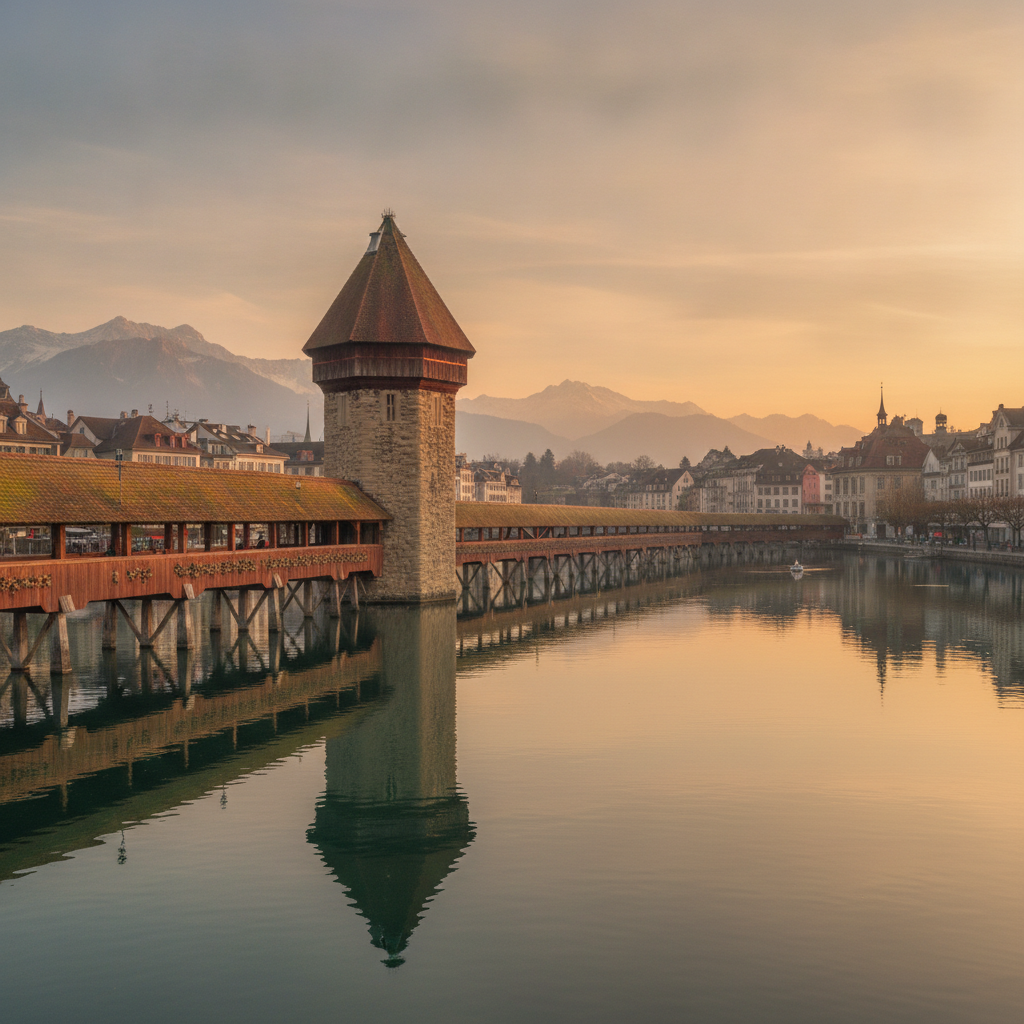
Kapellbrücke (the Chapel Bridge, the 204m covered wooden footbridge spanning the Reuss River diagonally from the Old Town bank to the new town, built 1333 as the primary city defence crossing, the oldest surviving wooden bridge in Europe and the most visited single sight in Switzerland): the bridge paintings (the 67 triangular gable paintings inside the bridge roof, the paintings depicting the history of Lucerne and the lives of the patron saints Leodegar and Mauritius, originally 158 paintings from 1599 to 1620 of which 30 were destroyed in the 1993 fire and replaced by modern reproductions — the fire started by a burning cigarette from a moored boat destroying the central section of the bridge in August 1993, the bridge rebuilt within 9 months), the Wasserturm (the octagonal stone Water Tower at the bend of the bridge, built c.1300 before the bridge — the tower served as a treasury, an archive, and a prison in its history, the tower 34m tall, now privately owned and not accessible to the public but the exterior the most photographed element of the Lucerne skyline), the Spreuerbrücke (the second medieval covered bridge of Lucerne 200m upstream, the Spreuerbrücke of 1408 with the original 1626 Dance of Death paintings intact — 45 panels depicting the medieval universal human equality before death, the most complete Dance of Death painting series on any bridge in Europe, free, open to pedestrians at all times) and the Reuss waterfront (the KKL Luzern — the Culture and Congress Centre by Jean Nouvel 1998 — on the lake shore 200m east of the Kapellbrücke, the flat roof extending over the lake on the pillar supports, the most architecturally significant building in Lucerne, the Lucerne Festival concert hall at the KKL the most acoustically perfect concert hall in Switzerland).
- 2
The Lucerne Old Town — the Painted Facades and the Medieval Core
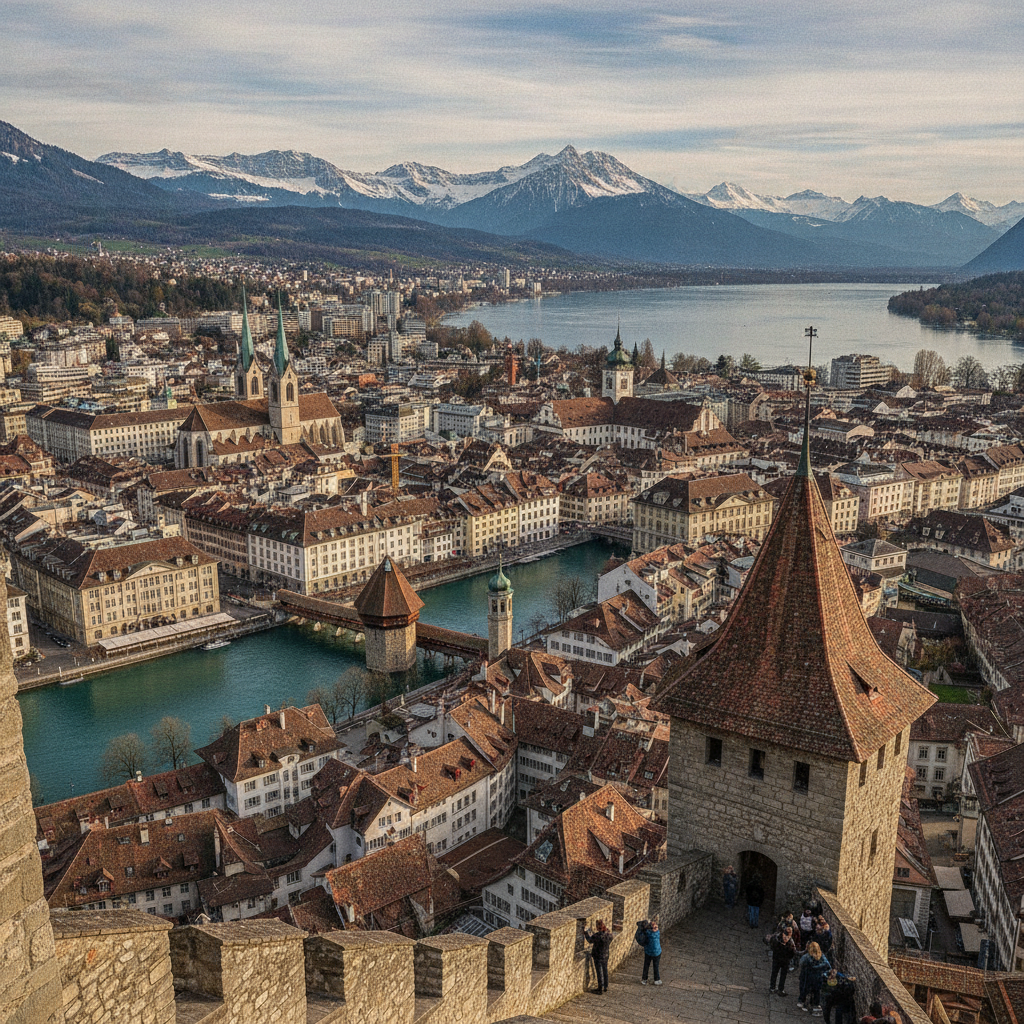
Lucerne Old Town (the Altstadt, the car-free historic centre on both banks of the Reuss River, the most intact medieval city centre in the German-speaking part of Switzerland): the painted facades (the Hirschenplatz and the Weinmarkt — the two Old Town squares with the most elaborately painted house facades in Lucerne, the Rococo and the Renaissance fresco decorations covering the entire facades of the Zunfthaus zur Pfistern at Kornmarkt 4 and the Haus zum Seehof at Weinmarkt 4, the most photogenic street-level Baroque and Renaissance painting in German-speaking Switzerland), the Museggmauer (the 870m medieval city wall on the north edge of the Old Town with the 9 preserved towers, the most complete surviving medieval city wall in Switzerland, the rampart walk from the Wachturm to the Männliturm free, open April-November daily 8am-7pm — the walk the finest elevated view of the Lucerne Old Town rooftops and the Lake Lucerne and the Alps in the distance), the Rathaus (the Town Hall at Kornmarkt, the Renaissance building of 1602-1606 with the characteristic Lucerne arcaded ground floor — the Lauben — the most architecturally distinguished secular building in the Lucerne Old Town, the arcaded market beneath the Town Hall the primary morning gathering point), and the Am-Rhyn-Haus (the Picasso Museum, Furrengasse 21, the collection of 200+ late works by Pablo Picasso and the photographs of Picasso by David Douglas Duncan, €10 adults, Tuesday-Sunday 10am-5pm, the most unexpected museum connection in Lucerne given the city's Swiss-French-German cultural identity — the collection donated by the Angela Rosengart gallery, the primary Picasso documentation in German-speaking Switzerland).
- 3
Lake Lucerne — the Most Dramatic Alpine Lake Landscape
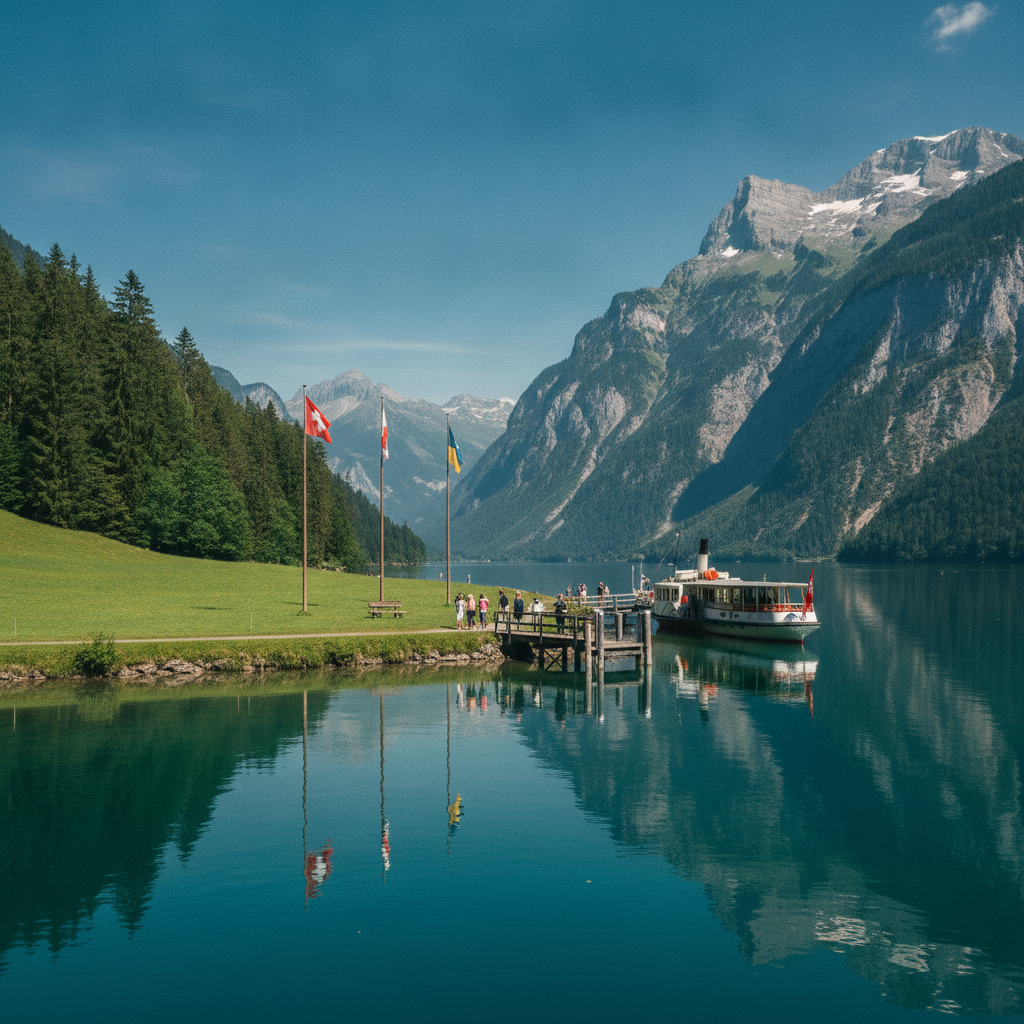
Vierwaldstättersee (Lake Lucerne — the Lake of the Four Forest Cantons, the 114 square km lake with the most dramatic Alpine lake landscape in Switzerland, the lake the historical origin of the Swiss Confederation — the original 3 cantons of Uri, Schwyz, and Unterwalden meeting at the Rütli meadow on the lake shore in 1291 to form the Oath of the Eternal Alliance, the founding document of Switzerland): the lake steamships (the Schifffahrtsgesellschaft Vierwaldstättersee — the lake steamship company, the oldest paddle steamer fleet in the world still in regular service — 6 Belle Époque paddle steamers from 1901-1928, the steamships operating the complete lake circuit: Lucerne to Flüelen at the south end of the lake, 3 hours one way, €39 adults second class, the Swiss Travel Pass covering the lake steamship, the most romantic single transport experience in Switzerland), the Rütli meadow (the meadow above the lake at Seelisberg, accessible by lake steamer from Lucerne to the Rütli landing in 1.5 hours — the meadow where the founding oath of Switzerland was sworn August 1 1291, the most historically significant site in Swiss national history, the meadow maintained as a national memorial by the Swiss Confederation, the annual National Day celebration August 1 held at the Rütli the most attended official Swiss ceremony), the lake swimming (the Lido Lucerne at Lidostrasse 6, the largest public outdoor swimming pool in Switzerland with the direct Lake Lucerne access, open May-September daily 8am-8pm, €7 adults, the mountain view while swimming in the lake the defining Lucerne summer experience) and the Tell's Chapel (the Wilhelm Tell Chapel on the lake shore at Sisikon, accessible by steamer, the chapel marking the site where Tell leaped from Gessler's boat according to the 16th-century legend — the most visited single Tell site on the lake, the Tell legend the Swiss national founding myth parallel to the Rütli oath in the collective Swiss consciousness).
- 4
Mount Pilatus and the Rigi — the Two Lucerne Mountains
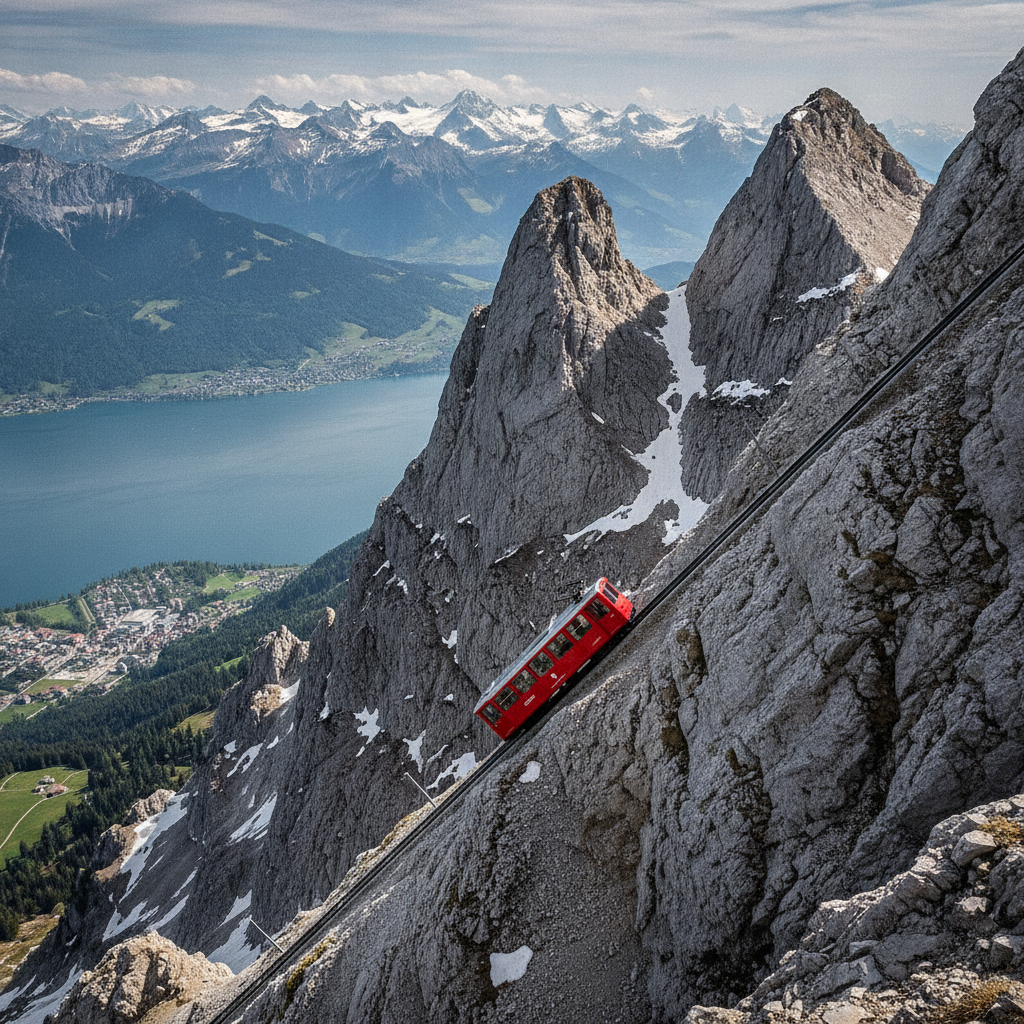
The Lucerne mountains (the 2 iconic mountains visible from the Lucerne lakeside, both accessible by the cable car or the cogwheel railway): Mount Pilatus (the 2,132m mountain directly south of Lucerne, the most dramatic mountain view from the city, the Pilatus cogwheel railway from Alpnachstad on the lake shore — accessible by lake steamer in 35 minutes from Lucerne pier 1 — the steepest cogwheel railway in the world at 48 percent gradient, operating May-November, €77 return from Lucerne including the steamer and the aerial gondola descent via Kriens back to Lucerne — the 'Golden Roundtrip' the most complete single Pilatus experience, the summit at 2,132m with the Hotel Pilatus-Kulm and the panoramic view of 73 Alpine peaks on a clear day): the Rigi (the 1,797m mountain east of Lucerne, the 'Queen of the Mountains', the first mountain in Europe opened to mass tourism — the Rigi Kulm cogwheel railway from Vitznau on the lake shore the oldest mountain railway in Europe, opened 1871, 3 years before the Pilatus railway, the summit accessible from Lucerne by lake steamer to Vitznau then the cogwheel railway in 90 minutes total at €82 adults return, the Rigi sunrise the most celebrated alpine sunrise in Switzerland — the tradition of sleeping at the Rigi Kulm Hotel and waking at 5am for the sunrise above the clouds the primary Rigi experience since the 19th century, the experience described by Mark Twain in 'A Tramp Abroad' 1880), the Golden Roundtrip variants (the Rigi-Pilatus day circuit: lake steamer to Vitznau, cogwheel to Rigi Kulm, steamer across to Alpnachstad, cogwheel up to Pilatus, aerial gondola down to Kriens, bus to Lucerne — the most complete Swiss mountain transport experience in a single day at €140-160 with the Swiss Travel Pass discount) and the Stanserhorn (the 1,898m mountain with the world's first open-top double-decker cable car, the CabriO cable car from Stans 30 minutes from Lucerne, the rooftop seating giving the 360-degree Alpine view with no glass barrier, the most unusual single mountain transport experience in the Lucerne region).
- 5
Lucerne's Cultural Institutions — KKL and the Lucerne Festival
Lucerne cultural scene (the Kultur- und Kongresszentrum Luzern — KKL — the Jean Nouvel building on the lake shore opened 1998, the concert hall the primary cultural institution of Lucerne, the home of the Lucerne Symphony Orchestra and the Lucerne Festival): the KKL building (the most architecturally significant building in Lucerne — the flat steel roof extending 45m over the lake on pillar supports, the glass curtain wall reflecting the lake, the Concert Hall the acoustically perfect room designed by the acoustician Russell Johnson with the 1,840 cubic metre moveable ceiling for the variable acoustics, the building free to visit during daytime, the concert schedule at kkl-luzern.ch), the Lucerne Festival (the annual festival in August-September, the most important classical music festival in Switzerland — founded 1938 by Arturo Toscanini and Wilhelm Furtwängler, the festival the most conductor-centric in the world, the Claudio Abbado period 2003-2013 the most celebrated in the festival's recent history with the Lucerne Festival Orchestra assembled from the world's finest orchestral musicians, the tickets at lucernefestival.ch, the summer festival 3 weeks in late August), the Rosengart Collection (the Sammlung Rosengart at Pilatusstrasse 10, the collection of 200+ Picasso works and 40+ Klee works assembled by the Lucerne art dealer Siegfried Rosengart and his daughter Angela, €20 adults, daily 10am-6pm in summer, the most important private art collection in Switzerland and the finest single-building Picasso collection in the world outside the Musée Picasso in Paris) and the Swiss Museum of Transport (the Verkehrshaus der Schweiz at Lidostrasse 5, the largest museum in Switzerland by attendance at 800,000 visitors per year, the most comprehensive transport museum in Europe — the locomotives, the automobiles, the aircraft, the spacecraft, and the telecommunications exhibits, the IMAX cinema the largest in Switzerland, €26 adults, daily 10am-6pm, the most family-appropriate museum in Lucerne).
- 6
Lucerne Practical — Swiss Travel Pass, Market and the Fountains
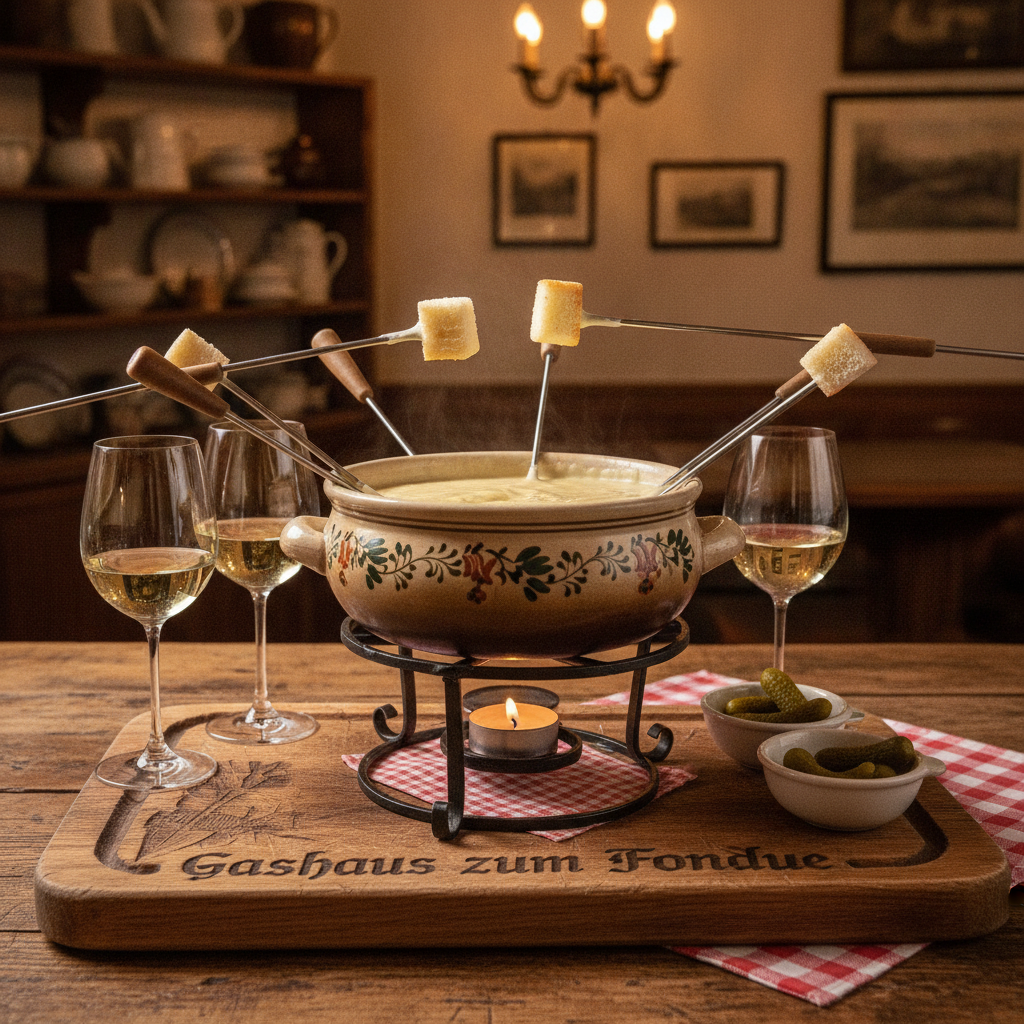
Lucerne practical information: the Swiss Travel Pass (the STS AG Swiss Travel System pass, the most cost-effective transport document for the visitor staying 3+ days in Switzerland — the 3-day pass at CHF 244 adults covering all SBB trains, the lake steamers, the PostBus network, the museum entry in 500 Swiss museums, and the discounts on the Pilatus and Rigi railways, the purchase at the Lucerne train station or at sbb.ch), the Lucerne weekly market (the Saturday market on the Mühlenplatz and the Weinmarkt, the most attended weekly market in central Switzerland, the Swiss cheese stalls — the Gruyère, the Emmental, the Appenzeller, and the Raclette cheese — the Swiss charcuterie, the fresh bread from the Lucerne bakeries, the flower stalls, the most authentic Saturday morning Lucerne experience at no cost), the Löwendenkmal (the Lion Monument, Denkmalstrasse 4, the 10m sandstone sculpture of the dying lion carved into the cliff face 1820-1821 by Lucas Ahorn after the design of Bertel Thorvaldsen, the monument commemorating the 786 Swiss Guards who died defending the Tuileries Palace in Paris during the French Revolution August 1792, the monument described by Mark Twain as 'the most mournful and moving piece of stone in the world', free, always accessible), and Lucerne food (the Swiss cheese fondue at the Restaurant Galliker at Schützenstraße 1 — the family restaurant open since 1856, the most historically embedded Lucerne restaurant, the cheese fondue at CHF 28 per person the correct address for the fondue experience; the Bäckerei Heini on the Marktgasse the most important Lucerne bakery for the Luzerner Lebkuchen — the Lucerne gingerbread, the city's most distinctive baked product, at CHF 3-5 per piece).
Walk this route with audio
Stories play automatically as you reach each stop — no tapping needed.
More in lucerne
Lucerne Mountains — Pilatus, the Rigi, the Stanserhorn & the Golden Roundtrip
Swiss History from Lucerne — the Rütli, the Federal Charter & the Wilhelm Tell Legend
Lucerne Swiss Culture — Fondue, the Museggmauer, the Hofkirche & Swiss Traditions
Lucerne Food & Nightlife — Swiss Fondue, the Old Town Restaurants & the Lake Bar Scene