Kigali Final: Rwanda Planning Guide, Health Miracle, Goma Border, Photography, and Complete Legacy
Rwanda comprehensive finale: the six-route summary and complete Kigali planning guide; the community health worker model and Mutuelle de Sante insurance; the Kigali social scene and nightlife; the Goma-Nyiragongo border region and the eastern Congo crisis; in-depth Kigali photography guide; and the final Rwanda legacy assessment.
- 1
Rwanda Six-Route Summary and Definitive Planning Guide
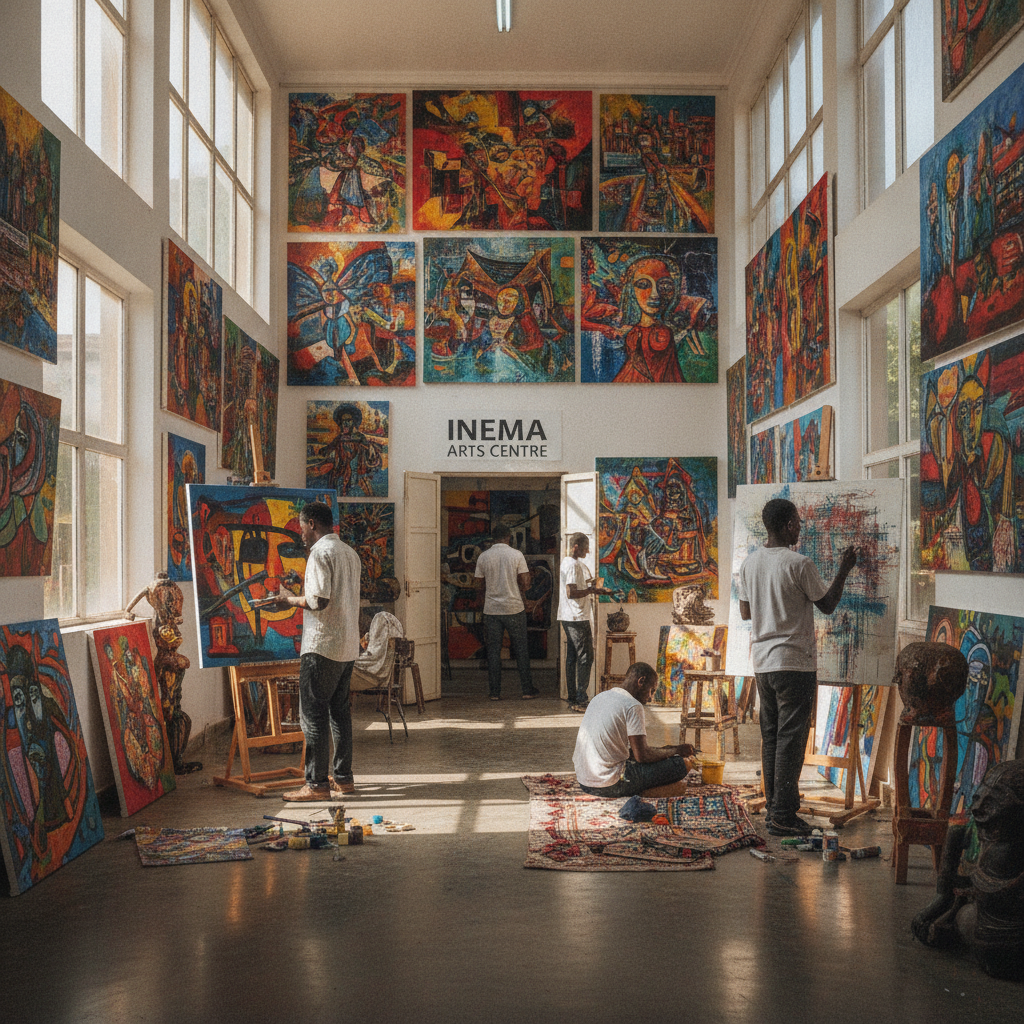
Rwanda and Kigali comprehensive summary: the complete practical planning guide with all key information for the gorilla trek, the Kigali city visit, Lake Kivu, and the Rwanda circuit. Summary (Route 1: Kigali overview, genocide memorial, gorillas, Kagame, conservation, practical reference: Route 2: reconciliation, gacaca, INEMA arts, Lake Kivu, cuisine, photography: Route 3: women in parliament, tech ambition, pre-colonial kingdom, Imigongo art, coffee, Rwanda legacy: Route 4: Virunga volcanoes, golden monkeys, Dian Fossey, twin lakes, cycling, gorilla economy: Route 5: Belgian colonialism, Habyarimana, UNAMIR failure, RPF victory, 30 years after). The Kigali hotel guide (luxury: the Kigali Marriott Hotel (city center: 254 rooms): the Radisson Blu (Kigali city center): the Retreat by Heaven (Kimihurura: boutique: rooftop pool with city view: the best view in Kigali): mid-range: the Park Inn by Radisson (city center): the Lemigo Hotel (the most popular hotel for gorilla trekkers combining Kigali stopover with Volcanoes National Park visit): near Volcanoes National Park: the Gorilla Guardians Village (traditional Rwanda thatched cottages: atmospheric): the Five Volcanoes Boutique Hotel (Kinigi: the gateway village to Volcanoes National Park)). The gorilla permit booking (the Rwanda Development Board (RDB) gorilla trekking booking portal: bookgorillas.rwd.gov.rw: USD 1,500 per person per day (2024): permits sell out months in advance for peak season (June-September and December-February): the trekking groups (a maximum of 8 tourists per gorilla family per day): the booking process (submit the permit booking form: wait for RDB confirmation: pay online by credit card: receive confirmation and permit): the park briefing (all permit holders report to the Volcanoes National Park headquarters at Kinigi village at 7am: briefing at 7am: departure to the trailhead by approximately 8am)). The Rwanda circuit (the optimal 7-day Rwanda circuit: Days 1-2: Kigali (genocide memorial, INEMA arts, Kimironko market, Kimihurura restaurants): Day 3: transfer to Volcanoes National Park (3 hours by road via Musanze): optional twin lakes stopover: Day 4: gorilla trekking: Day 5: golden monkey trekking or Bisoke volcano hike: Day 6: transfer to Lake Kivu (Rubavu/Gisenyi: 1 hour from Volcanoes National Park): Day 7: Lake Kivu boat trip and Congo Nile Trail section: return to Kigali (2.5 hours): evening flight).
- 2
Rwanda Health and Education - The Community Health Worker Model
Rwanda health and education transformation: the community health worker model, Mutuelle de Sante insurance, and the education legacy. The community health workers (the Rwandan community health worker system (the abahumagunzi (CHWs)): the primary interface between the Rwanda health system and the rural population: approximately 45,000 CHWs across Rwanda (three per village): trained to provide basic preventive health services, distribute medications, and refer complex cases to health centers: the services (malaria rapid tests and treatment: family planning (contraception distribution): antenatal care (pregnancy monitoring): child growth monitoring): the results (the Rwanda health transformation statistics: under-5 mortality (fell from approximately 230 per 1,000 live births in 1994 to approximately 35 per 1,000 in 2023: one of the fastest reductions in child mortality in the world): maternal mortality (fell from approximately 1,000 per 100,000 live births in 2000 to approximately 203 per 100,000 in 2023): HIV/AIDS (Rwanda has one of the most successful HIV/AIDS treatment programs in Africa: approximately 97% of people living with HIV who are on antiretroviral therapy have achieved viral suppression)). Mutuelle de Sante (the Rwanda community health insurance program): the community-based health insurance that covers approximately 90% of the Rwanda population: the premium (approximately USD 2 per person per year for the lowest income tier: tiered by income (higher income groups pay more): the coverage (the Mutuelle covers primary health care consultations, medications, and hospitalization in public health facilities)). The education (the Rwanda education system under the Competence Based Curriculum (CBC) introduced in 2015: the shift from rote learning to skills-based learning: the One Laptop Per Child program (the Rwanda government partnership with OLPC to provide laptops to primary school children): the science and technology focus in secondary education (Rwanda wants to be a knowledge economy by 2035)).
- 3
Kigali Social Scene - Kimihurura, Jazz, and the Kigali Club Circuit
The Kigali social and nightlife scene: the restaurant strip, live music, and the city nightlife. The Kimihurura strip (the Kimihurura Avenue restaurant and bar strip: the primary social area for the Kigali middle class and expatriate community: the restaurants (a diverse selection ranging from Rwandan brochette restaurants to Indian, Chinese, Ethiopian, and European cuisine): the Repub Lounge (the rooftop bar on the Kigali Convention Centre: the best city view in Kigali: excellent cocktails: the primary after-work venue for the Kigali business community): the Kigali Jazz Junction (the primary live jazz venue in Kigali: Sunday afternoon jazz sessions: one of the most civilized afternoon experiences in the city): the Papyrus (the rooftop restaurant and bar with Lake Kigali views)). The club scene (the Kigali club circuit: the Platinum Club (the primary nightclub of the Kigali upper middle class): the KBC (Kigali Business Club): the African Queen (the rooftop bar and club in the city center)). The live music (the Kigali live music scene: the Rwandan traditional music (the inanga (the Rwandan board zither): the ingoma (the Rwandan royal drum): performed at cultural events and tourism venues): the Kigali jazz scene (the Kigali Jazz Junction: Sunday afternoon live jazz)). The social calendar (the Kigali social events calendar: the Kigali Up music festival (annual: late October): the Kigali International Film Festival: the Swahili Fashion Week (Kigali hosts one of the East African fashion week events): the Rwanda Film Festival).
- 4
Goma and Nyiragongo - The Most Dangerous and Most Beautiful Border
The Rwanda-DRC border at Rubavu-Goma: the crossing into eastern Congo, the Nyiragongo active volcano, and the complex reality of the most troubled region in Africa. The border (the Rwanda-DRC border crossing at Rubavu (Rwanda) - Goma (DRC): one of the busiest land border crossings in Central Africa: thousands of people cross daily for work, trade, and family visits: the crossing is possible for tourists (DRC visa required): the Goma town (the DRC city of approximately 2 million people on the northern shore of Lake Kivu: the largest city in eastern DRC: the commercial hub of North Kivu province: the city most recently fell under the control of the M23 rebel movement (backed by Rwanda) in January 2024)). The Nyiragongo volcano (Mount Nyiragongo (3,470m): one of the world most active volcanoes (8 km north of Goma): the lava lake (Nyiragongo has the world largest persistent lava lake (a crater lake of molten lava that glows red at night and is visible from Goma): the eruption risk (Nyiragongo has erupted multiple times: the 2002 eruption sent lava flows through Goma destroying approximately 30% of the city and forcing approximately 400,000 people to evacuate: the 2021 eruption (May 22, 2021) again threatened Goma (the lava flow stopped short of the city center but came within 1-2 km of the runway at Goma airport)). The security situation (the eastern DRC (North Kivu and South Kivu provinces) has been a conflict zone since the First Congo War (1996): the M23 rebel movement (backed by Rwanda according to a UN panel of experts): the FDLR (the armed group descended from the Hutu extremists who fled to the Congo after the Rwanda genocide): the security situation makes independent travel to Goma extremely high risk for foreign visitors as of 2024).
- 5
Kigali Photography Deep Guide - Hills, Markets, and Memorial
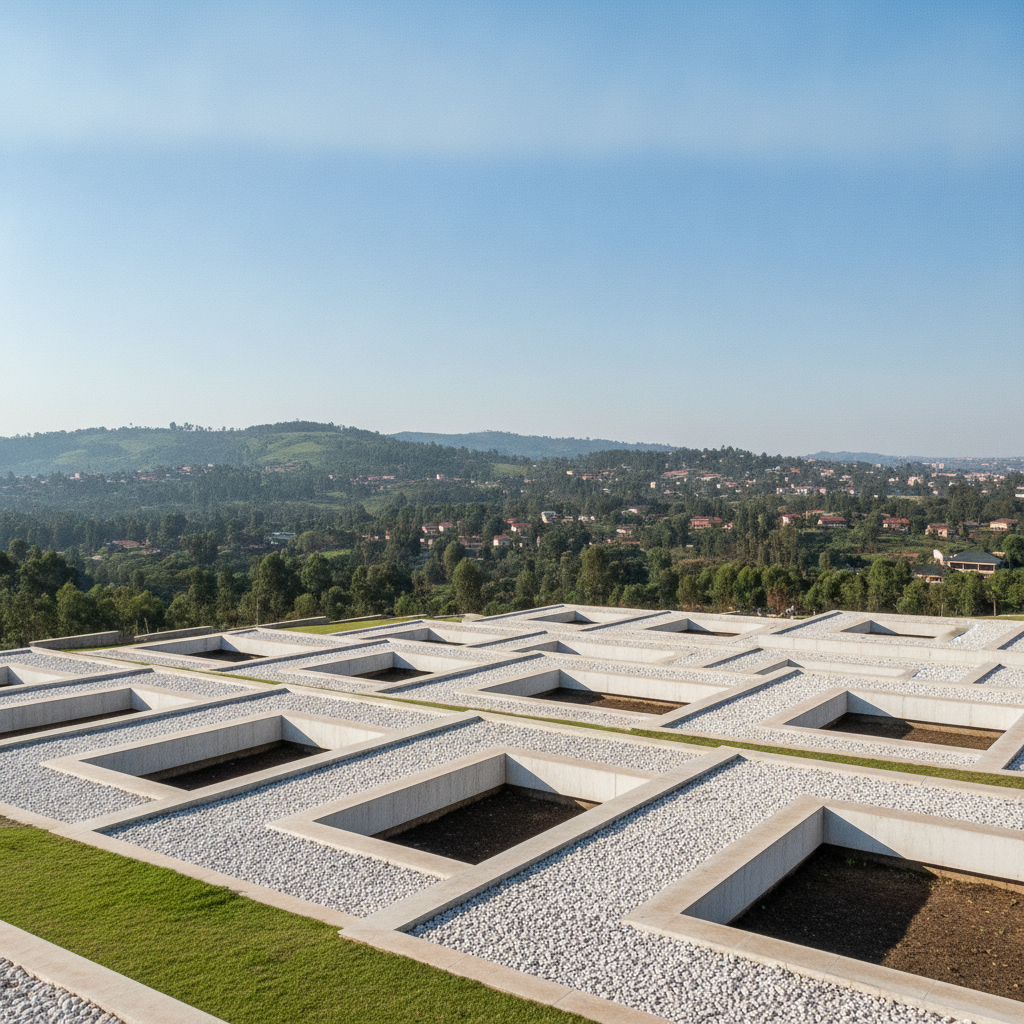
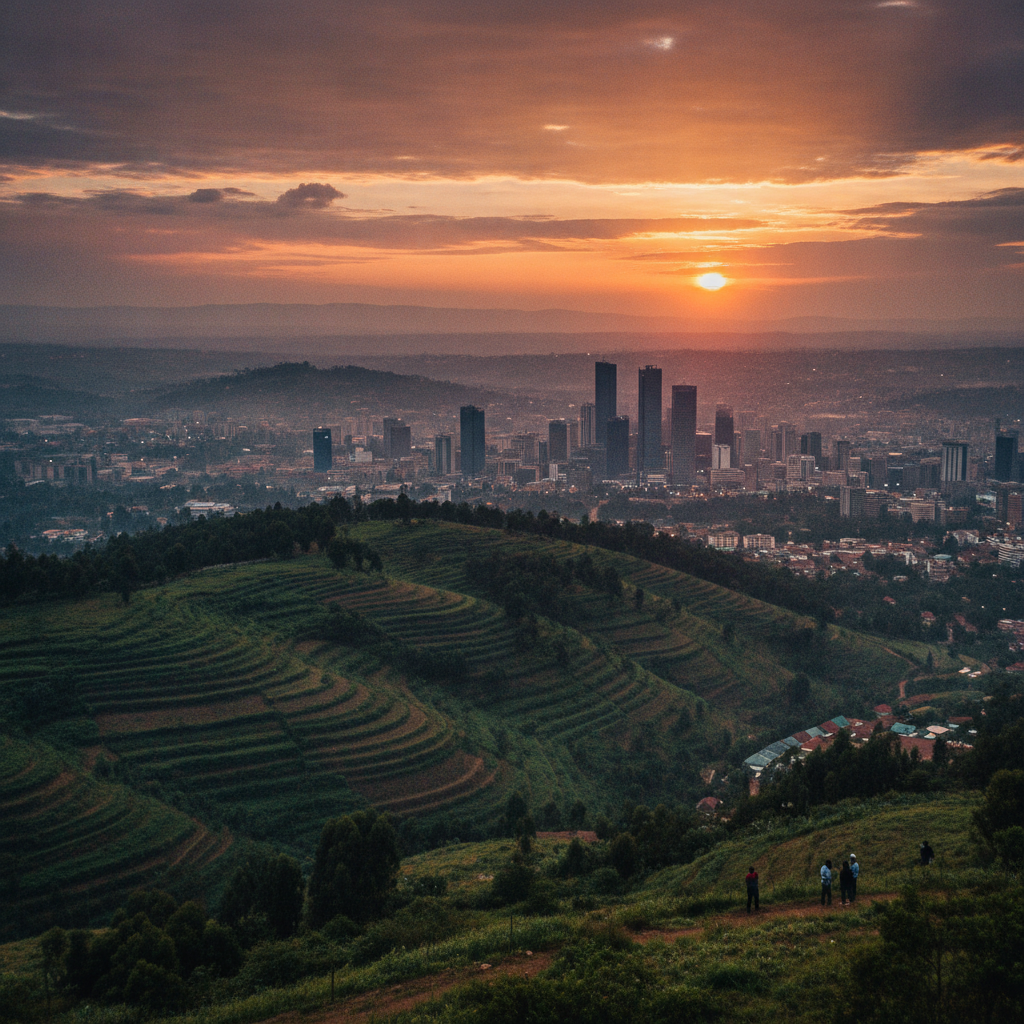
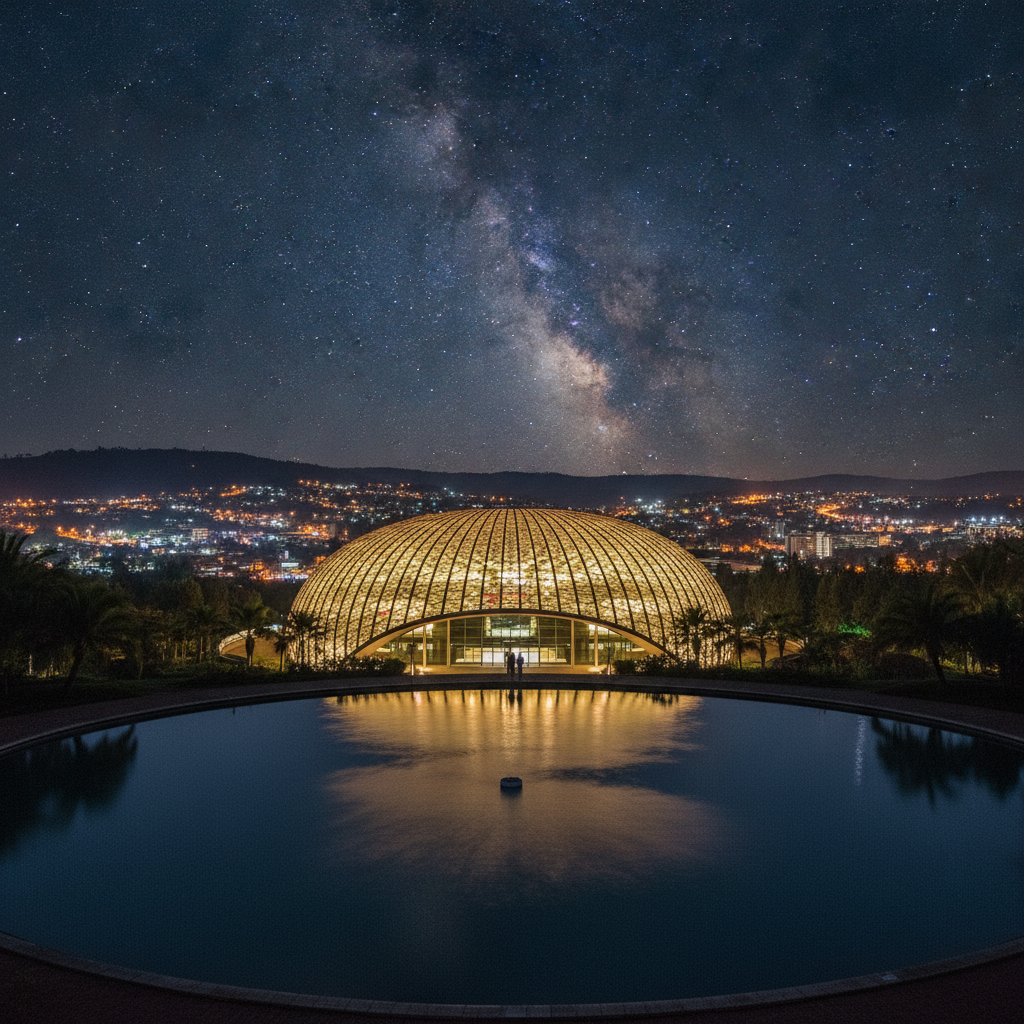
The Kigali photography guide in depth: how to photograph the city landscape, the markets, the memorial, and the street life of the Rwanda capital. The hilltop panoramas (the Kigali hilltop viewpoints: the city spreads across multiple hills and valleys creating a landscape of extraordinary visual interest: the primary viewpoints (the Kigali Heights development rooftop (the KN 5 Road area: free access to the shopping centre and the rooftop views): the Retreat by Heaven hotel rooftop (not free for non-guests but worth checking): the KCC dome (the Kigali Convention Centre: the panoramic view from the convention centre area at sunset when the city lights begin to appear across the hills): the neighborhood hilltops (the residential hills of Kimihurura, Nyamirambo, and Kacyiru provide informal viewpoints with authentic street life in the foreground)). The genocide memorial photography (the Kigali Genocide Memorial at Gisozi: a location that requires the utmost care and sensitivity: the mass graves (approximately 250,000 victims) are covered by concrete and tile: the memorial gardens (the terraced gardens above the mass graves): the museum (the museum interior photography requires explicit permission and should be approached with deep respect): the recommendation (spend at least 2 hours at the memorial: hire the audio guide: the experience will shape the entire Rwanda visit)). The Kimironko market (the largest market in Kigali: the photography (the color contrast of the fabrics section: the fresh produce: the crowd): the moto-taxi staging areas (the moto-taxis are everywhere in Kigali: the staging area near the Kimironko market (where dozens of helmeted motorcycle taxis wait for passengers) is one of the most characteristically Kigali street scenes)). Equipment (the Rwanda hill light: the altitude (approximately 1,567m) and the latitude (approximately 2 degrees south of the equator) create a bright but manageable light: the morning light (from the east: beautiful on the green hills of the western city): the evening light (from the west: illuminates the eastern hills of the city center): the rain (Kigali has two rainy seasons (March-May and October-December): afternoon rain showers are common: the post-rain light (the clean washed light immediately after a rain shower is exceptional for photography: the green of the hills intensifies dramatically).
- 6
Rwanda Final - The Most Important Small Country in Africa
Rwanda final legacy: why this small landlocked country of 14 million people is one of the most important and most instructive countries in Africa, and what the serious traveler takes away from the Land of a Thousand Hills. The importance (why Rwanda matters beyond its size (26,338 square km: one of the smallest countries in sub-Saharan Africa): the genocide (the 1994 genocide is one of the defining atrocities of the 20th century: understanding what happened in Rwanda and how requires engagement with the genocide memorial and with the history of colonial categorization and post-colonial political violence): the recovery (the Rwanda recovery is one of the most remarkable stories of reconstruction in modern history: the speed of the economic and social recovery, the quality of governance (relative to the regional average), and the cleanliness and order of Kigali are genuinely extraordinary): the gorillas (the mountain gorilla is one of the few great apes that is increasing in population: the Rwanda gorilla trekking program is the primary conservation funding mechanism for the mountain gorilla and one of the most successfully run wildlife conservation programs in the world)). The lessons (what Rwanda teaches the world: the possibility (that even from the worst destruction, a functioning and growing society can be rebuilt within a generation): the price (that the Rwanda development achievement has come with significant restrictions on political freedom and civil society): the sustainability (the unresolved question of whether the Rwanda model is transferable or unique to the specific historical circumstances of Rwanda): the Great Lakes (the Rwanda story cannot be understood without the DRC (the Congo wars that followed the genocide, the eastern Congo conflict that continues to this day, are part of the Rwanda story)). The traveler takeaway (the Rwanda visitor who engages seriously goes home changed: the genocide memorial confronts the worst of human capacity: the gorilla encounter confronts the best of what conservation can achieve: the cleanliness of Kigali and the umuganda community work confront comfortable assumptions about African urban governance: Rwanda is the most thought-provoking country in Africa).
Walk this route with audio
Stories play automatically as you reach each stop — no tapping needed.
More in Kigali
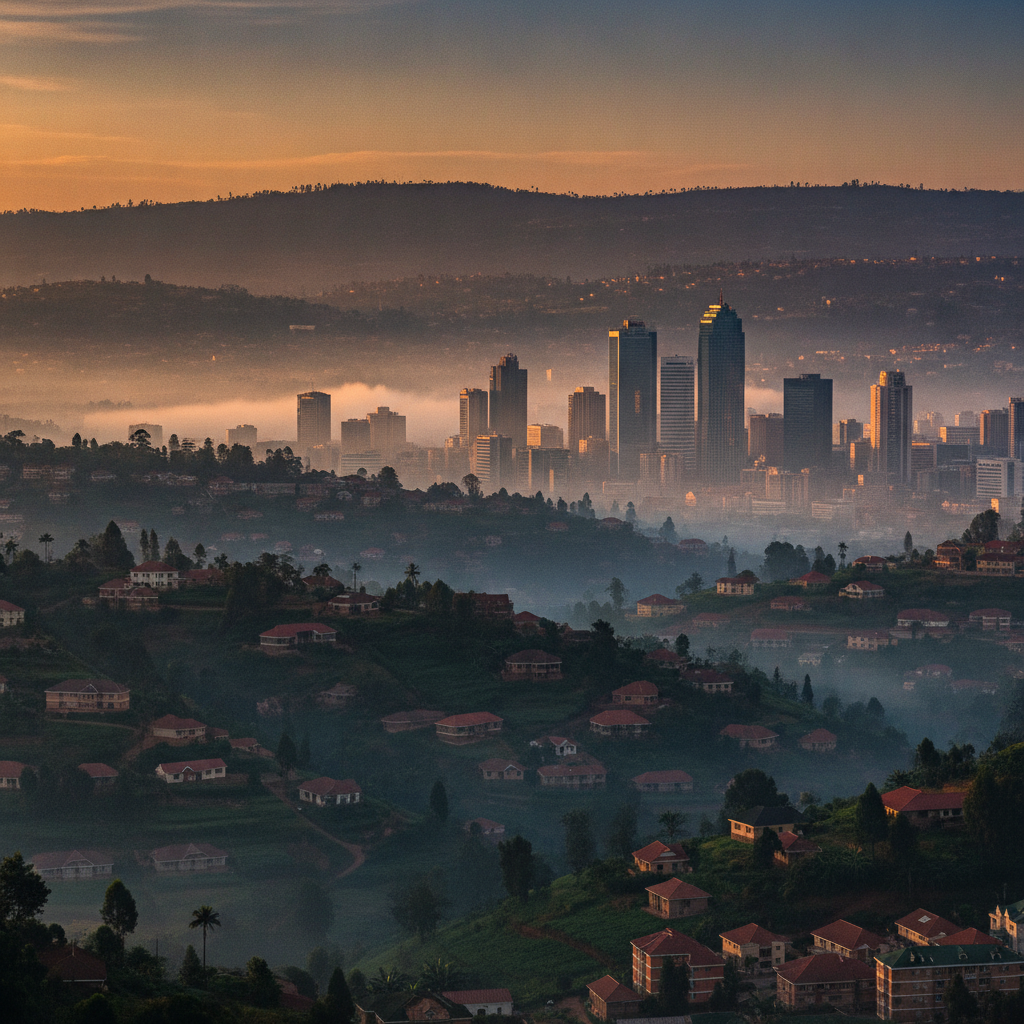
Kigali: Cleanest City in Africa, Genocide Memorial, Mountain Gorillas, Paul Kagame, and the Rwanda Miracle
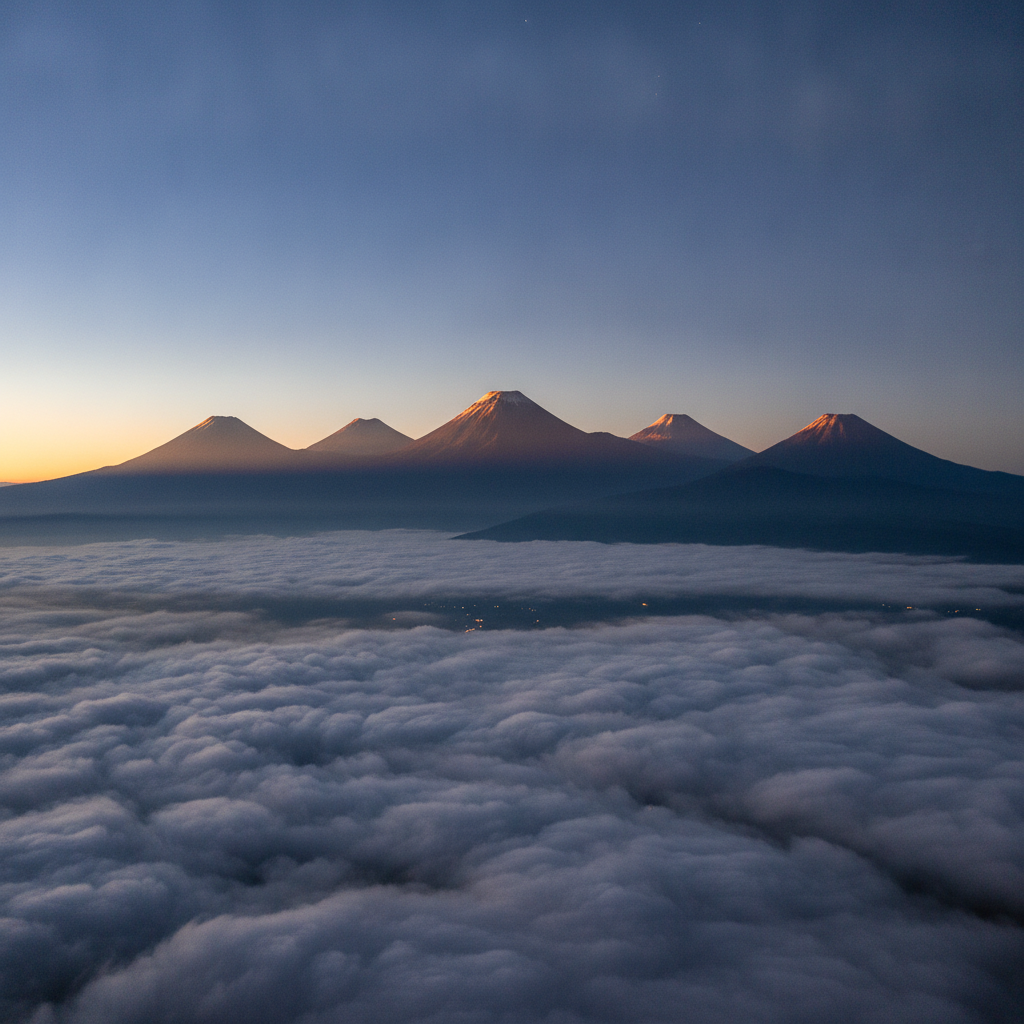
Kigali Outdoors: Virunga Volcanoes, Golden Monkey Trekking, and the Rwanda Highland Hikes
Kigali Extended: Women in Parliament, Tech Hub, Pre-Genocide History, and Final Rwanda Legacy
Kigali Reconciliation, Gacaca Courts, INEMA Arts, and Lake Kivu