Kigali Reconciliation, Gacaca Courts, INEMA Arts, and Lake Kivu
Rwanda reconciliation and the arts: the gacaca community courts that processed over 1.9 million genocide cases; the INEMA Arts Centre and the Kigali contemporary art scene; Lake Kivu and the Congo Nile Trail; Rwandan cuisine and the brochette culture; Kigali photography guide; and the Rwanda-Congo border region.
- 1
The Gacaca Courts - Rwanda Community Justice for the Genocide
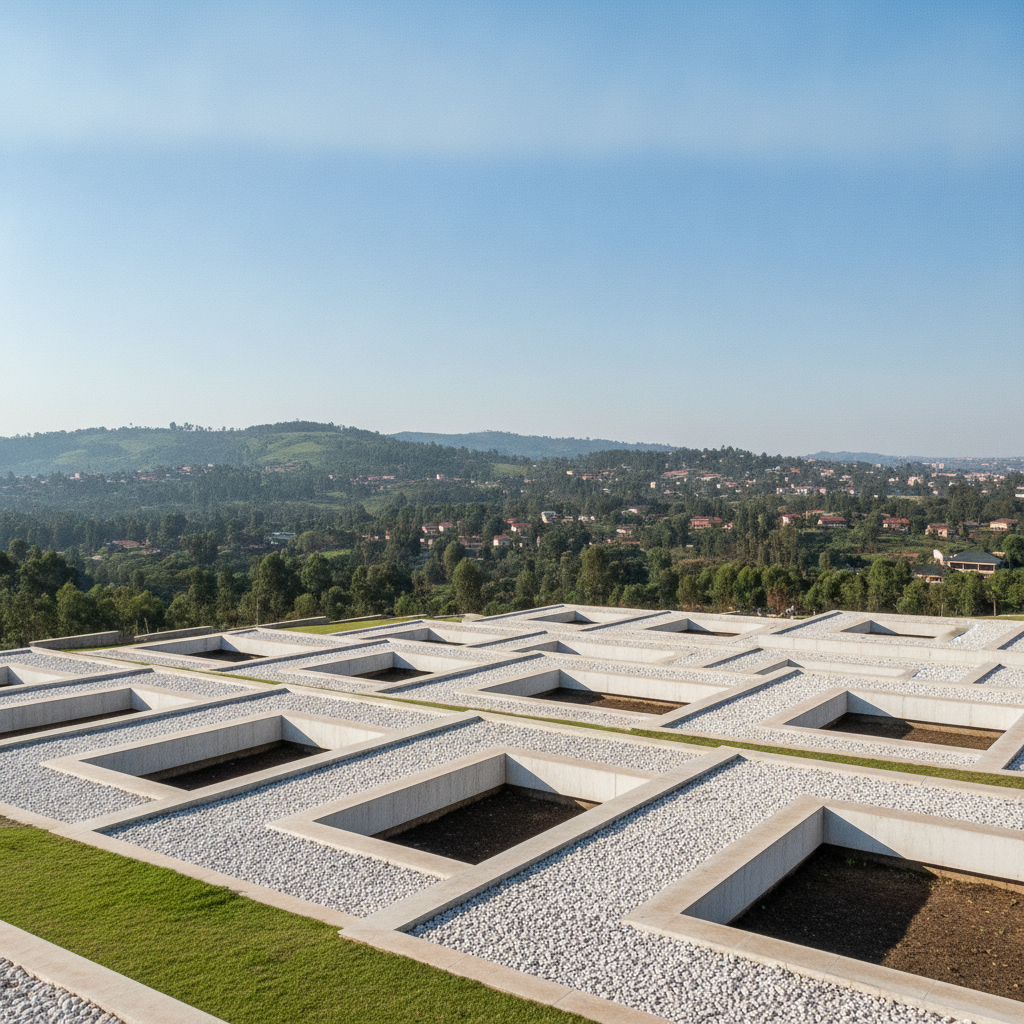
The gacaca courts (inkiko gacaca in Kinyarwanda: gacaca means justice on the grass): the community-based transitional justice system that Rwanda used to process approximately 1.9 million genocide cases, the most ambitious community justice initiative in history. The context (the scale of the justice challenge: after the genocide ended (July 1994) approximately 130,000 genocide suspects were held in Rwandan prisons (designed to hold approximately 45,000 people): the existing Rwandan court system was devastated by the genocide (many judges, lawyers, and court personnel had been killed): at the rate of the existing courts, processing the 130,000+ suspects would have taken over 100 years): the gacaca system (traditional Rwanda dispute resolution (the gacaca was a traditional pre-colonial Rwandan mechanism for resolving community disputes under the guidance of village elders (the inyangamugayo: people of integrity)): the modern gacaca courts adapted this tradition to process genocide cases: the gacaca law (Law No. 40/2000 of 26/01/2001): the gacaca courts were organized at the sector level (approximately 9,000 courts across Rwanda): each court presided over by 9 elected judges (the inyangamugayo: lay judges elected by the community): the categories of crime (Category 1: the planners and organizers of the genocide (processed by the formal courts and the International Criminal Tribunal for Rwanda (ICTR)): Category 2: killers (processed by the gacaca courts): Category 3: property crimes (processed by gacaca)). The results (approximately 1.9 million cases processed by the gacaca courts (completed 2012): of those tried approximately 65% were convicted: the gacaca confessions (perpetrators who confessed and provided truthful accounts received sentence reductions): the gacaca limitations (the gacaca system was criticized for not processing crimes committed by RPF soldiers during the same period (the one-sided justice problem): some witnesses faced intimidation and some confessions were disputed): the broader legacy (the gacaca system is studied internationally as a model of transitional justice in the aftermath of mass atrocity).
- 2
The INEMA Arts Centre and the Kigali Art Scene
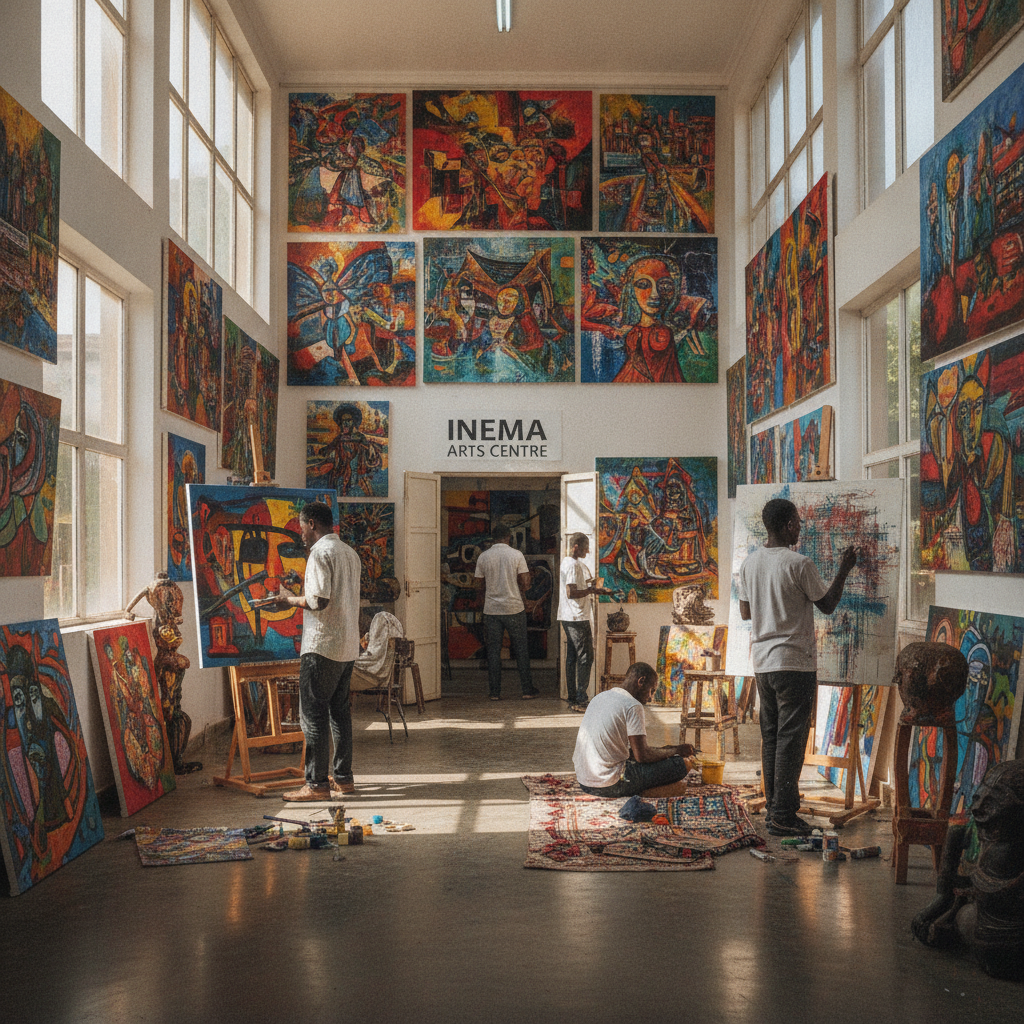
The INEMA Arts Centre: the primary contemporary art space of Kigali and the center of a rapidly growing East African art market. The INEMA Arts Centre (the INEMA Arts Centre (INEMA is an acronym for Initiative Ndimuye Munyarwanda Arts (The Arts Initiative): founded in 2012 by Rwandan artists Innocent Nkurunziza and Emmanuel Nkuranga: located in the Kimihurura neighborhood of Kigali: the centre has studio spaces for resident artists, a gallery exhibiting and selling their work, and workshop space for art education): the artists (the INEMA artists work in painting, sculpture, and mixed media: the work engages with Rwandan history (the genocide and reconciliation), the African cultural heritage, and the contemporary African urban experience): the gallery and shop (the INEMA gallery is one of the primary places in Kigali to buy original Rwandan contemporary art: the price range (small works from approximately USD 50 to large significant works at several thousand dollars)): the Kigali contemporary art scene (the Kigali art scene has grown significantly since 2010: the annual Kigali Up music and arts festival: the Rwanda Film Festival: the Swahili Fashion Week (Kigali also hosts a significant East African fashion event)). The Kimihurura area (the Kimihurura neighborhood of Kigali: the primary residential area for foreign professionals, NGO workers, and the Kigali upper middle class: the primary restaurant and nightlife area of Kigali: the restaurants and cafes of Kimihurura Avenue: the Repub Lounge rooftop bar).
- 3
Lake Kivu and the Congo Nile Trail
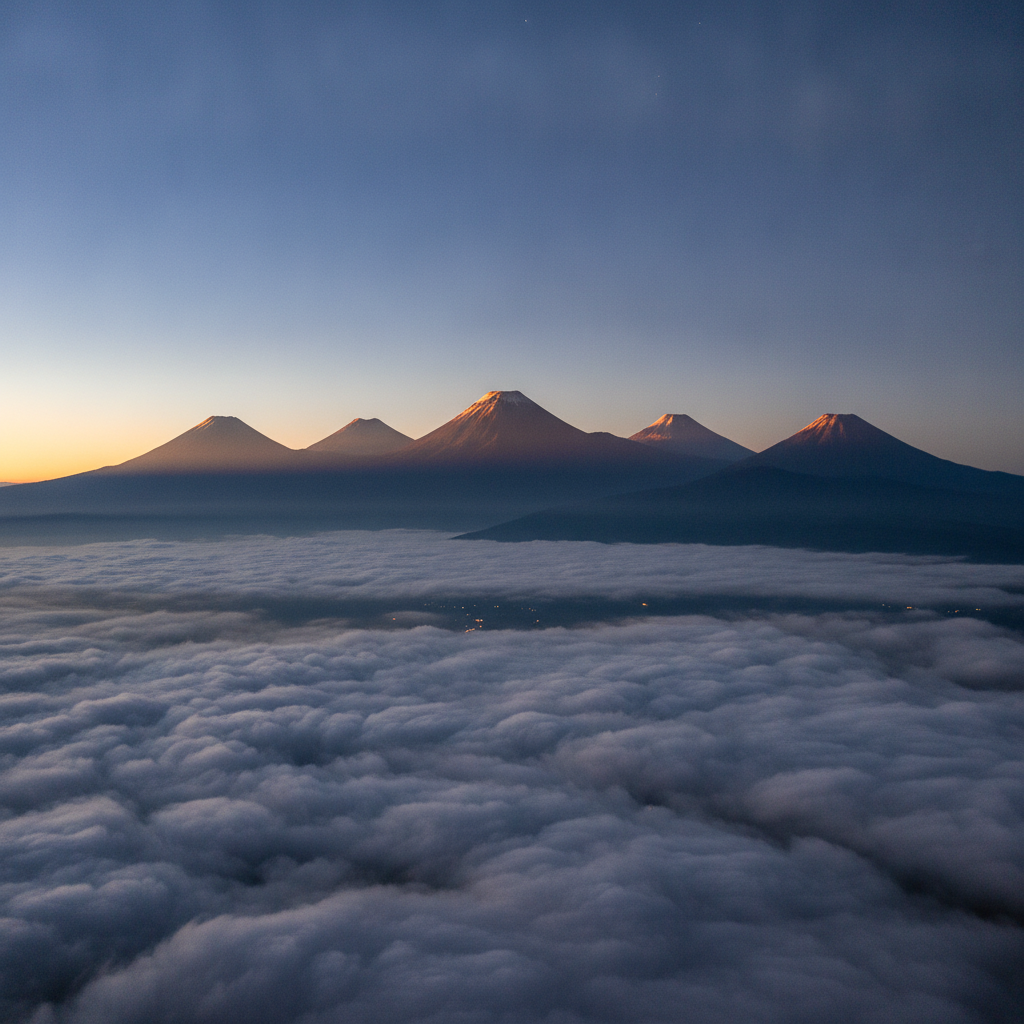
Lake Kivu: the lake on the Rwanda-DRC border, one of the most beautiful lakes in Africa, and the setting for the Congo Nile Trail, the primary cycling and trekking route of Rwanda. Lake Kivu (Lake Kivu: one of the African Great Lakes: on the border between Rwanda (to the east) and the Democratic Republic of Congo (to the west): area approximately 2,700 square km: depth approximately 480 meters: altitude approximately 1,460 meters above sea level: the lake is surrounded by the volcanic hills of the western branch of the East African Rift: the water is exceptionally clear and the hills surrounding the lake give it a Mediterranean character that is unusual in Africa). The methane hazard (Lake Kivu is one of only three known explodic lakes in the world (the others are Lake Nyos and Lake Monoun in Cameroon): the lake contains enormous quantities of dissolved carbon dioxide and methane (the gases derive from volcanic activity below the lake floor): the risk (a large seismic event could potentially destabilize the dissolved gases and cause a limnic eruption (a massive release of gas from the lake surface that would asphyxiate the surrounding population: approximately 2 million people live around Lake Kivu): the methane is also being commercially extracted (the KivuWatt project: a power generation project extracting methane from the deep layers of Lake Kivu and burning it to generate electricity (approximately 26 MW): a significant contribution to Rwanda electricity supply)). The Congo Nile Trail (the Congo Nile Trail: a 227 km hiking and cycling route along the western ridge of Rwanda between Rubavu (Gisenyi) on the northern shore of Lake Kivu and Rusizi (Cyangugu) on the southern shore: the trail runs along the ridge above Lake Kivu with views across the lake to the DRC: 2-7 days on foot: 3-5 days by bicycle: one of the finest long-distance trail experiences in East Africa). The Rubavu beach (the primary lake beach of Rwanda: in the town of Rubavu (formerly Gisenyi) on the northern shore of Lake Kivu: the beach at Rubavu is the closest swimming beach to Kigali (2.5 hours by road): the beach is popular with Kigali residents for weekend breaks: the border with the DRC (the Rwanda-DRC border crossing at Rubavu-Goma: the town of Goma (the DRC city across the border: a city of approximately 2 million people): the Nyiragongo volcano (the most active volcano in Africa) towers above Goma and has erupted multiple times in recent years).
- 4
Rwandan Cuisine and the Brochette Culture
Rwandan cuisine: the brochette and the beer culture, the traditional Rwandan foods, and the emerging Kigali restaurant scene that reflects the city cosmopolitan ambition. The brochette (the Rwandan brochette (the grilled meat skewer: the primary street food and social food of Rwanda): the types (beef brochette (the most common), goat brochette (the most prized), pork brochette, mixed brochette): the preparation (the meat is cut into small pieces, marinated briefly in spices and oil, threaded on a metal skewer, and grilled over charcoal: served with chips (deep-fried potato), salad, and hot sauce): the social function (the brochette stands (the roadside brochette stands are found throughout Kigali and every Rwandan town: the brochette stand is the primary social eating space for working men in Rwanda: similar to the nyama choma joint in Kenya or the suya stand in Nigeria)). Traditional Rwandan foods (the Rwandan traditional diet was primarily based on the staple crops of the Rwandan highlands: ubugali (the stiff porridge made from cassava flour or maize flour: the primary staple carbohydrate): isombe (cassava leaves cooked with palm oil and coconut milk: the most distinctively Rwandan vegetable dish): ibishyimbo (beans: the most important protein source in the traditional Rwandan diet: Rwanda is one of the largest per capita bean-consuming countries in the world): igitoki (the green banana (plantain) cooked in a variety of ways (boiled, steamed with meat, mashed)): ikivuguto (the traditional soured milk (fermented milk): a distinctively Rwandan beverage consumed primarily in the morning: the umuvure (the traditional Rwandan clay pot used for fermenting milk))). The Kigali restaurant scene (the cosmopolitan restaurant scene of Kigali (the city has a large community of international NGO workers, diplomats, and development professionals who have created demand for diverse international food): the Indian restaurants of the city center: the Ethiopian restaurants: the Chinese restaurants (Chinese workers involved in construction projects have brought Chinese restaurants to Kigali): the Rwandan craft beer scene (the Kigali craft beer scene is one of the most developed in East Africa (the Bourbon Coffee company: the Cocos Hut)). The Primus beer (Primus: the primary Rwandan beer (a lager brewed in Kigali by Bralirwa (the Rwandan brewery): the most popular beer in Rwanda: 720ml bottle: the standard social drinking vessel in Rwanda): Mutzig (the second major Rwandan beer brand)).
- 5
Kigali Photography Guide - Hills, Markets, and the Genocide Memorial
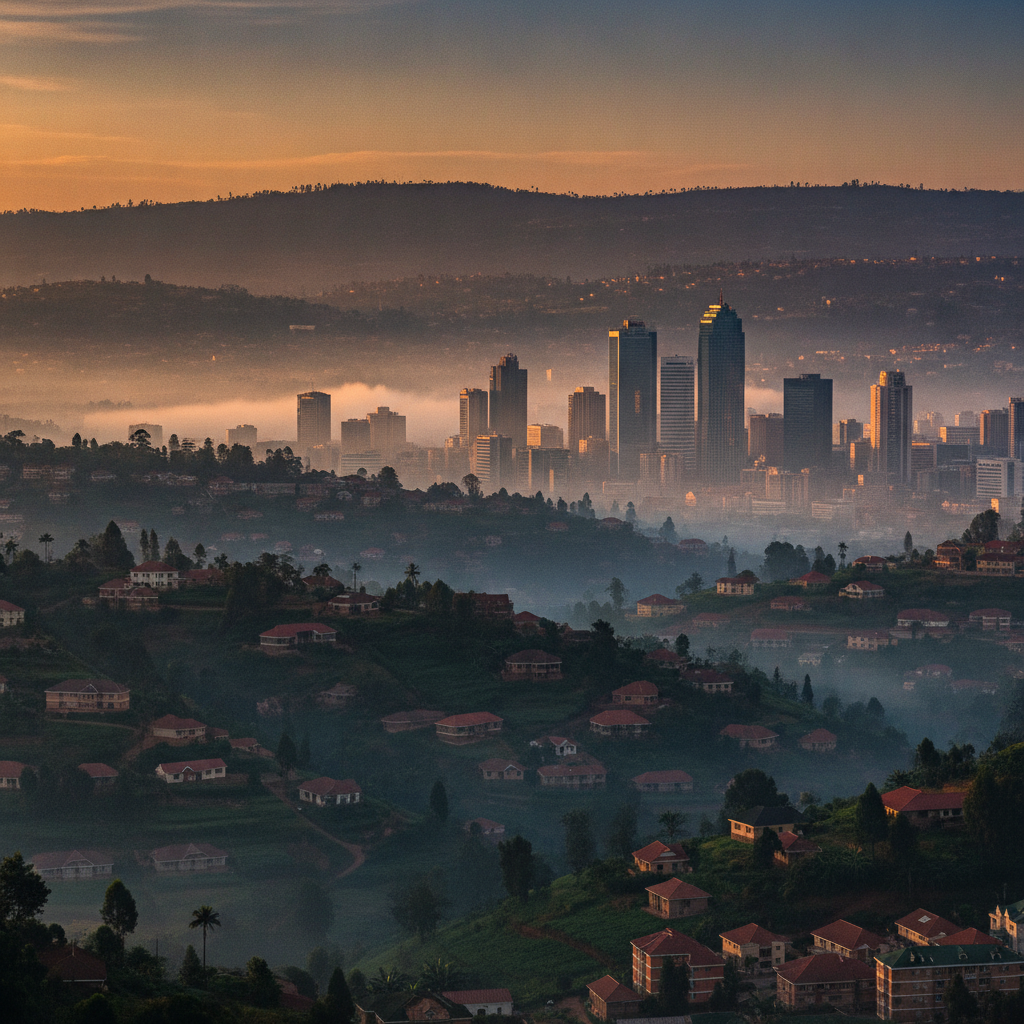
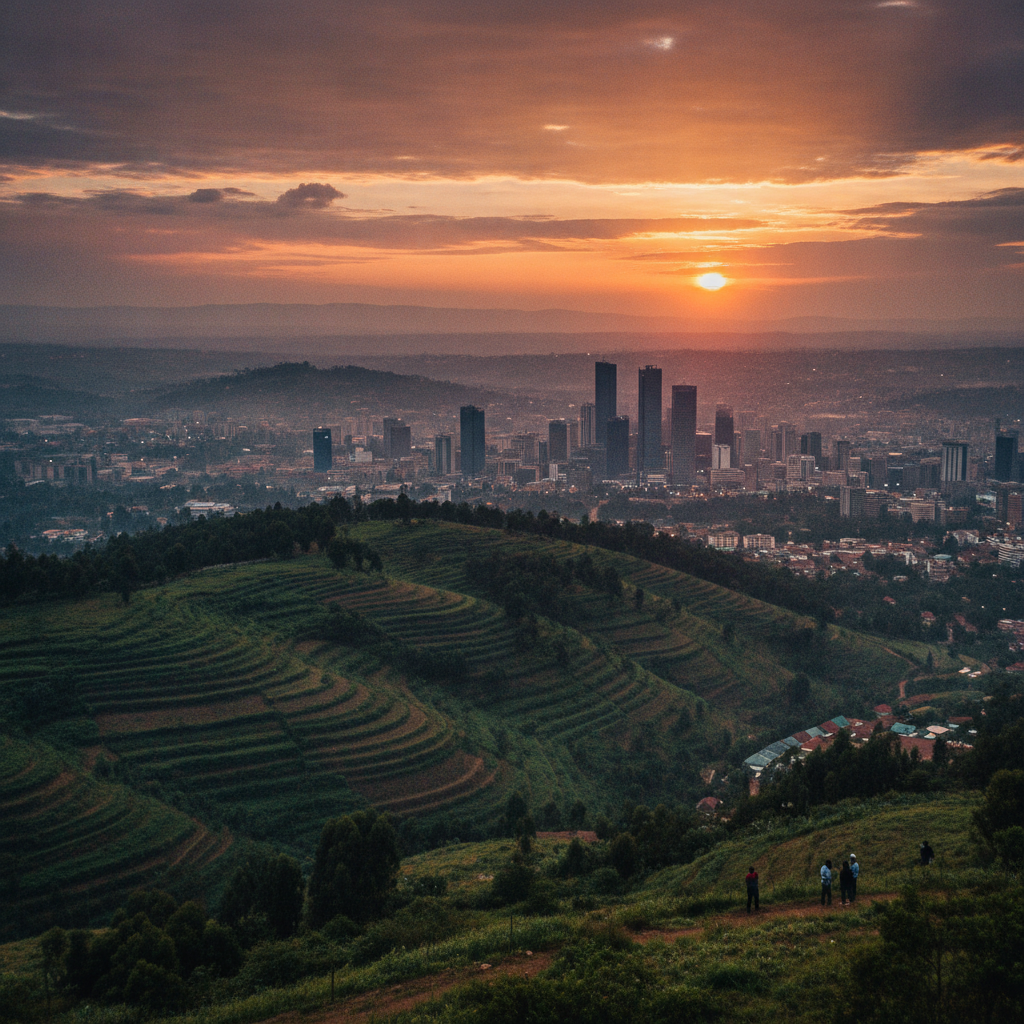
The Kigali photography guide: the hilltop views, the Kimironko market, the genocide memorial, and how to photograph the most ordered and photogenic capital city in East Africa. The hilltop views (the Kigali hills (the defining feature of Kigali photography): the city spreads across multiple hills and valleys with dramatic elevation changes: the primary viewpoints (the Kigali Convention Centre rooftop (the panoramic view of the city and the surrounding hills): the Kigali Heights development (the Kigali Heights mall rooftop): the Kimihurura hill (the residential hill with views across the valley to the central business district)). The Kimironko market (the Kimironko market: the largest market in Kigali: the primary source for everyday goods, produce, fabrics, and second-hand clothing: the market is more ordered and cleaner than most African urban markets (reflecting the Kigali general cleanliness): the photography in the market (the colorful fabrics section (the bright patterns and colors of the African printed fabrics): the vegetable and fruit section: the second-hand clothing mitumba section: the best photography time is the morning (9-11am)). The genocide memorial photography (the Kigali Genocide Memorial: an emotionally intense photography environment: the mass graves (approximately 250,000 victims buried in mass graves at the memorial): the outdoor memorial grounds are open for general photography but the museum interior photography requires permission and should be approached with maximum respect and sensitivity). The street photography (the Kigali street photography: the umuganda (the last Saturday of the month community cleaning: the most distinctive visual scene in Kigali: the entire city population working together cleaning streets and cutting grass): the motorcycle taxis (the moto-taxis: Rwanda famous motorcycle taxis: distinctive because all riders and passengers are required to wear helmets (the Rwanda motorcycle safety regulations are strictly enforced)): the schoolchildren in uniform).
- 6
Rwanda vs Burundi vs Uganda - Central African Neighbor Comparison
Rwanda compared with its Central African neighbors Burundi and Uganda: the contrasts and similarities among three small, densely populated countries of the Great Rift Valley region. Rwanda versus Burundi (the most direct comparison: Rwanda and Burundi are closely related (both were part of the pre-colonial kingdom system (Rwanda and Burundi (formerly Ruanda-Urundi): the German and Belgian colonial territories that shared a similar ethnic composition (Hutu majority, Tutsi minority, Twa) and similar colonial history (German East Africa then Belgian League of Nations mandate then Belgian UN trust territory)): the divergence (the two countries took dramatically different post-independence paths: Rwanda (the RPF takeover after the genocide produced a stable but authoritarian one-party development state): Burundi (political instability and periodic ethnic violence (Burundi civil war 1993-2005: approximately 300,000 killed: a further cycle of violence 2015-2018 after President Nkurunziza attempted to extend his presidential term against constitutional limits): the Burundi development record (the Burundi Human Development Index is one of the lowest in the world (Burundi is one of the five poorest countries in the world by GNI per capita)): the capital (Bujumbura: a lake-shore city on Lake Tanganyika: significantly less developed and less safe than Kigali)). Rwanda versus Uganda (Uganda (the larger northern neighbor: population approximately 49 million versus Rwanda 14 million): the Museveni era (Yoweri Museveni has been President of Uganda since 1986: a similar authoritarian developmental model to Kagame but with less economic success and more political repression of opposition (the arrest of Bobi Wine (the musician and opposition politician Robert Kyagulanyi) created significant international controversy in 2021)): the Uganda tourism (the Uganda tourism primary draw is also gorilla trekking in Bwindi Impenetrable National Park (the mountain gorillas of the Bwindi: approximately 40% of the world mountain gorilla population): the Uganda gorilla permit (USD 700 versus Rwanda USD 1,500: significantly cheaper): the Murchison Falls National Park (the Nile River flowing through a narrow gorge: dramatic falls: excellent elephant and buffalo viewing)). The comparison verdict (Rwanda wins on cleanliness, efficiency, safety, and development rate: Uganda wins on value for money gorilla trekking and the diversity of natural attractions: Burundi is the cautionary tale of the alternative path).
Walk this route with audio
Stories play automatically as you reach each stop — no tapping needed.
More in Kigali
Kigali: Cleanest City in Africa, Genocide Memorial, Mountain Gorillas, Paul Kagame, and the Rwanda Miracle
Kigali Outdoors: Virunga Volcanoes, Golden Monkey Trekking, and the Rwanda Highland Hikes
Kigali Final: Rwanda Planning Guide, Health Miracle, Goma Border, Photography, and Complete Legacy
Kigali Extended: Women in Parliament, Tech Hub, Pre-Genocide History, and Final Rwanda Legacy