Kigali History Deep Dive: Colonial Legacy, Habyarimana, and the Road to Genocide
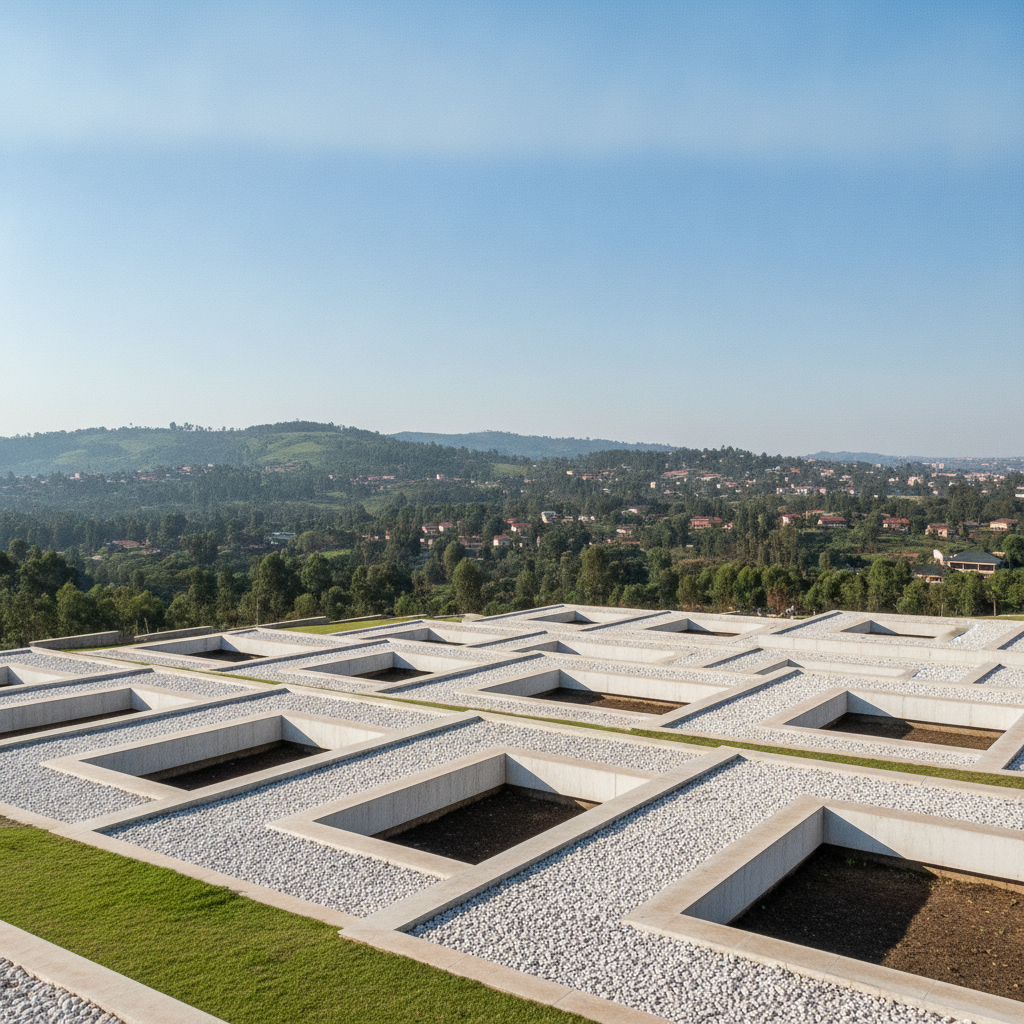
Rwanda history in depth: the Belgian colonial racial categorization that hardened Hutu-Tutsi divisions; the Habyarimana dictatorship and the extremist planning of the genocide; the RPF invasion from Uganda; the RTLM hate radio; the Gisozi memorial and the international failure; and the post-genocide reconciliation architecture.
- 1
Belgian Colonialism and the Hardening of Hutu-Tutsi Identity
The Belgian colonial system and how it transformed the relatively fluid Hutu-Tutsi social categories of pre-colonial Rwanda into rigidly defined racial identities that ultimately contributed to the genocide. The pre-colonial categories (the pre-colonial Rwanda social categories (Hutu, Tutsi, Twa): these categories existed in pre-colonial Rwanda but were primarily socioeconomic (a Hutu family that acquired cattle and wealth could become Tutsi over generations: the process of social mobility (kwihutura) allowed transition between categories): the Tutsi (approximately 14-17% of the pre-colonial Rwanda population: traditionally the cattle-owning class and the source of the ruling class (the mwami and the chief class)): the Hutu (approximately 80-85%: the farming majority): the Twa (approximately 1%: the forest-dwelling hunter-gatherer minority)). The German colonialism (Germany took control of Rwanda-Urundi in 1885 at the Berlin Conference: the Germans identified the Tutsi as a natural ruling class (the Hamitic Hypothesis: the 19th century colonial pseudo-science that attributed the achievements of East African kingdoms to the Tutsi supposed racial superiority (the supposed Nilotic or semi-Semitic origin of the Tutsi): the Hamitic Hypothesis was used to justify the use of the Tutsi chief class as indirect rulers under the German colonial system). The Belgian system (Belgium took control of Rwanda-Burundi from Germany after WWI (League of Nations mandate 1919): the Belgians intensified the racial categorization system: the identity card (the carte d attache: the Belgian identity card system introduced in 1933-1934 that permanently categorized every Rwandan as Hutu, Tutsi, or Twa: the categorization was based partly on cattle ownership (10 or more cattle equal Tutsi) and partly on physical measurement (the Belgians used pseudoscientific physical measurements (head size, nose width) to classify ambiguous cases): the card was permanent and inherited (once Tutsi, always Tutsi): the system removed the pre-colonial social mobility and locked the categories in place for generations). The decolonization violence (the Social Revolution (1959): the Hutu uprising (the Jacqueline) against Tutsi political dominance during the transition to independence: the Belgians switched their support from the Tutsi to the Hutu majority: approximately 150,000 Tutsi fled to Uganda, Burundi, and the Congo in 1959-1963: this refugee population (and their children born in Uganda) became the Rwandan Patriotic Front (RPF) that invaded Rwanda in 1990 and ended the genocide in 1994).
- 2
The Habyarimana Dictatorship and the Planning of the Genocide
The Habyarimana era (1973-1994) and the extremist planning of the genocide within the state apparatus. Juvenal Habyarimana (Juvenal Habyarimana: the Hutu military officer from northern Rwanda who seized power in a coup in July 1973 (overthrowing the government of Gregoire Kayibanda): Habyarimana ruled Rwanda as a one-party state under the MRND (Mouvement Republicain National pour le Developpement) from 1973 to 1994: the Habyarimana regime (a northern Hutu-dominated authoritarian state: the Tutsi minority was excluded from public positions (army, government, university enrollment quotas for Tutsi): the Tutsi were classified as inyenzi (cockroaches) by the extremist propaganda)). The RPF invasion (October 1, 1990: the RPF (the Rwandan Patriotic Front: the Tutsi exile force that had been fighting in the Ugandan National Resistance Army of Museveni) invaded northern Rwanda from Uganda: the RPF initial invasion force was approximately 4,000 fighters: the RPF was pushed back by the Rwandan army (supported by French and Belgian troops): the RPF reorganized and continued a guerrilla campaign for 4 years (1990-1994)). The genocide planning (the Arusha Accords (August 4, 1993): the peace agreement negotiated between the Habyarimana government and the RPF (brokered by Tanzania and international mediators): the Arusha Accords provided for a transition government including the RPF and a UN peacekeeping mission (UNAMIR): the Hutu extremists (the akazu (the inner circle of extremist Hutu Power politicians and military officers surrounding Habyarimana wife Agathe): the extremists opposed the Arusha Accords: the RTLM (Radio Mille Collines: the Hate Radio: launched July 1993: the radio station that broadcast anti-Tutsi propaganda using the language of extermination (inyenzi, inzoka (snakes)): the interahamwe militia (the Hutu youth militia trained and armed by the extremists in 1993): the assassination (April 6, 1994: Habyarimana plane shot down over Kigali airport: within hours the genocide began)).
- 3
UNAMIR and the Failure of the International Community
The United Nations Assistance Mission for Rwanda (UNAMIR) and the catastrophic failure of the international community to prevent or stop the genocide. The mission (UNAMIR (United Nations Assistance Mission for Rwanda): deployed in October 1993 following the Arusha Accords to monitor the ceasefire and assist in the transition: approximately 2,500 troops at its peak: the force commander was Lieutenant General Romeo Dallaire (a Canadian general)). The Dallaire cable (January 11, 1994: the most important document in the history of the genocide: General Dallaire sent a cable to UN headquarters in New York informing his superiors that an informant had provided evidence of systematic weapons caching and planning for the mass killing of Tutsi: Dallaire requested permission to seize the weapons: the response from UN headquarters (Kofi Annan was the head of UN Peacekeeping at the time): the request was denied: Dallaire was instructed to share the intelligence with the Rwandan government (the same government that was planning the genocide)). The withdrawal (the April 1994 killing of Belgian peacekeepers (April 7, 1994: 10 Belgian UN peacekeepers were captured and killed by the Rwandan army and interahamwe militia: the killing of the Belgians was apparently deliberately intended to provoke Belgian withdrawal from Rwanda): Belgium withdrew its forces from UNAMIR: the US Clinton administration (the Clinton administration, under pressure not to commit US forces to another African operation after the Mogadishu Black Hawk Down disaster of October 1993, actively opposed strengthening the UNAMIR mandate: the US State Department was instructed not to use the word genocide in public statements about Rwanda (to avoid the legal obligation to intervene under the 1948 UN Genocide Convention))). The legacy (Dallaire wrote Shake Hands with the Devil (2003: his memoir of the Rwanda genocide and the failure of the UN): Clinton apologized to Rwanda genocide survivors in 1998 (acknowledging the failure to act): Kofi Annan apologized in 1998).
- 4
The RPF Victory and the End of the Genocide
The RPF military campaign that ended the genocide and its complex legacy for Rwanda and the DRC. The RPF campaign (the RPF military offensive (April-July 1994): the RPF, under the military command of Paul Kagame, launched a military offensive in response to the genocide: the RPF forces (approximately 25,000 troops) fought their way from the northern border toward Kigali: the RPF captured Kigali on July 4, 1994 (Independence Day): the interim Hutu government fled to Zaire (now DRC) taking approximately 2 million Hutu refugees with them: the RPF declared a ceasefire on July 18, 1994 (the genocide was over after 100 days)). The refugee crisis (the refugee crisis (July-November 1994): the approximately 2 million Hutu Rwandan refugees who fled to Zaire (the Goma refugee crisis): the refugee camps at Goma (the camp population included both genuine civilian refugees and the interahamwe militia and former Rwandan army who had participated in the genocide): the cholera outbreak in the Goma camps (the worst cholera outbreak in modern history: approximately 50,000-80,000 people died in the Goma camps from cholera in the first weeks after the genocide ended)). The Congo wars (the RPF Congo intervention (1996-1997): the RPF/Rwanda military intervention in eastern Congo to destroy the interahamwe militia bases in the Goma refugee camps: the intervention triggered the First Congo War (1996-1997) that overthrew Mobutu Sese Seko and brought Laurent-Desire Kabila to power: the Second Congo War (1998-2003: also known as the African World War): the most devastating conflict in the world since World War Two (estimated 3.5-5.4 million deaths, primarily from disease and starvation): Rwanda and Uganda supported the rebel movements that fought against the Kabila government and the DRC state: the Congo wars remain unresolved (the eastern DRC conflict has continued with various permutations involving Rwandan-backed militias)).
- 5
Rwanda 30 Years After - Economy, Society, and the Next Generation
Rwanda 30 years after the genocide (1994-2024): the economic and social transformation, the emergence of a young Rwandan generation born after the genocide, and the unresolved questions about the future of the Rwanda model. The 30-year transformation (the statistics (life expectancy (1994: approximately 28 years (the genocide year): 2024: approximately 70 years (one of the most dramatic improvements in life expectancy in any country in history)): per capita income (1994: approximately USD 180 (2024: approximately USD 1,000): child mortality (under-5 mortality rate fell from approximately 230 per 1000 live births in 1994 to approximately 35 per 1000 in 2023: one of the most dramatic improvements in child survival in the world): access to health care (the Community Based Health Insurance program (Mutuelle de Sante): approximately 90% of Rwandans are enrolled in the basic health insurance scheme that covers primary health care)). The young generation (the generation born after 1994 (the first post-genocide generation is now in their late 20s and early 30s): this generation grew up without the identity cards (the identity cards showing Hutu, Tutsi, or Twa were abolished after the genocide: the Rwanda constitution (2003) prohibits ethnic discrimination and the public use of ethnic identity): the Rwanda government policy of national unity (the teaching of Rwandan identity rather than ethnic sub-identities in schools and public discourse): the question (whether the suppression of ethnic identity is a genuine reconciliation or a temporary political strategy)). The unresolved questions (the political succession (Paul Kagame is 66 years old (2024): the Rwanda constitution was amended in 2015 to allow Kagame to serve until 2034: the question of what happens after Kagame is the central uncertainty of Rwanda future): the DRC relationship (the eastern DRC conflict (the M23 rebel movement (backed by Rwanda) has controlled significant territory in eastern DRC including Goma (the major eastern Congo city) in 2024: creating a significant international crisis and straining Rwanda relations with the African Union, the UN, and Western donors)).
- 6
Kigali Six-Route Summary and Complete Rwanda Reference
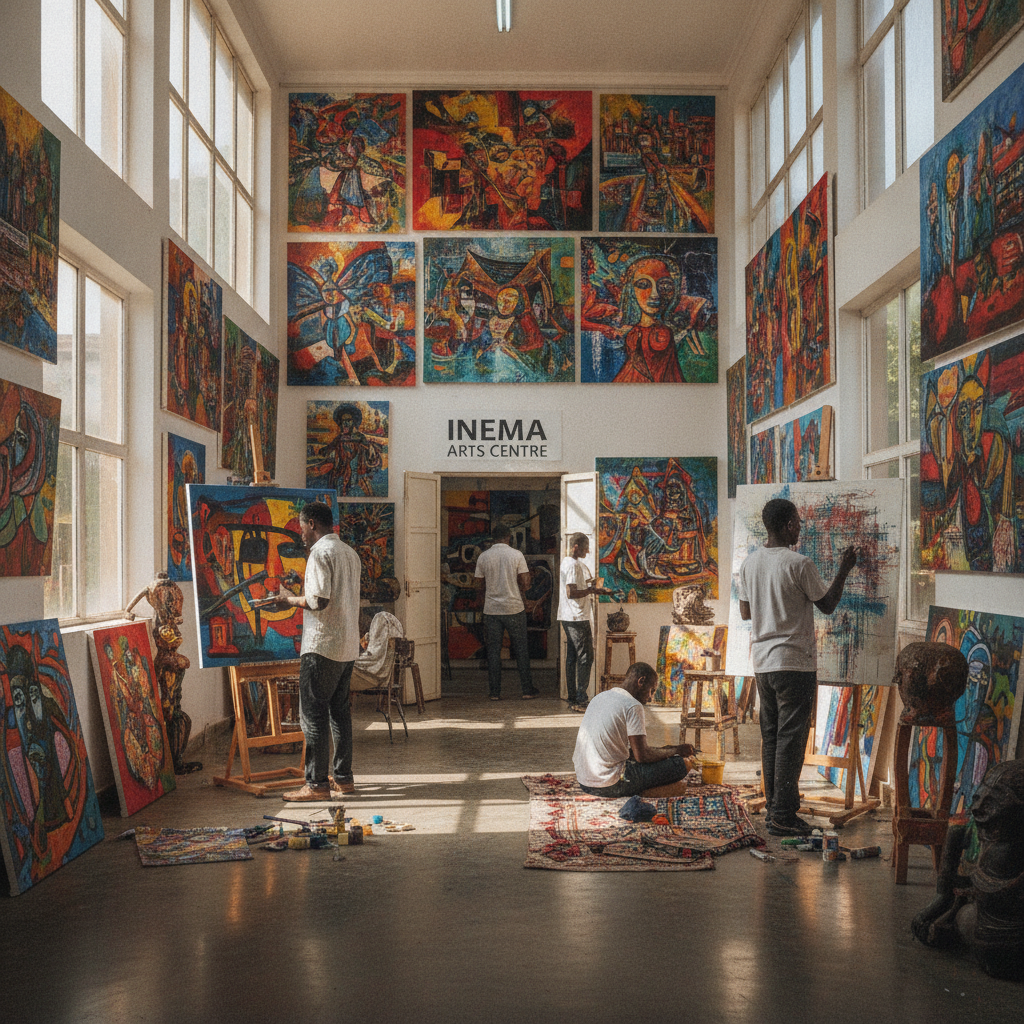
The complete Kigali and Rwanda summary across all six routes and the definitive practical planning reference. The six-route arc (Route 1: the Kigali miracle (the cleanest city, the genocide memorial, gorillas, Kagame, conservation): Route 2: reconciliation, gacaca courts, INEMA arts, Lake Kivu, cuisine, photography, neighbor comparison: Route 3: women in parliament, tech hub, pre-colonial kingdom, Imigongo art, coffee, final legacy: Route 4: Virunga volcanoes, golden monkeys, Fossey hike, twin lakes, cycling, gorilla economy: Route 5: colonial legacy, Habyarimana, UNAMIR failure, RPF victory, 30 years after: Route 6: this summary). The Rwanda at a glance (country: Rwanda (Repubulika y u Rwanda): capital: Kigali: population: approximately 14.1 million (2024): area: 26,338 square km (one of the smallest countries in Africa): languages: Kinyarwanda (national language), English, French, and Swahili (all official): currency: Rwandan Franc (RWF): USD 1 approximately RWF 1,300 (2024)). The complete planning reference (gorilla trekking (permit: USD 1,500 per person: book months ahead at bookgorillas.rwd.gov.rw: best season (June-September and December-January for dry weather)): the airport (Kigali International Airport (KGL): direct connections from Brussels (RwandAir), London Heathrow (RwandAir), Amsterdam (KLM), Dubai (RwandAir), Nairobi (Kenya Airways, RwandAir), Addis Ababa (Ethiopian Airlines)): health (yellow fever vaccination required from endemic countries: malaria prophylaxis recommended): visa (e-visa online at irembo.gov.rw: USD 30: many African nationalities visa-free): the umuganda (last Saturday of every month: Kigali businesses closed from 7am-noon: plan travel accordingly)). The final recommendation (Rwanda should be on every serious Africa traveler itinerary: the gorilla trekking is the primary draw but the depth of the Rwanda story (the genocide, the reconciliation, the development model, the INEMA arts, the Lake Kivu beauty) makes it a country that rewards a week or more of serious engagement: combine with Uganda for value gorilla trekking or with Tanzania for safari and Zanzibar: the most thought-provoking country in Africa).
Walk this route with audio
Stories play automatically as you reach each stop — no tapping needed.
More in Kigali
Kigali: Cleanest City in Africa, Genocide Memorial, Mountain Gorillas, Paul Kagame, and the Rwanda Miracle

Kigali Outdoors: Virunga Volcanoes, Golden Monkey Trekking, and the Rwanda Highland Hikes
Kigali Final: Rwanda Planning Guide, Health Miracle, Goma Border, Photography, and Complete Legacy

Kigali Extended: Women in Parliament, Tech Hub, Pre-Genocide History, and Final Rwanda Legacy