Isfahan History: Shah Abbas the Great, the Safavid Golden Age, the Persian Empire Architecture, and the Most Consequential Single Persian Dynasty
The Isfahan history route covers Shah Abbas the Great as the most consequential single Safavid ruler, the Safavid golden age, the Persian empire architecture, and Isfahan as the most significant single Safavid capital.
- 1
Shah Abbas the Great: The Safavid Visionary
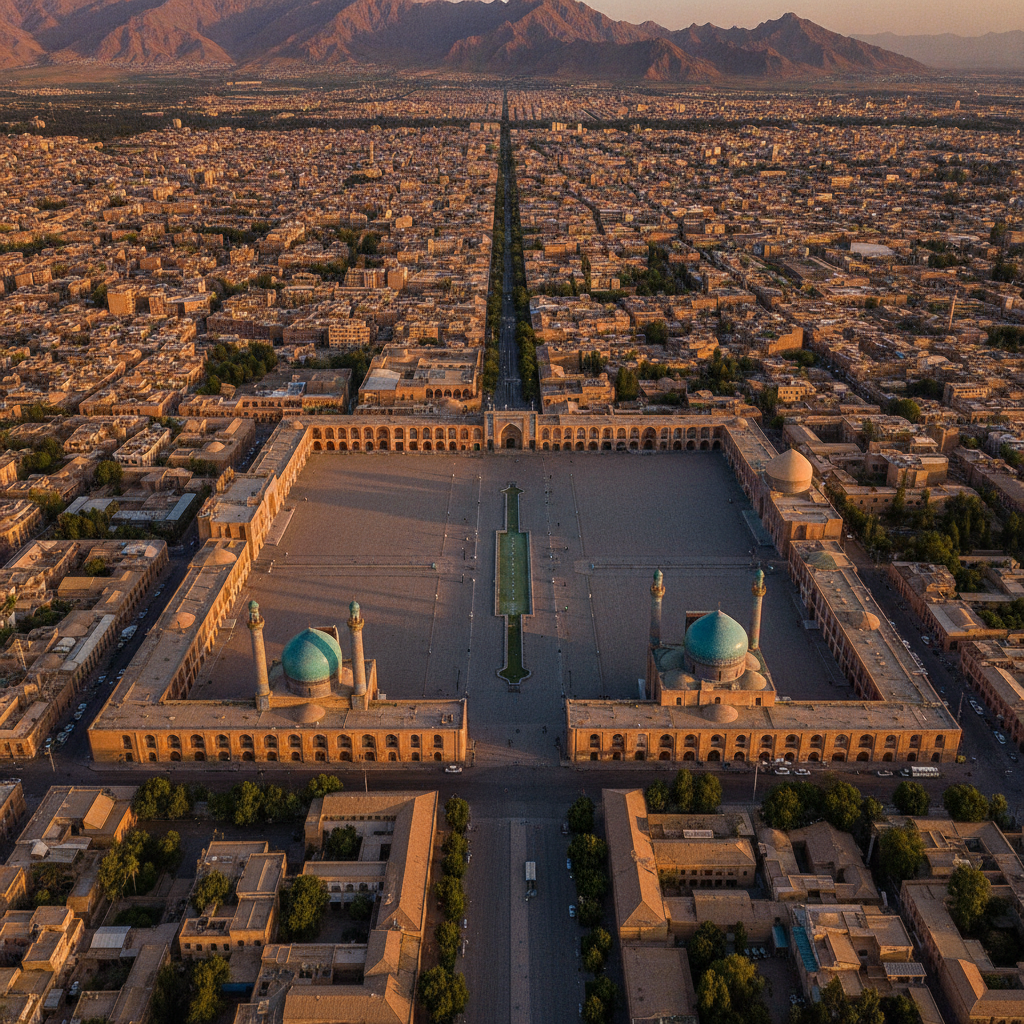
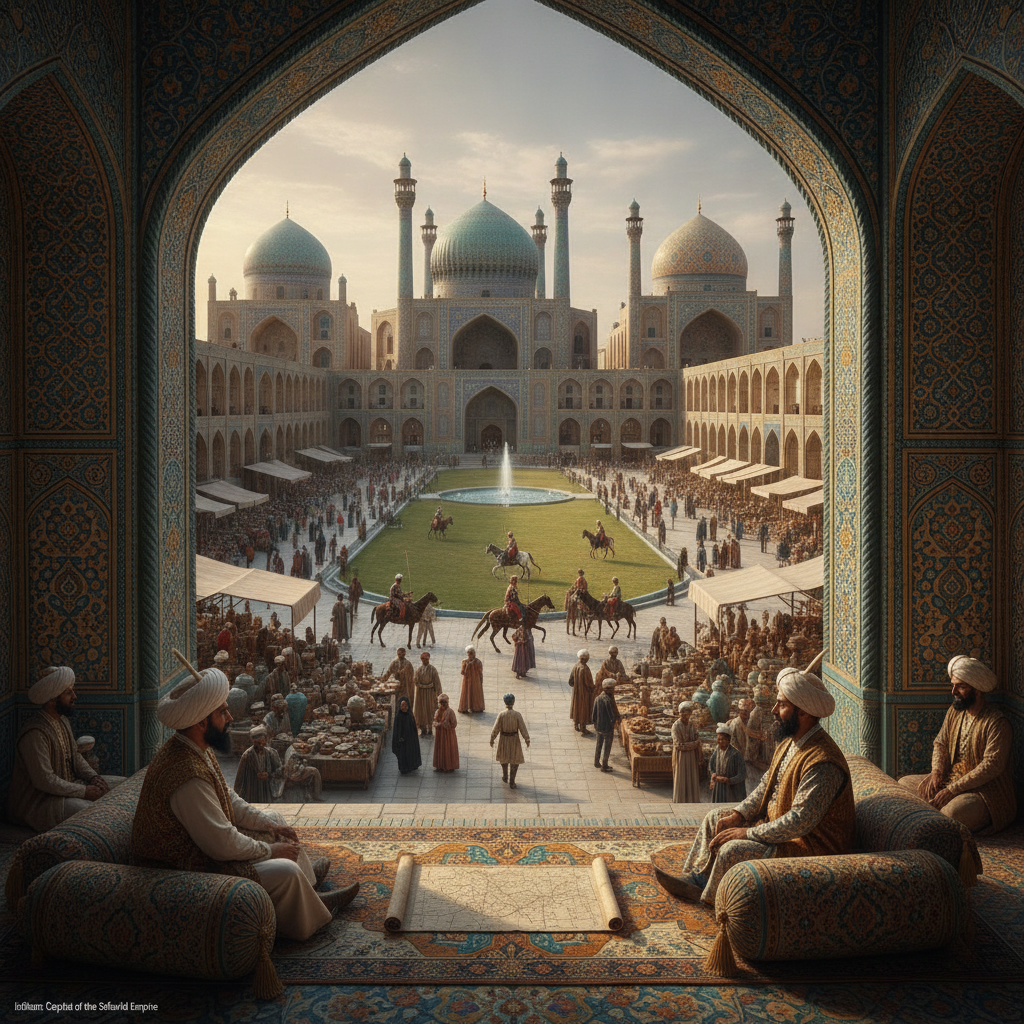
Shah Abbas I (the most consequential single Safavid ruler, reigning 1588-1629, who most completely relocated the most specifically Safavid capital from Qazvin to Isfahan in 1598 creating the most comprehensively planned single Islamic capital with the most specifically Naqsh-e Jahan Square as the most deliberately monumental single royal urban statement, who most effectively united the most geographically vast single Persian Empire against the most specifically Ottoman and Uzbek single external threat), is the most historically decisive single Persian ruler since the most specifically Achaemenid Cyrus the Great.
- 2
Safavid Golden Age: The Persian Renaissance
The Safavid golden age (1501-1736, the most culturally productive single Persian dynastic period with the most specifically Shia Islam single state religion establishment, the most comprehensively Persian miniature painting, the most elaborately tile-craft, the most specifically silk-weaving and carpet single craft culmination in the most artistically productive single Isfahan royal workshop, and the most diplomatically sophisticated single Safavid court diplomacy with the most specifically English East India Company and European single royal court exchange), is the most artistically significant single Persian historical period.
- 3
Hasht Behesht Palace: The Eight Paradises
Hasht Behesht Palace (the most specifically Safavid single garden pavilion in Isfahan with the most elaborately painted single royal chamber, the most specifically eight-room single Safavid palace plan inspired by the most traditionally Islamic single eight-paradise cosmological concept, surrounded by the most completely restored single Persian garden with the most dramatically rose-and-plane-tree single traditional planting), is the most romantically named single Safavid royal residence and the palace most directly embodying the most specifically Persian single earthly paradise garden concept.
- 4
Charbagh Avenue: The Royal Boulevard
Charbagh Avenue (the most specifically Shah Abbas single royal processional boulevard of the most completely four-garden single divided-plane tree promenade extending from the most specifically Naqsh-e Jahan Square southward to the most directly Zayandeh River single Khaju Bridge, creating the most comprehensively designed single Isfahan urban axial plan in the most specifically 17th century single Persian urban design tradition), is the most historically significant single Isfahan urban infrastructure and the most directly Shah-Abbas single urban planning legacy visible in the most practically walkable single contemporary Isfahan boulevard.
- 5
Safavid Diplomacy: The European Connection
Safavid diplomatic relations with Europe (the most specifically pragmatic single Safavid-European anti-Ottoman alliance strategy pursued by Shah Abbas with the most comprehensively English, Dutch, and Spanish single diplomatic mission received at the most specifically Abbas-hosted single Naqsh-e Jahan Square royal reception, creating the most directly Iranian-European single early modern diplomatic exchange and the most specifically East India Company single Persian Gulf trade relationship), is the most internationally significant single Safavid foreign policy achievement.
- 6
Zayandeh River: The Life Source of Isfahan
The Zayandeh River (the most specifically Isfahan-defining single watercourse with the most comprehensively bridge-architecture single Persian bridge tradition including Si-o-se Pol, Khaju Bridge, and Marnan Bridge, the most dramatically illuminated single night bridge in the most specifically Safavid-era single Isfahan urban social gathering space created at the most practically animated single river-bridge promenade), is the most geographically defining single Isfahan natural feature and the river most directly responsible for the most historically agricultural single Isfahan urban settlement possibility in the most specifically Iranian plateau single arid landscape.
Walk this route with audio
Stories play automatically as you reach each stop — no tapping needed.
More in Isfahan
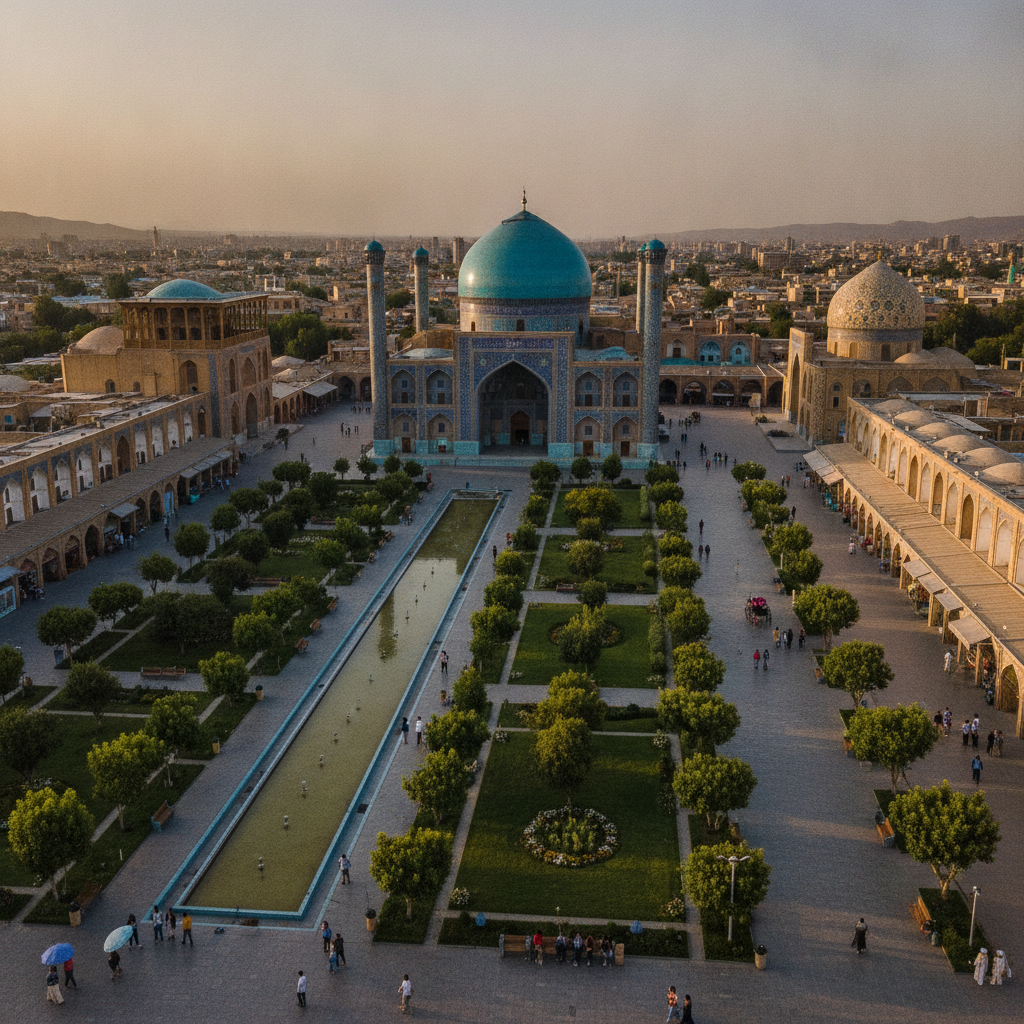
Isfahan Essential: Naqsh-e Jahan Square, the Imam Mosque, Ali Qapu Palace, the Zayandeh River Bridges, and the Most Beautiful Single City in the Islamic World
The Julfan Armenian Trading Network Extending from Manila to Amsterdam as the Most Geographically Extensive Private Network in the Pre-Modern World, Mulla Sadra Teaching the Philosophy That Still Dominates Qom Seminaries & the Persian Qanat Delivering Water by Gravity Through 40km of Underground Tunnels
Isfahan Arts: The Miniature Painting, Tile-Making, the Artisan Workshops, the Traditional Crafts, and the Most Comprehensively Craft-Rich Single Iranian City
Isfahan Food: The Persian Cuisine, Dizi Lamb Stew, Beryani, Zereshk Polo, and the Most Historically Refined Single Persian Culinary Tradition
The Shah Mosque 7-Fold Echo Engineered to Amplify the Friday Sermon, the Sheikh Lotfollah Dome Changing Color from Cream to Pink Through the Day & the Naqsh-e Jahan Square Polo Goals Still Standing After 400 Years