Gaborone: Kalahari Lion, Southern Africa Overland Route, Gaborone Lifestyle, Education and HIV Response, Botswana vs Rwanda
Botswana culture and comparison: the Kalahari lion and Deception Valley, the classic southern Africa overlanding route, Gaborone lifestyle and Phakalane, the Botswana free education and Masa HIV antiretroviral program, and the Botswana vs Rwanda African development model comparison.
- 1
The Kalahari Lion - Desert-Adapted Predators and the Deception Valley
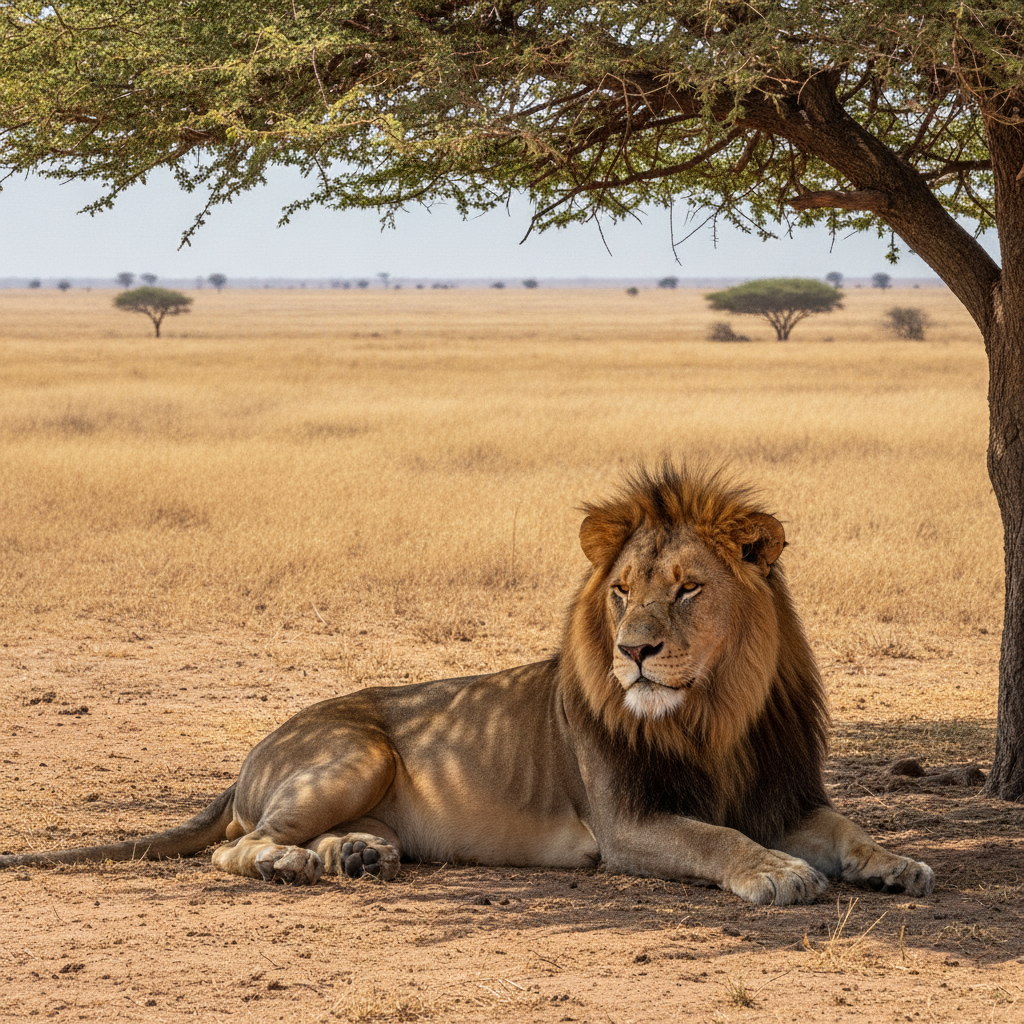
The Kalahari lion (Panthera leo): the lions of the Kalahari are known for their exceptional size (Kalahari males often carry the largest and darkest manes of any African lion population) and their adaptation to the semi-arid environment. The Central Kalahari Game Reserve: one of the few areas where lions have learned to hunt large antelope (gemsbok, eland) in desert conditions where water is scarce. Deception Valley (within the CKGR): the area made famous by the book Cry of the Kalahari by Mark and Delia Owens (1984), who conducted a pioneering study of the predator ecology of the Kalahari in the 1970s-1980s. The book describes the lions, hyenas, and jackals of the Deception Valley in detail. The CKGR self-drive safari (for which a self-sufficient 4x4 is essential: the CKGR tracks are remote, soft sand, with no petrol or water supply in the reserve): the most demanding and rewarding self-drive in Botswana. The recommended CKGR self-drive: enter via the Matswere gate, camp at Deception Valley or Piper Pans.
- 2
The Botswana Overland Route - The Classic Trans-Africa Journey
Botswana is the geographic heart of the classic southern African overland route. The overlanding trucks (the modified all-terrain trucks operated by companies including Oasis Overland, Nomad Africa, and G Adventures): the converted trucks carrying 12-24 passengers on multi-month overland journeys from Cape Town northward to Nairobi. The Cape Town to Nairobi route (the most comprehensive southern Africa overland): Cape Town, Namibia (Swakopmund, Sossusvlei, Etosha), Zambia (Victoria Falls, South Luangwa), Tanzania (Serengeti, Ngorongoro, Zanzibar), and Nairobi. The southern Africa standalone circuit: Cape Town, Swakopmund, Victoria Falls, Chobe, Maun (Okavango), Johannesburg. Botswana is accessible to overland vehicles on the main A1 highway (paved throughout) with 4x4 required only for game reserve access. The Botswana self-drive (the preferred mode for independent travelers): the petrol stations on the A1 highway are reliable; GPS essential; mobile signal unreliable in remote areas; satellite phone recommended for Kalahari self-drive.
- 3
Phakalane Golf Estate and the Gaborone Lifestyle
The Gaborone lifestyle: a comfortable, mid-sized city with the advantages of a well-organized, low-crime capital. The Phakalane Golf Estate (approximately 10 km north of Gaborone CBD): the primary upscale residential and resort development in Gaborone, with a 36-hole golf course and estate housing. The Game City Mall and the Riverwalk Mall: the primary upscale shopping centers of Gaborone. The Gaborone Dam: the primary water reservoir for the city, also a recreational area for kayaking and cycling. The RLR Hotel and the Avani Gaborone: the primary business-class hotels for conference and embassy visitors. The Gaborone restaurant scene: limited but growing. The Sanitas Tea Garden (in the Sanitas suburb): the most pleasant outdoor dining destination in Gaborone. The Masa Square and the Main Mall: the primary retail and commercial center. The national stadium (the Botswana National Stadium in Gaborone): the venue for Botswana national football team matches.
- 4
The Botswana Education System - The Human Capital Investment
The Botswana education investment: one of the most significant non-diamond contributors to the Botswana success story. After independence the Botswana government invested heavily in education, making primary school free and later extending free education to secondary level. The University of Botswana (the national university, established 1982 in Gaborone): the primary higher education institution. The Botswana Accountancy College: the primary professional training institution. The result of education investment: Botswana literacy rate is approximately 88%, one of the highest in sub-Saharan Africa. The Botswana HIV/AIDS crisis and response: Botswana had one of the highest HIV/AIDS prevalence rates in the world in the late 1990s-early 2000s (approximately 35% of adults). The government response (the Masa program, 2002): the first government-funded universal antiretroviral treatment program in the developing world, funded by the diamond revenues. By 2024 the HIV prevalence has been reduced to approximately 19% of adults and the AIDS-related death rate has declined dramatically.
- 5
The Botswana vs Rwanda Model - African Development Compared
The Botswana vs Rwanda development comparison: the two most widely discussed models of successful African post-independence development. Botswana: natural resource-based development (diamonds), long-term democratic governance, minimal corruption, but very high inequality (Gini coefficient approximately 53) and population 2.6 million. Rwanda: no significant natural resources, authoritarian governance under Paul Kagame (since 2000), zero-tolerance corruption, fast growth driven by services and tourism, population 14 million. Both countries achieve consistently high ratings in African governance indexes. The key differences: Botswana has a higher GDP per capita but greater inequality and is dependent on a non-renewable resource; Rwanda has more diversified economic growth but fewer political freedoms. The Botswana experience: the most frequently cited example of the resource blessing (when natural resources are managed correctly, they can support development) rather than the more common resource curse.
- 6
Gaborone Five Routes Complete and the Botswana Travel Synthesis
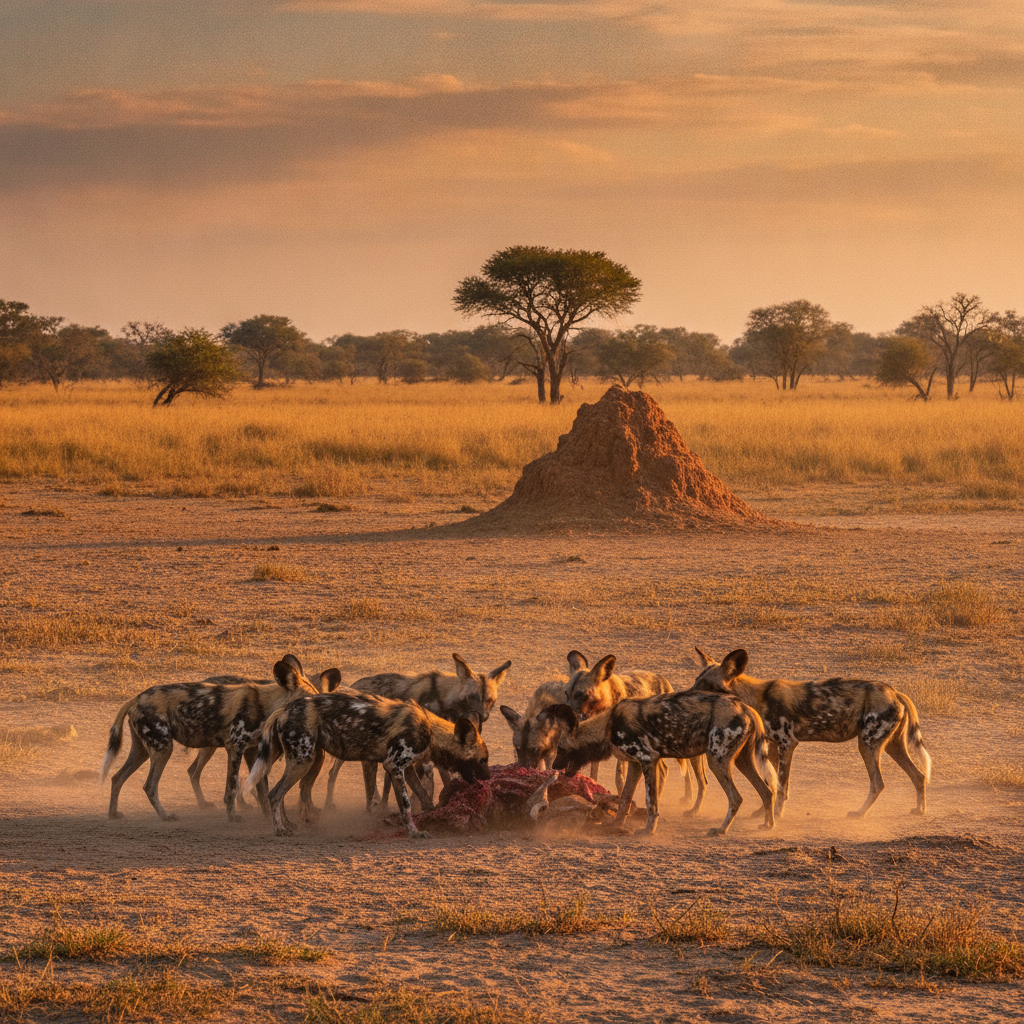
Gaborone five routes complete. Route 1: Botswana economic miracle (from poorest to upper-middle income in 50 years), Debswana diamond partnership, Seretse Khama, Okavango Delta, Central Kalahari, practical. Route 2: Chobe (120,000 elephants), Moremi Game Reserve, Tswana kgotla, Tsodilo Hills UNESCO, Makgadikgadi pans. Route 3: anti-poaching military, San CKGR land rights, African wild dog conservation, cultural village food, 58-year democracy. Route 4: pula currency, Maun safari hub, Linyanti marshes, Khama Rhino Sanctuary, birding. Route 5 (this route): Kalahari lion and Deception Valley, the southern Africa overland route, Gaborone lifestyle, Botswana education and HIV/AIDS Masa response, the Botswana vs Rwanda development comparison. Route 6 needed: the final legacy. Botswana final note: the most inspiring country in Africa for anyone interested in governance and development economics; the country that proves natural resources need not be a curse; the country where the ancient San people and the luxury fly-in safari coexist in the same enormous desert landscape; and the country where the African wild dog still hunts in packs across the papyrus channels of the Okavango.
Walk this route with audio
Stories play automatically as you reach each stop — no tapping needed.
More in gaborone
Gaborone: The Pula Currency, Maun Safari Hub, Linyanti Marshes, Khama Rhino Sanctuary, and Botswana Birding
Gaborone Final Legacy: Okavango Flood Cycle, Safari Photography, Francistown, A1 Highway, Kalahari Stars, and Complete Reference
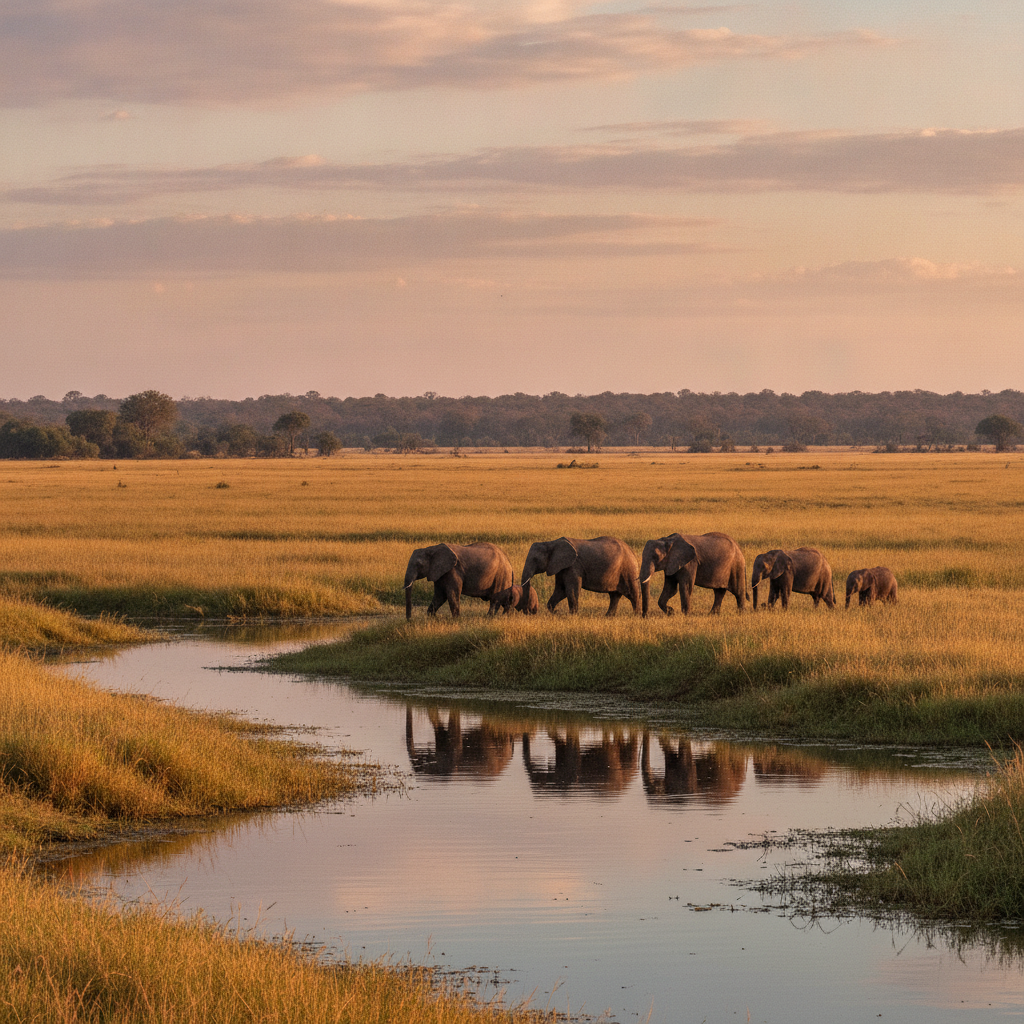
Gaborone: The Botswana Miracle, Diamond Industry, Seretse Khama, Okavango Delta, Kalahari Desert, and Practical Guide
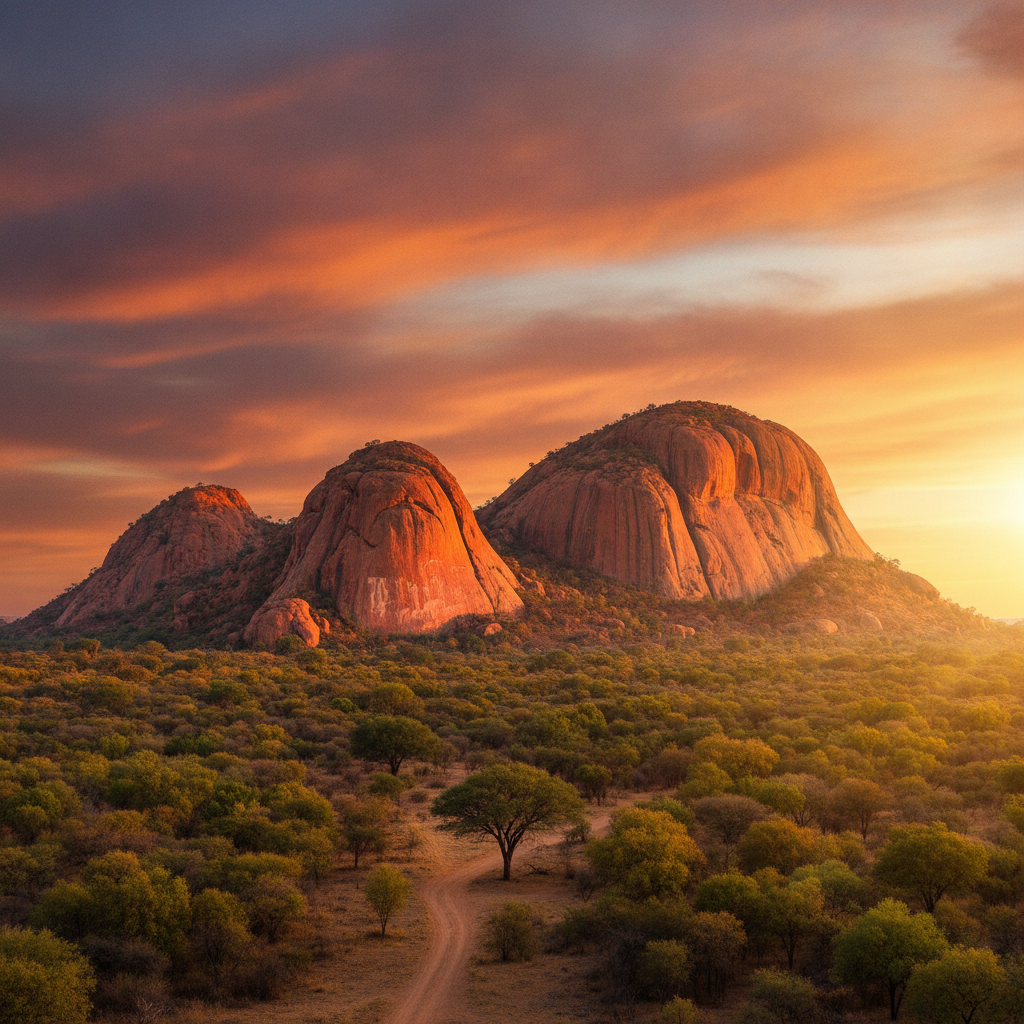
Gaborone: Chobe Elephants, Moremi Game Reserve, Tswana Culture, Tsodilo Hills UNESCO Rock Art, and Makgadikgadi Salt Pans