Gaborone: Botswana Anti-Poaching, San Land Rights, African Wild Dog, Tswana Culture, and Democracy Record
Botswana heritage: the military anti-poaching strategy and conservation success, the San CKGR land rights struggle, African wild dog conservation (the most endangered large carnivore), Tswana traditional food and the Kuru Art Project, and the 58-year unbroken Botswana democratic record.
- 1
Botswana Anti-Poaching and Wildlife Conservation Success
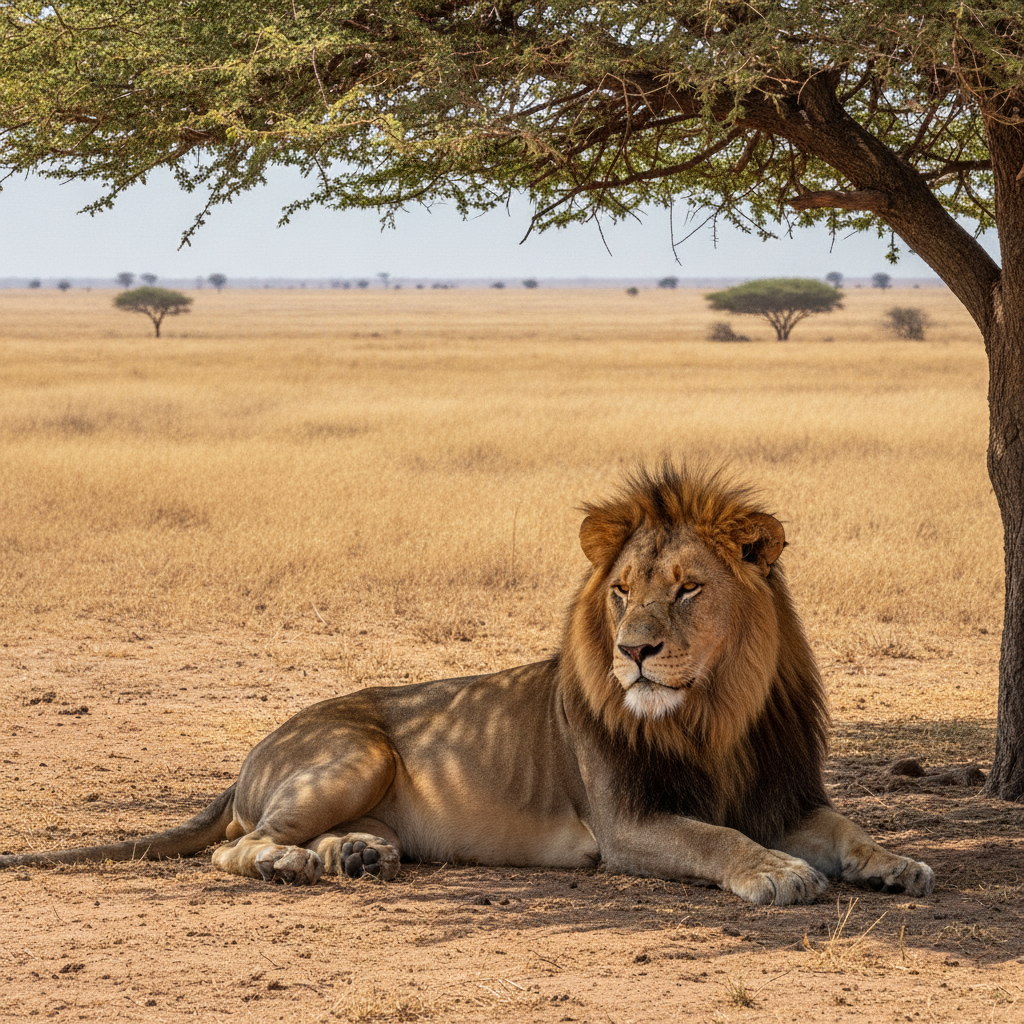
Botswana wildlife conservation: the most successful large-scale wildlife conservation program in Africa. Botswana maintains the largest elephant population in the world (approximately 130,000-150,000 elephants), the largest lion population in southern Africa, and one of the most significant wild dog populations in Africa. The anti-poaching strategy: Botswana has deployed the Botswana Defence Force (the military) for anti-poaching operations. The shoot-to-kill policy (in operation for various periods since the 1990s): the most controversial anti-poaching measure, with the Botswana Defence Force authorized to shoot poachers on sight in conservation areas. Elephant trophy hunting: banned in Botswana since 1983 (reinstated briefly 2019-2020, then re-banned). The KAZA transfrontier conservation area: Botswana is the largest contributor of land area and wildlife to the KAZA. The challenge: the Botswana elephant population has grown to a level where elephant-human conflict is a significant issue in communities bordering the parks.
- 2
The San of Botswana - The Original People and the Land Rights Struggle
The San (the G//ana, G/wi, !Kung, and other groups) of Botswana: the oldest surviving human genetic lineage on earth and the indigenous inhabitants of the Kalahari for at least 30,000 years. The Central Kalahari Game Reserve (CKGR) relocations: the government of Botswana removed the San from the CKGR in 1997 and 2002 and again in 2005, forcing them into resettlement villages outside the reserve. The government rationale: the difficulty and cost of providing services (water, medical care, education) to San communities in remote locations within the game reserve. The San rationale for remaining: their cultural identity, spiritual connection, and hunting-gathering way of life is inextricably linked to the land. The 2006 High Court ruling: the San won their land rights case in the Botswana High Court (the most significant indigenous land rights ruling in southern African judicial history). The Survival International campaign (the advocacy organization that brought the CKGR case to international attention).
- 3
The African Wild Dog - The Most Endangered Carnivore and Botswana Conservation
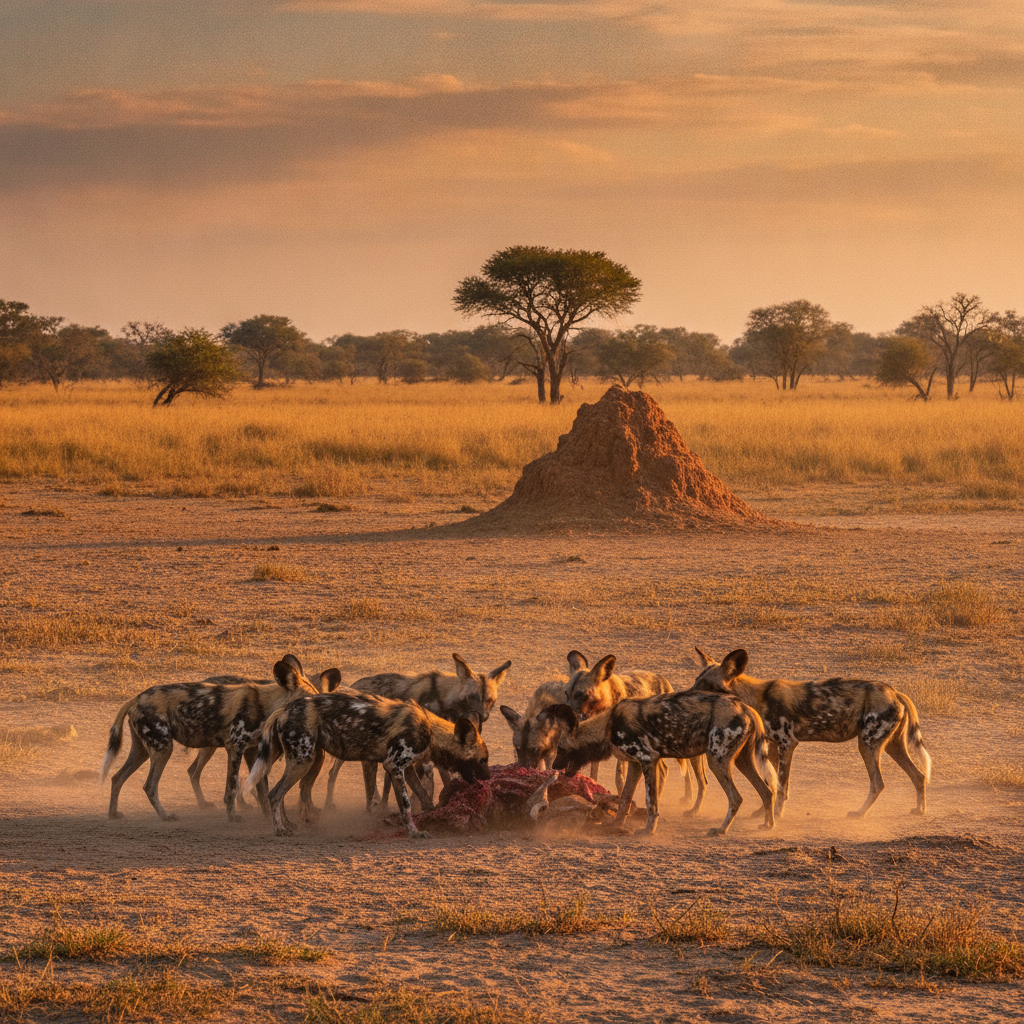
The African wild dog (Lycaon pictus, also called the African painted wolf): the most endangered large carnivore in Africa (estimated total global population 6,000-7,000 individuals in 2024, the second-least-numerous large carnivore after the Ethiopian wolf). The African wild dog is the most efficient predator in Africa (hunting success rate approximately 80%, compared to approximately 30% for lions). The social structure: the wild dog pack is one of the most cooperative mammal societies: the entire pack cares for the young; sick and injured pack members are fed by regurgitation by the rest of the pack. Botswana is one of the most important wild dog conservation areas in the world: the Moremi-Okavango-Linyanti-Khwai-Chobe ecosystem supports one of the largest wild dog populations in Africa. The primary threat: habitat loss and fragmentation (roads, farms, and settlements that break up the vast territories required by wild dog packs: an alpha pair requires approximately 1,000-2,000 sq km of territory).
- 4
Botswana Cultural Villages and the Tswana Food Tradition
The Botswana cultural experience beyond the wildlife. The D'Kar community (approximately 350 km northwest of Gaborone, near Ghanzi): the Kuru Art Project, where San artists produce paintings and prints that have been internationally exhibited (the most significant San contemporary art project in southern Africa). The Gaborone food scene: small but growing. The Botswana traditional food: bogobe (sorghum or maize porridge), seswaa (the national dish: pulled beef cooked for many hours until it falls apart, traditionally prepared at ceremonies and celebrations), morogo (wild leafy greens gathered from the bush, used as a relish with porridge). The braai culture (shared with South Africa and Zimbabwe): the open fire cooking of meat is the dominant Botswana social food activity. The Botswana beer: the Kgalagadi Breweries (a SABMiller joint venture): St Louis Lager and Castle Milk Stout are the primary Botswana beers. The home-brewed sorghum beer (the traditional fermented sorghum drink, called bogobe jwa lerotse or chibuku in the commercial version).
- 5
The Botswana Democracy - Africa Most Consistent Democratic Record
Botswana has held free and fair multi-party elections continuously since independence in 1966, making it the only country in sub-Saharan Africa to have maintained an unbroken democratic record since independence. The Botswana Democratic Party (BDP): the party that has governed Botswana since independence under all presidents from Seretse Khama through Ian Khama (2008-2018) and Mokgweetsi Masisi (2018-2024). The 2024 election (October 2024): the BDP was defeated in the general election after 58 years of continuous governance by the Umbrella for Democratic Change coalition led by Duma Boko, the most significant political transition in Botswana history. The Press Freedom Index: Botswana consistently ranks among the highest press freedom countries in Africa. The kgotla (the traditional Tswana public meeting institution) as the cultural foundation of the democratic political culture: the principle of consultation before decision-making is embedded in the Tswana cultural tradition and has reinforced the formal democratic institutions.
- 6
Gaborone Three Routes Complete Botswana Overview
Gaborone three routes complete. Route 1: Botswana miracle economic history, Debswana diamonds, Seretse Khama, Okavango Delta, Central Kalahari San, practical guide. Route 2: Chobe National Park (120,000 elephants), Moremi Game Reserve, Tswana people and kgotla, Tsodilo Hills UNESCO rock art, Makgadikgadi pans. Route 3 (this route): Botswana anti-poaching military strategy, San land rights and CKGR legal struggle, African wild dog conservation, Botswana food and cultural villages (Kuru Art Project), the 58-year democratic record (broken in 2024 by the first BDP electoral defeat). Routes 4-6 still needed. Botswana practical travel overview: Botswana is the most expensive tourist destination in Africa (the government deliberately pursues a high-value, low-volume tourism strategy: a small number of wealthy tourists paying high prices generates more conservation benefit than mass tourism). Expect to pay USD 500-1,500 per person per night for the premier Okavango and Chobe camps. Budget travelers should consider Maun as a base for self-drive Moremi access (approximately USD 100-200 per person per day self-drive). Gaborone as a tourist destination is primarily useful as an airport entry point for the rest of Botswana.
Walk this route with audio
Stories play automatically as you reach each stop — no tapping needed.
More in gaborone
Gaborone: The Pula Currency, Maun Safari Hub, Linyanti Marshes, Khama Rhino Sanctuary, and Botswana Birding

Gaborone Final Legacy: Okavango Flood Cycle, Safari Photography, Francistown, A1 Highway, Kalahari Stars, and Complete Reference
Gaborone: The Botswana Miracle, Diamond Industry, Seretse Khama, Okavango Delta, Kalahari Desert, and Practical Guide
Gaborone: Chobe Elephants, Moremi Game Reserve, Tswana Culture, Tsodilo Hills UNESCO Rock Art, and Makgadikgadi Salt Pans