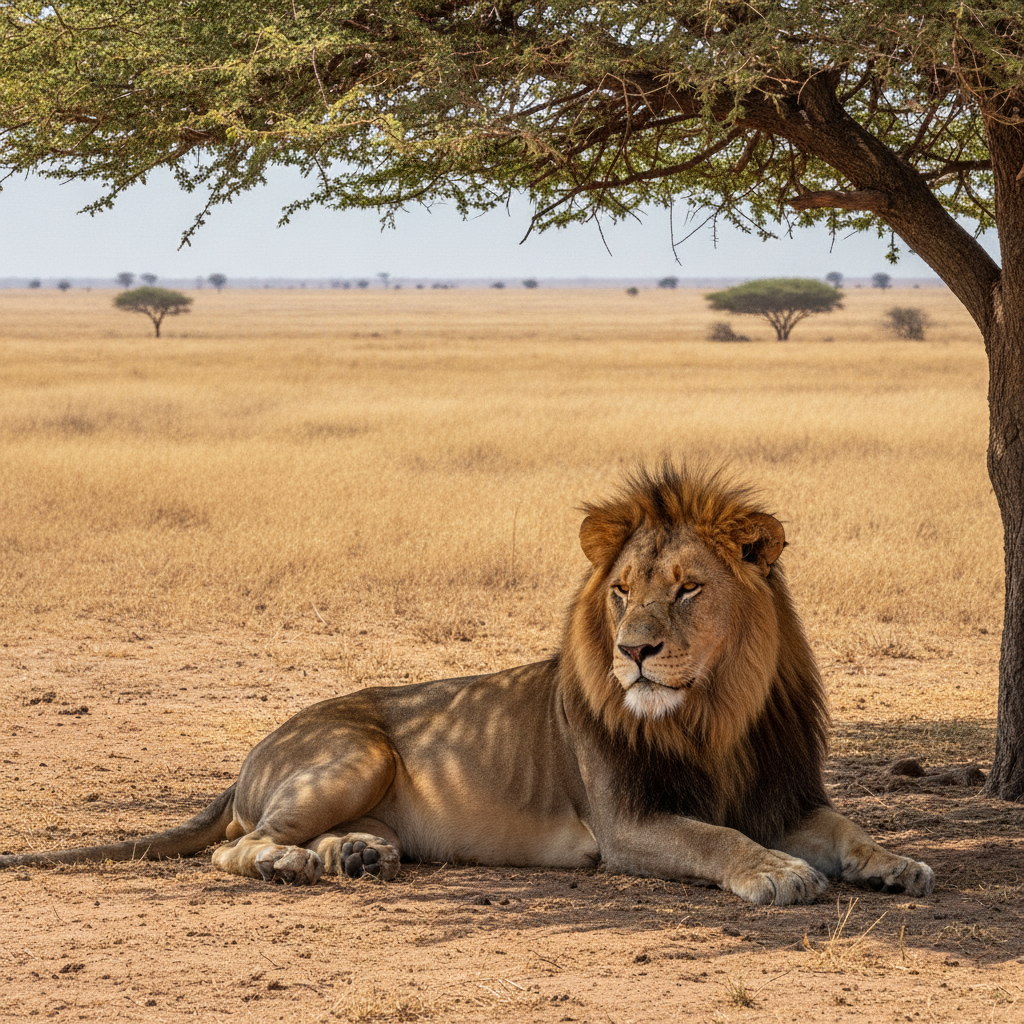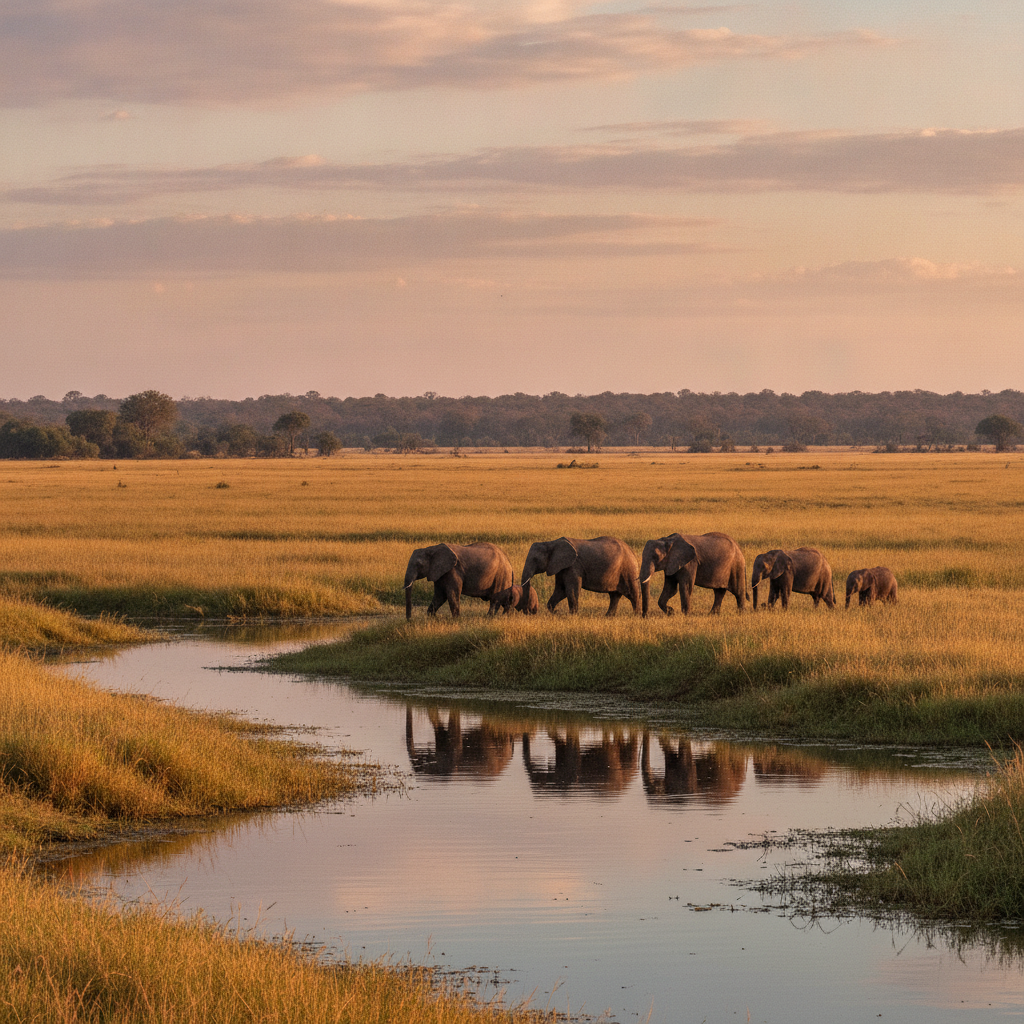
Gaborone: The Botswana Miracle, Diamond Industry, Seretse Khama, Okavango Delta, Kalahari Desert, and Practical Guide
Gaborone introduction: the Botswana economic miracle (from the world poorest to upper-middle-income in 50 years), the Debswana diamond industry, Seretse Khama and the interracial marriage story, the Okavango Delta, the Central Kalahari Game Reserve and the San people, and the No. 1 Ladies Detective Agency guide.
- 1
Gaborone - The Fastest Growing City in the World and the Botswana Miracle
Gaborone: the capital and largest city of Botswana, one of the fastest urbanizing capitals in Africa. In 1966 at independence, Gaborone had a population of approximately 3,000 people; today the greater Gaborone metropolitan area has approximately 700,000-800,000 people. Botswana achieved this growth on the back of one of the most remarkable economic transformations in the history of development economics. At independence in 1966 Botswana was one of the ten poorest countries in the world; by 2024 it is an upper-middle-income country with a GDP per capita of approximately USD 7,000-8,000 (the highest in sub-Saharan Africa excluding Mauritius and South Africa). The Botswana miracle: the combination of diamond revenues managed with extraordinary fiscal discipline, minimal corruption (Botswana consistently ranks among the least corrupt countries in Africa), and continued investment in education and infrastructure. The city itself: still relatively small by African capital standards, well-planned and clean.
- 2
The Botswana Diamond Industry - Debswana and the De Beers Partnership
Diamonds: the foundation of the Botswana economic miracle. The Jwaneng Diamond Mine (approximately 120 km southwest of Gaborone): the richest diamond mine in the world by value, producing approximately 10-12 million carats annually with an average value of approximately USD 160 per carat. The Orapa Diamond Mine (approximately 240 km northwest of Gaborone): the largest diamond mine in the world by surface area, producing approximately 16-20 million carats annually. Debswana Diamond Company: the 50-50 joint venture between the Government of Botswana and De Beers (the global diamond mining company): the Debswana model is one of the most studied examples of successful resource extraction partnership in development economics. De Beers global headquarters moved from London to Gaborone in 2013, making Gaborone one of the world diamond trading centers. The Botswana Diamond Hub policy: the government requirement that a proportion of Botswana rough diamonds must be sorted and valued in Gaborone rather than in Antwerp or London.
- 3
Seretse Khama - The First President and the Interracial Marriage Scandal
Seretse Khama (1921-1980): the first President of Botswana (1966-1980) and one of the most admired post-colonial leaders in African history. Seretse Khama was the heir to the chieftaincy of the Bangwato people of Bechuanaland (colonial Botswana). In 1948 he married Ruth Williams, a white British woman, in London. The marriage caused an international political scandal: the British government (under pressure from South Africa and Southern Rhodesia, who feared the precedent of an interracial marriage leading an adjacent territory) exiled Seretse and Ruth from Bechuanaland (1950-1956). The film A United Kingdom (2016) tells the story of Seretse and Ruth Khama. Seretse renounced his chieftaincy in 1956, returned to Bechuanaland, and entered politics. At independence (1966) he became the first President and guided Botswana from extreme poverty to economic stability through the management of the diamond revenues with strict fiscal discipline. He is regarded as one of the best leaders in African post-colonial history.
- 4
The Okavango Delta - The Greatest Wildlife Spectacle in Africa
The Okavango Delta (UNESCO World Heritage Site): the greatest inland delta in the world, approximately 250 km north of Gaborone. Accessible from Gaborone by road to Maun (approximately 600 km north, 6-7 hours) and then by charter flight or road. The Moremi Game Reserve (the protected inner area of the delta): the primary wildlife area. The delta is one of the top five wildlife destinations in the world: all five Big Five species plus wild dog (one of the most reliable wild dog sightings in Africa), cheetah, hyena, and hundreds of bird species. The water level cycle: the Okavango floods (April-August) when the Angolan rainy season water arrives downstream; the flooded delta is the most productive and most beautiful. The mokoro experience: the dugout canoe safari in the channels and lagoons of the flooded delta, poled by local Bayei or Hambukushu guides. The Okavango is accessible only via Maun (the gateway town) and requires advance booking of charter flights and camps.
- 5
The Kalahari Desert - San Bushmen and the Central Kalahari Game Reserve
The Kalahari (Botswana): the vast semi-arid savanna that covers approximately 70% of Botswana territory. The Central Kalahari Game Reserve (the CKGR: approximately 52,000 sq km, the second-largest game reserve in the world): the homeland of the G//ana, G/wi, and Tsila San communities. The 1997-2002 forced relocation of the San from the CKGR (the Government of Botswana removed the San from the CKGR, citing wildlife conservation and the cost of providing services to remote communities): the most controversial policy in Botswana post-independence history. The 2006 High Court ruling: the Botswana High Court ruled that the relocations were unlawful and that the San had the right to return to the CKGR. The CKGR self-drive safari (for the most adventurous visitors, a 4x4 self-drive into the CKGR): the most remote and challenging safari in southern Africa, requiring complete self-sufficiency in fuel, water, and food.
- 6
Gaborone Practical Guide - No. 1 Ladies Detective Agency Country
Gaborone practical guide. The No. 1 Ladies Detective Agency (the novel series by Alexander McCall Smith, first published 1998): the Gaborone-based mystery series featuring Precious Ramotswe, the first female private detective in Botswana; the series has sold approximately 25 million copies worldwide and has made Gaborone and Botswana internationally known to a literary audience that might otherwise not have encountered the country. The Gaborone Game Reserve (within the city limits of Gaborone): the small urban game reserve with white rhino, giraffe, zebra, and various antelope, the most accessible wildlife area in the city. The Main Mall (the pedestrian shopping street in the Gaborone CBD): the primary commercial center. The Botswana National Museum (the primary museum of Botswana history and natural history). Currency: the Botswana pula (one of the most stable currencies in Africa). Climate: semi-arid (hot summers November-March with afternoon thunderstorms, mild dry winters May-August). Getting around: Gaborone is a driving city with no public transport of note; car hire is essential. The Sir Seretse Khama International Airport (GBE): approximately 15 km north of the city.
Walk this route with audio
Stories play automatically as you reach each stop — no tapping needed.
More in gaborone
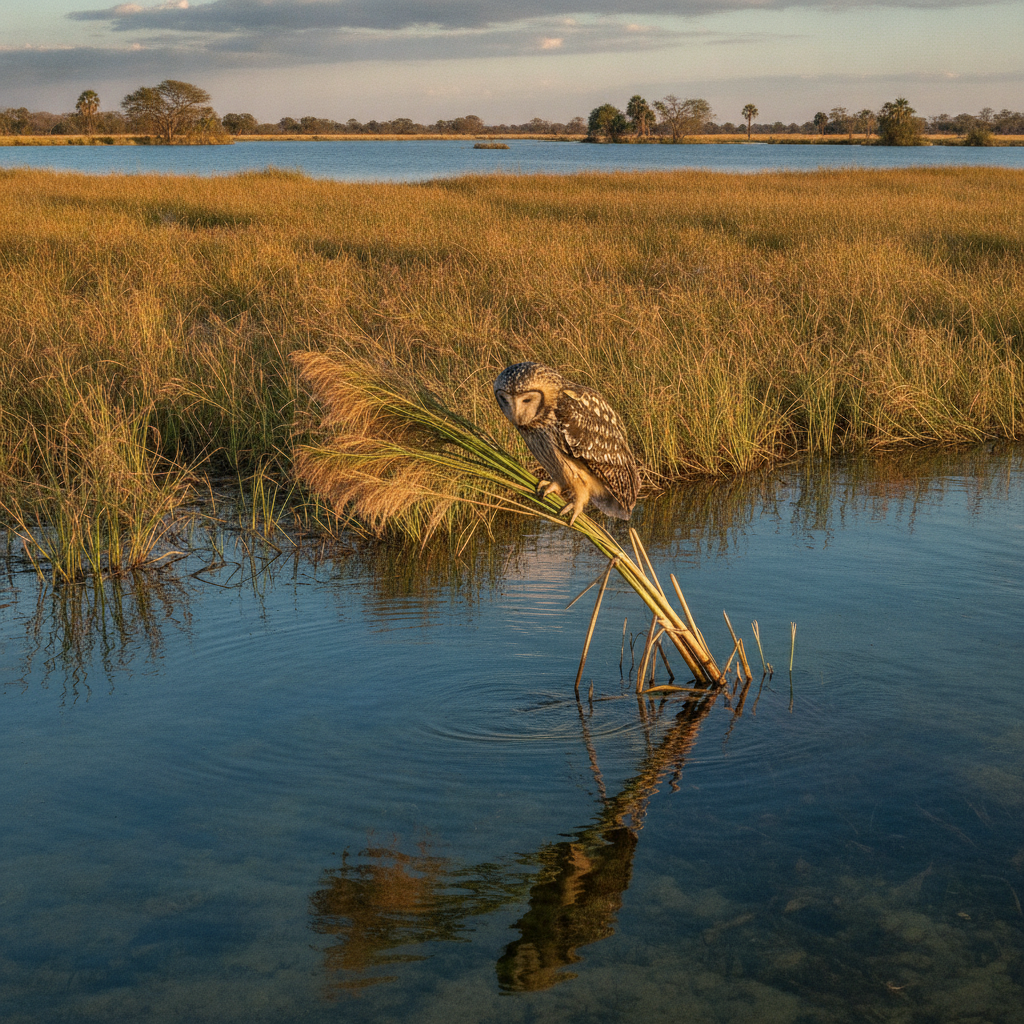
Gaborone: The Pula Currency, Maun Safari Hub, Linyanti Marshes, Khama Rhino Sanctuary, and Botswana Birding
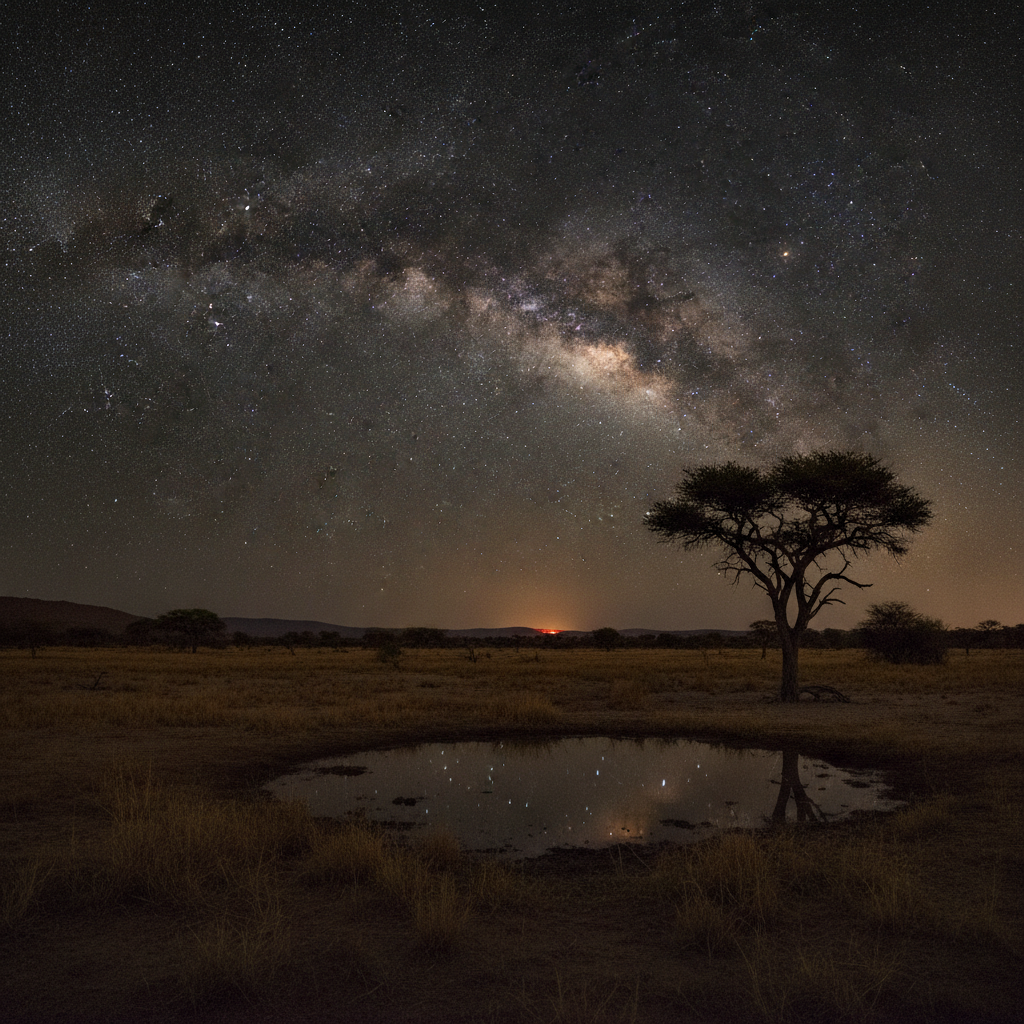
Gaborone Final Legacy: Okavango Flood Cycle, Safari Photography, Francistown, A1 Highway, Kalahari Stars, and Complete Reference
Gaborone: Chobe Elephants, Moremi Game Reserve, Tswana Culture, Tsodilo Hills UNESCO Rock Art, and Makgadikgadi Salt Pans
Gaborone: Botswana Anti-Poaching, San Land Rights, African Wild Dog, Tswana Culture, and Democracy Record