Gaborone: The Pula Currency, Maun Safari Hub, Linyanti Marshes, Khama Rhino Sanctuary, and Botswana Birding
Botswana practical and nature: the pula currency and Botswana fiscal management, Maun safari gateway and light aircraft network, the Linyanti marshes hidden wildlife, the Khama Rhinoceros Sanctuary community conservation, and Botswana birding (600 species, Okavango, African fish eagle).
- 1
The Botswana Pula - The Currency Named for Rain
The Botswana pula: the national currency of Botswana (one pula equals 100 thebe; the word pula means rain in Setswana, reflecting the centrality of rainfall to the semi-arid Botswana economy; the word thebe means shield). The pula was introduced at independence in 1976 (replacing the South African rand at parity) and has maintained one of the most stable exchange rates in Africa. The Botswana Central Bank (the Bank of Botswana): one of the most respected central banks in Africa, maintaining the foreign exchange reserves accumulated from diamond revenues (Botswana holds approximately USD 4-5 billion in foreign exchange reserves, one of the highest per capita reserve levels in Africa). The foreign exchange reserves: accumulated from decades of diamond revenue surpluses, invested in a Pula Fund (a sovereign wealth fund). The Botswana fiscal record: the government has run a fiscal surplus or balanced budget for most of the post-independence period, one of the most impressive fiscal records in the developing world.
- 2
Maun - The Safari Capital and Gateway to the Okavango
Maun: the primary gateway town to the Okavango Delta, approximately 600 km north of Gaborone. Maun (population approximately 80,000-100,000) has grown rapidly from a small cattle post to the primary safari logistics hub in Botswana. The Maun Airport (the busiest light aircraft hub in Africa): the charter flights from Maun to the Okavango Delta camps operate as a local air taxi service, with hundreds of Cessna and Pilatus PC-12 flights daily during the safari season. The Maun town experience: the original frontier town atmosphere (the cattle herding traditions of the Batawana people coexist with the luxury camp booking offices and the 4x4 rental agencies). Riley Hotel (the classic Maun accommodation since the 1960s): the most historically significant Maun hotel. The Crocodile Camp bar: the social hub of Maun for safari guides, bush pilots, and overland truckers. The Road to Maun from Gaborone: the A1 highway (paved, 4-6 hours): the classic Botswana road drive through the flat acacia savanna.
- 3
The Linyanti Marshes - Botswana Hidden Wildlife Jewel
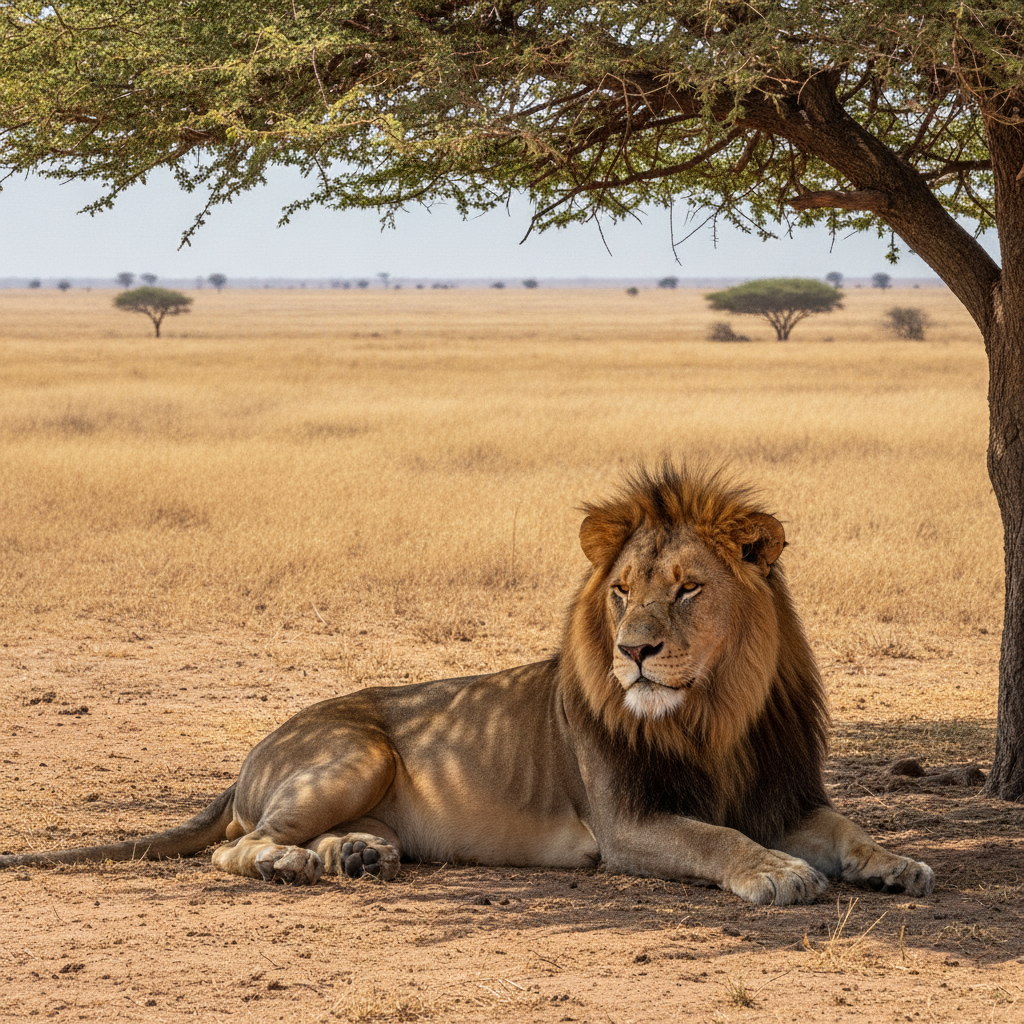
The Linyanti Marshes (the Linyanti Wildlife Reserve, the Kwando Wildlife Reserve, and the Selinda Game Reserve): the river and marsh system along the Linyanti and Kwando Rivers forming the Namibia-Botswana border in the far northeast of Botswana (approximately 1,000 km from Gaborone, accessible by light aircraft from Maun or Kasane). The Linyanti is one of the finest wildlife areas in Botswana: large elephant herds, very high lion and leopard densities, African wild dog (reliably seen), roan antelope, sable antelope, and the sitatunga (a wetland-adapted antelope that moves through the papyrus channels). The Selinda Spillway (the channel connecting the Okavango and the Linyanti systems): a periodic water connection that opens approximately every 30-50 years. The Linyanti camps (the Duma Tau, Selinda Camp, King Pool): some of the most exclusive and expensive bush camps in Africa (USD 1,500-3,000 per person per night).
- 4
The Khama Rhinoceros Sanctuary - Community Conservation and White Rhino
The Khama Rhinoceros Sanctuary (approximately 240 km north of Gaborone near the town of Serowe): a community-based conservation sanctuary managed by the local community (not the government or a private company). The sanctuary was established in 1993 to protect the white rhinoceros (reintroduced to Botswana after the local population was hunted to extinction in the 19th century). Approximately 35-40 white rhinos (and a small number of black rhinos) live within the 43-sq-km sanctuary. The sanctuary is managed by the Khama III Memorial Museum Trust and the revenue supports both the sanctuary operations and the adjacent community. The Serowe area (the homeland of the Bangwato people, the tribe of which Seretse Khama was the heir): the most historically significant Tswana village in Botswana. The Khama III Memorial Museum (in Serowe): dedicated to the life of Khama III (the father of Seretse Khama), who was the great reforming chief of the Bangwato and who visited London in 1895 to successfully petition the British government against incorporation into the Rhodesian British South Africa Company.
- 5
Birding in Botswana - The African Fish Eagle and the Okavango Birds
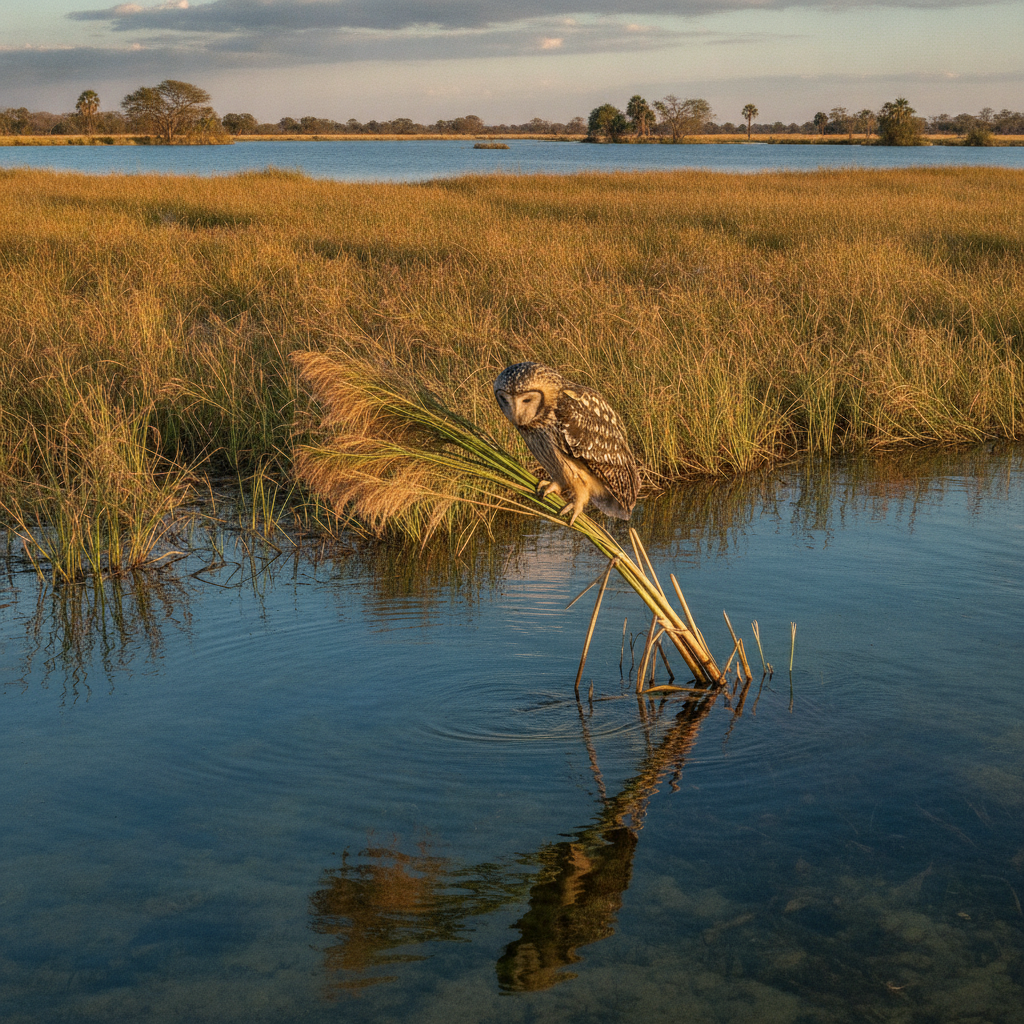
Botswana birding: one of the top birding destinations in the world, with approximately 600 bird species recorded. The Okavango Delta: the most biodiverse bird habitat in Botswana, supporting approximately 550 bird species. Primary target species for birders: the African fish eagle (the national bird of Botswana, Zambia, Malawi, and South Sudan; the classic call of the African wildlife documentary), the African skimmer (the orange-billed bird that skims the surface of the Okavango channels with its lower mandible), the Pel giant kingfisher (the largest kingfisher in the world), the wattled crane (one of the rarest large birds in Africa), the slaty egret (found almost exclusively in the Okavango), and the African pygmy goose (the smallest African duck species). The Nata Bird Sanctuary (at the northern end of the Makgadikgadi pans): the flamingo and pelican congregation point when the pans fill in the wet season (December-March). The Limpopo National Park (adjacent to the South African Kruger on the Botswana-South Africa border) contributes additional species diversity.
- 6
Gaborone Four Routes Botswana Legacy Overview
Gaborone four routes complete. Route 1: Botswana economic miracle, Debswana diamonds, Seretse Khama and Ruth Williams, Okavango Delta, Central Kalahari San, practical guide. Route 2: Chobe 120,000 elephants, Moremi Game Reserve, Tswana culture and kgotla, Tsodilo Hills UNESCO, Makgadikgadi pans. Route 3: anti-poaching military strategy, San land rights CKGR, African wild dog conservation, Tswana food and Kuru Art Project, 58-year democracy. Route 4 (this route): the pula currency (named for rain), Maun safari hub and the light aircraft network, Linyanti marshes hidden wildlife, Khama Rhinoceros Sanctuary community conservation, Botswana birding (600 species, Okavango, African fish eagle). Routes 5-6 still needed. Travel philosophy for Botswana: the country demands a choice between two very different experiences. The luxury fly-in safari (the premier Okavango and Chobe camps: extraordinary wildlife, total immersion in the bush, USD 1,000+ per night): one of the finest travel experiences on earth. The self-drive overland (Maun, self-drive Moremi, overland to Kasane, Chobe riverfront): significantly cheaper (USD 100-200 per night) but requiring preparation, a 4x4, and willingness to rough it. Gaborone is only a transit point for either experience.
Walk this route with audio
Stories play automatically as you reach each stop — no tapping needed.
More in gaborone
Gaborone Final Legacy: Okavango Flood Cycle, Safari Photography, Francistown, A1 Highway, Kalahari Stars, and Complete Reference
Gaborone: The Botswana Miracle, Diamond Industry, Seretse Khama, Okavango Delta, Kalahari Desert, and Practical Guide
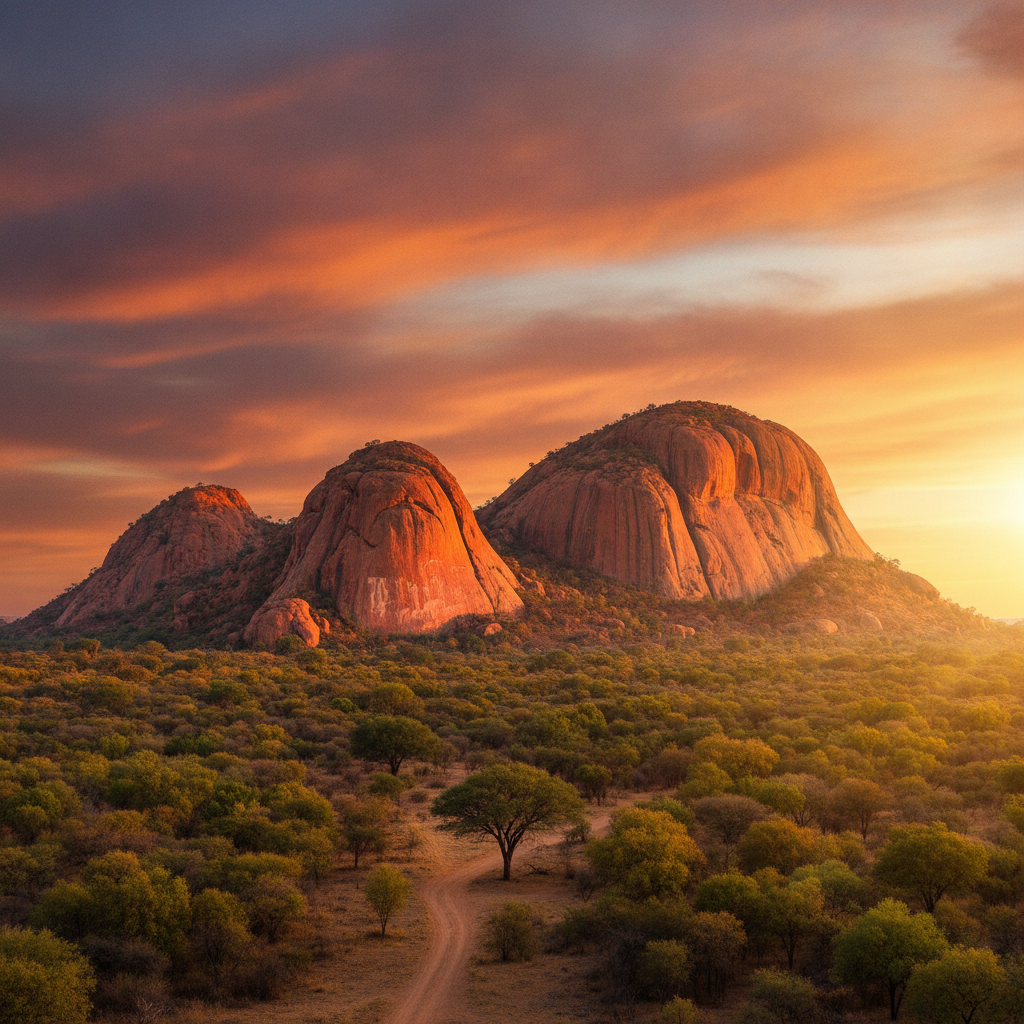
Gaborone: Chobe Elephants, Moremi Game Reserve, Tswana Culture, Tsodilo Hills UNESCO Rock Art, and Makgadikgadi Salt Pans
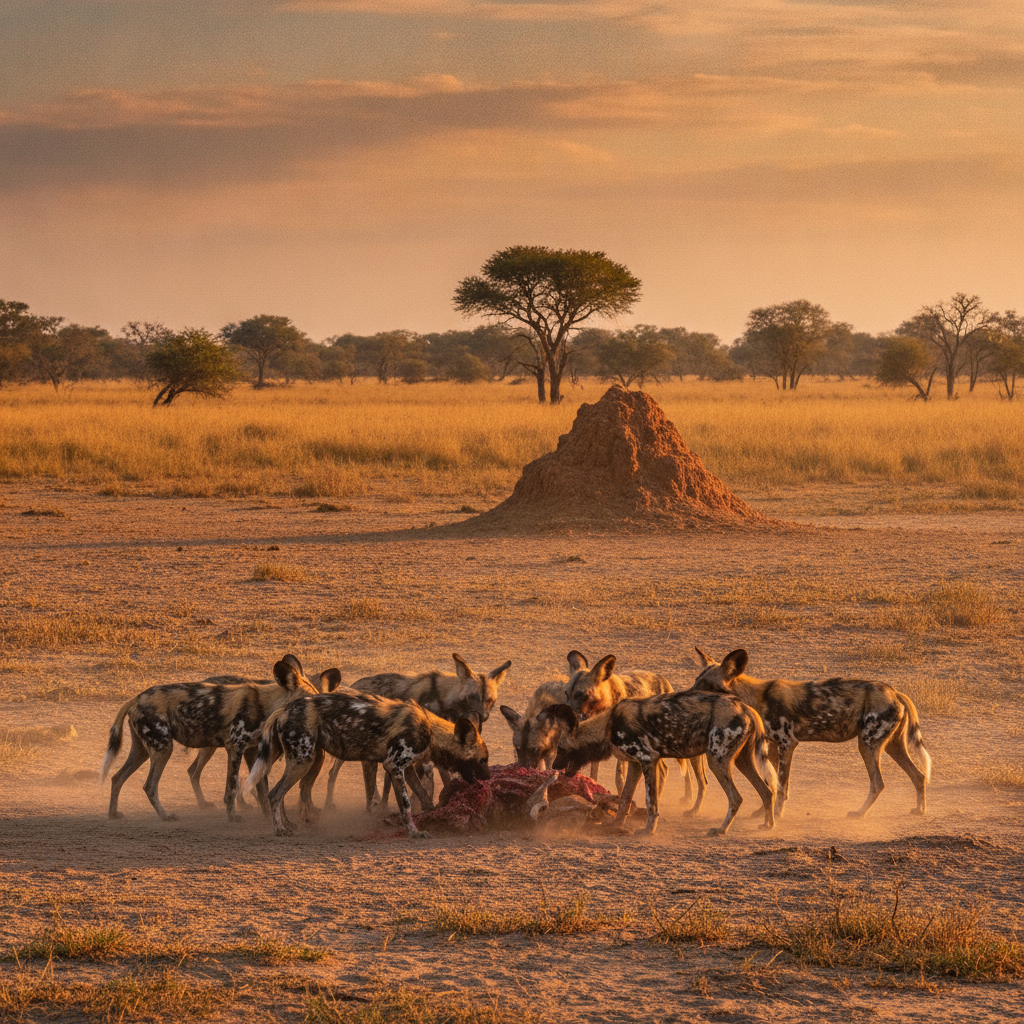
Gaborone: Botswana Anti-Poaching, San Land Rights, African Wild Dog, Tswana Culture, and Democracy Record