Fes History: The Idrisid Foundation, the Marinid Golden Age, the Wattasid and Saadian Decline, the Alaouite Revival, the French Protectorate, and the Contemporary Fes Identity
The Fes history route covers the Idrisid foundation story of 789 AD, the Marinid golden age of the 13th-14th century madrasas and the al-Qarawiyyin expansion, the Saadian neglect, the Alaouite revival, the French Protectorate dual city plan, and the contemporary Fes identity as the spiritual and intellectual capital of Morocco.
- 1
Idrisid Foundation: The 789 AD Beginning
Fes was founded in 789 AD by Idris I, the great-great-grandson of the Prophet Muhammad who fled the Abbasid persecution in Arabia to Morocco, established the first Islamic Moroccan dynasty (the Idrisids), and laid the foundations of the Fes medina on the west bank of the Oued Fes. His son Idris II completed the city in 808 AD by founding the east bank quarter and inviting the 8,000 families of Muslim refugees expelled from Cordoba in 814 AD and 2,000 families expelled from Kairouan in Tunisia to settle in the two quarters, creating the most internationally diverse single founding population of any medieval Islamic city in North Africa.
- 2
Marinid Golden Age: The 13th-14th Century Flowering
The Marinid dynasty (1244-1465), the Berber dynasty that made Fes its imperial capital, built the most extensive single program of madrasa construction in the Islamic world including the Bou Inania, the Al-Attarine, the Sahrija, and the Cherratine madrasas; expanded the al-Qarawiyyin mosque to its current size; and created the Fes el-Jedid royal administrative city. The Marinid golden age produced the most elaborate single decorative arts program in Moroccan history and the madrasas of this period remain the most completely preserved single group of medieval Islamic educational buildings in the world. Ibn Khaldun, the most important medieval Islamic historian, taught at al-Qarawiyyin during this period.
- 3
Wattasid and Saadian Neglect: The Fes Decline
The Wattasid dynasty (1472-1554) and the Saadian dynasty (1554-1659) gradually reduced the political importance of Fes as the Saadians moved the capital to Marrakech, neglected the medina infrastructure, and stripped the Marinid monuments for the construction of the Saadian palaces in the south. The Fes decline from 1465 to 1666 is the most prolonged single period of urban neglect for any medieval North African city that survived the neglect without losing its fundamental urban fabric, a testament to the self-maintaining resilience of the Islamic medina commercial and religious institutions that continued without royal patronage.
- 4
Alaouite Revival: The Royal Return
The Alaouite dynasty from 1666 to the present has maintained Fes as the spiritual capital and the religious center of Morocco even while moving the political capital to Meknes under Moulay Ismail (1672-1727) and to Rabat in the Protectorate period. The Alaouite sultans invested in the restoration of the al-Qarawiyyin, the renovation of the medina water supply, and the building of the Moulay Abdallah quarter in Fes el-Jedid as the most consistent single royal patronage of any Moroccan historic city in the modern period. The current King Mohammed VI has invested 500 million dirhams in the Fes medina rehabilitation program since 2000.
- 5
French Protectorate Fes: The Dual City Creation
The French Protectorate dual city creation in Fes from 1912, where the Resident General Lyautey built the Ville Nouvelle on the plateau above the medina and explicitly prohibited French settlement in the medina to prevent the architectural modification of the historic fabric, is the most successful single urban conservation policy in North African history. The Lyautey principle of preserving the medina as a living museum while building the modern city outside it created the paradox of protecting the historic fabric by excluding the investment that would have improved the infrastructure but destroyed the character. The Fes medina today faces the opposite problem of the rehabilitation investment that modern residents require without the UNESCO-mandated preservation restrictions.
- 6
Contemporary Fes: The Spiritual Capital Identity
Contemporary Fes maintains the identity as the spiritual and intellectual capital of Morocco through the al-Qarawiyyin University, the annual Fes Festival of World Sacred Music (the most prestigious single religious music festival in North Africa, founded 1994), the Fes Forum intellectual conference, and the royal family connection to the city as the historical throne of the Alaouite dynasty. The Fes identity is the most explicitly religious and intellectual of any Moroccan city and the most consciously historical in its self-presentation, creating the city character that attracts the most culturally motivated single visitor profile in Morocco.
Walk this route with audio
Stories play automatically as you reach each stop — no tapping needed.
More in Fes
Morocco's King Bears the Title Amir al-Muminin (Commander of the Faithful) Giving the Moroccan Monarchy a Unique Theocratic Religious Legitimacy Distinct From All Other Arab Monarchies; The Andalusian Music Tradition al-Ala Was Brought to Fes by Refugees From the 1492 Expulsion of Muslims and Jews From Spain and Is Still Performed in Three Regional Schools; Fes Is Arguably the Most Important Single City in the Spiritual Life of West African Islam Through the Tijaniyya Sufi Order With 100-150 Million Adherents
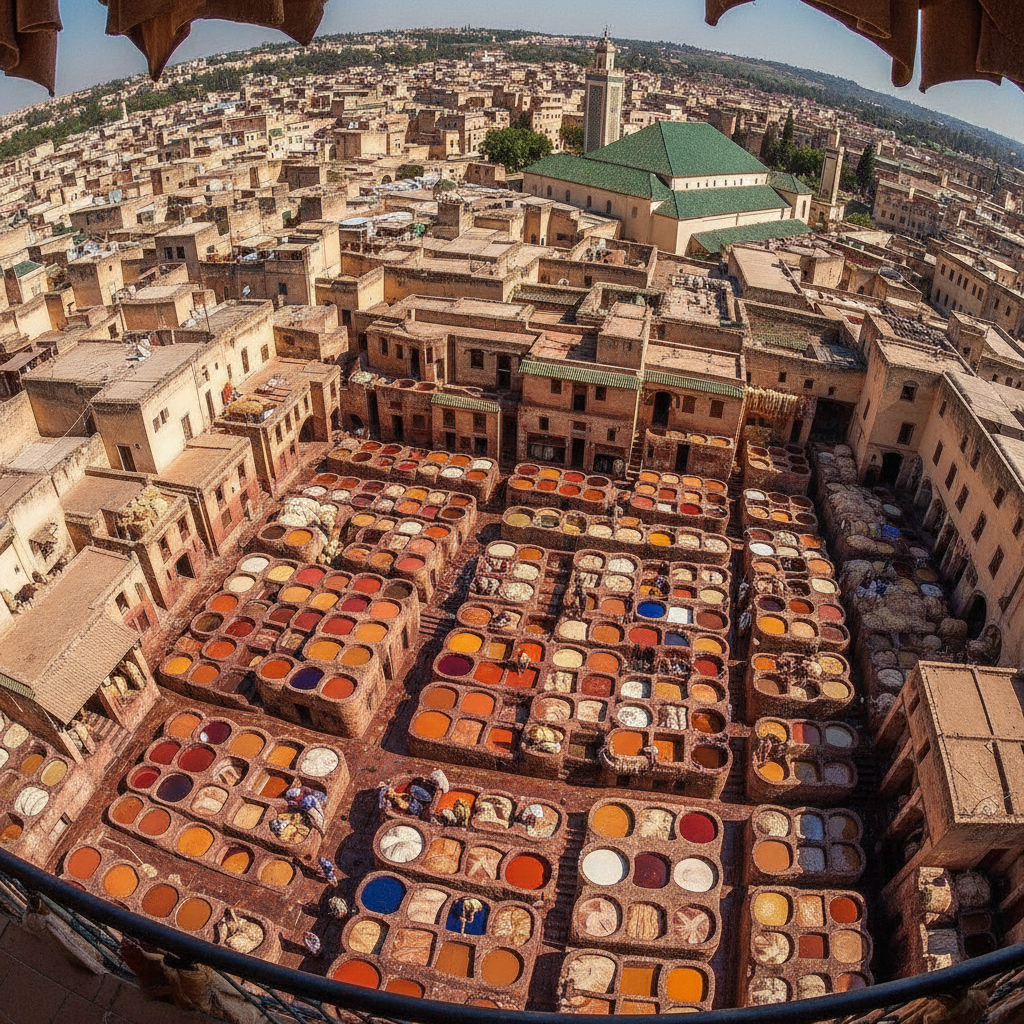
The Fes el-Bali Medina Is the Largest Car-Free Urban Area in the World With 9,000 Streets and 150,000 Inhabitants; The University of al-Qarawiyyin Founded in 859 CE by Fatima al-Fihri Is the Oldest Continuously Operating University in the World; The Chouara Tannery Uses Pigeon Dung as an Ammonia Source to Soften Hides in a Process Unchanged Since the Medieval Period
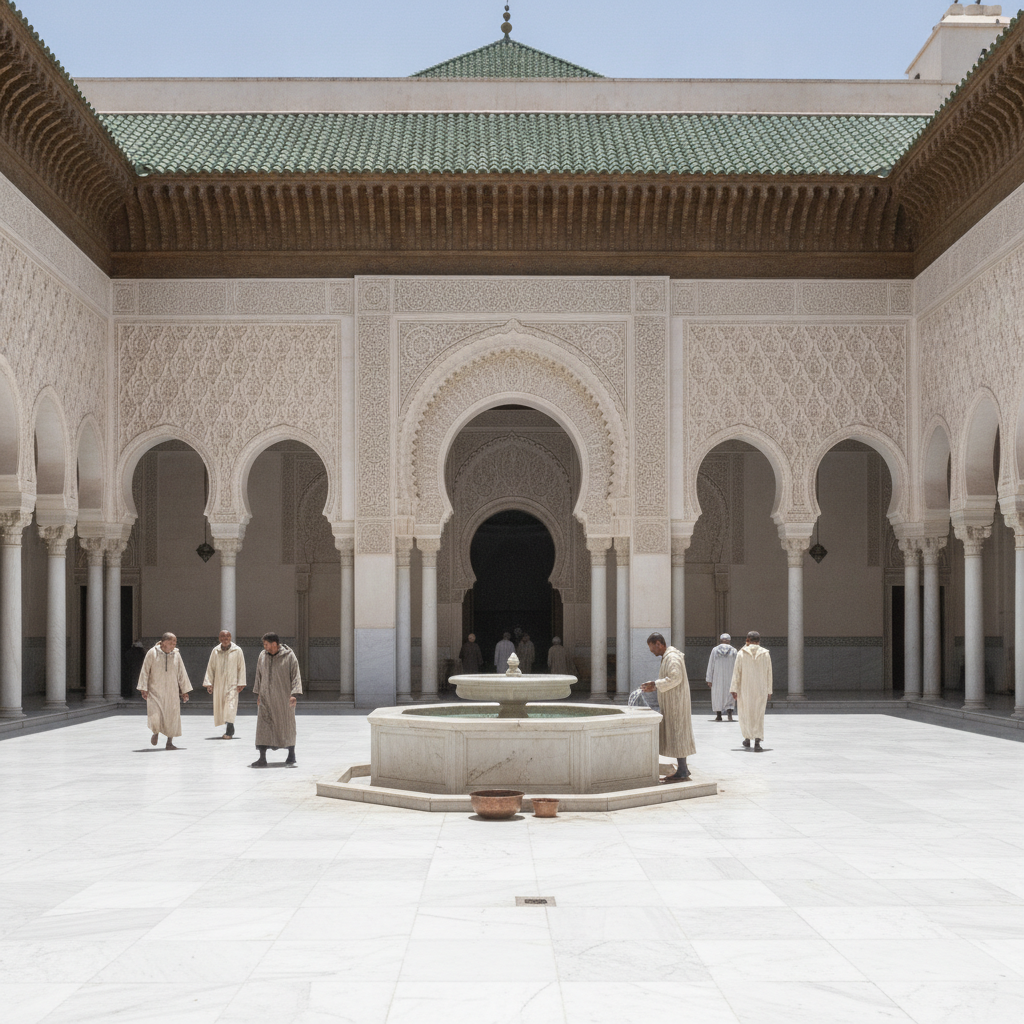
The Fes Festival of World Sacred Music Founded in 1994 Presents Sufi, Gnawa, Gregorian, Jewish, Hindu, and Buddhist Sacred Music in Venues Within the 1,200-Year-Old Medina; The Almohad Dynasty (1147-1244) Was the Most Hostile to Jews in Moroccan History Forcing Conversion or Emigration and Driving Fassi Jews to Flee to Christian Spain; The Fes Medina Has No Single Tourist Focal Square Like Marrakech's Djemaa el-Fna Making It More Authentically Urban and Less Tourist-Organized
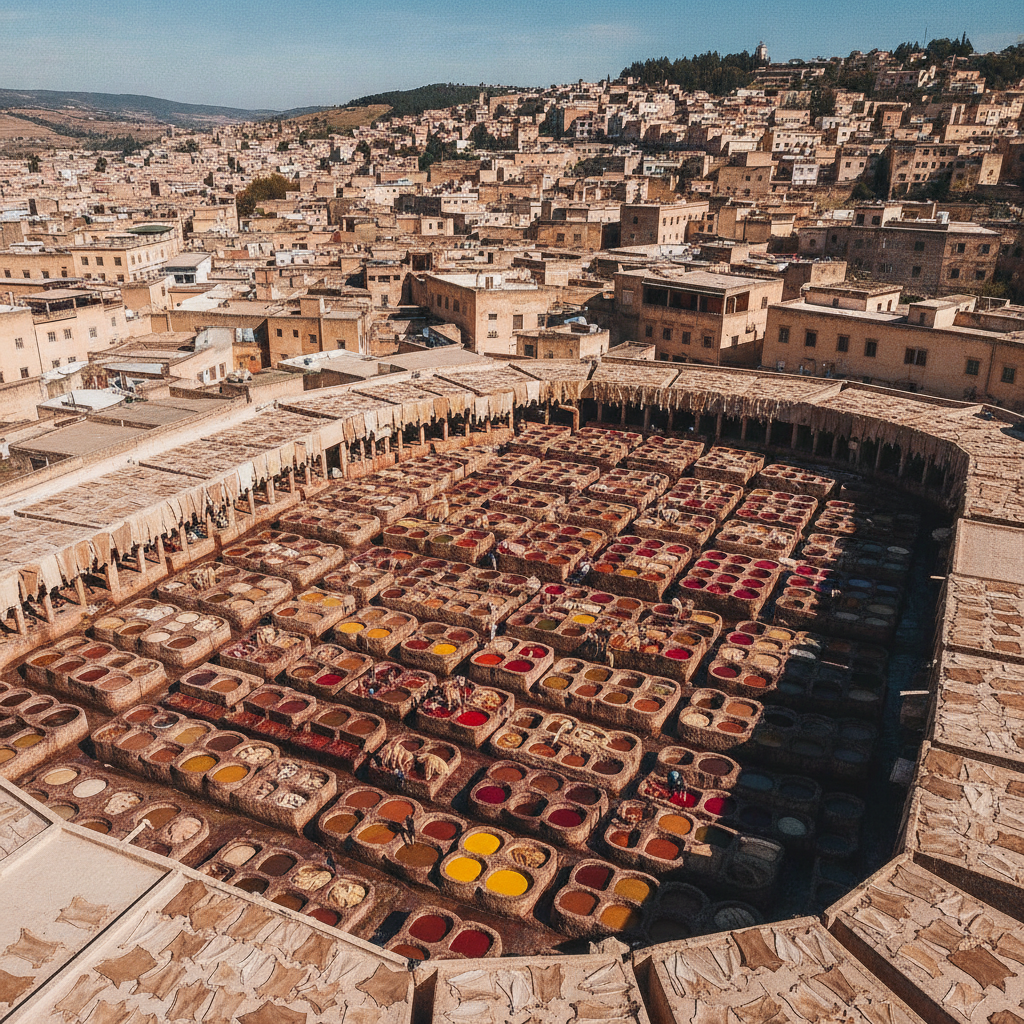
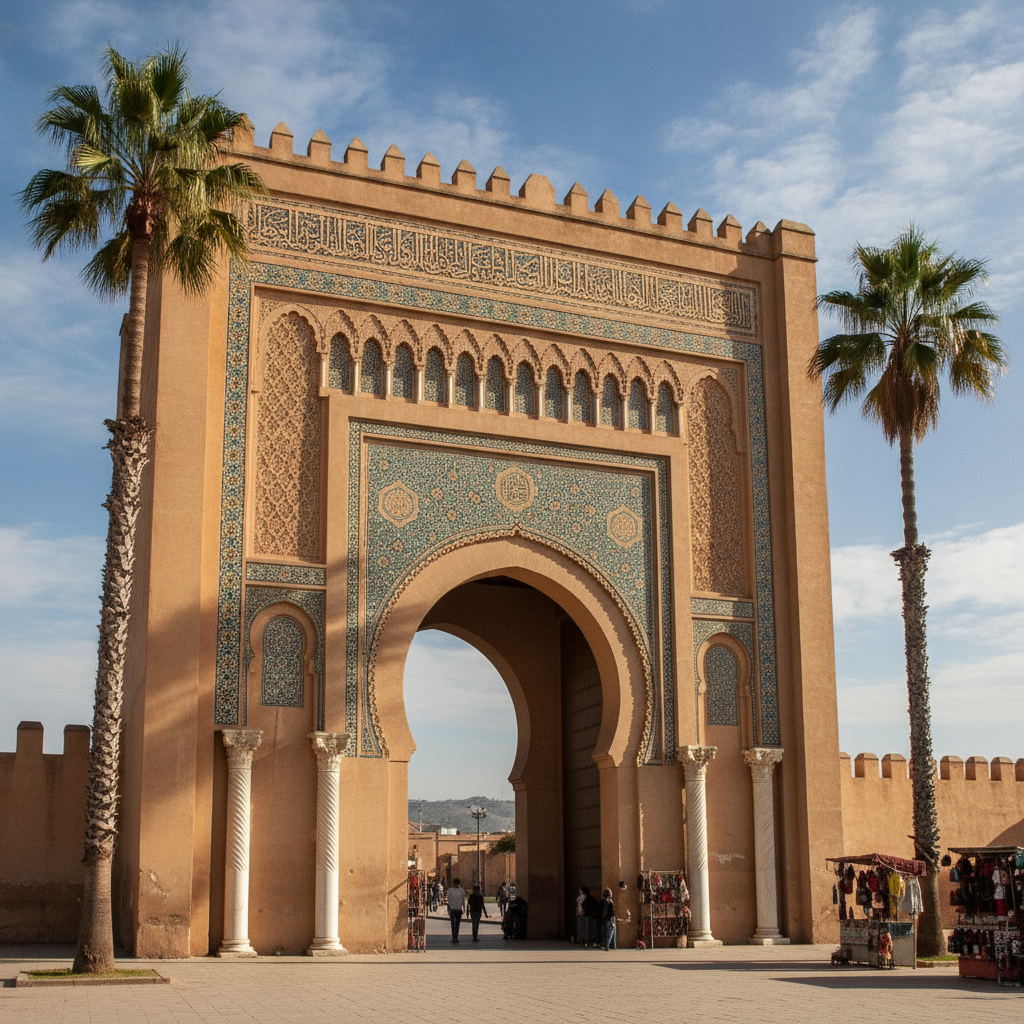
Fes Essential: Fes el-Bali the World Oldest Living Medina, the Bou Inania Madrasa, al-Qarawiyyin University, the Chouara Tanneries, the Blue Gate, and the Medieval City Character
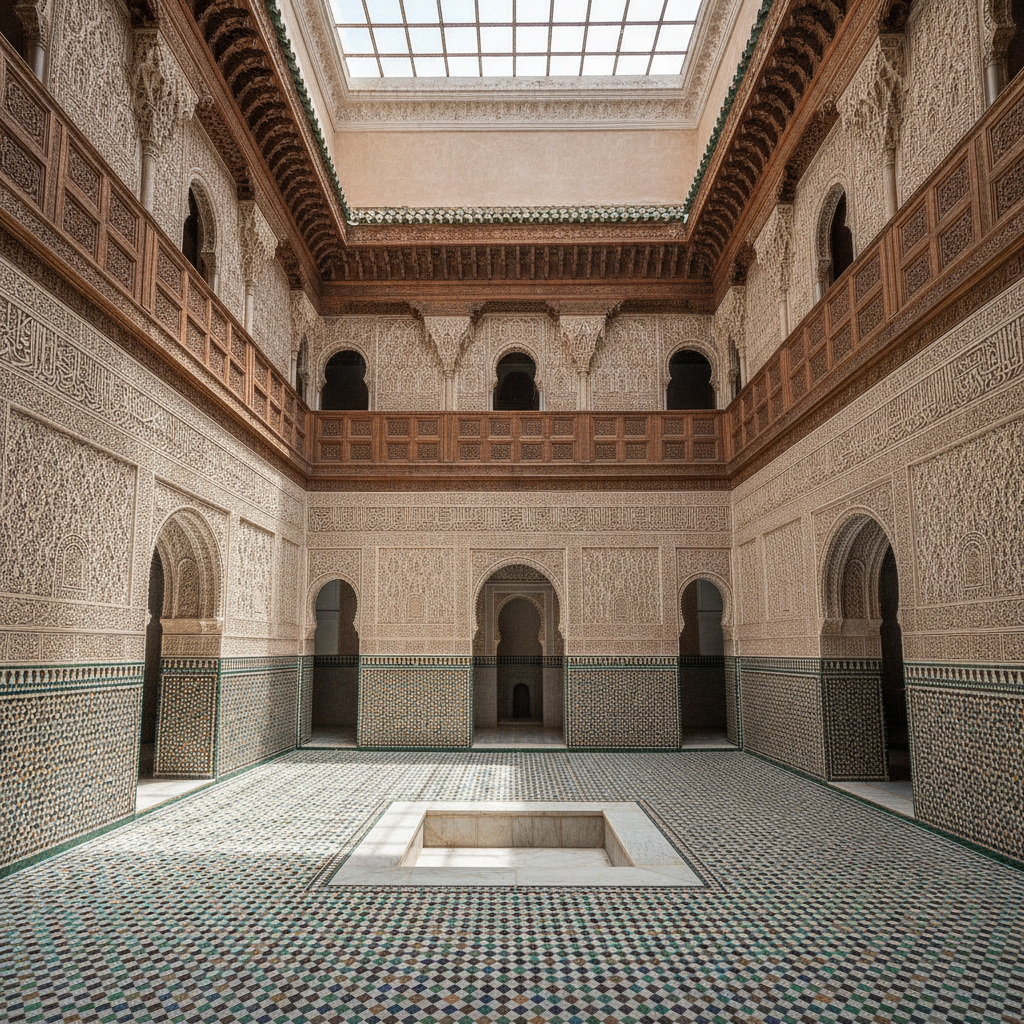
Fes Craft Heritage: The Al-Attarine Madrasa, the Nejjarine Fountain and Museum, the Funduq Carpenter Tradition, the Fes Pottery Blue Ceramic, and the Living Craft Guilds